

August might feel like the tail end of the gardening season, but for those of us who can’t resist squeezing every bit of productivity out of our plots, it’s actually a golden window of opportunity. With a little strategy and the right crop choices, you can plant now and enjoy fresh harvests before the first frost puts the brakes on outdoor growing. This is especially satisfying when you’ve already pulled up tired summer crops and have open spaces just begging to be filled with something useful.
I know how frustrating it is to see bare soil in late summer—it feels like wasted potential! Many vegetables grow quickly in the warm soil of August and then mature just in time for a cool-weather harvest. Most of these crops are quick growers, often ready in 30 to 60 days, which makes them perfect for succession planting. They also benefit from fewer pests and milder days as fall approaches. With careful selection, you can turn those empty garden spots into a mini autumn bounty.
Radishes

Radishes, native to Southeast Asia, are one of the fastest-growing vegetables you can plant in August, with some varieties ready to harvest in as little as three weeks. They thrive in cooler temperatures, so as September approaches, they tend to produce crisp, flavorful roots without becoming woody. The warm August soil helps seeds sprout quickly, and the shortening days reduce the risk of bolting.
Radishes are not invasive, though they will reseed if left to flower. Those blooms are highly attractive to pollinators and beneficial insects. In fact, if you let a few go to seed, you might notice bees visiting even late in the season. Just remember to stagger sowing every week or two for a steady supply before frost arrives.
Spinach
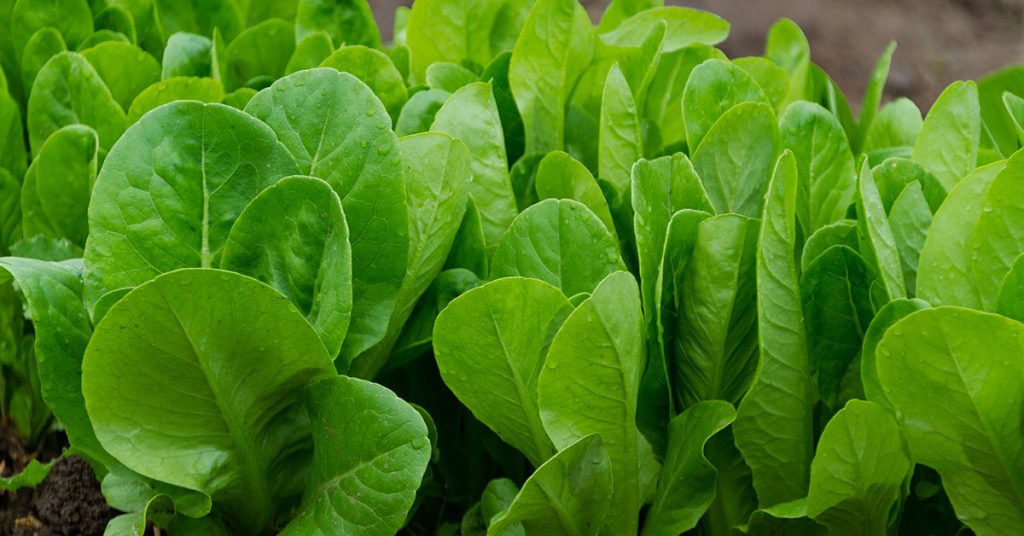
Spinach, originating from central and southwestern Asia, is an excellent August planting because it prefers cool weather for best flavor and texture. Sown in late summer, it germinates quickly in warm soil but grows into the cooler days of fall, producing tender leaves ideal for salads or cooking. Some varieties can be ready in just 35 days, giving you multiple harvests before frost.
Spinach isn’t invasive, but it will self-seed if left unattended in spring. While it doesn’t attract pollinators in the leafy stage, its flowers—if allowed to develop—do bring in small beneficial insects. The best part is that young spinach can also be harvested as baby greens just a few weeks after sowing, giving you an early taste while the main crop continues to grow.
Arugula
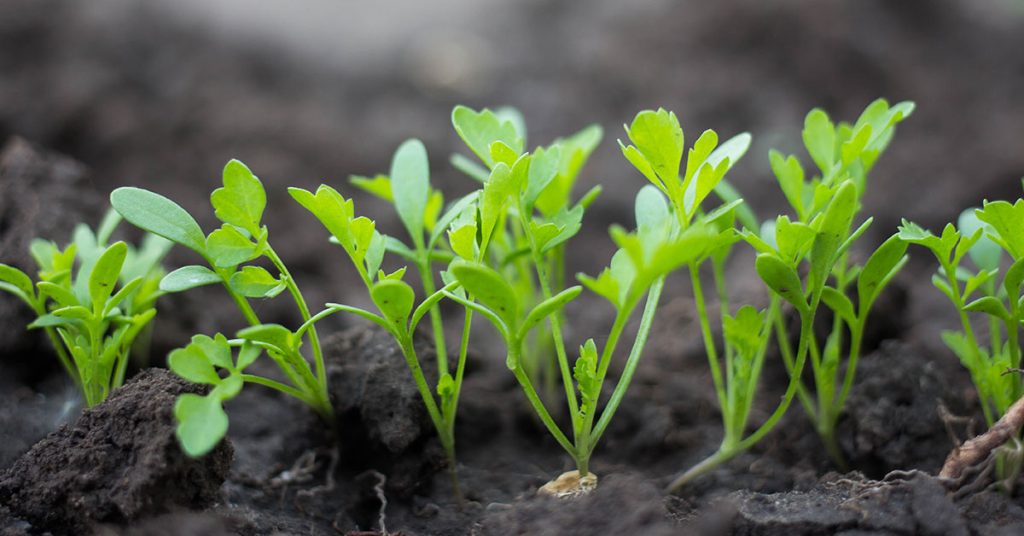
Arugula, native to the Mediterranean, is a leafy green with a peppery bite that matures quickly—often within 30 to 40 days. August planting takes advantage of warm soil for quick germination, followed by cooler temperatures that prevent bitterness. The leaves grow best when harvested young, but even mature plants can provide flavorful greens until frost.
It’s not considered invasive, though it can self-seed easily if you let it flower. Those delicate white blooms are a magnet for bees and other pollinators. I like to let a few plants bloom at the very end of the season just to give late-season pollinators a much-needed snack before winter sets in.
Baby Carrots
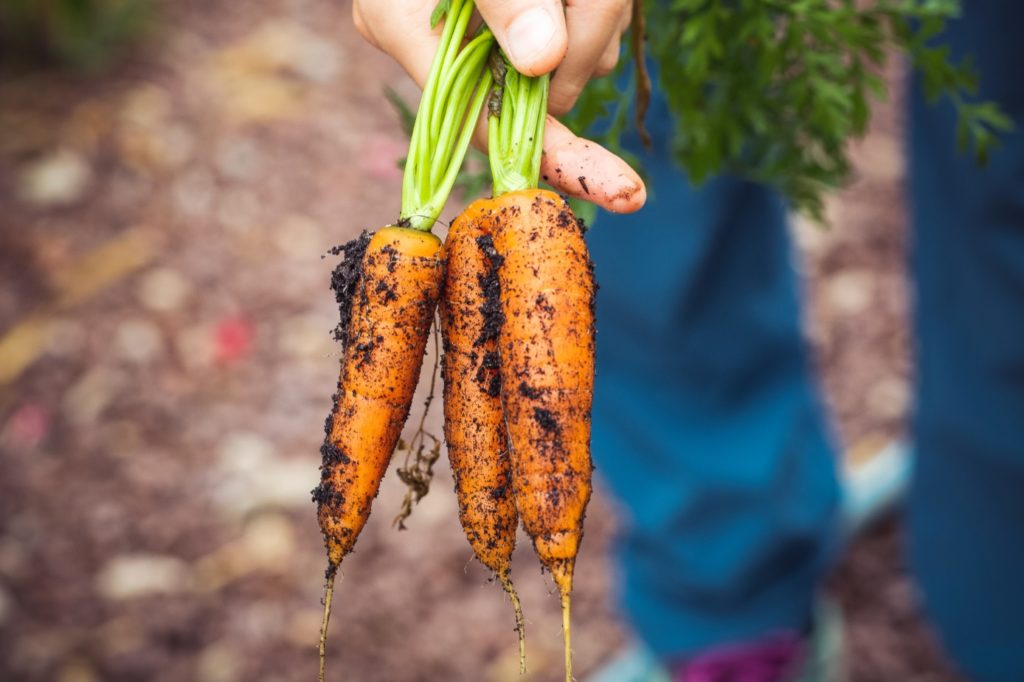
Baby carrots, bred for shorter maturity times, can go from seed to harvest in 50 days or less, making them perfect for an August planting. Native to Persia (modern-day Iran and Afghanistan), carrots love the warm soil to germinate quickly, and as days cool, they develop sweeter flavor. The compact roots are easy to pull and require less space than full-sized varieties.
They’re not invasive, but wild carrot (Queen Anne’s lace) can be aggressive in some areas. Carrot flowers, if allowed to bloom, are fantastic for attracting hoverflies, lacewings, and other beneficial insects. For a steady supply, sow a small batch every two weeks until your frost window closes.
Lettuce
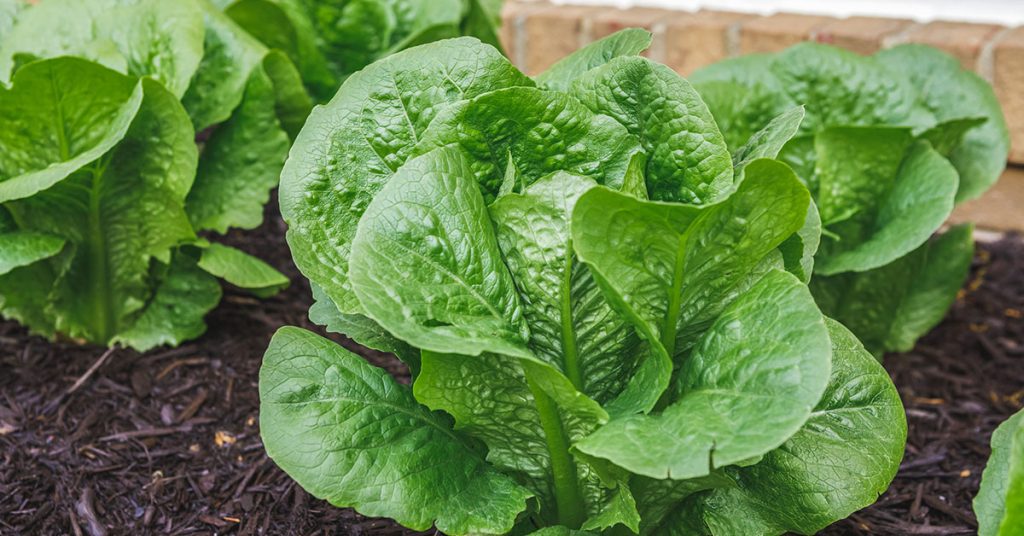
Lettuce, believed to have originated in the Mediterranean, grows quickly in late summer and thrives as temperatures cool. Heat-tolerant varieties can be sown in August, maturing into the crisp, sweet heads or loose leaves we love for salads. Many types can be ready in 30 to 45 days, leaving plenty of time before frost.
It’s not invasive, but it will reseed if allowed to bolt in spring. Lettuce flowers draw pollinators and can add visual interest to a garden, though most gardeners harvest before that stage. A late August planting often gives you cleaner, healthier leaves because common lettuce pests are less active in cooler weather.
Turnips
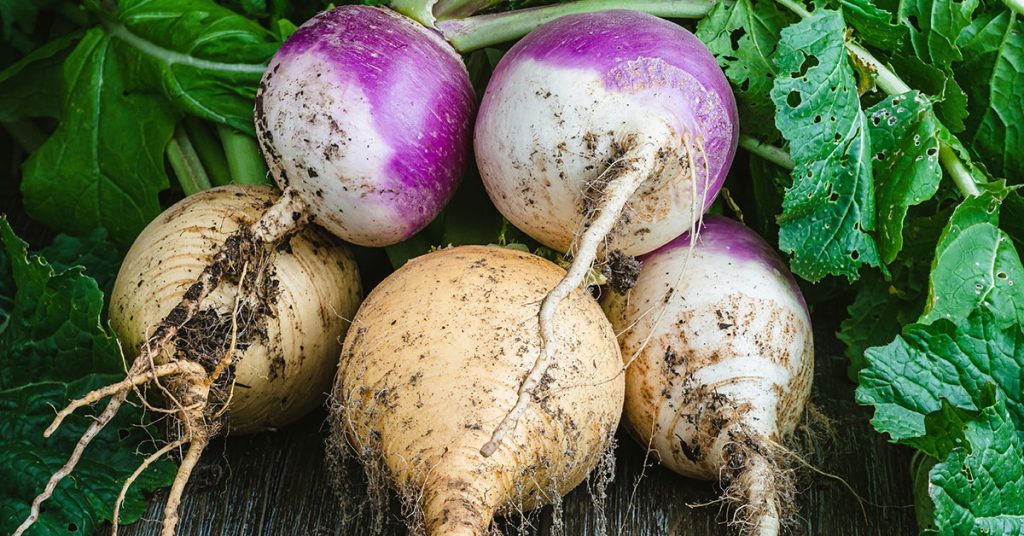
Turnips, native to the Mediterranean, are fast-growing root vegetables that also produce edible greens. Most varieties mature in about 40 to 50 days, and their flavor actually improves in cool weather. Planting in August allows them to grow quickly during warm days and then sweeten as nights get cooler.
They’re not invasive, though they can self-seed in mild climates. Turnip flowers, when allowed to bloom, are beloved by pollinators. Whether you grow them for roots, greens, or both, they make a versatile addition to your late-season garden.
Bok Choy
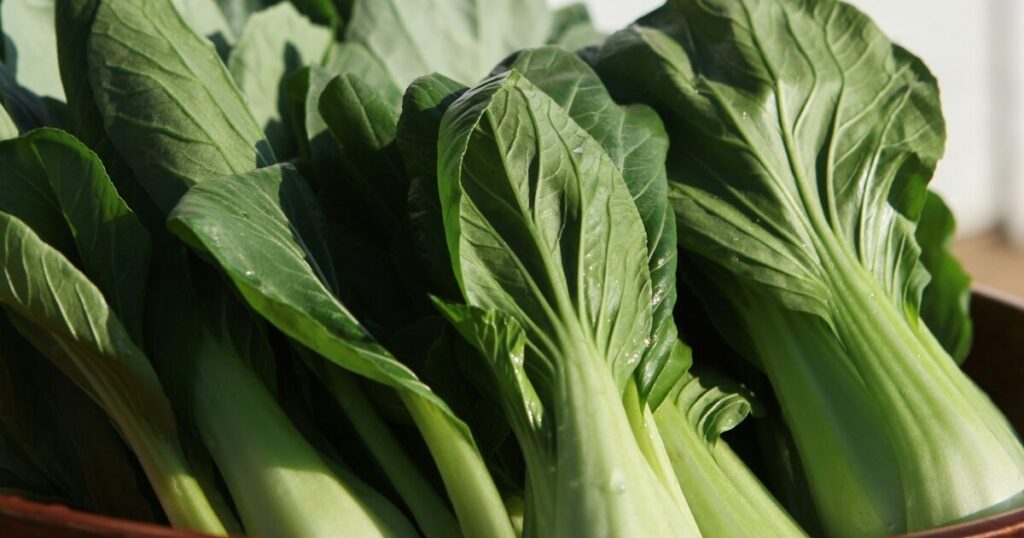
Bok choy, a type of Chinese cabbage native to East Asia, is a quick-maturing crop that can be ready in as little as 30 days for baby leaves or 50 days for full heads. August planting works perfectly, as cooler fall temperatures keep it from bolting, and the crisp stems and tender leaves are excellent for stir-fries or soups.
It’s not invasive, but it may self-seed if allowed to bloom. Its yellow flowers are attractive to bees and other pollinators. In a fall garden, bok choy’s upright growth habit makes it easy to fit into small spaces alongside slower-maturing crops.
Cilantro
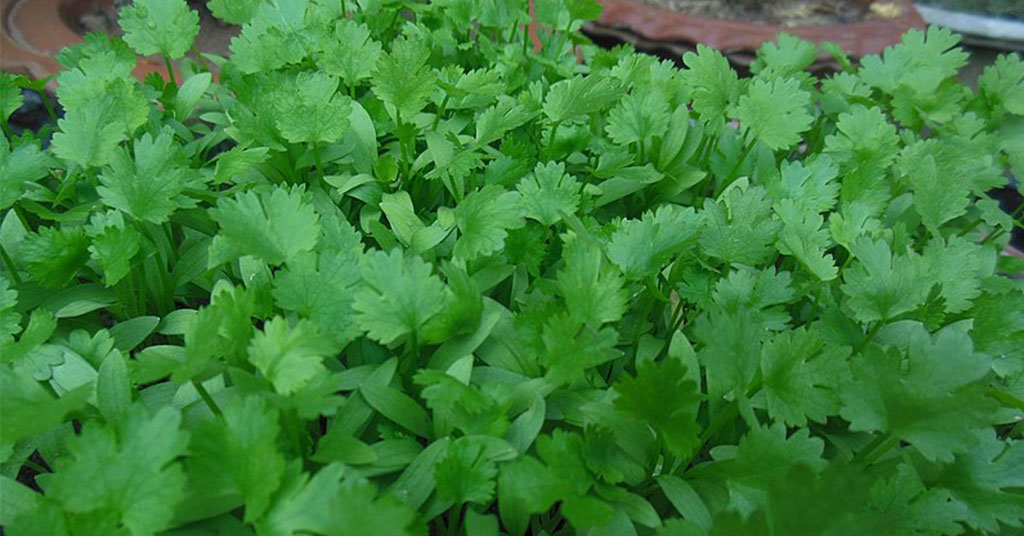
Cilantro, native to the Mediterranean and Middle East, bolts quickly in hot weather, but planting in August means it can grow into cooler days without rushing to seed. The leaves are ready to harvest in about three to four weeks, and you can keep snipping them until frost.
It’s not invasive, but cilantro will reseed readily if left to flower. Its umbrella-shaped blooms are excellent for attracting beneficial insects like hoverflies and parasitic wasps. If you let a few plants go to seed, you’ll also get coriander for your spice rack.
Green Onions
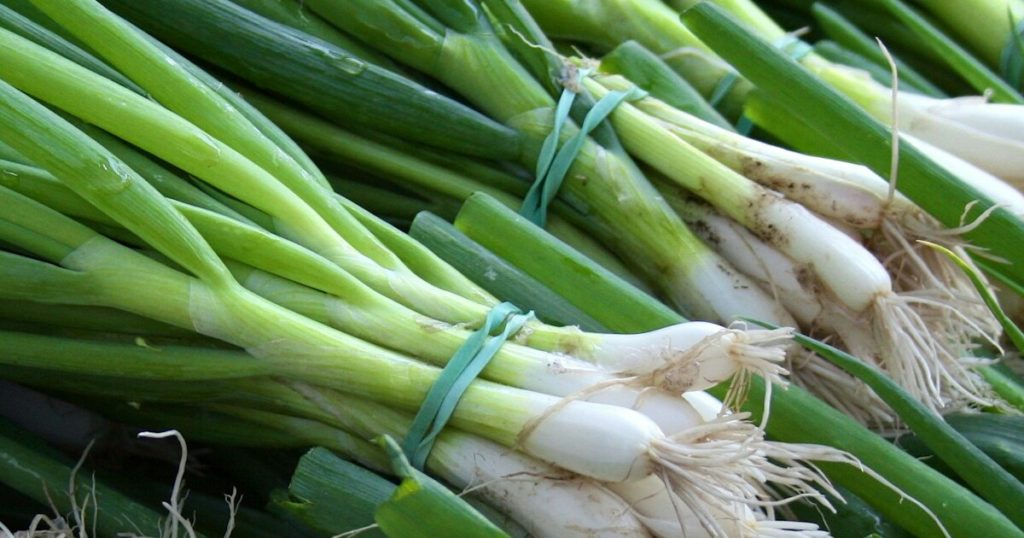
Green onions, also called scallions, have been grown for centuries in many parts of the world, including Central Asia. They can be harvested as soon as they reach pencil thickness, often in just 30 days from seed. In August, they grow quickly in warm soil and can handle the cooler nights of fall with ease.
They’re not invasive, though they will regrow from bulbs if left in the ground. Green onion flowers are globe-shaped and highly attractive to bees, so leaving a few to bloom can benefit your whole garden.
Mustard Greens
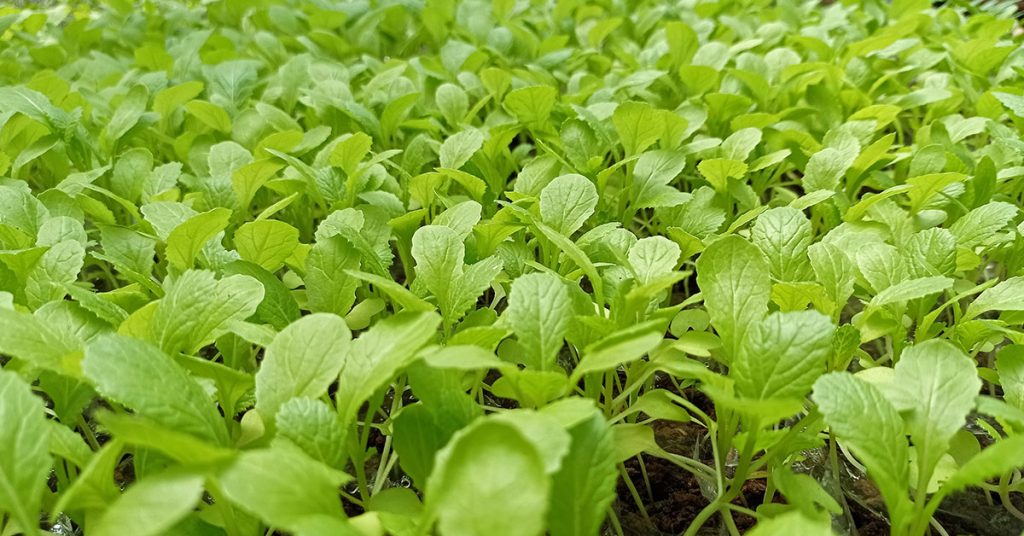
Mustard greens, native to Asia, are among the fastest leafy crops you can grow in late summer, maturing in about 30 days for young leaves. They thrive in cooler weather, and their spicy flavor becomes milder as temperatures drop.
They’re not invasive in most regions, though they can reseed if allowed to flower. Those blooms are bright yellow and irresistible to pollinators. Planting them in August often means fewer pest problems and a fresh supply of greens right before frost.
Kohlrabi

Kohlrabi, a member of the brassica family native to Europe, matures quickly—often within 45 to 60 days—making it perfect for August sowing. The swollen stem has a crisp, sweet flavor, and the leaves are edible as well.
It’s not invasive, but it will reseed if allowed to flower. Kohlrabi blossoms are a valuable food source for bees and other pollinators. As a cool-season crop, it thrives in the shortening days of fall and develops excellent flavor in the chill.
Endive
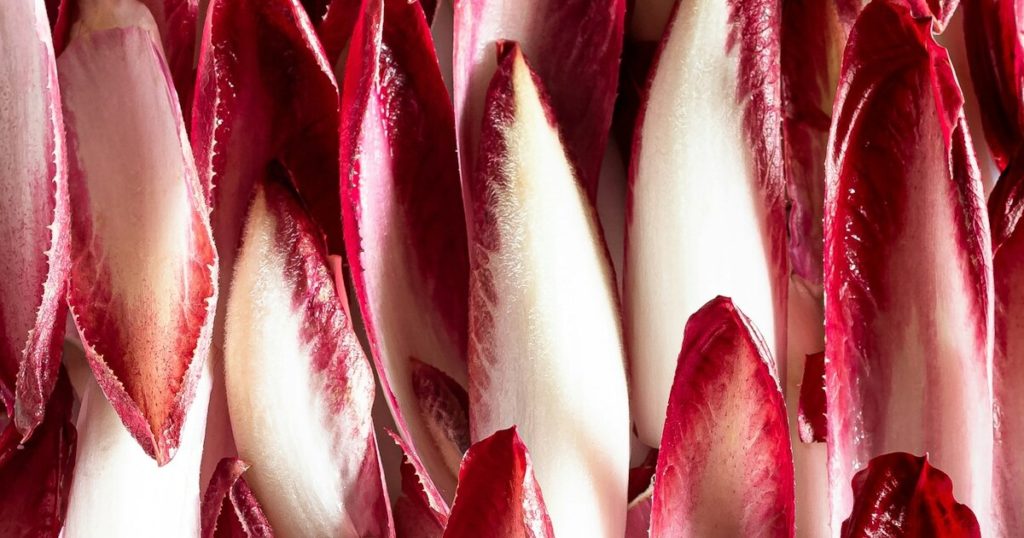
Endive, a leafy green native to the Mediterranean, can be ready in as little as 45 days when planted in August. It tolerates heat better than lettuce but really shines in cooler weather, producing crisp, slightly bitter leaves perfect for salads.
It’s not invasive, though it can reseed in mild climates. Its flowers, if allowed to appear, will bring in pollinators late in the season. Endive is a great choice for gardeners who like greens with a little more complexity in flavor.