
There’s something about flowers that speaks directly to the heart, especially during times of healing. Whether you’re recovering from an illness, supporting someone through a difficult time, or just trying to bring a little more comfort into your own space, flowers with symbolic meanings of restoration can feel like a warm hug from nature. They carry centuries of cultural and botanical significance, offering encouragement, resilience, and a reminder that even after the harshest seasons, new growth always follows.
I’ve always believed gardens are more than just pretty spaces—they’re places where emotions take root. Many flowers have stories tied to renewal, health, and recovery, and planting them can create a living tribute to strength. Beyond their symbolism, these blooms often attract pollinators, provide shelter for wildlife, and add incredible color to your garden. Let’s explore some of the most beautiful flowers that carry the message of healing and recovery, each with its own unique charm and history.
Echinacea

Echinacea, also known as coneflower, has been celebrated for centuries as a natural healer, both symbolically and medicinally. Native to North America, it’s not considered invasive but can naturalize in suitable habitats. Its daisy-like blooms, usually in shades of pink or purple, are long-lasting and attract bees and butterflies well into late summer.
Aside from its symbolic meaning, echinacea is also a powerhouse in herbal medicine, traditionally used to boost immunity. In the garden, it’s low-maintenance, drought-tolerant, and perfect for pollinator-friendly landscapes. The sturdy stems make excellent cut flowers, so you can bring that message of recovery indoors too.
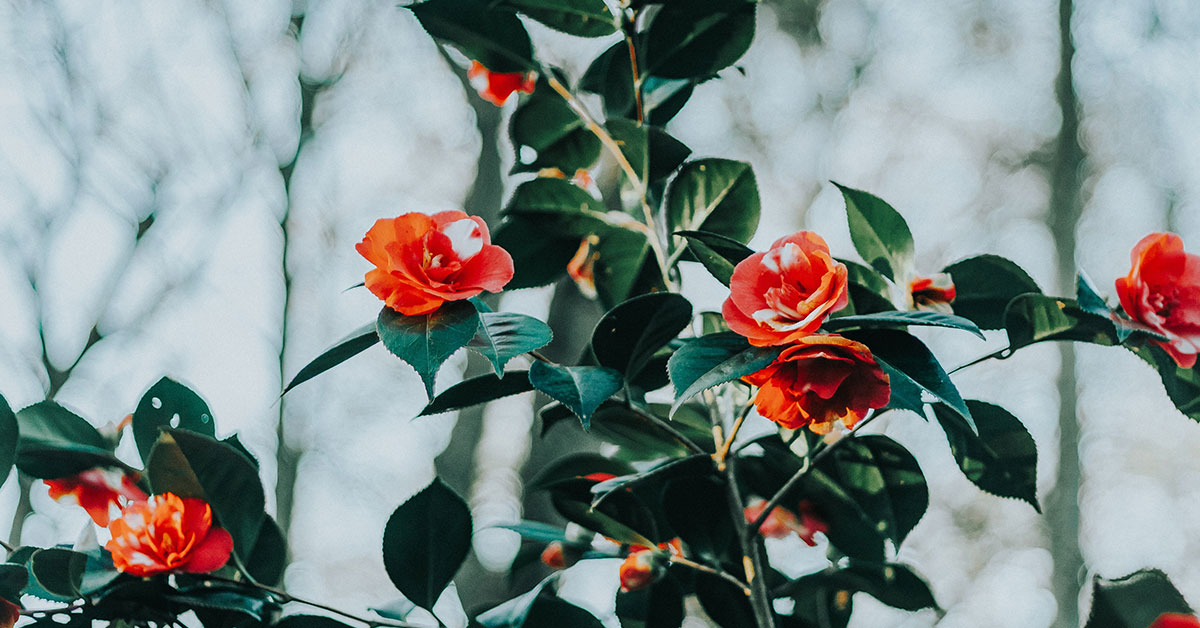
Camellia

Camellias, with their lush, rose-like blooms, symbolize deep admiration and the wish for someone’s well-being. Native to eastern and southern Asia, they aren’t invasive but do require specific conditions—slightly acidic soil and partial shade—to thrive. These evergreen shrubs add structure to the garden year-round, with flowers appearing in cooler months.
Their elegant form and long flowering season make camellias a cherished gift for someone recovering from illness. In bloom, they provide nectar for late-season pollinators, and their dense foliage offers shelter for small birds, adding life to the garden even when other plants are dormant.
Calendula

Calendula, also called pot marigold, is one of my favorite healing flowers because it’s both symbolic and practical. Native to southern Europe, it’s not invasive but will reseed generously if allowed. The bright orange and yellow blooms are cheerful reminders of vitality and renewal.
Calendula petals have been used for centuries in soothing salves and teas, often linked with skin healing. In the garden, they attract pollinators like bees and hoverflies, while also acting as a companion plant to deter pests from nearby vegetables. They’re easy to grow and bloom well into fall.
Jasmine

Jasmine carries a strong association with emotional and spiritual healing, thanks to its intoxicating fragrance and delicate blooms. Native to tropical and subtropical regions of Eurasia, Australasia, and Oceania, some species can be vigorous growers, so they need thoughtful placement to avoid becoming overwhelming.
In a garden, jasmine’s fragrance can lift the mood and create a sense of calm—perfect for spaces dedicated to rest and recovery. Its flowers are also highly attractive to moths and bees, making it a lovely addition to a pollinator-friendly environment.
Peony
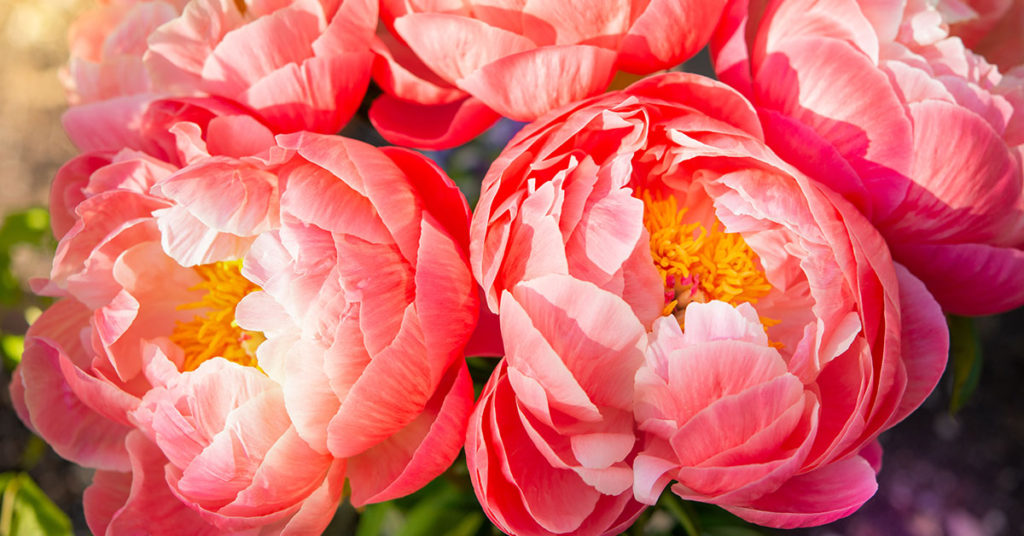
Peonies are lush, romantic flowers that symbolize prosperity, good health, and healing. Native to Asia, Europe, and Western North America, they’re not invasive but can live for decades once established. Their large, fragrant blooms make a striking statement in any garden.
These long-lived perennials require patience—often taking a couple of years to flower fully—but the reward is worth it. Peonies attract pollinators like ants (which help the buds open) and bees, and their lush foliage provides summer interest long after flowering ends.
Lavender

Lavender is practically synonymous with calm, renewal, and well-being. Native to the Mediterranean, it’s not invasive but thrives in sunny, well-drained spots. Its purple spikes and silver-green foliage bring both beauty and a soothing scent to the garden.
Lavender’s essential oils are used in aromatherapy to promote relaxation and stress relief. In the garden, it’s a pollinator magnet, drawing bees, butterflies, and even hummingbirds. Its drought tolerance makes it perfect for low-maintenance borders or container plantings.
Chrysanthemum
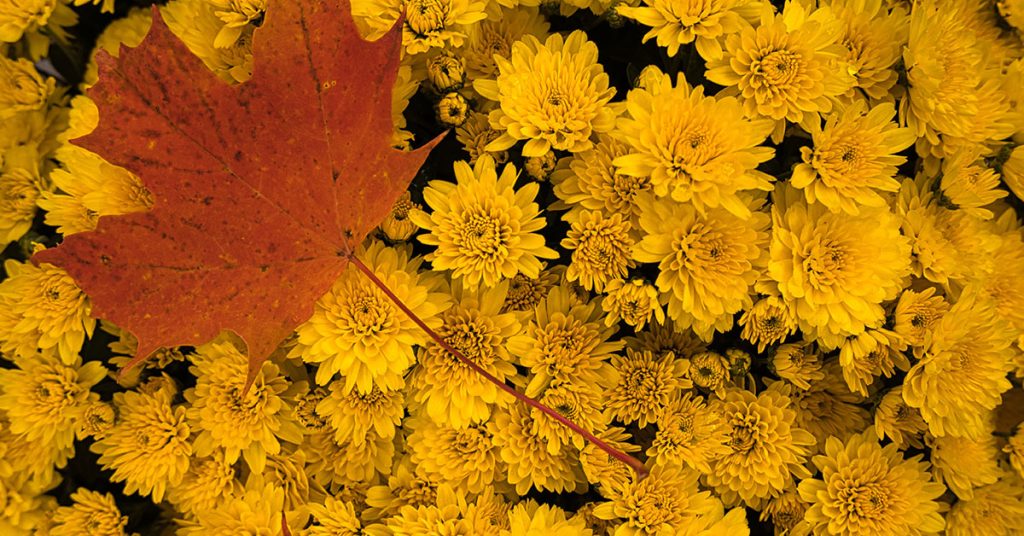
Chrysanthemums symbolize optimism and recovery, particularly in East Asian cultures where they’re revered for longevity. Native to Asia and northeastern Europe, they aren’t invasive but can spread slightly if left unchecked. They offer a burst of color when many other flowers are fading.
These hardy blooms are also excellent for supporting late-season pollinators, providing much-needed nectar before winter sets in. Their variety in shape and color means they can fit into almost any garden design, from traditional borders to modern landscapes.
Daisy
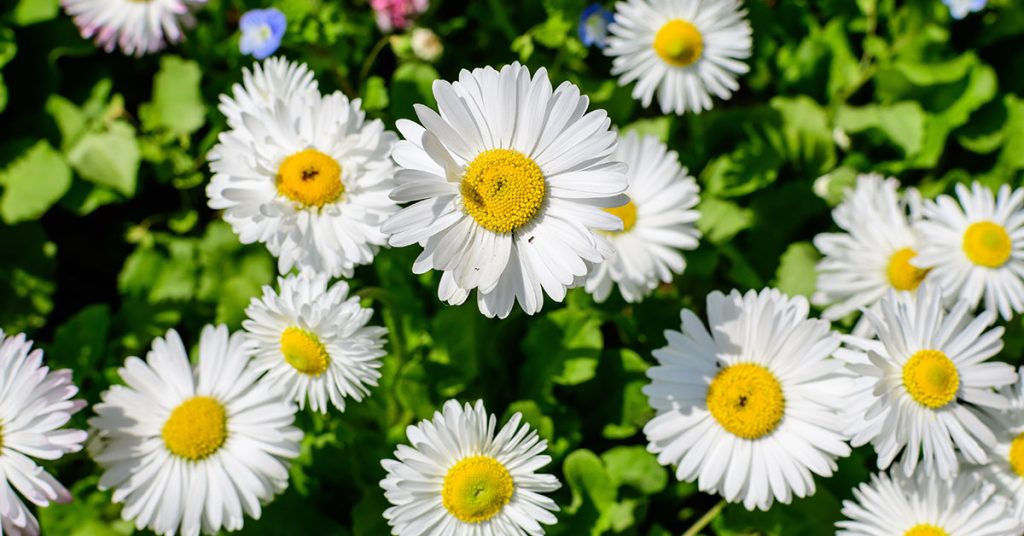
The simplicity of the daisy makes it a universal symbol of purity, new beginnings, and healing. Native to Europe and temperate regions of Asia, daisies can self-seed freely and may naturalize in some areas, though they’re not typically aggressive.
Their cheerful white petals with yellow centers brighten gardens and meadows alike. Daisies attract a range of pollinators, from bees to small beetles, and their long flowering period ensures a steady source of nectar throughout the growing season.
Sunflower
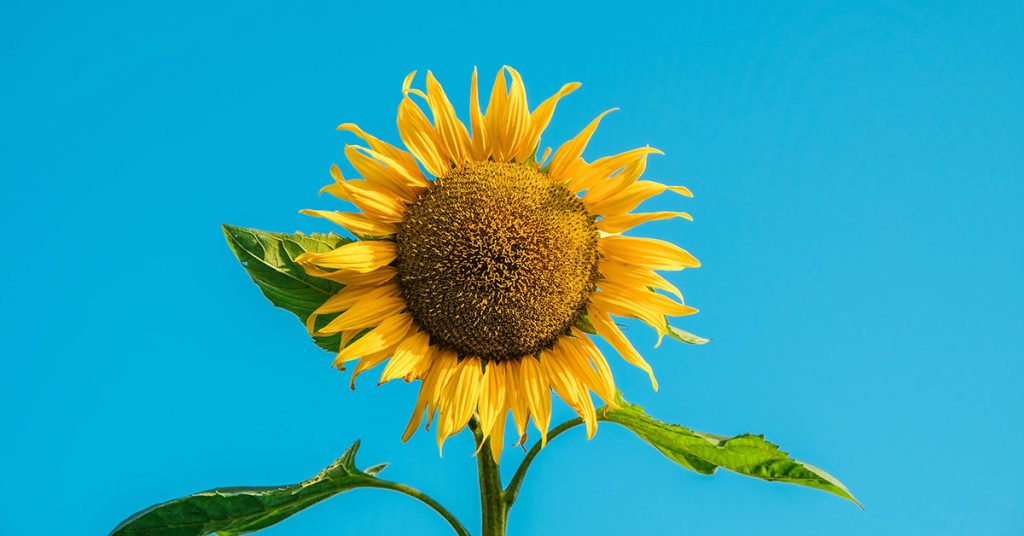
Sunflowers embody strength, resilience, and positivity—all key qualities for recovery. Native to North America, they aren’t invasive but can reseed if left to mature. Their tall stalks and large blooms create a striking focal point in gardens or fields.
Sunflowers provide food for pollinators during flowering and seeds for birds once the blooms fade. They’re also excellent for improving soil health, as their deep roots can help break up compacted ground. Their sunny faces have an undeniable mood-lifting effect!
Magnolia
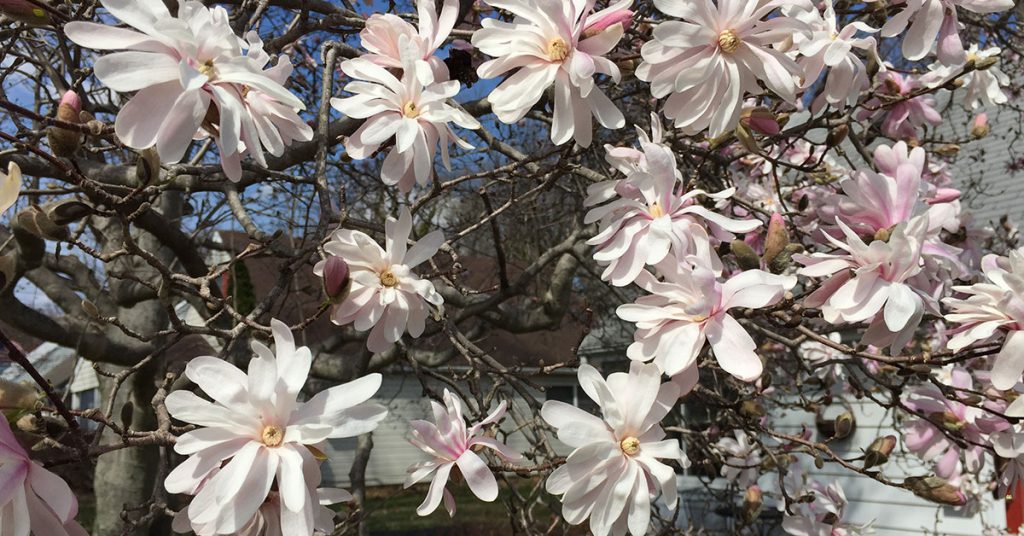
Magnolias symbolize dignity and perseverance, often given to those overcoming hardships. Native to Asia and the Americas, these trees and shrubs aren’t invasive but do require space to grow. Their large, fragrant flowers are breathtaking in spring.
Magnolias offer habitat for birds and insects, and their dense foliage can provide nesting sites for wildlife. In bloom, they’re a haven for early-season pollinators, making them valuable both symbolically and ecologically.
Hyacinth
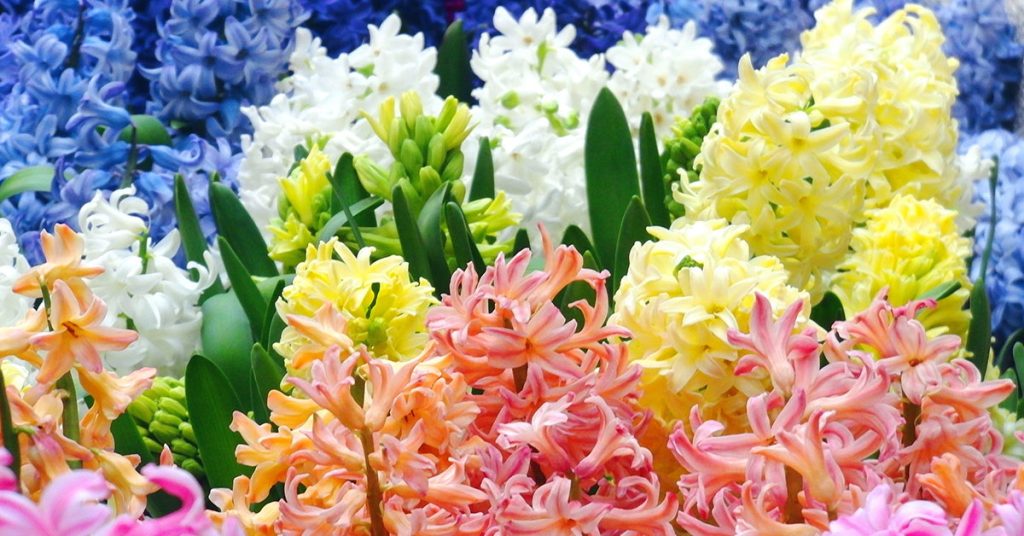
Hyacinths carry meanings of renewal and sincerity, making them a thoughtful choice for someone healing from illness or loss. Native to the eastern Mediterranean, they’re not invasive but can naturalize in favorable climates. Their dense spikes of fragrant blooms are a spring highlight.
These flowers are particularly attractive to early pollinators emerging after winter. Their strong scent can be uplifting, and planting them near entryways or paths allows you to enjoy their fragrance daily.
Rose

Roses have a long history of representing love, healing, and rebirth. Native to regions across Europe, Asia, and North America, some species can be vigorous spreaders, so choose cultivated varieties for controlled growth. Their diverse forms and colors make them endlessly adaptable.
Roses attract a wide range of pollinators, from bees to butterflies, and their hips provide food for birds in fall and winter. They require a bit of care, but their blooms are unmatched in beauty and symbolic depth.
Zinnia
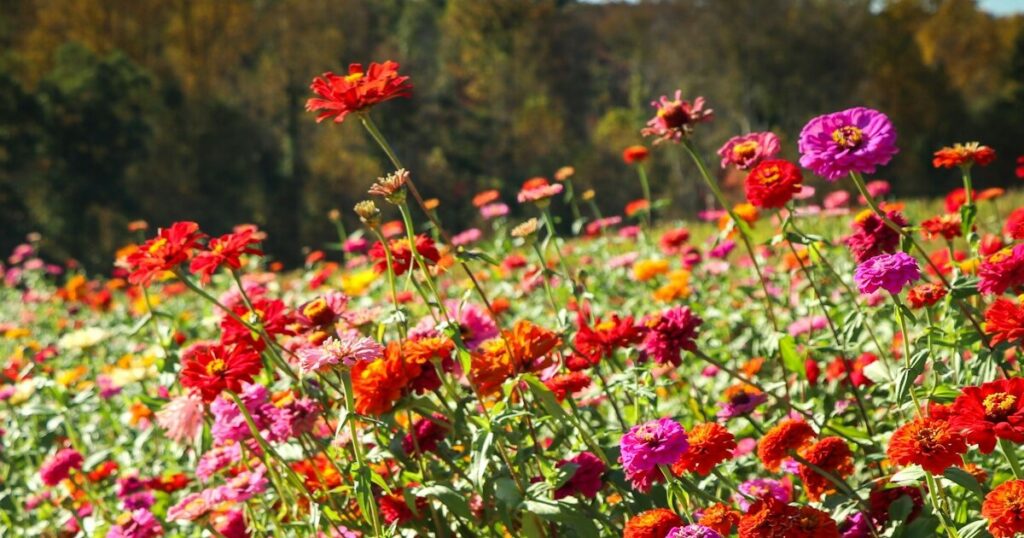
Zinnias symbolize endurance and lasting affection, qualities closely tied to healing journeys. Native to Mexico and the southwestern United States, they’re not invasive but will readily reseed. Their bright, daisy-like blooms come in a rainbow of colors.
Zinnias are among the best annuals for attracting butterflies, particularly monarchs. They also produce blooms over a long season, ensuring continuous color and pollinator activity in your garden.
Iris
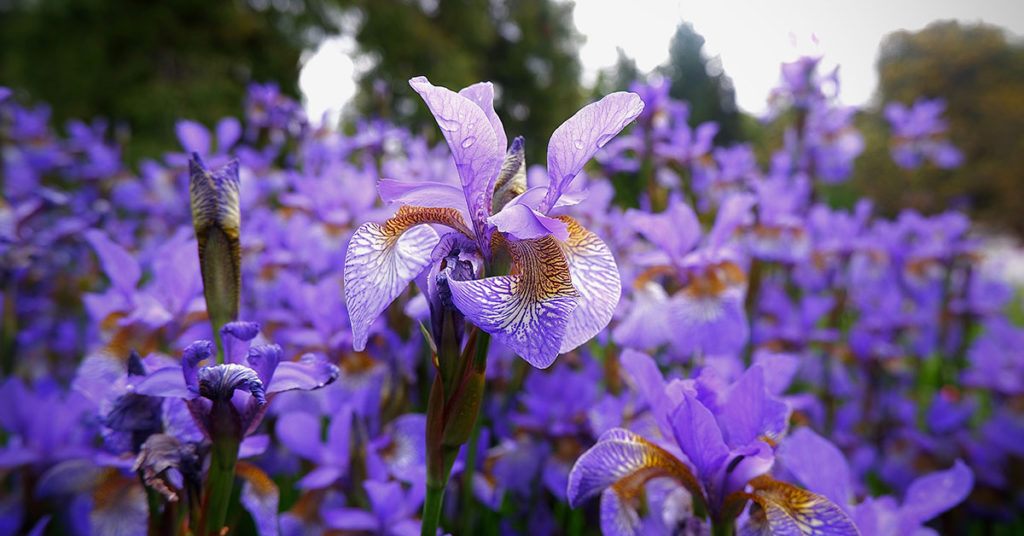
Irises represent hope, wisdom, and courage—fitting sentiments for anyone in recovery. Native to temperate regions of the Northern Hemisphere, they aren’t invasive but can spread through rhizomes if not divided periodically. Their intricate blooms are truly works of art.
In the garden, irises provide early-season nectar for bees and other pollinators. Their sword-like foliage adds structure and texture, making them valuable even when not in bloom.
Marigold
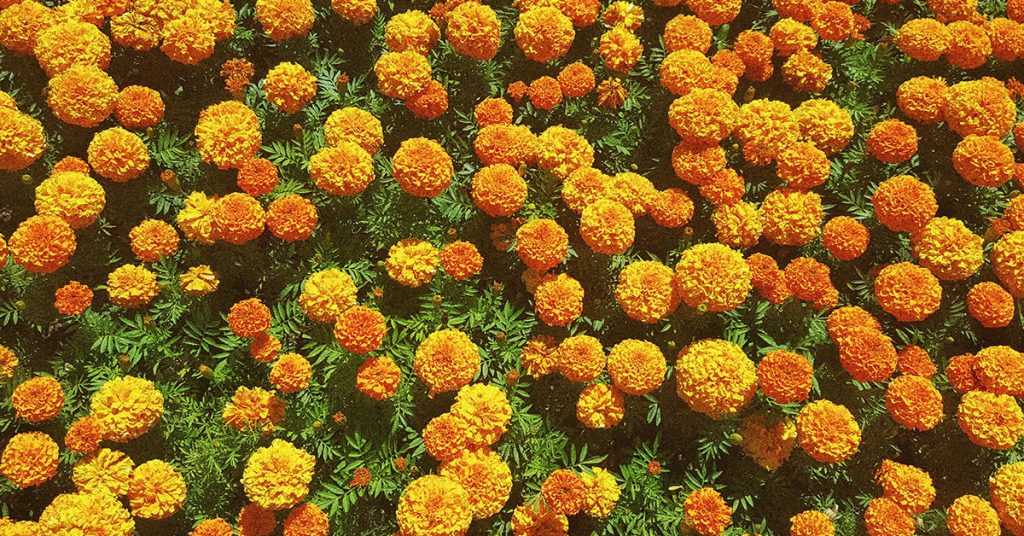
Marigolds, with their bright orange and yellow blooms, symbolize warmth, resilience, and recovery. Native to the Americas, they’re not invasive but self-seed easily in favorable conditions. Their strong scent is a natural pest deterrent.
Marigolds also attract pollinators and beneficial insects like ladybugs, which help control aphid populations. Their cheerful color makes them a favorite for both ornamental beds and vegetable gardens, where they pull double duty as beauty and protection.