
There’s something truly magical about planting vegetables in September. The air starts to cool, the harsh summer sun begins to mellow, and the soil still holds enough warmth to kickstart germination. For many gardeners, this is the secret season—when planting now means you can enjoy crisp, fresh produce just as the leaves begin to turn. You’re not just extending your harvest; you’re making the most of the time before the first frost, ensuring your garden keeps working for you well into the cooler months.
I know how frustrating it can be when summer crops fade and you’re left with empty beds that could still be producing. September planting fills that gap perfectly! Many of these vegetables thrive in cooler weather, offering better flavor and texture than they would in the heat. Plus, some even double as pollinator attractors or soil improvers, giving you more than just a tasty harvest. With the right choices, you can keep your garden vibrant, productive, and buzzing with life right up to winter’s doorstep.
Kale
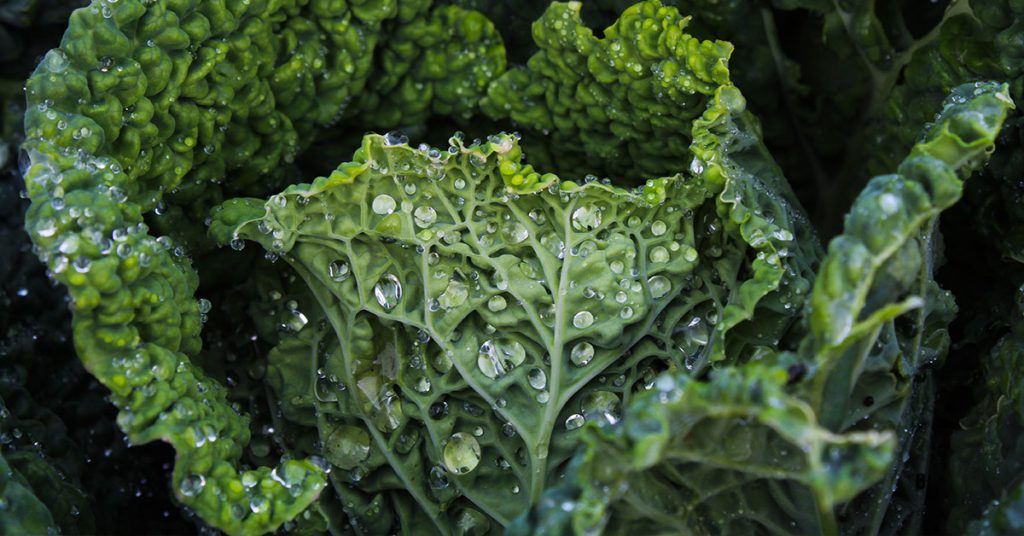
Kale is a champion of the cool-season garden, and planting it in September often results in leaves that are sweeter and more tender than summer-grown crops. Originating in the eastern Mediterranean and Asia Minor, kale isn’t invasive, but it can reseed if allowed to flower in spring. The key is to choose a variety suited to your frost dates—many will survive light freezes, meaning you can enjoy fresh greens well into winter.
Kale’s ruffled leaves provide shelter for beneficial insects like ladybugs, which help control aphids in nearby plants. While you might occasionally spot cabbage moth caterpillars, those same butterflies play a role in pollination across your garden. With regular harvesting of the outer leaves, kale plants keep producing, making them a true gift to the September gardener.
Spinach
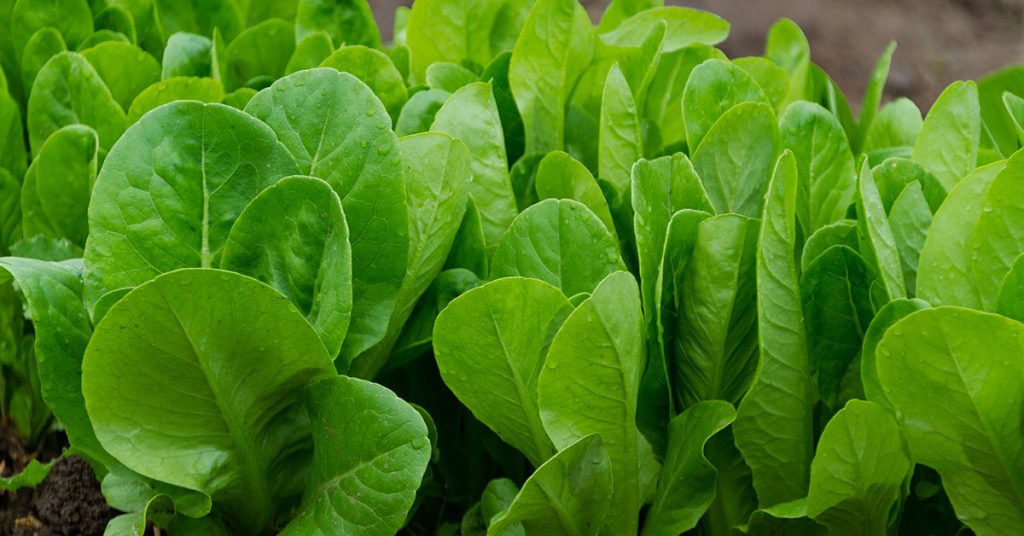
Spinach thrives in the shorter, cooler days of fall, and seeds sown in September can be ready to harvest in as little as 40 days. Native to Persia, spinach isn’t invasive but can self-seed if allowed to overwinter and bolt in spring. The crisp, sweet leaves taste best when grown in cool weather, making fall the ideal season for it.
Its low-growing habit shades the soil, conserving moisture and suppressing weeds. While spinach flowers are small and inconspicuous, they can still attract tiny pollinators if you let some plants bloom. A patch of spinach can also serve as living mulch around taller fall crops, keeping soil temperatures steady during fluctuating autumn weather.
Carrots

Carrots planted in September often mature in the cooler months, developing a sweetness that summer carrots can’t match. These root vegetables hail from Persia and are not invasive, though they can reseed if allowed to flower in their second year. Choose a quick-maturing variety to ensure your harvest before hard freezes set in.
Carrots, when left to bloom, produce delicate white umbels that draw in beneficial insects like hoverflies and lacewings. These insects are natural pest controllers, feeding on aphids and other soft-bodied pests. Even without flowers, carrots help improve soil texture, breaking up compacted ground and preparing beds for future planting.
Radishes

Radishes are one of the quickest vegetables to grow, with many varieties ready in just three to four weeks from a September sowing. Native to Southeast Asia, they aren’t invasive but can self-seed if left to bolt. Their sharp, peppery bite is often milder in cool weather, making them a perfect fall crop.
When allowed to flower, radishes produce blooms that pollinators flock to—especially late in the season when nectar sources are scarce. They also make great trap crops, luring flea beetles away from more delicate vegetables like arugula or mustard greens. This makes them a useful and tasty addition to your autumn beds.
Lettuce
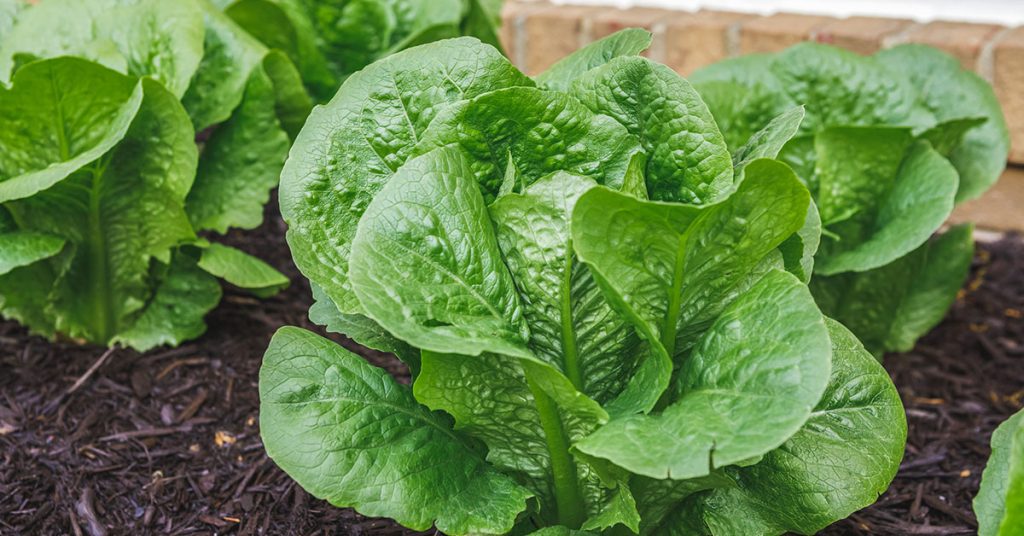
Cooler weather in September is ideal for lettuce, which tends to bolt in summer heat. Originating in the Mediterranean, lettuce is not invasive but can reseed easily if you let it flower. By planting now, you can harvest tender, flavorful leaves in just a few weeks, and succession planting ensures a steady supply.
Lettuce flowers, while not showy, are loved by bees and other small pollinators. In the garden, its shallow roots help prevent soil erosion, and the dense planting can act as a living mulch, protecting the soil surface from temperature swings. With so many varieties available, you can fill your fall garden with a rainbow of leaf shapes and colors.
Beets
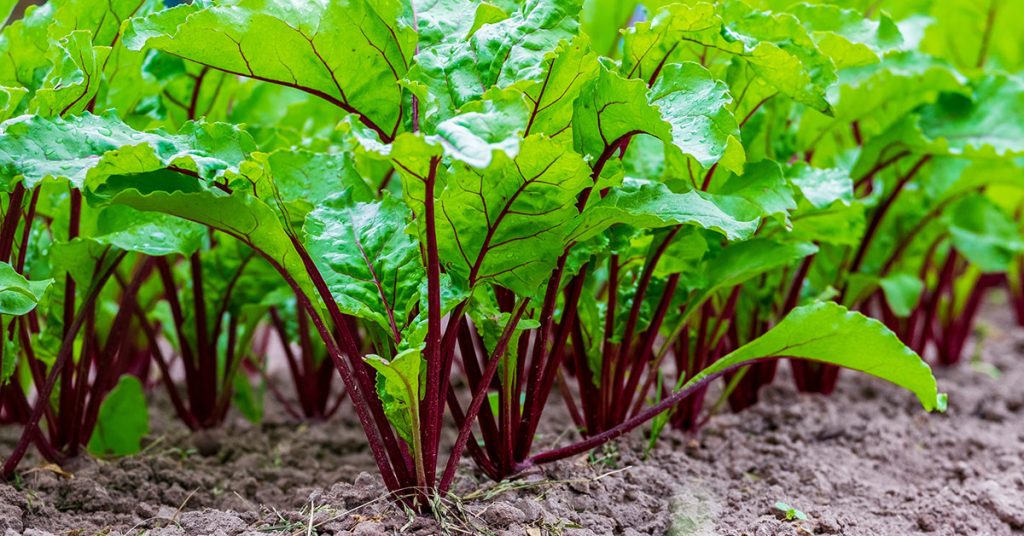
Beets are a dual-purpose crop in fall, offering both tender greens and sweet, earthy roots. Native to the Mediterranean coast, they aren’t invasive but will self-seed if left unchecked in mild climates. Planting in September means cooler weather will help the roots develop a more concentrated sweetness.
If allowed to flower in a second year, beets attract pollinators with their tall seed stalks. The leafy tops provide shade for the soil and can help suppress weeds, while the roots themselves work to loosen compacted ground. For a continuous supply, you can sow small batches every couple of weeks into early fall.
Arugula
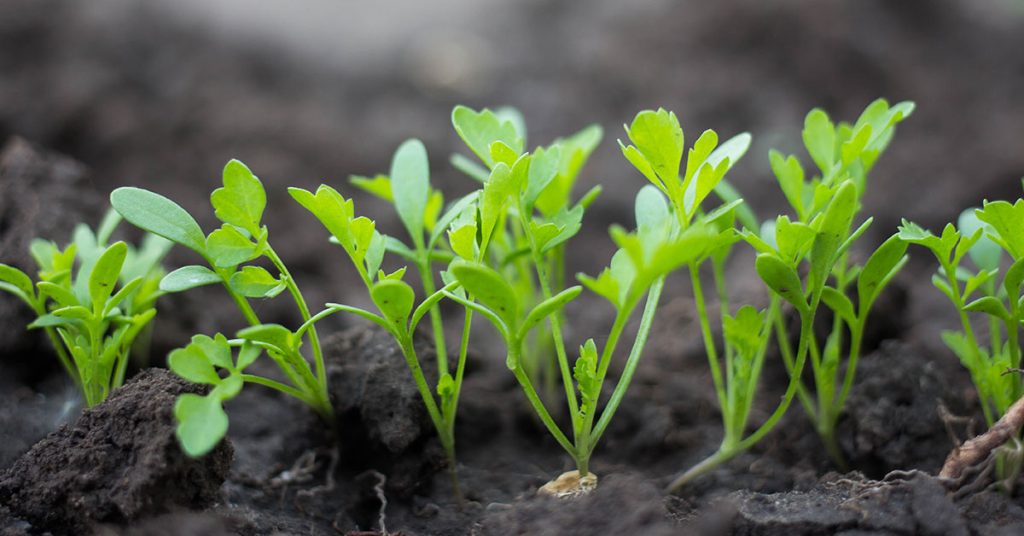
Arugula is one of my go-to September greens because it loves cool weather and grows fast, often ready to harvest in just 30 days. Originating from the Mediterranean region, it isn’t invasive but can reseed if not harvested regularly. Its peppery leaves add a punch to salads, pizzas, and sandwiches.
When it flowers, arugula produces delicate white blooms that bees adore, adding biodiversity to your fall garden. It also works well as an understory crop, filling in gaps beneath taller vegetables like broccoli or Brussels sprouts. Its rapid growth makes it perfect for succession planting right up to your frost date.
Turnips
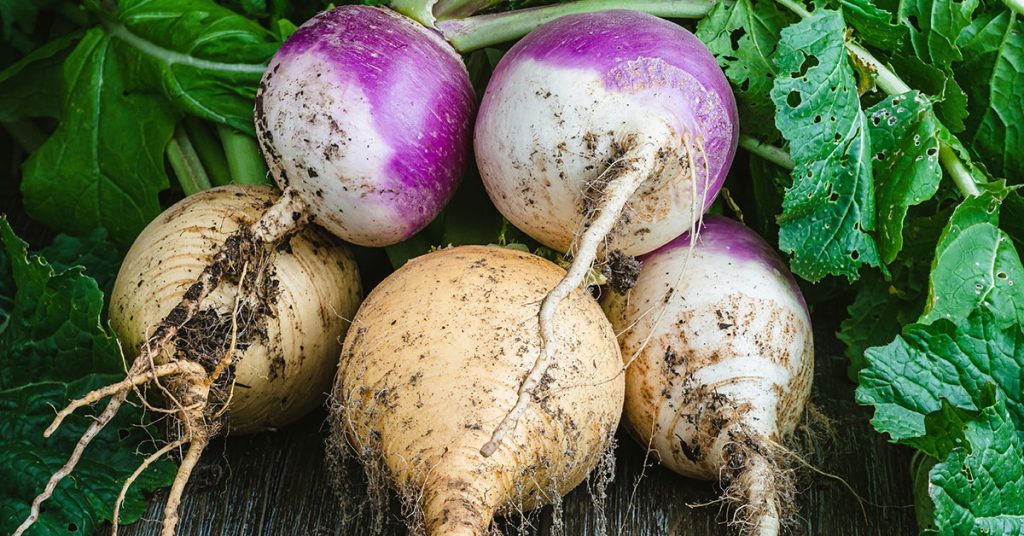
Turnips are a fall classic, maturing quickly in the cooler temperatures of September and October. Native to Europe and Asia, they aren’t invasive but will reseed readily if allowed to flower. Younger roots are mild and tender, while older ones develop more complex, earthy flavors.
Their leafy tops attract pollinators when in bloom and add organic matter to your soil when chopped and turned under. Turnips can also act as a cover crop, protecting bare ground and improving soil structure for the next growing season. This makes them a valuable addition to any fall planting plan.
Green Onions
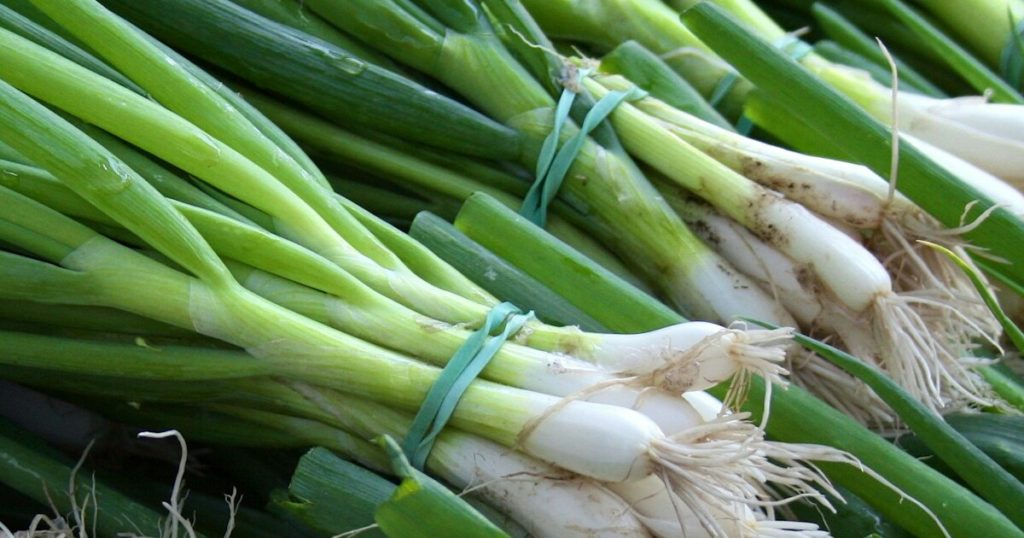
Green onions, or scallions, are perfect for September planting because they tolerate cooler conditions and can be harvested at various stages. Native to Asia, they aren’t invasive but can self-seed if you allow them to mature. They bring a mild, fresh onion flavor that’s perfect for soups, salads, and stir-fries.
Their flowers are striking globe-shaped blooms that draw in a variety of pollinators, especially bees. Green onions’ slender growth habit allows them to fit easily into tight garden spaces or even between other crops, making them incredibly versatile in a fall planting schedule.
Swiss Chard
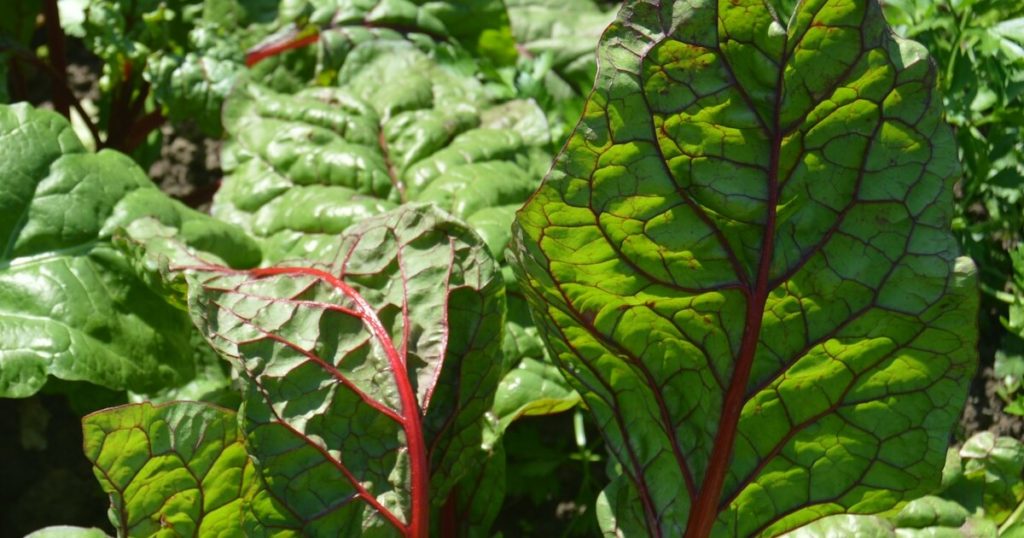
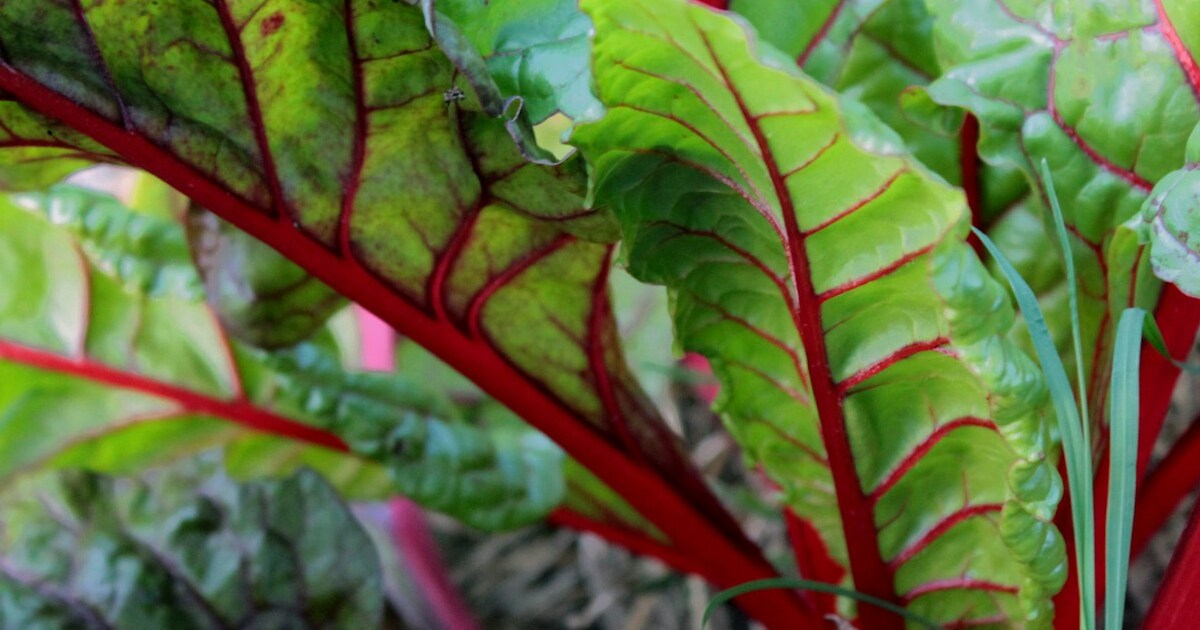
Swiss chard is a hardy green that thrives in cooler weather, making it perfect for September planting. Originating from the Mediterranean, it’s not invasive but can reseed in favorable conditions. The colorful stems and large leaves add both beauty and productivity to your garden.
Chard’s broad leaves shade the soil, conserving moisture and suppressing weeds. When it bolts, the flowers attract a range of beneficial insects, helping to keep pest populations under control. With regular harvesting, Swiss chard will produce right up until a hard frost, and in milder climates, it can even overwinter.