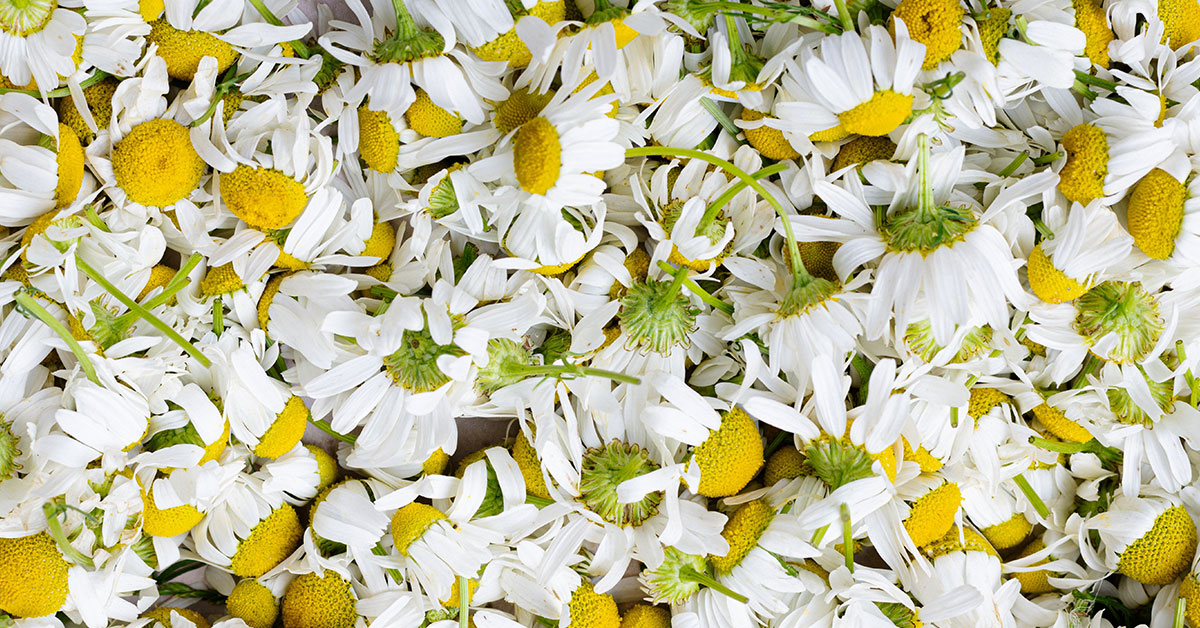

As summer begins to lean into its final stretch, your flowering herbs may be putting on a last show of blooms. It’s tempting to leave them alone, but late August is actually one of the best times to grab your pruners and start deadheading. By removing spent flowers now, you’re not only tidying up your plants, but you’re also setting them up for better flavor, longer life, and in many cases, more blooms before frost hits. I can’t tell you how many times I’ve seen gardeners regret skipping this step, only to have their herbs go woody, leggy, or lose that delicious punch of taste we love them for.
If you’ve been watching bees and butterflies flock to your herb bed all summer, you might feel guilty about cutting away flowers. Don’t worry—you’ll still have plenty of blooms for pollinators, especially if you stagger your deadheading and leave a few untouched. This late-season trim has so many benefits that go beyond just appearances. Whether your herbs are annuals preparing for their grand finale or perennials that will return next year, giving them a little grooming now helps them focus on the growth you really want. And trust me, once you see how much stronger and healthier your plants look after, you’ll be glad you didn’t wait until frost.
Encourages More Leaf Production
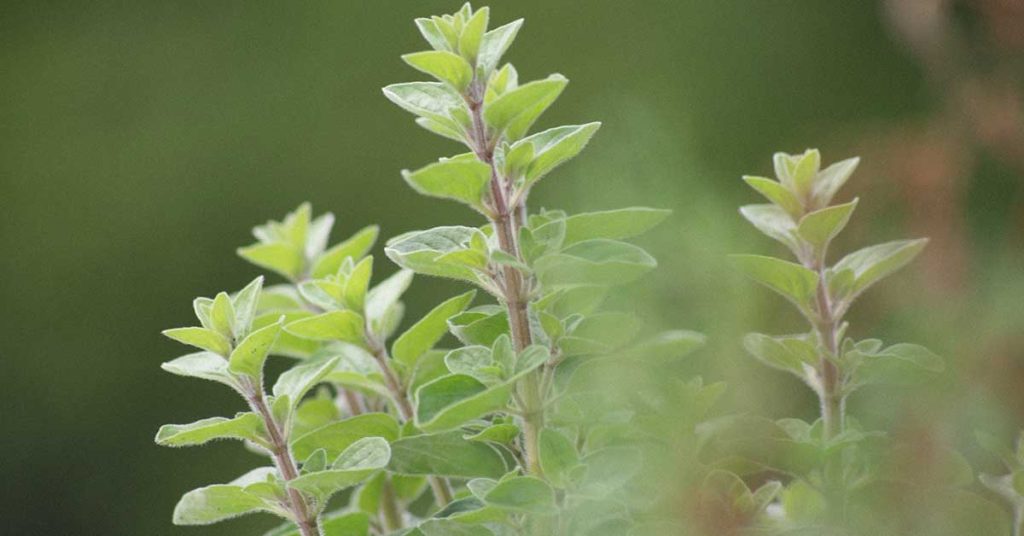
For leafy herbs like basil, mint, and oregano—native to regions spanning the Mediterranean to tropical Asia—deadheading at the tail end of summer tells the plant to stop pouring energy into seeds and get back to producing leaves. These leaves are where all the culinary magic happens, so keeping the plant’s focus on foliage is key. Basil, for example, will start putting out bigger, more tender leaves again within days of cutting back flowers, and that rich, sweet aroma will intensify.
While many of these herbs aren’t invasive in cooler climates, some—like mint—can quickly spread underground in milder regions. Deadheading doesn’t directly stop this, but it can slow down self-seeding and keep plants from wandering as much. Plus, healthy, leafy herbs provide a lush, aromatic groundcover that can shade out weeds and give your garden a vibrant, well-kept look well into the fall.
Extends the Harvest Window
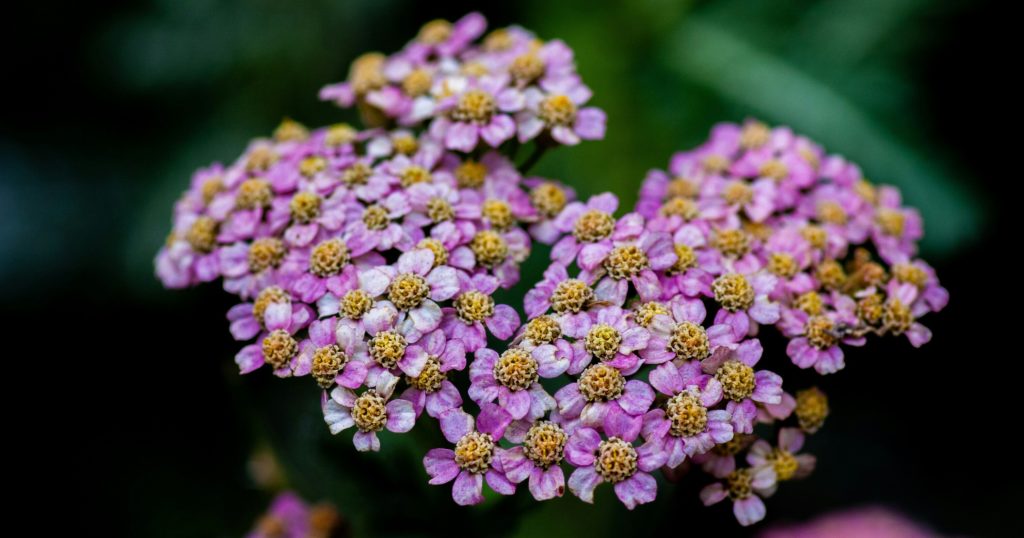
One of the biggest perks of late August deadheading is that it can push your harvest window right into the cooler weeks of September and even October. When flowering herbs go to seed, the leaves often lose flavor, become coarse, or yellow. By nipping flowers before seeds set, you reset the plant’s internal clock, encouraging it to stay in an active growing phase.
This trick works especially well for herbs like chives and cilantro, which can bolt quickly in warm weather. Chives—native to temperate regions of Europe and Asia—are perennial and will happily send up more tender shoots if kept trimmed. While cilantro has a shorter life span and can’t handle frost, a timely trim now can reward you with one more flush of fragrant foliage before autumn takes over.
Prevents Unwanted Self-Seeding
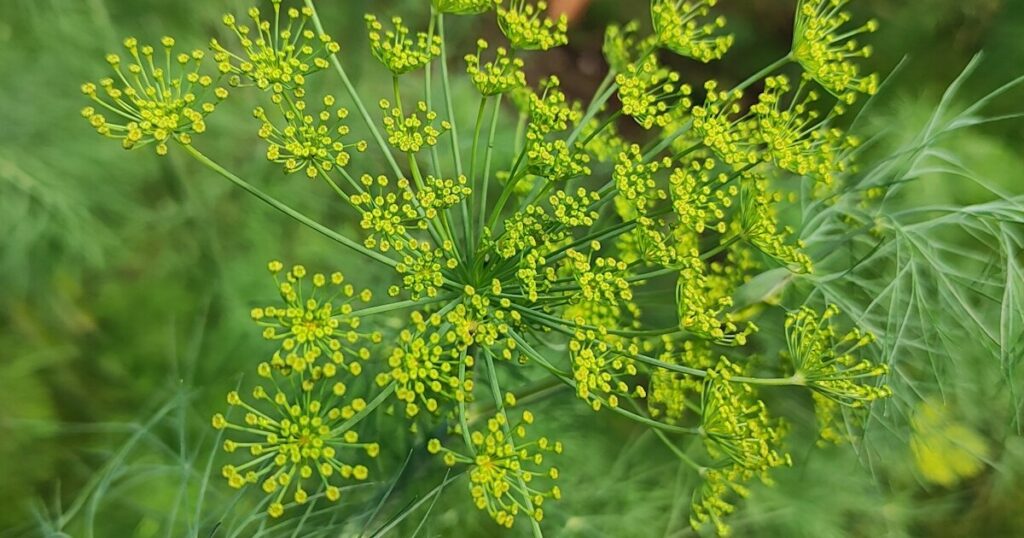
Many herbs, especially annuals, will scatter seeds far and wide if left to their own devices. While that might sound like free plants for next year, it can turn into a headache if seedlings pop up where you don’t want them. Plants like dill, fennel, and coriander—originally from Mediterranean and Asian regions—are notorious for naturalizing if seeds are allowed to drop.
Deadheading now means fewer volunteer plants sprouting in pathways, flower beds, or even lawn edges come spring. And in some areas, these prolific seeders can edge toward invasive behavior, especially if they outcompete native plants. A little late-summer pruning keeps your garden orderly and avoids an unintentional herb takeover.
Improves Airflow and Reduces Disease

When flowering stalks and seed heads linger, they can create dense clusters that trap moisture. This can invite fungal diseases like powdery mildew, which spreads more easily when nights start cooling and mornings get dewy. Deadheading herbs like oregano or thyme—both native to the Mediterranean—opens up their structure, allowing air to flow freely.
Better airflow means leaves dry faster after rain or morning dew, making it harder for fungal spores to take hold. This simple step in late August can help keep your plants healthier right up until frost, and for perennials, it gives them a cleaner start for next year’s growth.
Keeps Pollinators Coming Back
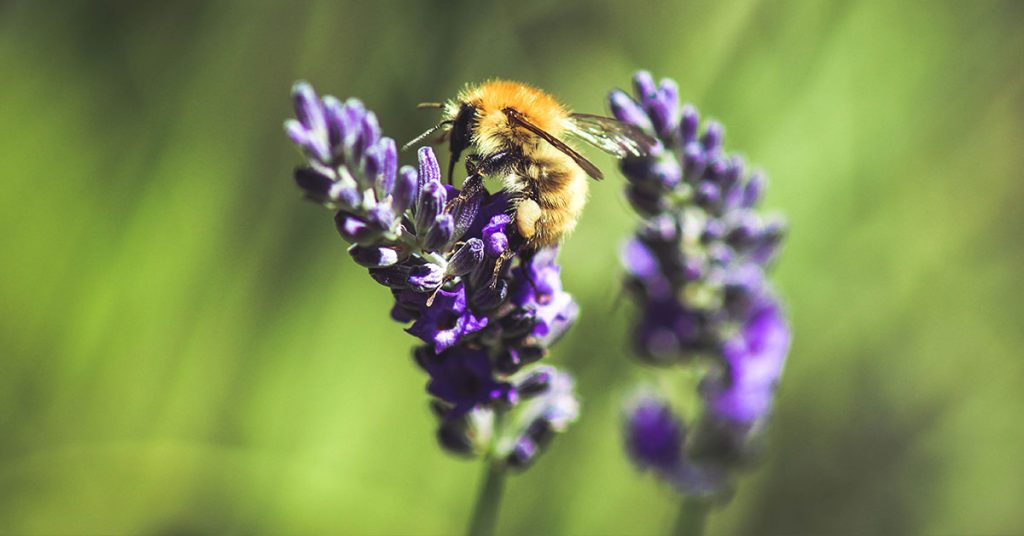
You might think deadheading means fewer pollinators, but it can actually help keep them visiting longer. By trimming older flowers, you encourage herbs to push out new blooms, which are often richer in nectar. Plants like lavender and basil can keep producing flowers into early fall with this method, providing a steady food source for bees, butterflies, and even hummingbirds.
Lavender, native to Mediterranean hillsides, is especially good at attracting a variety of pollinators. While it isn’t invasive in most regions, it can reseed modestly, and controlling spent blooms ensures a more deliberate spread. You’ll also enjoy a longer-lasting visual display, with fresh color replacing tired, browning flower heads.
Boosts Plant Vigor for Next Season
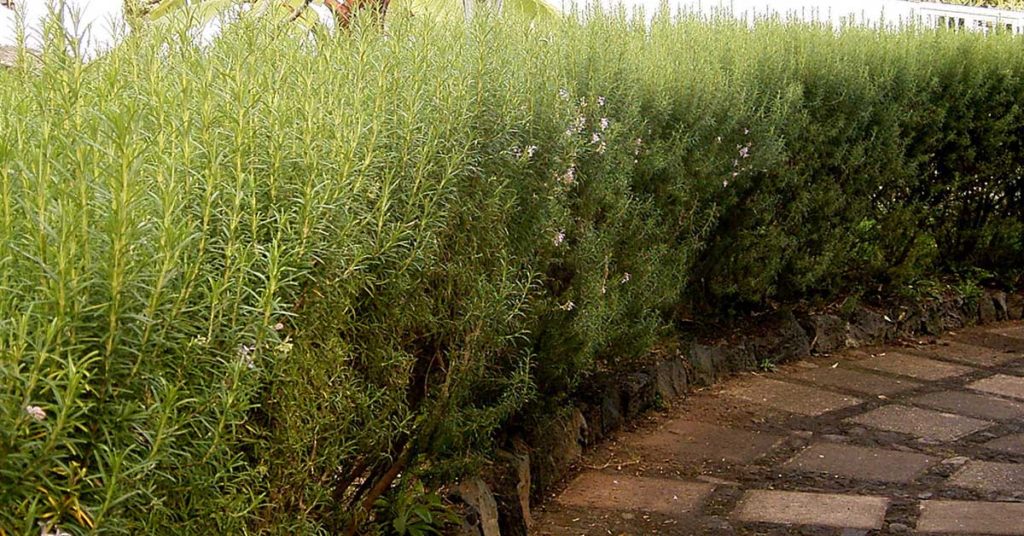
Perennial herbs like thyme, rosemary, and sage respond well to late-season deadheading because it channels energy into strengthening their root systems. In their native habitats—ranging from the rocky coasts of the Mediterranean to dry alpine slopes—these plants are adapted to survive tough seasons by conserving resources when seed production isn’t needed.
Cutting back flowering stems now gives them a head start on preparing for winter. It encourages new basal growth that will be ready to burst into life when spring returns, and in regions with mild winters, you might even see fresh green leaves well into the colder months.
Improves Appearance and Garden Tidiness

Spent flowers and seed heads can make herbs look straggly and tired, especially after a summer of strong growth. Deadheading instantly refreshes their appearance, making your garden look cared-for and vibrant. For herbs in containers or borders, this can make a big difference, especially if you’re entertaining outdoors in late summer.
This tidy-up also makes it easier to spot pests or signs of stress. For instance, aphids often congregate on flowering stems, so removing them not only helps the plant but also makes it easier to monitor and manage infestations before they spread.
Encourages Side Shoots and Bushier Growth
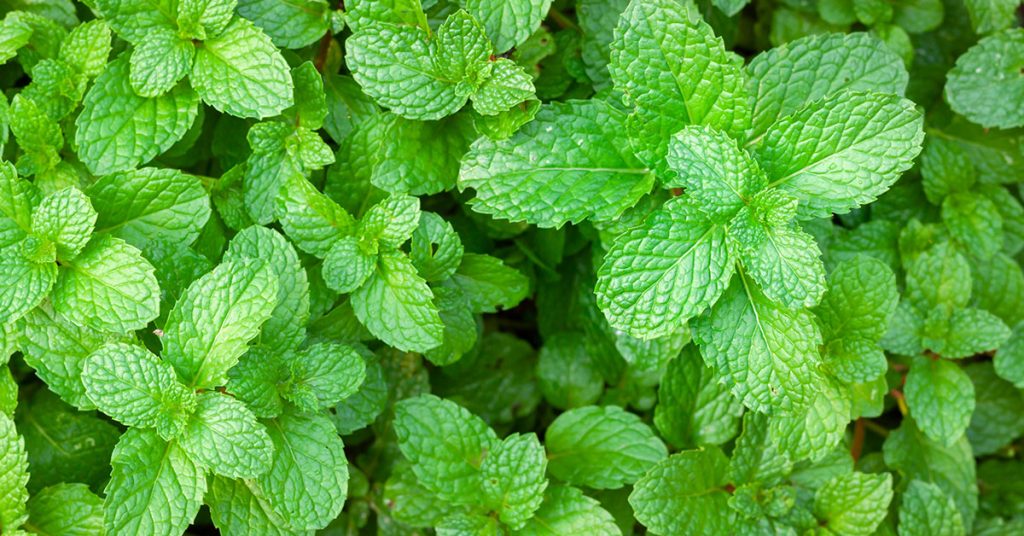
When you remove the main flowering stem, many herbs respond by sending out multiple side shoots. This branching effect means more foliage, more blooms later, and a fuller, more compact plant. Basil, mint, and oregano all respond this way, quickly turning into lush mounds rather than tall, leggy stalks.
This growth pattern is part of the plant’s natural survival instinct—it tries to maximize its chances of reproduction by producing more flowering sites. In your garden, that translates to more harvestable leaves and a more attractive shape that holds up well into autumn.
Reduces Pest Attraction
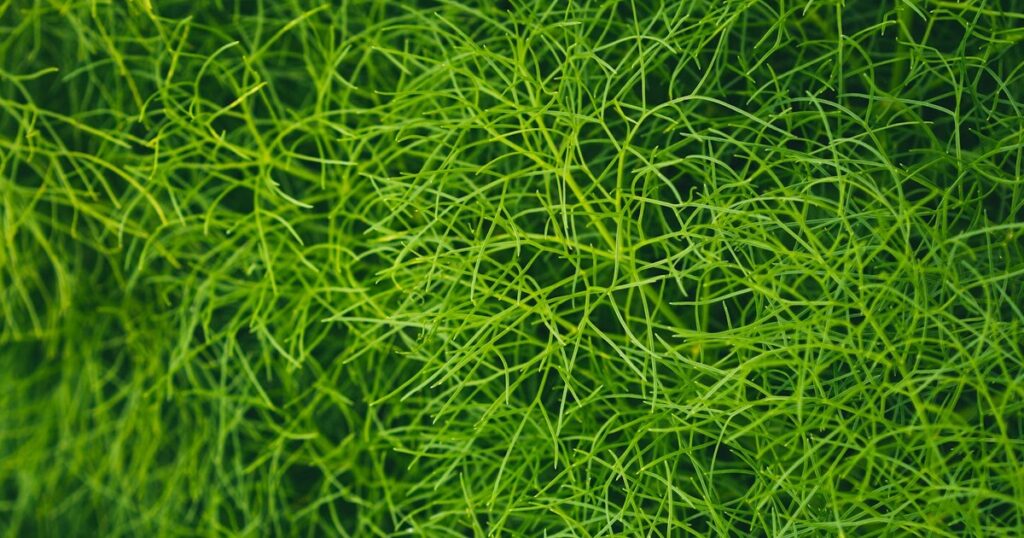
Some pests are drawn to ripening seeds and fading flowers. Seed weevils, thrips, and even certain caterpillars will happily make themselves at home in overripe flower heads. By deadheading herbs in late August, you remove these attractive spots before they become a problem.
This is especially helpful for fennel and dill, whose umbels can host tiny insects that later spread to nearby plants. These herbs, native to Eurasia, can still offer late-season blooms for beneficial insects if you leave a few flower heads, but trimming the majority keeps the pest load manageable.
Controls Height and Shape
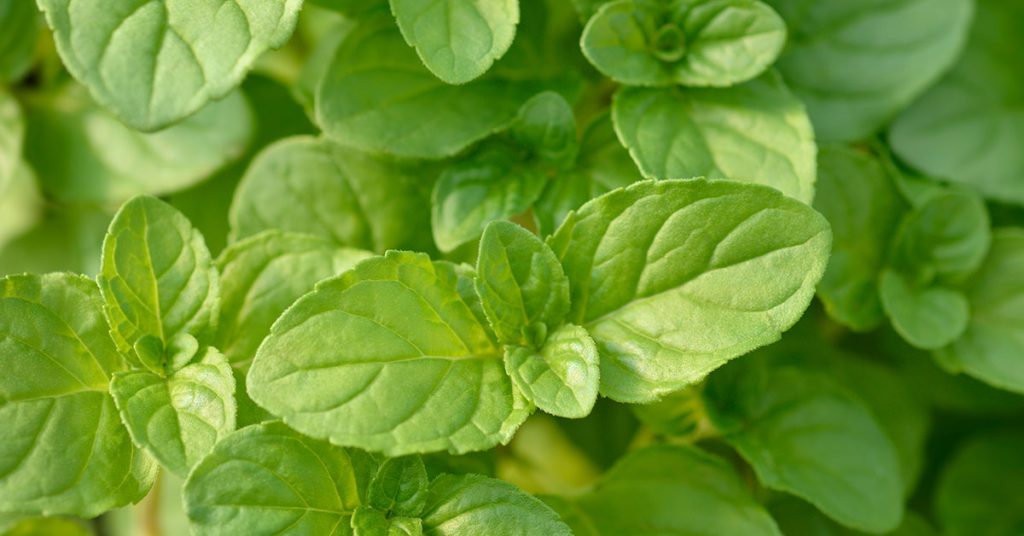
Some flowering herbs can shoot up quickly once they start blooming, becoming top-heavy or shading out neighboring plants. Deadheading helps keep their height in check, making them less likely to flop over or need staking. For example, basil and mint will often reach for the sky in late summer, but a quick trim brings them back into a balanced shape.
Keeping herbs at a manageable height also prevents them from competing too aggressively with surrounding plants for light. This is especially important in mixed beds where taller herbs could overshadow lower-growing crops or flowers you still want to thrive before frost.
Allows for Selective Seed Saving

Deadheading doesn’t have to mean removing every flower. Late August is a perfect time to decide which plants you’d like to collect seeds from and which ones you want to keep producing leaves. By trimming most blooms but leaving a few to mature, you can gather seeds for next year without sacrificing current growth.
This method works especially well for annual herbs like basil and dill, letting you choose the healthiest, most vigorous plants for seed saving. The rest can keep working on providing you with flavorful leaves and fresh blooms as the season winds down.