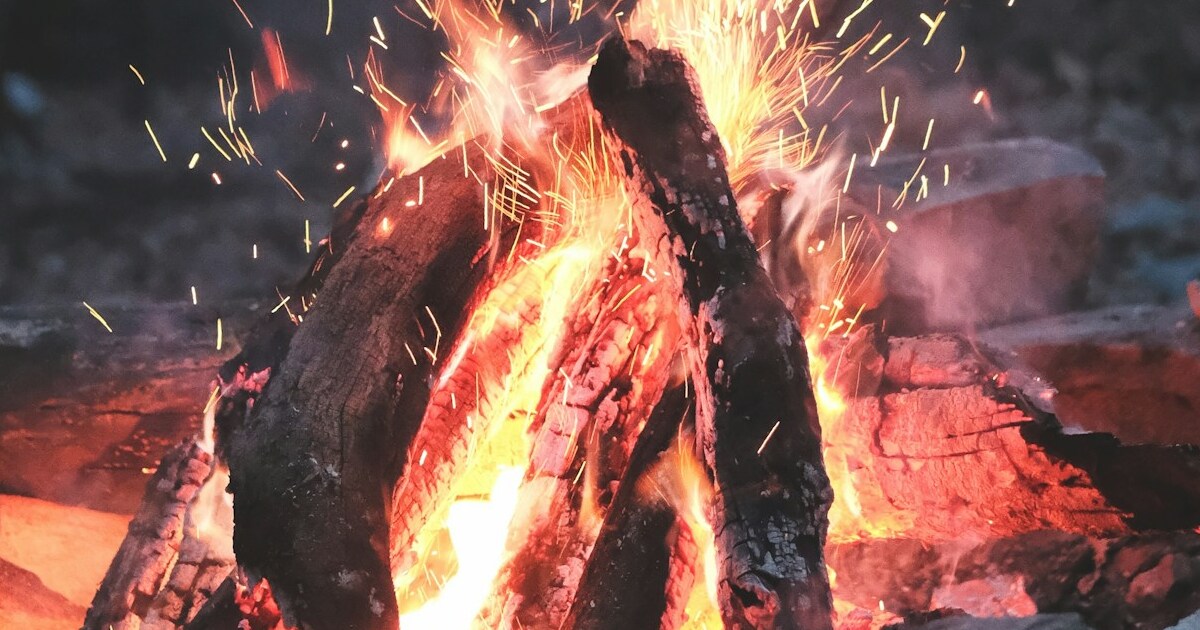

Wildfires can leave a landscape looking scorched and lifeless, and it’s easy to feel discouraged when your once-thriving garden or surrounding natural area is covered in ash. But nature has an incredible way of healing itself, and some plants are remarkably adapted to survive—sometimes even thrive—after fire. Whether it’s through deep root systems, tough underground storage organs, or seeds that actually germinate better after being exposed to heat, these plants prove that resilience is possible. As a gardener, I’ve always found it inspiring to see life return to a blackened hillside, sometimes even more vibrant than before.
If you’ve experienced wildfire damage near your home, you may be wondering which plants are worth keeping or replanting to restore greenery and habitat. Choosing species with strong post-fire recovery abilities not only speeds up the return of beauty but also helps stabilize soil, attract pollinators, and provide shelter for wildlife. Many of these plants are native to fire-prone regions and have evolved alongside periodic burns, so they’re naturally equipped to bounce back quickly. Let’s take a closer look at some standouts that can turn a burnt patch into a flourishing habitat again.
Eucalyptus
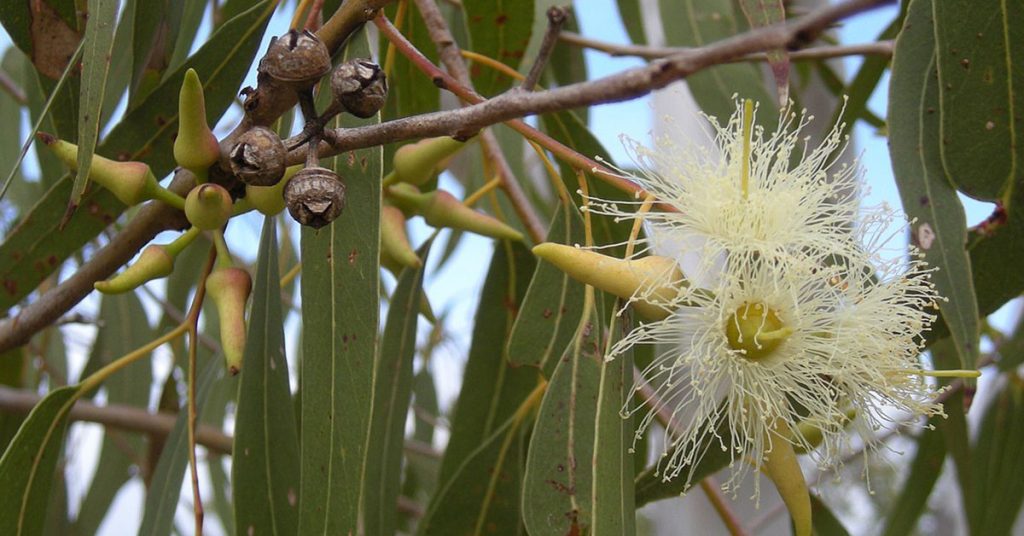
Eucalyptus trees, especially those native to Australia, have evolved alongside frequent wildfires. Their thick bark can insulate vital tissues from heat, and many species can sprout new growth directly from their trunks and branches after fire—a process called epicormic budding. Eucalyptus seeds are also stored in woody capsules that may open more readily after heat exposure, ensuring quick regeneration in fire-affected areas. While they can be controversial in certain regions due to their invasiveness, in their native environment, they are an essential part of post-fire recovery.
These trees can provide rapid shade and shelter for returning wildlife. Koalas famously feed on eucalyptus leaves in Australia, but in other parts of the world, birds and insects make use of the flowers, nectar, and bark. If you live outside the plant’s native range, you’ll need to carefully consider whether eucalyptus is appropriate for your area, as some species can spread aggressively and alter fire behavior in the future. Still, when planted in the right conditions, their resilience after fire is unmatched.
Ceanothus

Ceanothus, also known as California lilac, is a gorgeous shrub native to North America, especially the West Coast. Many species in this group are fire-adapted, producing seeds that remain dormant in the soil until the heat of a wildfire triggers germination. Others resprout from root crowns or lignotubers after their top growth is burned away. This means you can see a hillside covered in charred stems one year, and a blanket of vibrant blue blooms the next!
Aside from its visual appeal, Ceanothus plays an important ecological role. It fixes nitrogen in the soil, helping to replenish nutrients depleted by fire. The flowers attract a host of pollinators, including native bees and butterflies, while birds such as sparrows and wrens use the dense branches for nesting. Ceanothus is not generally invasive and thrives best in well-draining soils. In the right spot, it can help restore not just beauty but also soil fertility to fire-affected landscapes.
Toyon

Toyon (Heteromeles arbutifolia), sometimes called California holly, is another California native with strong post-fire recovery skills. After a burn, toyon often sends up vigorous new shoots from its root crown. This shrub is drought-tolerant, evergreen, and highly adaptable, making it a reliable choice for restoring both structure and color to a scorched landscape. Its clusters of white summer flowers are followed by bright red berries in winter, adding seasonal interest.
Wildlife flock to toyon for food and shelter. The berries are a winter staple for birds like cedar waxwings and American robins, and the dense foliage provides cover for nesting. Toyon is not invasive in its native range and actually helps reduce erosion by stabilizing soil with its roots. After a fire, it can act as a keystone plant, supporting a variety of other species in the recovery process.
Lupine
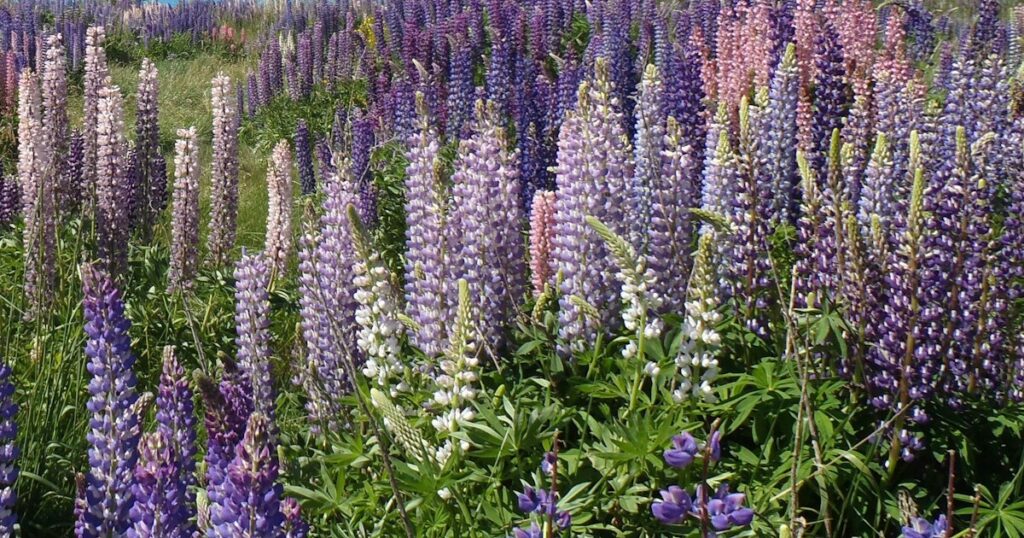
Many lupine species are adapted to fire-prone environments, particularly those native to North America’s West and Midwest. Some have seeds with hard coats that are softened by the heat of a wildfire, allowing them to germinate in the nutrient-rich ash. Others can re-sprout from protected underground structures. The bursts of purple, blue, or yellow flowers they produce after a fire are not just beautiful—they’re ecologically significant.
Lupines are nitrogen fixers, improving soil health for other plants that return after a burn. Their blooms are magnets for bees, butterflies, and even hummingbirds in some regions. They are not generally invasive when native species are planted, but gardeners should be cautious about introducing non-native varieties, which can spread aggressively in certain conditions. By adding lupines back to a recovering landscape, you’re helping pollinators and preparing the soil for future plant growth.
Banksia

Banksia, a genus native to Australia, is famous for its fire-adapted seed cones. Many species keep their seeds sealed within woody follicles that only open after exposure to the intense heat of a wildfire. This ensures that seedlings emerge in a cleared, nutrient-rich environment with less competition. The plants themselves can also regenerate from lignotubers, producing new stems and leaves even after severe burns.
Banksias are vital to native pollinators, especially honeyeaters and other nectar-feeding birds. Their dramatic, brush-like flowers also attract insects, contributing to the restoration of pollination networks after fire. While they are not invasive in their native range, care should be taken when growing them in non-native environments. In their home habitat, banksias help kickstart the return of biodiversity after a burn.
California Poppy
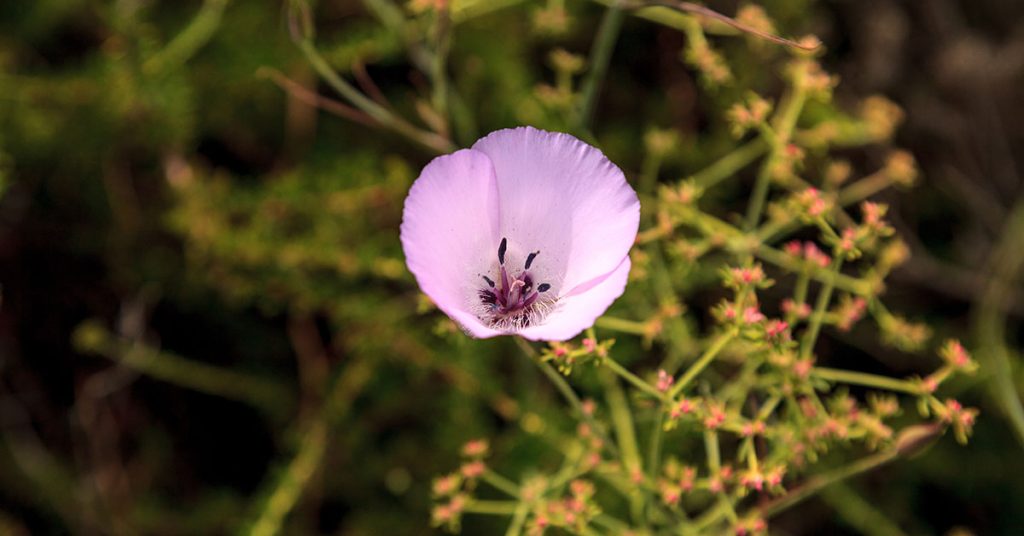
The California poppy (Eschscholzia californica) is an iconic wildflower that often appears in abundance after a wildfire. Its seeds can remain dormant for years, waiting for the right conditions—such as bare soil and extra sunlight after a burn—to germinate. Because they are adapted to California’s Mediterranean climate, they thrive in areas where wildfires are part of the natural cycle.
California poppies are a pollinator favorite, drawing in native bees, hoverflies, and butterflies. While they are not invasive in their native range, they can self-seed enthusiastically in certain climates, so it’s worth managing their spread if you plant them outside of California. Their quick growth and brilliant blooms make them one of the most uplifting sights in a recovering landscape.
Quaking Aspen

Quaking aspen (Populus tremuloides) is one of North America’s most fire-resilient trees. Although the trunks and branches may be destroyed in a blaze, the tree’s extensive underground root system often survives and sends up new shoots. Entire groves can regenerate in just a few years, creating a lush green canopy where blackened stumps once stood.
Aspens are not just beautiful—they’re also ecologically important. Their leaves provide food for caterpillars of several butterfly and moth species, while the trees offer nesting sites for birds. They are not invasive, and their ability to spread through root suckers means they can quickly reclaim burned areas, helping to stabilize the soil and provide habitat.
Grevillea
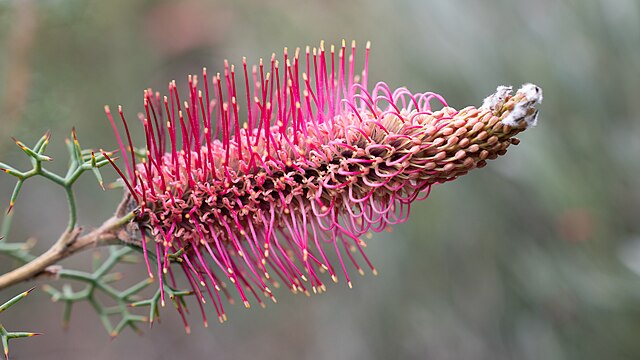
Grevilleas, another group of Australian natives, are highly adaptable to fire-prone conditions. Some species can regrow from lignotubers, while others rely on seed germination triggered by fire cues. Their intricate, spidery flowers come in a range of colors and are rich in nectar, making them a magnet for birds and insects.
In their native environment, grevilleas are key players in post-fire recovery, supporting pollinator populations and helping restore plant diversity. They are not considered invasive in Australia but can become problematic in certain other climates if not managed. In the right setting, they can provide a fast, colorful boost to a recovering landscape.
Red Hot Poker
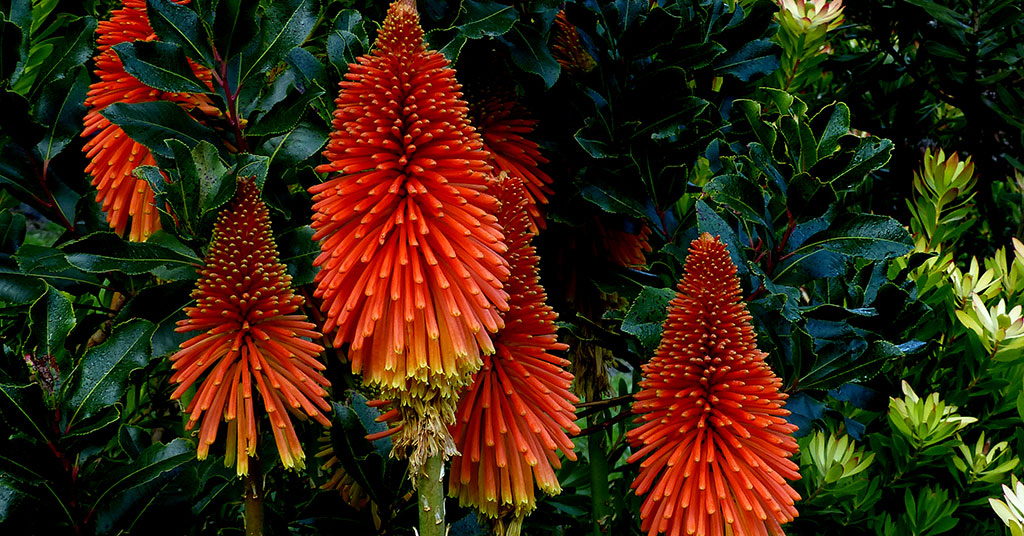
Also known as Kniphofia, red hot poker plants hail from South Africa and have tough, fleshy roots that often survive wildfires. After the fire passes, they can send up fresh leaves and their signature torch-like flower spikes, which add bold color to a regenerating garden. Their resilience comes from their ability to store energy below ground, safe from the flames.
These flowers are particularly attractive to hummingbirds and butterflies, which helps re-establish pollinator activity in the area. While not generally invasive, they can self-seed under the right conditions, so a little maintenance may be needed. Their vibrant blooms make them a joyful sight in the midst of recovery.
Protea

Proteas, native to South Africa, have evolved with fire as a regular occurrence. Many species store seeds in tough cones or seed heads that only release after heat exposure. Some can also re-sprout from lignotubers or underground stems. This adaptation ensures that proteas not only survive fires but can take advantage of the cleared, nutrient-rich environment afterward.
Their striking flowers draw in a variety of pollinators, including birds, bees, and beetles. Proteas are not typically invasive, though they require well-draining soil and sunny conditions to thrive. Adding them to a post-fire garden brings both structural beauty and important nectar sources to a recovering ecosystem.