

As summer starts to wind down, it’s tempting to simply enjoy the harvest and ignore what’s happening beneath the surface of your raised beds. But the truth is, this is one of the most important times to invest in them. The care and preparation you give your beds now will not only determine how they handle the colder months but also set the stage for a strong, healthy start in spring. I’ve learned over the years that fall prep can make the difference between a thriving, low-maintenance garden and one that’s struggling before the season even begins.
I know how frustrating it is to start spring planting only to find the soil compacted, nutrients depleted, or pests overwintering where they shouldn’t be. That’s why I treat my raised beds like VIP guests before fall—giving them the essentials they need to rest, regenerate, and be ready to grow again. These 11 steps are my go-to checklist for making sure my raised beds head into winter in the best shape possible.
A Fresh Layer of Compost

Adding compost in late summer or early fall gives beneficial microbes time to incorporate nutrients into the soil before winter. Whether it’s homemade from your own kitchen scraps and yard waste or purchased from a trusted supplier, a 1–2 inch layer spread evenly over the surface works wonders. The freeze-thaw cycles of winter help break down organic matter further, making it available for spring planting.
I like to think of compost as a slow-release multivitamin for the soil. It improves structure, moisture retention, and fertility without the risk of chemical buildup. Even native plants in your beds benefit from richer soil, encouraging healthier growth and better resistance to pests and disease in the next growing season.
Soil Testing and Amendments

Before adding anything else, it’s smart to know exactly what your soil needs. A simple soil test will reveal pH, nutrient levels, and organic matter content. Based on the results, you can adjust with amendments like lime for acidic soil, sulfur for alkaline soil, or specific mineral boosts like bone meal or greensand.
By doing this now, you give the soil time to rebalance naturally before planting again. I’ve seen gardeners skip this step and waste money on amendments they didn’t need—or worse, create nutrient imbalances that hurt plant health. Testing means every addition has a purpose.
Mulch for Insulation
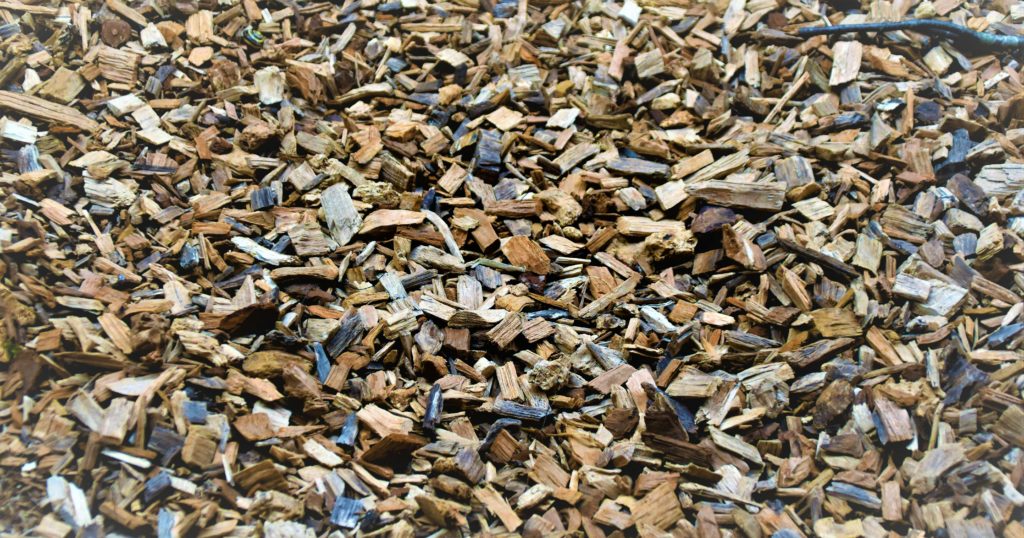
Mulching before fall helps protect the soil from erosion, temperature swings, and nutrient leaching. Straw, shredded leaves, or bark chips work well, creating a protective blanket that also suppresses winter weeds.
One of my favorite benefits of mulch is how it creates habitat for beneficial insects like ground beetles and native bees that overwinter in organic matter. It’s an easy way to combine soil health with wildlife support, keeping the ecosystem balanced.
Organic Fertilizer Boost
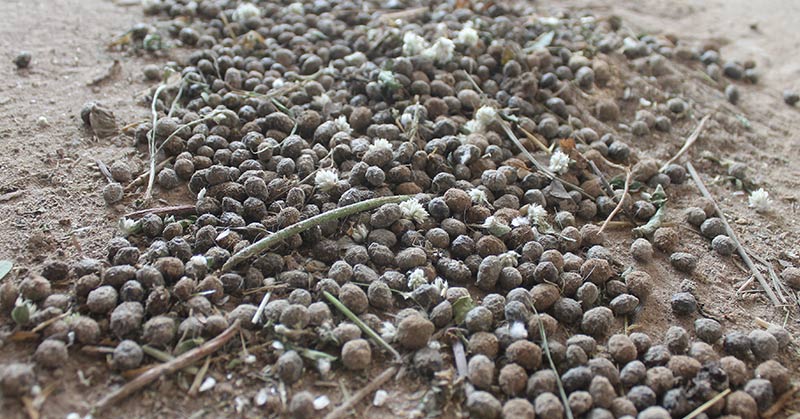
While compost provides slow, steady nutrition, adding an organic fertilizer tailored to your upcoming crops can give your beds an extra edge. A balanced blend in fall ensures nutrients are available for early-spring feeders like leafy greens and root vegetables.
I prefer organic fertilizers because they feed both the plants and the living soil community. Fish emulsion, kelp meal, or feather meal are all options that release nutrients gradually, reducing the risk of runoff and pollution.
Cover Crops

Planting cover crops like crimson clover, winter rye, or hairy vetch helps protect soil from erosion, improves structure, and fixes nitrogen. These plants grow through fall, and some will even survive mild winters, keeping the soil covered until you’re ready to plant in spring.
Many cover crops also attract beneficial insects or provide forage for pollinators before frost sets in. It’s such a satisfying sight to see a raised bed full of lush green in November instead of bare soil.
Pest Patrol

Before you tuck your beds in for the season, it’s worth inspecting for pests that might overwinter in the soil or plant debris. Remove diseased plant material, and consider turning over the top few inches of soil to expose pest eggs to predators and cold temperatures.
I’ve made the mistake of leaving infested plants in my beds, only to find a bigger problem the following spring. A little extra vigilance now keeps pest populations in check naturally, without resorting to harsh treatments later.
Weed Removal
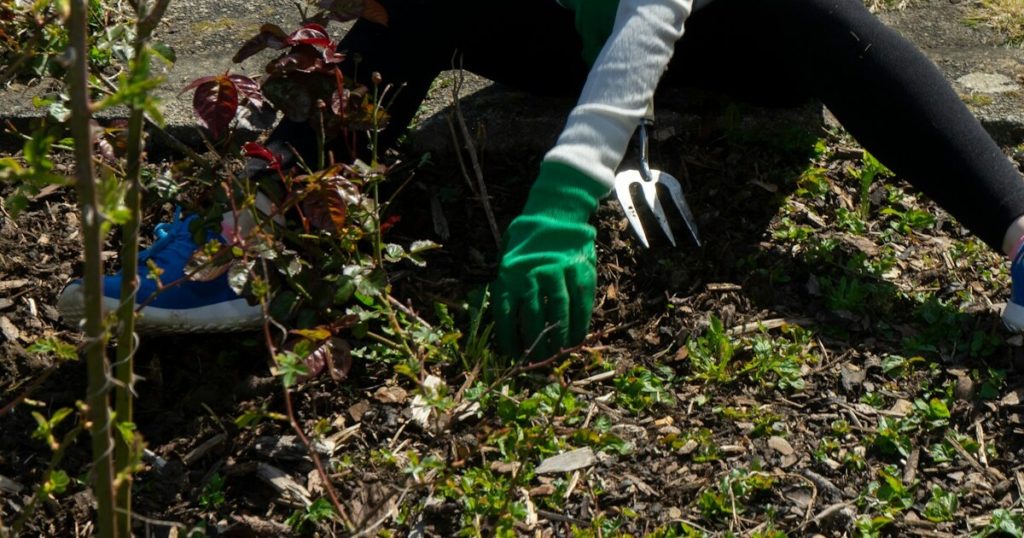
Late-season weeds can go to seed quickly, leaving you with a headache next year. Pulling them now prevents those seeds from settling into your beds during winter. Weeding can be a chore but once you’re done, you know that there’s nothing that’s going to stop your garden from thriving next year.
Even small weeds are worth removing, since some perennial types can keep growing under mild conditions. Clearing them out gives your spring crops a head start without competition.
Improved Drainage

Fall is a good time to address drainage issues. If your beds tend to stay soggy after rain, adding coarse sand, perlite, or extra organic matter can improve water movement through the soil. Raised beds should drain well, but over time, soil compaction or poor construction can slow that process.
Better drainage doesn’t just prevent root rot—it also reduces the likelihood of fungal diseases taking hold in cool, damp conditions. Healthy soil structure means healthier plants all year.
Support Repairs
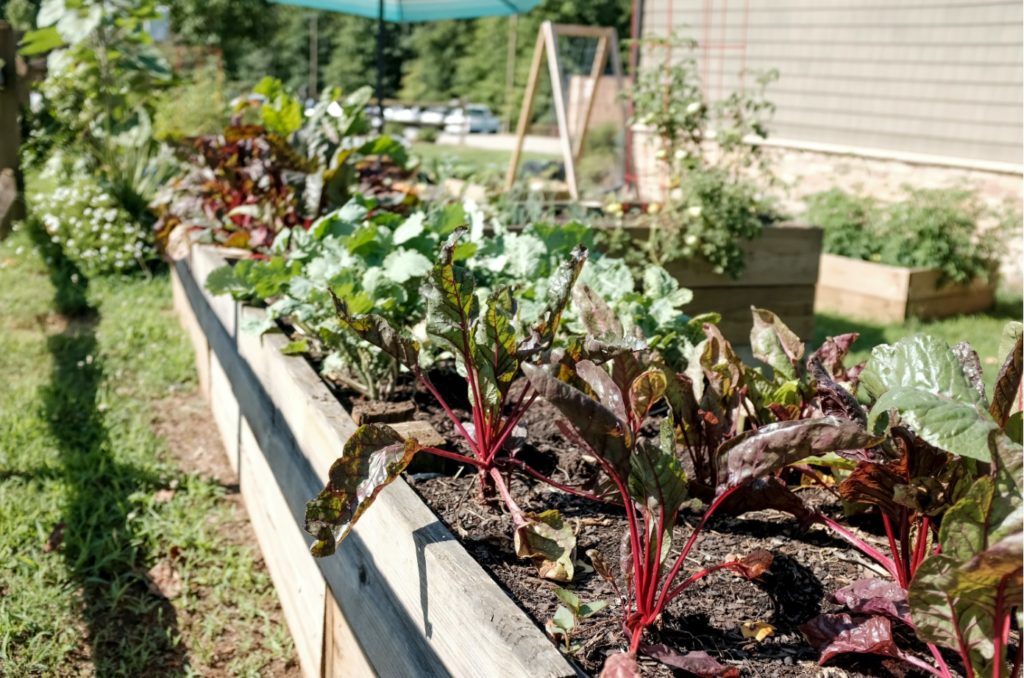
If your raised bed frames are sagging, cracked, or showing signs of rot, now is the time to fix them. Waiting until spring risks further damage from winter weather, making repairs more complicated.
Sturdy frames also keep soil in place during heavy rain or snowmelt, preventing nutrient-rich topsoil from washing away. It’s one of those maintenance tasks that saves time and money in the long run.
Beneficial Insect Habitat
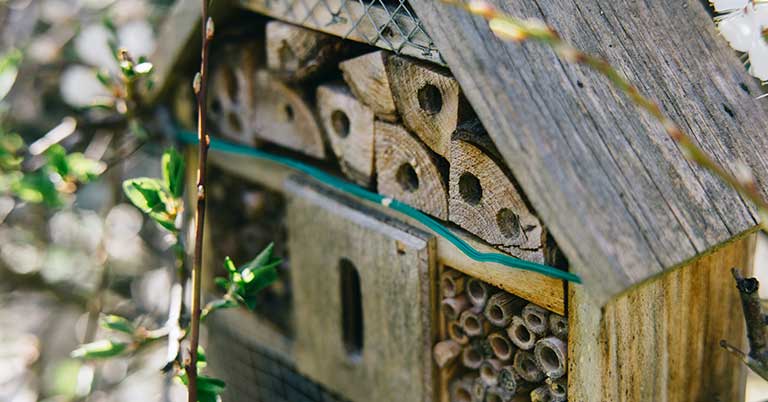
Adding features like small bundles of hollow stems, piles of twigs, or even a corner of unmulched soil can provide shelter for beneficial insects through winter. Ladybugs, predatory wasps, and solitary bees all appreciate safe overwintering spots.
I’ve noticed that when I create these little habitats, pest problems in spring are often lighter because their natural predators are already in place and active. It’s a simple, no-cost way to make your garden more self-sustaining.
Moisture Management Plan

Fall can bring unpredictable weather—sometimes too much rain, sometimes too little. Setting up a system to monitor and maintain appropriate soil moisture until the ground freezes helps prevent stress on overwintering perennials or cover crops.
This might mean adjusting irrigation timers, adding drip lines, or simply checking beds manually during dry spells. Healthy, hydrated soil is more resilient to freezing and thawing cycles, which helps preserve the structure you’ve worked so hard to build.