

If there’s one household item I never let myself run out of, it’s baking soda. Sure, it’s a hero in the kitchen—helping cakes rise and keeping the fridge smelling fresh—but in the garden, it’s an absolute game-changer. Over the years, I’ve discovered that this humble white powder can solve problems, prevent headaches, and even make certain chores downright easier. The best part? It’s safe, inexpensive, and easy to find, which means you can keep a big box tucked away without breaking the bank.
I know how frustrating it is to deal with fungal diseases spreading through prized plants, or to watch ants set up shop in your garden beds. It’s such a relief when you have a single, multipurpose product that can help with so many issues without relying on harsh chemicals. Baking soda has been a trusted garden helper for decades, and once you start using it regularly, you’ll wonder how you ever managed without it!
Tackling Powdery Mildew on Plants
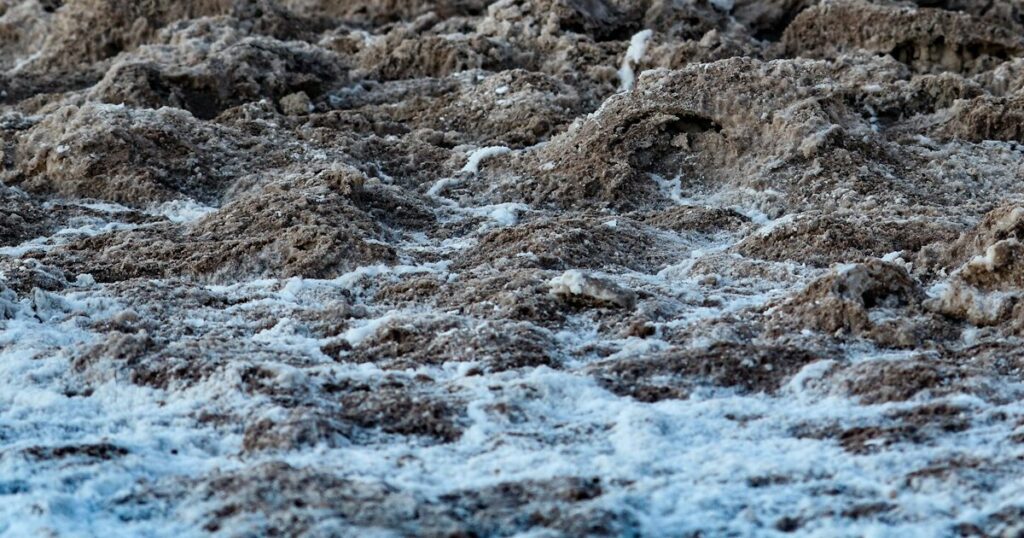
Powdery mildew can sneak up on you in August, coating leaves with that dreaded white fuzz. Roses, cucumbers, zucchini, and phlox are some of the most common victims. A simple homemade spray made from baking soda, water, and a bit of mild liquid soap can help alter the pH on leaf surfaces, making it harder for the fungus to thrive. I’ve used it countless times to stop the spread before it gets out of hand, especially during warm, humid spells.
While baking soda isn’t a magic cure, it’s a safe preventative measure that can buy your plants time to recover. I especially like it for edible crops since it won’t leave behind harmful residues. If you catch powdery mildew early, a regular spray every week or so can keep foliage looking healthy and prevent it from spreading to nearby plants.
Keeping Cut Flowers Fresh Longer
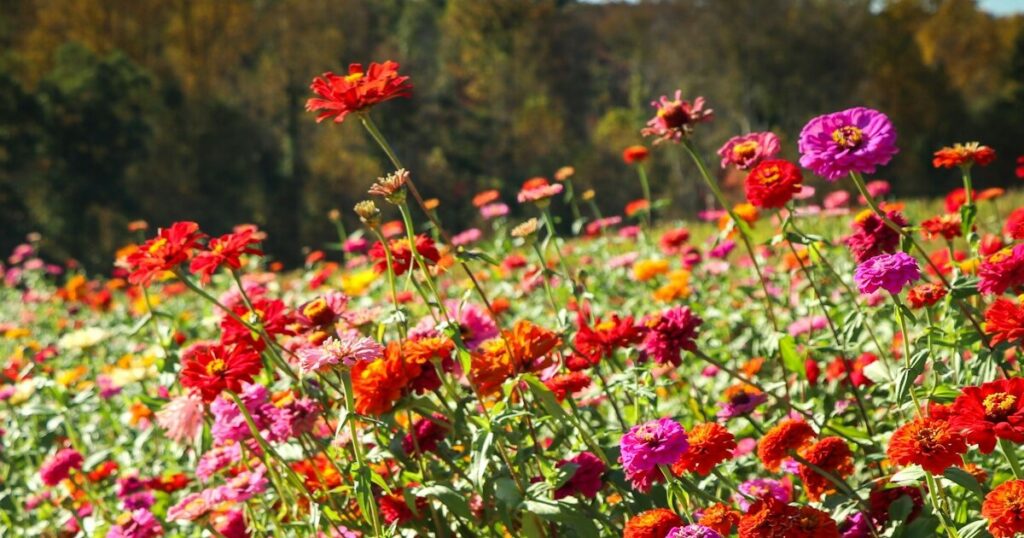
If you grow your own cut flowers—whether native coneflowers, fragrant garden roses, or cheery zinnias—you know the joy of bringing them indoors. But wilting can set in far too quickly. Adding a small pinch of baking soda to vase water can help balance the pH and reduce bacterial growth, which is one of the culprits behind drooping stems.
I’ve had bouquets last several extra days with this simple trick, which makes a big difference if you’re growing flowers specifically for arrangements. Combined with regular water changes and trimming stems, baking soda can help keep your home filled with fresh garden color for much longer.
Natural Ant Deterrent

Ants aren’t always a problem, but when they start farming aphids on your plants, it’s a different story. Baking soda can be used in a simple mix with powdered sugar to create a bait that ants carry back to their colony. The sugar lures them in, and the baking soda disrupts their internal systems.
I’ve used this method around the base of plants that were constantly under aphid attack, and within a week, the ant activity dropped dramatically. Since many native ant species are beneficial, I only use this trick when they’re clearly causing harm in the garden. Targeting the issue directly keeps the balance intact without harming other pollinators or beneficial insects.
Scrubbing Dirty Pots and Tools
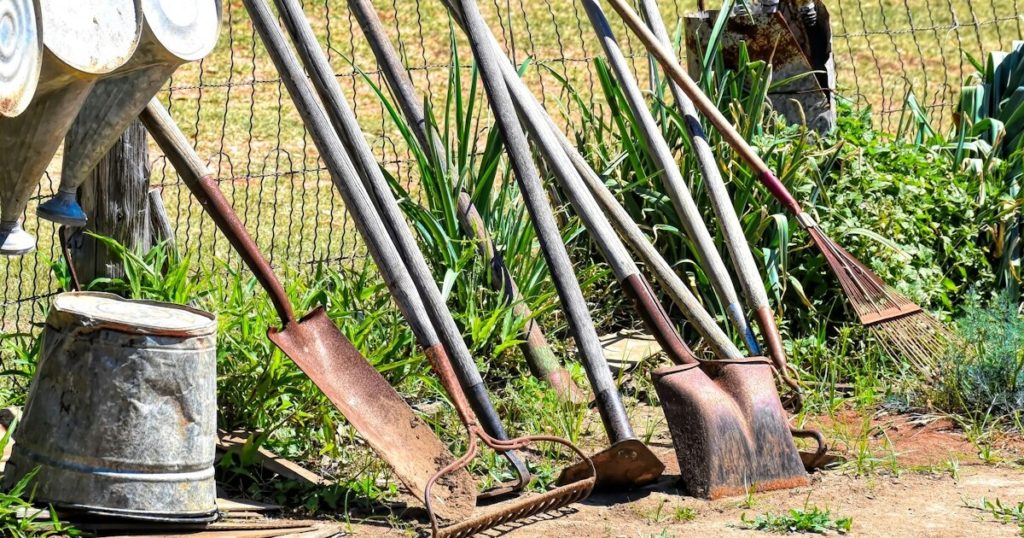
By August, pots, trowels, and pruning shears often have a layer of grime, sap, or even dried-on soil that just doesn’t want to budge. A paste of baking soda and water works wonders for scrubbing these surfaces clean. It’s gritty enough to remove buildup but gentle enough that it won’t scratch metal or terracotta.
Clean tools aren’t just about aesthetics—they help prevent the spread of diseases from one plant to another. I make a habit of deep-cleaning my tools at least twice a season, and baking soda is always part of the process. The fact that it’s non-toxic means I can rinse everything right in the garden without worrying about harmful residues.
Freshening Up Compost Bins

Compost is wonderful, but let’s be honest—it can get a little smelly, especially in hot weather. A light sprinkling of baking soda in your compost bin or pile can help neutralize odors without disrupting the microbial activity that’s breaking down your kitchen scraps and garden waste.
I avoid overdoing it, since too much can affect the compost’s acidity. A small handful now and then is enough to take the edge off unpleasant smells, especially after adding fruit peels or other quick-decomposing materials. It’s a small step that makes turning the compost a much more pleasant chore.
Cleaning Birdbaths and Feeders
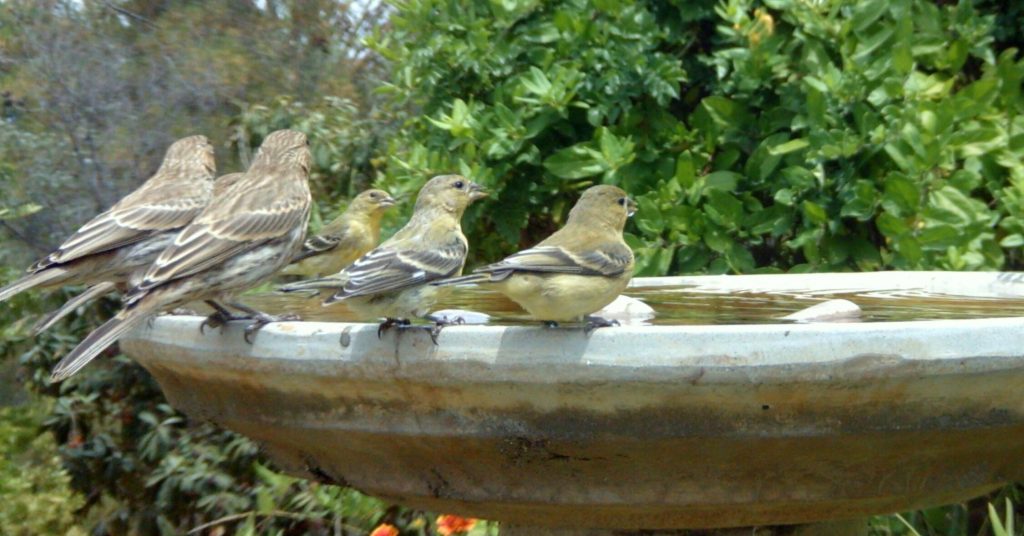
Birdbaths can quickly develop algae, and feeders can harbor mold if not cleaned regularly. Baking soda is a great option for scrubbing these items clean without leaving chemical residues that could harm wildlife. A simple paste or solution works well for removing buildup while keeping things safe for the birds.
Keeping birdbaths and feeders fresh isn’t just for appearances—it helps protect birds from disease and ensures that the water and food you provide are truly beneficial. I always rinse thoroughly afterward, but I feel better knowing that baking soda poses no danger if a little residue remains.
Deodorizing Garden Gloves and Shoes
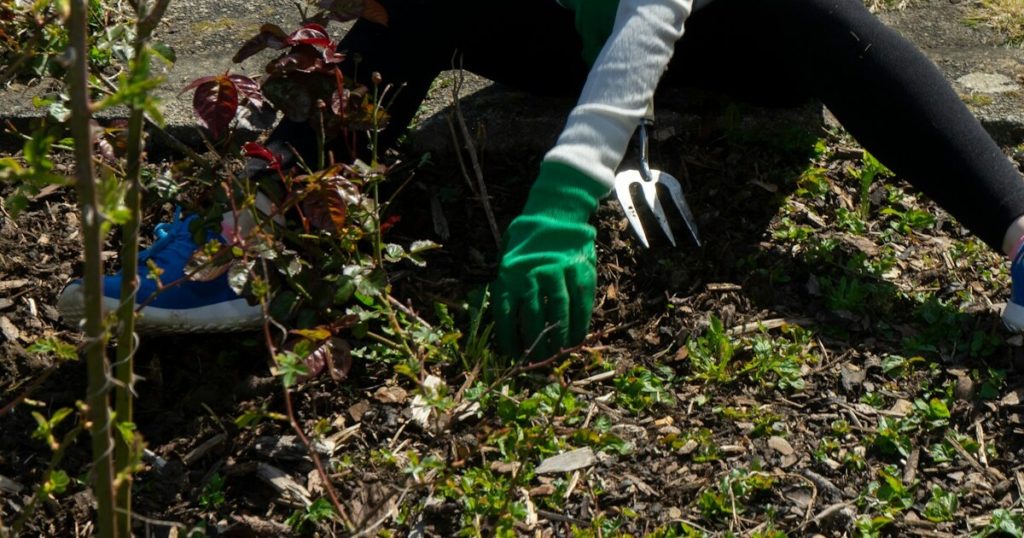
Gardening in summer heat can leave gloves, clogs, and boots with a certain… lingering aroma. Sprinkling baking soda inside them absorbs moisture and neutralizes odors, keeping your gear fresher for longer. This is especially helpful if you store your gardening shoes in a garage or mudroom where the smell can spread.
It’s also a nice way to extend the life of your gloves and shoes, since baking soda helps keep fabrics and linings from breaking down due to excess moisture. I usually tap the powder out before my next gardening session, and my gear always feels cleaner and more comfortable.
Softening Garden Soil in Problem Spots

Some soils have a naturally high acidity that makes it harder for certain plants to thrive. While you wouldn’t want to use baking soda as a primary soil amendment, a light application can help temporarily reduce acidity in small, targeted areas—perfect for annual beds or potted plants that prefer slightly less acidic conditions.
I’ve used this method for flowers like geraniums that weren’t happy in a particular container, and the improvement in foliage color was noticeable within a couple of weeks. It’s not a substitute for proper soil balancing with lime or compost, but it can be a quick fix when you need one.