
August can be a bit of a turning point in the garden. The lush growth of early summer is starting to slow, the soil has been worked hard by months of planting and harvesting, and plants are often pushing through heat, drought, and competition from weeds. It’s easy to think that fertilizing is only for spring, when everything is just waking up, but the truth is that August is a prime time to give your garden an extra nutritional boost. Plants that are actively producing fruit, forming buds for fall flowers, or building up reserves for winter all benefit from this late-summer feeding.
I know from experience how tempting it can be to coast through August, focusing on harvesting rather than feeding. But when I started fertilizing more in this month, I noticed stronger growth, better yields, and a healthier garden going into autumn. Fertilizing now isn’t just about the here and now—it sets the stage for the rest of the season and even the start of the next one. Let’s dig into why August deserves a starring role on your fertilizing calendar!
Boosting Late-Season Vegetables

By August, heavy feeders like tomatoes, peppers, and cucumbers have been producing for weeks and have depleted much of the readily available nutrients in the soil. Fertilizing now helps replenish what’s been lost, ensuring these plants have the fuel to keep flowering and setting fruit into September and beyond. Without this mid-to-late summer boost, yields can taper off quickly, and you might see smaller fruits or fewer harvests.
Many of these crops—tomatoes in particular—originated in warm climates like Central and South America, where nutrient-rich soils and consistent warmth support long growing seasons. Since we can’t always replicate those conditions naturally, an August feeding can make the difference between a sluggish late-season crop and one that’s still pumping out baskets of produce well into the fall.
Supporting Perennials Preparing for Winter

Perennials may not look like they’re doing much in late summer, but August is when many are busy strengthening their root systems and storing energy for the colder months ahead. A balanced, slow-release fertilizer gives them the nutrients they need to head into winter strong and ready to burst back in spring. Skipping this step can leave them weakened and more vulnerable to winter damage.
Native perennials, like coneflowers and black-eyed Susans, will benefit just as much as ornamental imports. Since they’re busy forming seeds that feed birds through winter, they’re using a surprising amount of energy. A nutrient boost in August supports both next year’s blooms and the wildlife that depends on them.
Encouraging a Fall Flower Display
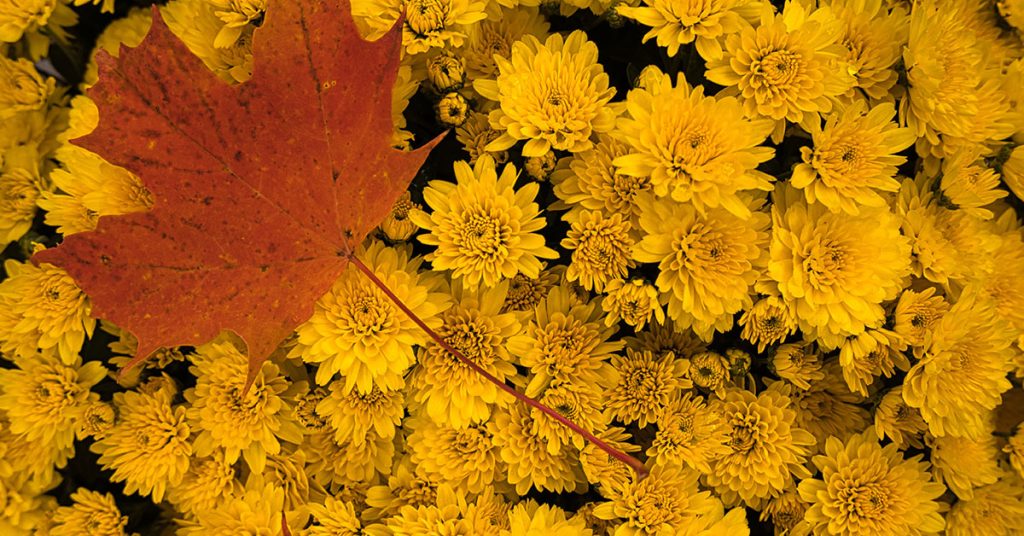
If you want asters, chrysanthemums, sedums, and other fall-blooming plants to really put on a show, they’ll need more than just sunlight and water. August fertilizing ensures they have the nutrients to develop strong stems and vibrant blooms right when the rest of the garden starts to fade. A phosphorus-rich feed in particular will help with bud formation and color intensity.
Many fall flowers, especially native species like New England asters, also serve as crucial nectar sources for migrating pollinators. Fertilizing them now supports larger, longer-lasting blooms, which in turn helps sustain monarch butterflies, late-season bumblebees, and other beneficial visitors as they prepare for winter.
Replenishing Nutrient-Depleted Soil
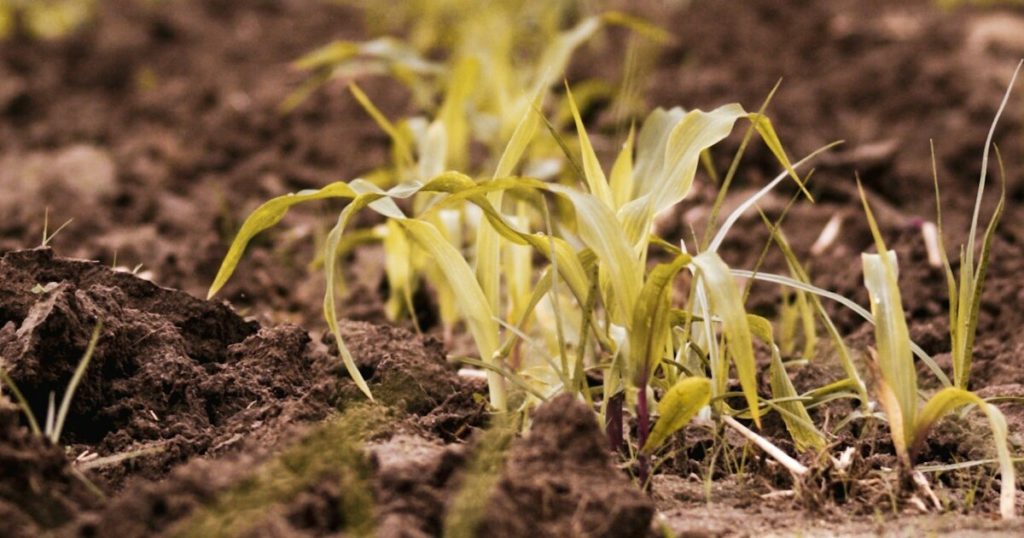
Months of watering, plant growth, and harvesting gradually strip nutrients from the soil. By August, even gardens that started with rich compost can be running low on essentials like nitrogen, potassium, and trace minerals. Fertilizing now replenishes these nutrients before deficiencies cause visible stress in your plants.
Soil health isn’t just about what your plants take up—it’s also about feeding the beneficial microbes that help break down organic matter and make nutrients available. A well-timed feeding can invigorate this invisible network, setting your soil up for better productivity now and in the future.
Extending Harvest Periods
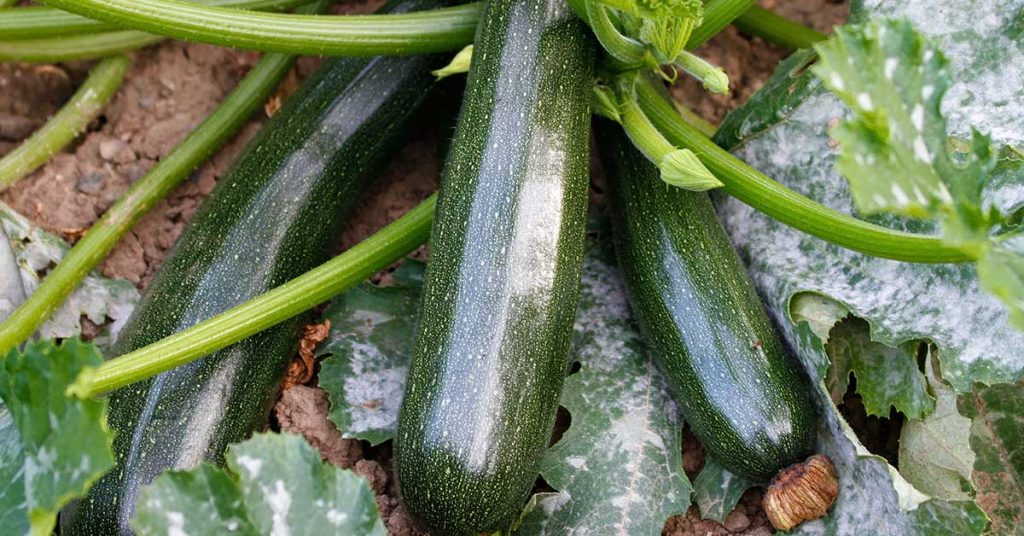
August fertilization can directly translate to more weeks of fresh produce. Crops like beans, zucchini, and eggplant respond quickly to a nutrient boost, producing new flowers and extending their harvest window. Without extra feeding, plants may slow down or stop altogether as they run out of resources.
This approach is especially valuable for gardeners in regions with mild autumns, where a late flush of flowers can still turn into ripe fruit before frost. A little August TLC often means you’ll still be harvesting when your neighbors’ gardens have gone quiet.
Helping Lawns Recover and Prepare

While vegetable beds and flower borders often get the spotlight, August is also a good time to give your lawn some attention. Heat and foot traffic can stress grass, especially in cool-season varieties like fescue and bluegrass. A light application of fertilizer in late summer helps lawns recover and store nutrients for fall growth.
Healthy turf also supports garden wildlife by providing foraging areas for ground-feeding birds and shelter for beneficial insects. Keeping your lawn vigorous without over-fertilizing can reduce bare patches where weeds try to take hold in fall.
Giving Young Plants a Strong Start
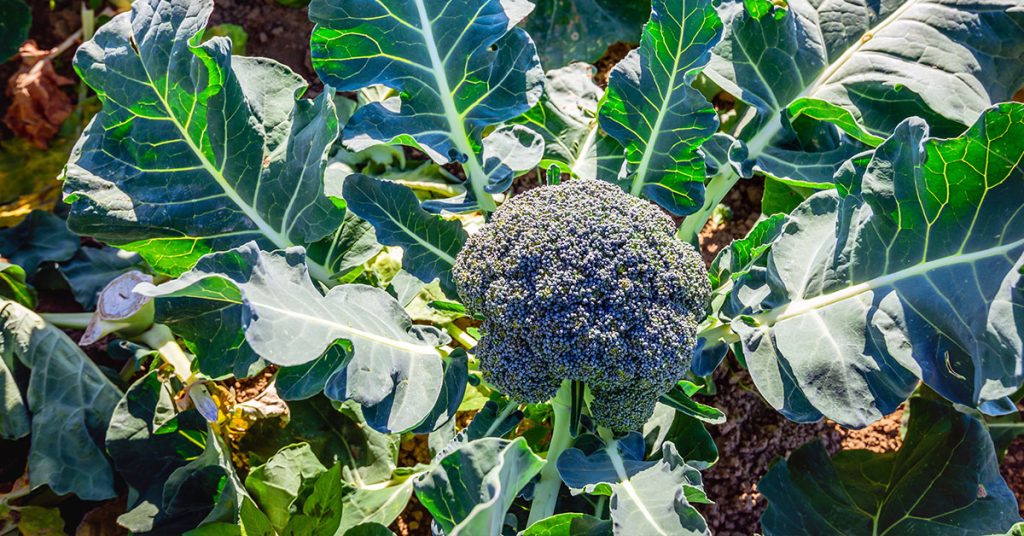
Many gardeners start fall crops like broccoli, lettuce, and kale in August, either from seed or transplants. These young plants benefit from a steady supply of nutrients as they establish. A gentle, balanced fertilizer helps them develop strong roots and lush foliage quickly, setting them up for a productive autumn.
Even ornamental seedlings, like pansies or violas for fall color, appreciate an early boost. When young plants have a nutrient-rich foundation, they’re better equipped to handle the seasonal transitions ahead.
Feeding Container Plants That Work Harder

By August, container-grown plants have often exhausted the limited nutrients available in their potting mix. Since they rely entirely on what we provide, they can quickly decline without supplemental feeding. Fertilizing now keeps hanging baskets, patio planters, and potted herbs looking fresh and productive into fall.
Container plants, from native ornamental grasses to tropical hibiscus, are often in more exposed positions and can dry out faster, further depleting nutrients. A late-summer feed can give them the stamina to push through the last hot weeks and keep providing color, fragrance, or harvests well into the cooler season.
Strengthening Plants Against Late-Season Pests and Diseases

Healthy, well-fed plants are better able to resist the stress of pests and diseases, which often surge in late summer. Fertilizing in August gives plants the resources to produce thicker foliage, stronger stems, and more resilient root systems, all of which help them withstand attacks.
This is particularly helpful for native plants that act as host species for beneficial insects. When these plants are healthy, they can better support pollinator larvae, seed-eating birds, and other wildlife, even under pressure from pests. The result is a stronger, more balanced garden ecosystem.