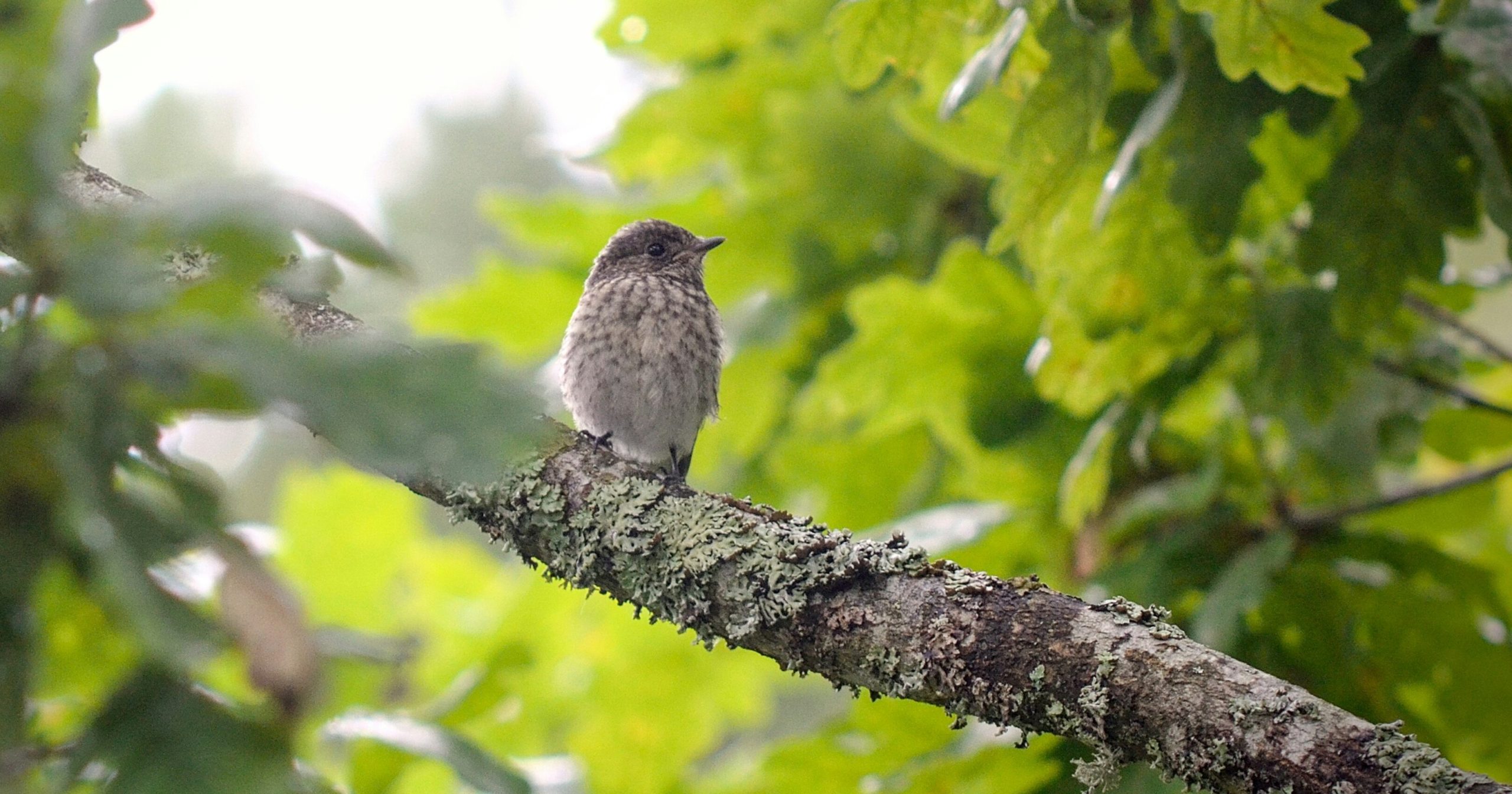

When autumn rolls in and the air starts to crisp, our gardens and local landscapes shift from the abundance of summer to a quieter, more muted palette. But while some plants go completely dormant, there are trees that truly step up their game during fall and winter—offering food, shelter, and even nesting opportunities to the wildlife that depend on them. As a gardener, nothing gives me more joy than seeing a chickadee darting into a branch or a squirrel tucking away an acorn. These moments are little reminders that our gardens are more than just for us—they’re part of a larger ecosystem.
If you’ve ever worried about how birds, squirrels, and other creatures fare in the colder months, planting trees that work double-duty can make all the difference. The right trees can provide high-energy food sources like berries and nuts when pickings are slim, while their branches and dense foliage offer shelter from biting winds and predators. Some of the species I’m about to share are native champions that have been supporting wildlife for centuries, while others are non-native but still valuable (provided they’re not invasive). Let’s dig into my favorite picks that turn your yard into a five-star wildlife hotel during the toughest months of the year!
American Holly (Ilex opaca)
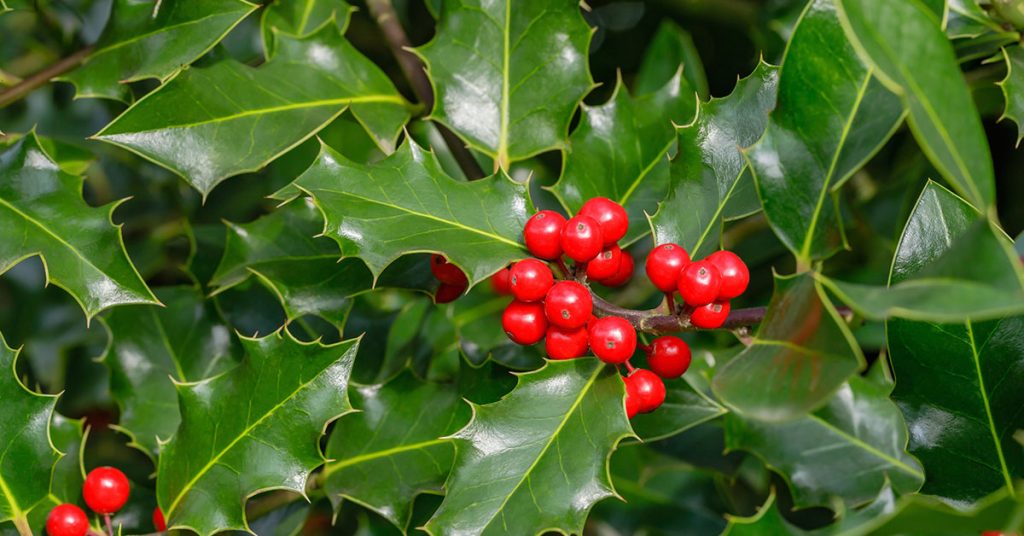
American holly is a striking evergreen with glossy leaves and bright red berries that practically shout “holiday season!” But for wildlife, these berries are more than just decoration—they’re a vital winter food source for robins, cedar waxwings, and bluebirds when insects are scarce. This tree, native to the eastern United States, is an understory species in the wild, often found beneath taller hardwoods. The dense, spiny foliage provides excellent cover for birds seeking protection from predators, and in my garden, I’ve seen more than one cardinal cozy up inside its branches during a snowstorm.
One important note: only female holly trees produce berries, and you’ll need a male tree nearby for pollination. While it’s not considered invasive, it can self-seed in natural areas, so keep an eye on unwanted seedlings. Beyond winter, holly supports pollinators in the spring with small white flowers, making it a multi-season provider. If you’re looking for a native, low-maintenance evergreen that keeps wildlife fed and sheltered, this is a true winner!
Black Walnut (Juglans nigra)
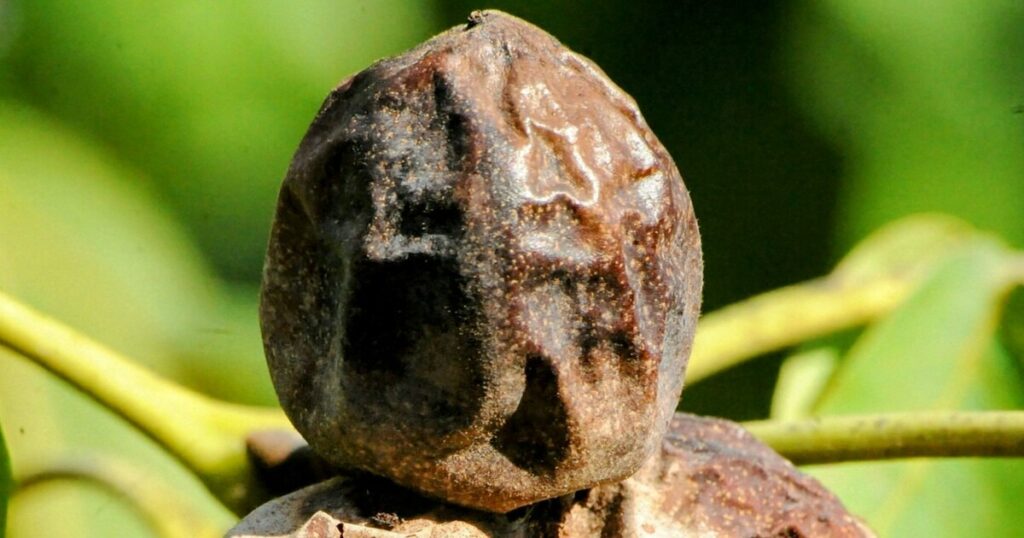
Black walnut trees are wildlife goldmines in the fall. Their large, nutrient-rich nuts are a favorite of squirrels, chipmunks, and even some birds like crows and blue jays. Native to much of eastern North America, this tree has a commanding presence with its tall height and wide canopy, making it a fantastic choice if you have the space. The nuts drop in autumn and can sustain wildlife well into the winter if stored in caches—a squirrel behavior I’ve always found fascinating to watch.
The tree’s structure also offers excellent nesting sites for larger birds like owls and hawks, particularly in older specimens with sturdy branches. However, black walnuts do produce a chemical called juglone, which can be toxic to certain plants, so you’ll want to be strategic about what you plant nearby. This isn’t a tree for a cramped urban backyard, but if you have the room, it’s both a majestic landscape feature and an essential food source for many species during the colder months.
Eastern Red Cedar (Juniperus virginiana)

Eastern red cedar is one of my personal favorites for winter wildlife support because of its dense evergreen foliage and abundant berry-like cones. These bluish cones are a vital cold-weather food source for cedar waxwings, robins, and even wild turkeys. Native to much of eastern North America, this hardy tree is incredibly adaptable, thriving in poor soils where other trees might fail. Its thick, prickly foliage provides year-round shelter for songbirds and small mammals, giving them a safe refuge during snow and wind.
While not considered invasive in its native range, eastern red cedar can become a problem in overgrazed pastures where it quickly colonizes open land. Still, in a managed landscape, it’s a valuable addition. The tree’s evergreen presence means your yard maintains visual interest all winter, and the wildlife activity it encourages can bring life and movement even on the grayest days.
American Beech (Fagus grandifolia)

American beech trees are autumn powerhouses for wildlife thanks to their small but nutrient-dense nuts known as beechnuts. These nuts are loved by everything from blue jays and wild turkeys to black bears and chipmunks. Native to eastern North America, the American beech has smooth gray bark and a broad canopy, making it a beautiful as well as functional tree for any landscape. I’ve often noticed how its leaves cling to branches deep into winter, which adds extra cover for birds.
This tree’s sturdy structure makes it a nesting favorite for woodpeckers, nuthatches, and even owls. While it’s not invasive, it does need room to spread, and mature specimens can live for hundreds of years, meaning planting one is an investment for generations of wildlife—and people—to enjoy. Its adaptability to different soils makes it a forgiving choice for gardeners looking to increase biodiversity in their yards.
Crabapple (Malus spp.)

Crabapple trees are simply magical in winter. Many varieties hold onto their small, colorful fruits long after the leaves have fallen, providing a much-needed snack for birds like cedar waxwings, grosbeaks, and chickadees. Native crabapples are best for wildlife, as they’ve evolved alongside local species, but even ornamental hybrids can offer value. In spring, these trees burst into blossom, attracting pollinators, and by fall, they transition into essential wildlife pantries.
While they’re not considered invasive when you choose native or well-bred cultivars, some non-native varieties can self-seed and spread. Their branches also provide shelter, especially in snow, and smaller mammals like rabbits may use the base for cover. I love that crabapples can be both ornamental and highly functional—a true workhorse for multi-season beauty and habitat.
White Oak (Quercus alba)
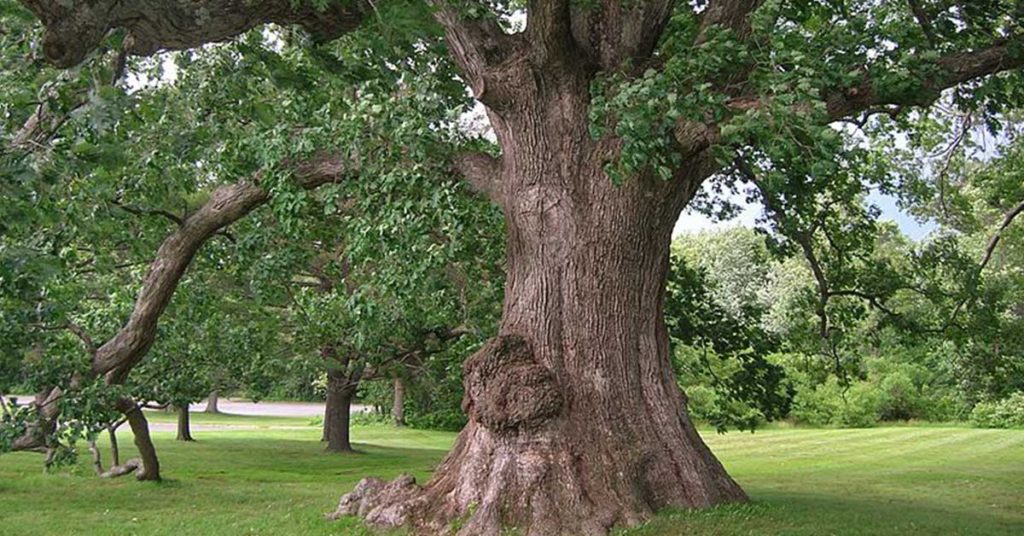
White oaks are giants in the wildlife world, especially during fall when their acorns ripen. These nutrient-rich acorns are critical food for deer, squirrels, wild turkeys, and countless bird species. Native to eastern and central North America, white oaks can live for centuries, meaning one tree can feed and shelter countless generations of animals. Their broad canopies also offer nesting sites for hawks, owls, and songbirds.
Not only is this tree non-invasive, but it’s also considered a keystone species, meaning it plays a disproportionately important role in its ecosystem. Planting a white oak is a long-term commitment, but it’s one of the most impactful things you can do for local wildlife. It’s such a joy to stand under one in late fall and listen to the chatter of squirrels gathering acorns—it’s nature’s own version of a bustling marketplace!
Serviceberry (Amelanchier spp.)

Serviceberry trees are small to medium-sized beauties that provide an incredible buffet for wildlife, especially in late fall and early winter. Their fruit, often called juneberries or Saskatoon berries, are sweet and edible for humans, but birds like robins, thrushes, and cedar waxwings often get to them first. Native to much of North America, serviceberries have the advantage of fitting into smaller yards while still offering plenty of wildlife benefits. The fruits ripen in summer, but their seeds often remain in winter caches, sustaining birds and mammals when food is scarce.
These trees also provide shelter for nesting birds in spring and summer, while their branching structure offers perches and protection during the cold months. They’re non-invasive, making them a safe choice for most landscapes. I’ve seen chipmunks and squirrels dart up the trunk to snatch leftover fruit in the dead of winter, which always makes me smile. Serviceberries are truly multi-season providers, offering blossoms in spring, fruit in summer, and refuge through the snowy months.
American Persimmon (Diospyros virginiana)

American persimmon trees are like nature’s candy store in fall. Their orange fruits ripen late in the season, sometimes even hanging on after the first frost, when their flavor sweetens and becomes irresistible to deer, raccoons, foxes, and a variety of birds. Native to the eastern United States, these trees are tough and adaptable, thriving in both moist and dry soils. I love watching mockingbirds fiercely defend a loaded persimmon tree in December—it’s a true winter drama!
The persimmon’s dense branches offer protection for smaller birds from predators and harsh weather. They’re not invasive, but they can sucker from the roots if left unchecked, which might be a bonus if you want more wildlife-friendly trees over time. Their flowers in spring also attract pollinators, making them valuable year-round contributors to a healthy ecosystem.
Eastern Hemlock (Tsuga canadensis)
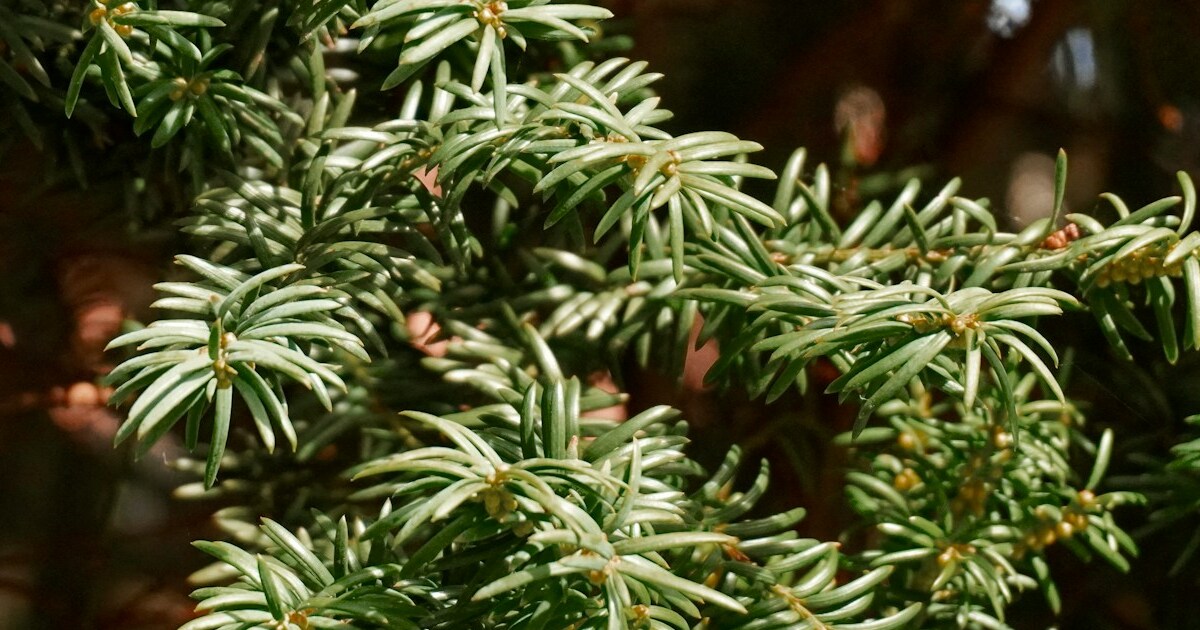
Eastern hemlocks are evergreen giants that create dense, protective canopies perfect for sheltering wildlife in winter. Birds like chickadees, nuthatches, and owls use them for nesting and cover, while deer often bed down beneath them to escape the wind and snow. Native to the northeastern United States and parts of Canada, these trees thrive in cooler, moist soils and bring a quiet, serene beauty to any landscape.
Hemlocks aren’t invasive, but they are under threat from the invasive hemlock woolly adelgid in many areas. If you’re in a safe zone or have the means to protect them, they can be a cornerstone of winter habitat. Their dense needles also intercept snow, creating a sheltered understory that’s used by both birds and mammals. I’ve stood under one during a snowstorm and marveled at how calm and still it felt compared to the open yard.
Hackberry (Celtis occidentalis)
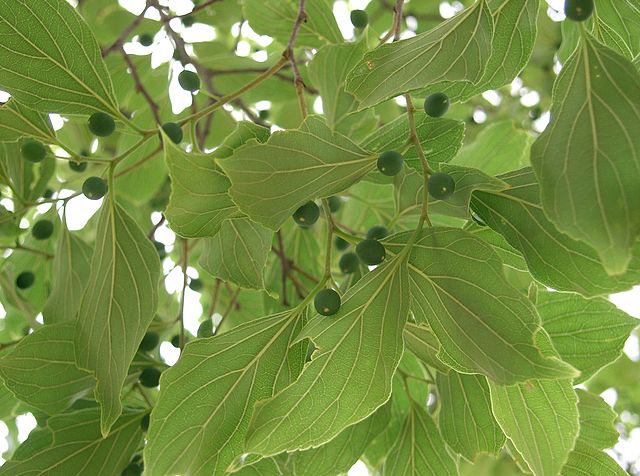
Hackberry trees are often overlooked, but they’re excellent wildlife trees that keep giving through the colder months. Their small, dark-purple drupes persist well into winter, feeding everything from cedar waxwings to flickers. Native to much of North America, hackberries are extremely hardy and tolerate urban pollution, drought, and poor soils—making them ideal for tough planting sites where other trees might fail.
The branching structure is also perfect for nesting birds and for providing perches to raptors scanning for prey. These trees are not invasive, and their adaptability means they can slot into many different landscapes. I’ve seen them buzzing with activity on a frigid January morning when other trees stood silent, which really shows their value when winter resources are slim.
Northern Red Oak (Quercus rubra)

Northern red oaks produce large acorns that ripen in fall and become a crucial calorie source for deer, squirrels, wild turkeys, and blue jays. Native to much of eastern and central North America, this oak grows quickly compared to some other oak species, making it a great choice for gardeners looking to see benefits sooner rather than later. Its towering canopy is also a prime nesting and roosting site for a wide range of birds.
This tree is not invasive and is considered a vital native species for supporting biodiversity. In fall, the leaves turn a deep, rich red, adding visual beauty to its ecological value. In my experience, planting an oak is like setting up a winter pantry for dozens of species—you’ll see so much wildlife traffic that it becomes a season-long show in your own yard.
Black Cherry (Prunus serotina)
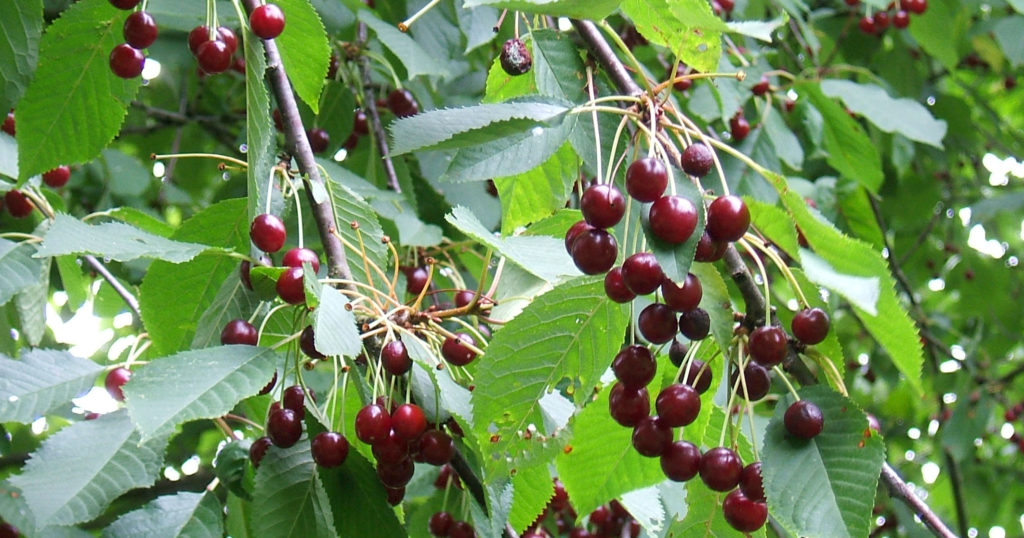
Black cherry trees produce small, dark fruits in late summer that persist into fall and early winter, feeding birds like woodpeckers, bluebirds, and grosbeaks. Native to much of North America, these trees are fast growers and also support hundreds of species of caterpillars, making them critical for feeding baby birds in spring. Their rough bark provides excellent shelter for overwintering insects, which in turn become food for birds during warmer winter spells.
Black cherry is not considered invasive in its native range, but it can self-seed prolifically, so some maintenance is necessary. Larger trees offer excellent nesting sites, and I’ve often noticed their branches bustling with activity even on cold mornings. They’re a fantastic choice if you want a tree that supports wildlife from summer through the depths of winter.
Bald Cypress (Taxodium distichum)
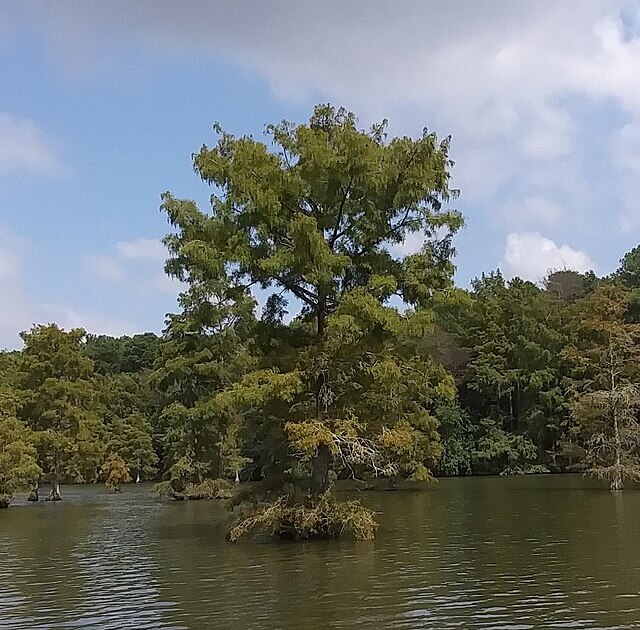
Bald cypress is a deciduous conifer, meaning it drops its needles in winter, but that doesn’t make it any less valuable to wildlife. Native to the southeastern United States, especially in swampy areas, it produces small cones filled with seeds that waterfowl and squirrels enjoy. Its wide, buttressed base provides shelter for mammals, and its bare branches still serve as perches for birds.
It’s not invasive and can adapt to both wet and moderately dry soils, making it surprisingly versatile. I find bald cypress to be an underappreciated gem for wildlife planting—it’s beautiful, long-lived, and adds a unique texture to the winter landscape while still feeding and protecting animals when other food sources have dwindled.