

Late summer often feels like a garden crossroads: spring crops are winding down, and you’re itching to plan that next planting. It’s such a bummer when soil becomes depleted or pests linger year after year—and August offers a golden window to nip those issues in the bud! By rotating your crops now, you set the stage for healthier, more productive beds come spring.
As an enthusiastic gardener who’s seen the magic of well-executed rotations, I can’t help but get excited about August’s timing. Warm soils, active microorganisms, and the tail end of summer growth all converge to make crop changes especially effective. Whether you’re shifting from tomatoes to legumes or pulling spent peppers to make room for brassicas, here are ten compelling reasons to embrace crop rotation this month!
Disrupt Pest and Disease Cycles
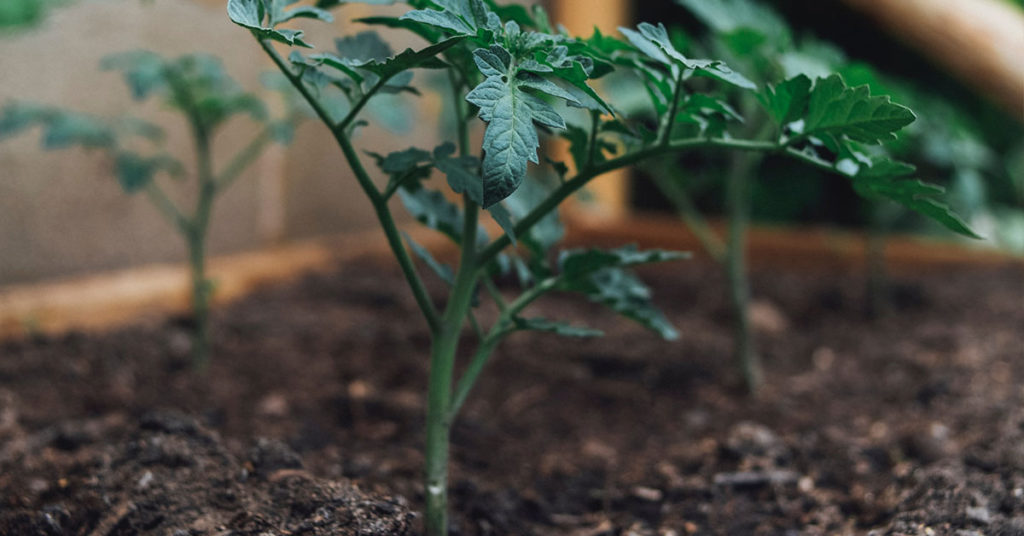
Many garden pests and diseases are host-specific, meaning they overwinter or persist in the soil where their favorite plants once grew. By rotating crops in August—say, replacing nightshades with legumes—you break those cycles and leave hungry pests scrambling for a new host!
This timed switch also prevents soilborne pathogens from building up around roots. I once had root-knot nematodes devastate my tomato patch until I rotated in marigolds and beans one August—those beneficial flowers attracted nematode-eating predatory mites and significantly reduced my pest load!
Improve Soil Nutrient Balance

Different crops demand different nutrients, and August’s rotation allows you to follow heavy feeders with nitrogen-fixers like beans or clover. This natural replenishment spares you from over-relying on synthetic fertilizers and mimics the diversity found in wild plant communities.
Leguminous roots host nitrogen-fixing bacteria that enrich the soil, while brassicas left from your spring harvest can be chopped and worked in as green manure. The result? Balanced soils that fuel strong growth in your next planting cycle, without the fatigue that comes from nutrient imbalances.
Harness Active Microbial Populations
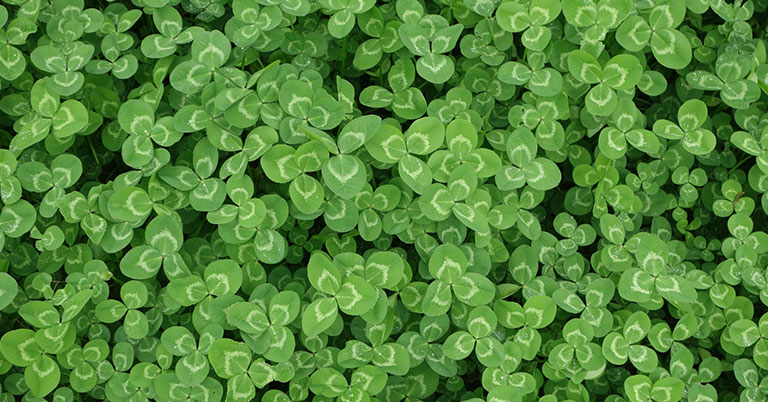
Soil microorganisms hum with activity during late summer’s warmth. By rotating crops now, you tap into that microbial energy to break down leftover plant residues, green manures, and cover crops. This accelerated decomposition improves soil structure and nutrient availability for your future seedlings!
I love watching earthworms feast on decomposing legume roots, their casting trails aerating the soil and boosting drainage. Those same microbe-rich tunnels become highways for water and root growth, setting your fall or spring crops up for success.
Optimize Warm Soil for New Seeds
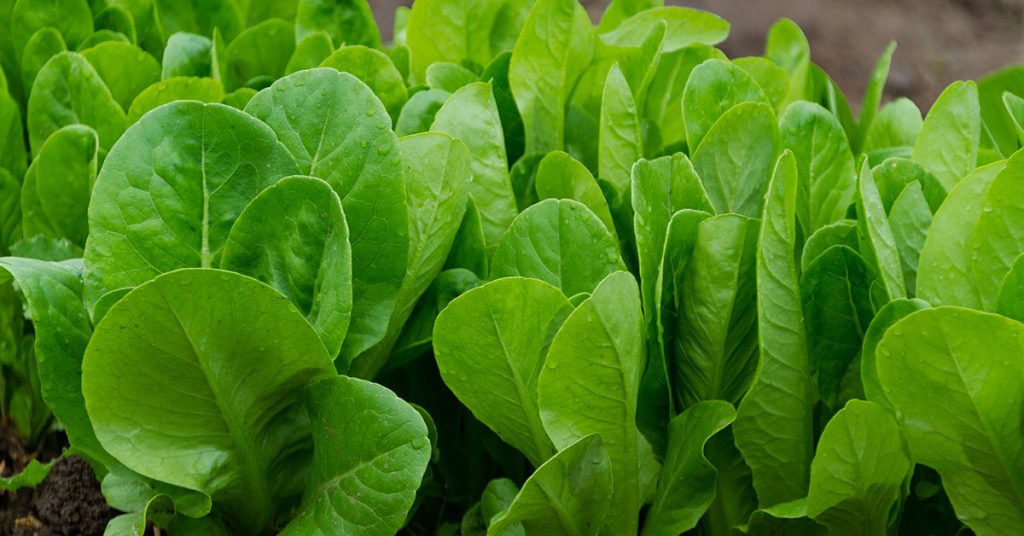
August soils retain prime warmth from summer sun, giving fall-sown seeds—like lettuce, spinach, or kale—a comfortable germination bed. Rotating clear beds early in the month ensures you can sow directly as soon as the old crop is out, avoiding the soil-cooldown lag that comes in September.
I’ve found that spinach sown in an August-rotated bed germinates in half the time it does in cooler soils. That head start allows robust transplants that can weather early frosts when winter’s first chill arrives!
Promote Organic Matter Incorporation

With warm temperatures still in play, green manures and spent crop residues break down faster when incorporated into the soil after rotation. This process builds organic content, improving water retention and root penetration for future plantings.
One of my favorite practices is sowing buckwheat in rotated beds mid-August: it flowers quickly, attracts beneficial pollinators nesting in the maturing stalks, and by cutting it down before frost, it turns into a rich, crumbly mulch that boosts soil tilth.
Reduce Weed Pressure
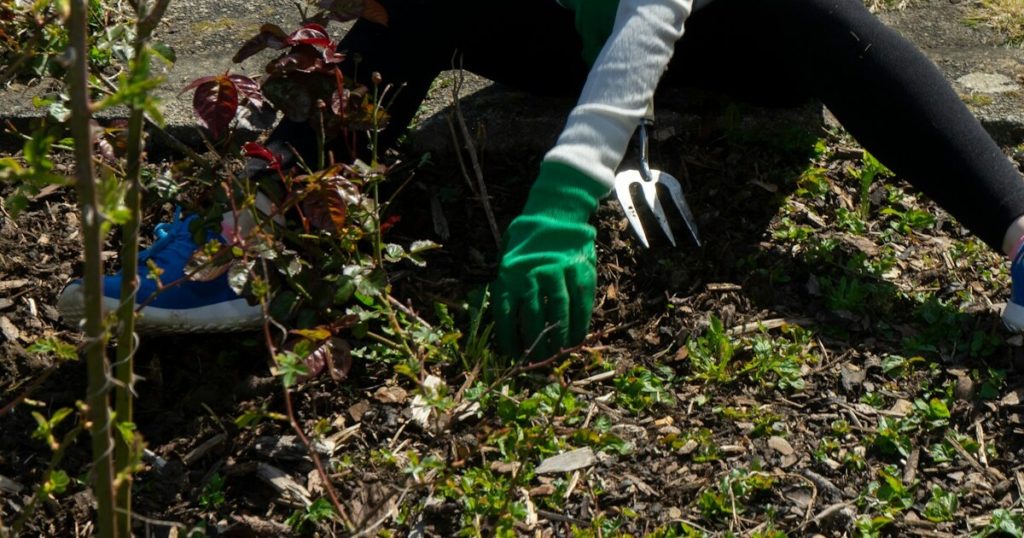
Rotating crops disrupts the life cycle of common weeds adapted to your original plant family’s cover. For example, if you follow a solanaceous bed with a dense patch of grains or brassicas, many solanaceae-specific weeds won’t find a hospitable niche.
Cover crops sown immediately after rotation also outcompete opportunistic weed seedlings, smothering them before they establish. I’ve noticed that beds rotated in August and then seeded with rye or oats remain virtually weed-free all fall!
Encourage Beneficial Insect Habitats

Certain rotations—like introducing flowering buckwheat or phacelia—provide late-season nectar for pollinators and predatory insects. These beneficials often nest or overwinter near their food sources, meaning your August rotation can create vital refuges right when resources wane elsewhere.
I treasure the sight of hoverflies patrolling my brassica beds in September, their larvae devouring aphids that might otherwise harm my kale. Those early habitat choices hinge on thoughtful crop rotation in late summer!
Manage Soil Moisture More Effectively

August rotations let you assess and improve soil drainage before cooler, wetter weather sets in. Heavy-feeding crops often compact the soil; swapping in deep-rooted plants like turnips or radishes loosens it up, reducing waterlogging risks when autumn rains come.
I like to alternate shallow-rooted greens with root vegetables, allowing the latter to fracture compacted zones. This natural biotilling prevents surface runoff and puddling, protecting delicate transplants from rot in the next planting phase.
Leverage Residual Heat for Pre-Tilling

By clearing spent crops and rotating beds in August, you can schedule light tilling or broadforking while the soil is warm and drier. This preps a fine seedbed without the heavy clay compaction risk that cooler, wetter soils bring in the fall.
Early soil preparation also gives you time to adjust pH or amend with compost before it rains, ensuring amendments incorporate thoroughly. Last year, my tomatoes-followed-by-carrots plot got an August fork and mulch layering, and those carrots turned out perfectly straight!
Extend the Growing Season with Succession Planting

Finally, August rotations enable seamless succession planting: once you’ve removed your spring peppers, you can immediately sow quick-maturing fall crops like arugula or radish. This continuous turnover maximizes yield per square foot and keeps your beds busy until frost!
There’s a special joy in watching a last batch of radishes pop out of a freshly rotated bed just as summer ends. It’s the payoff for that timely August shuffle—fresh vegetables right into the cool season, without skipped beats!