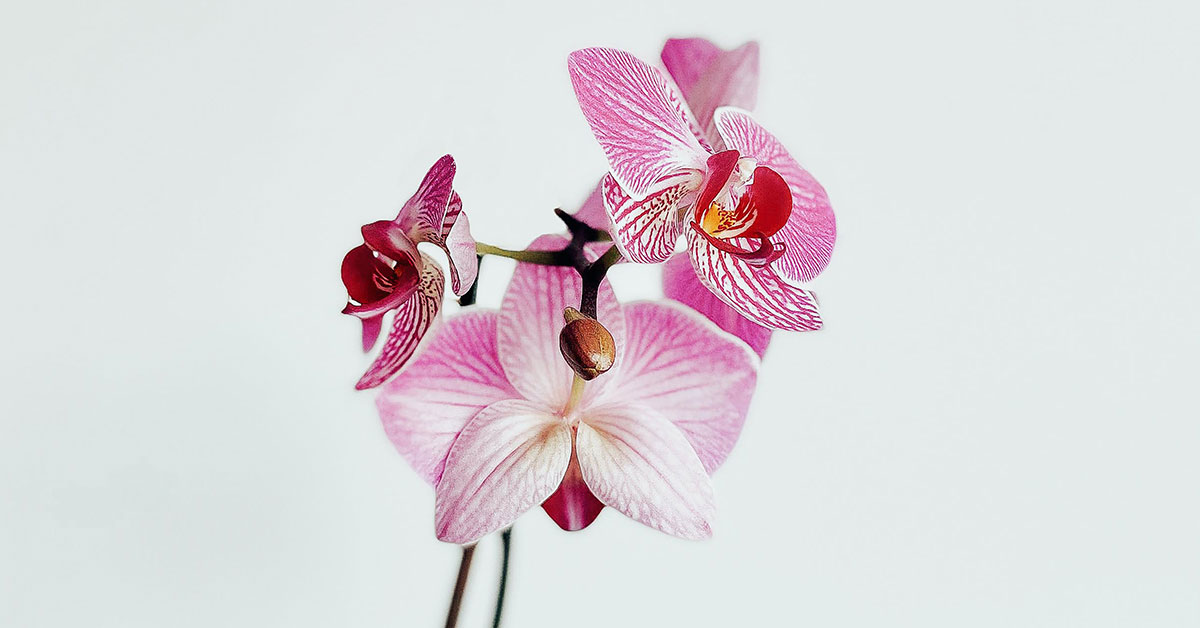

Late summer can be a tricky time for orchids. With the intensity of July’s sun lingering and cooler nights on the horizon, it’s such a bummer when our exotic friends start showing wilted leaves or dropped buds. I know how frustrating it is to nurture those delicate blooms only to see them sulk as the seasons shift. But fear not—by giving your orchids a few targeted treatments now, you’ll help them finish the season strong and set the stage for spectacular blooms next year!
As someone who’s endlessly fascinated by orchids—many of which hail from the rainforests of Southeast Asia, Central and South America—I get a real thrill from mimicking their native habitats. Rest assured, these epiphytic wonders aren’t invasive in our homes; instead, they rely on your care to thrive. From boosting humidity to fine-tuning light and moisture levels, here are eight essential steps to support your orchids before summer bids us farewell!
Inspect Roots and Repot if Necessary

Orchid roots differ from most houseplants: they’re covered in velamen, a sponge-like tissue that soaks up moisture and nutrients. By late summer, crowded or decomposed bark mixes can suffocate roots and invite rot. Gently slip your orchid from its pot to examine the roots—healthy ones should be firm and silvery-green when moist. If you spot mushy brown sections or a tangled mess, it’s time to repot into fresh, chunky bark or sphagnum moss!
Repotting not only renews aeration but also mimics the orchids’ native growth on tree branches in tropical forests. While this task can feel intimidating, I find there’s nothing more satisfying than watching fresh roots weave into new medium. A confident repot will have your plant sipping up water more efficiently and reward you with robust growth.
Adjust Light Exposure Gradually

Orchids hail from understories where dappled sunlight filters through dense canopies. In midsummer, intense direct sun can scorch leaves; yet as days shorten, too little light may stall bud development. If you’ve kept your orchid in bright morning sun, consider moving it to east- or north-facing windows now—areas that offer bright, indirect light without the harsh afternoon glare.
I once watched a Phalaenopsis recover dramatically simply by shifting it a few feet away from a west window! Those adjusted light levels help the plant transition toward its autumnal growth cycle, encouraging bud set rather than leaf elongation—a crucial step for next spring’s spectacular flowers.
Fine-Tune Your Watering Schedule

As temperatures peak, you may have watered your orchids every five days or so. But late summer nights often bring cooler dips, slowing substrate drying. Slip your finger into the bark mix—if it still feels damp an inch down, hold off on the next watering to prevent root rot. Conversely, if it’s bone-dry, a gentle soak in tepid water will revive thirsty roots!
This balance reflects the orchids’ native wet–dry cycles in tropical Asia and the Americas, where summer rains alternate with brief dry spells. By paying close attention now, you keep roots healthy and ensure that nutrient uptake remains steady through seasonal shifts.
Boost Humidity Around Your Plants

Orchids thrive in humid environments—often above 60% in their native rainforests. Home air in late summer can be surprisingly dry, especially with air conditioning running. I like placing my orchids on pebble trays filled with water: as it evaporates, humidity rises around the leaves without wetting them directly, reducing fungal risks.
Alternatively, grouping orchids together creates a microclimate where each plant’s transpiration benefits its neighbors. Higher humidity also attracts beneficial springtails and mites in the substrate, which help break down organic matter and keep roots healthy—almost like recreating a miniature jungle floor!
Feed with a Balanced Orchid Fertilizer
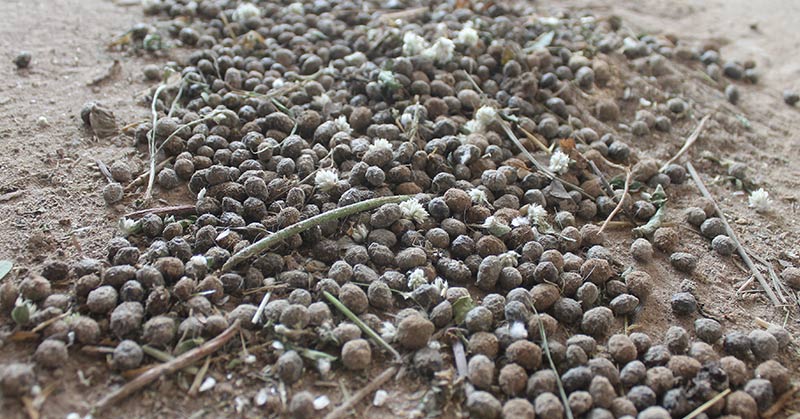
As summer wanes, orchids begin shifting from vegetative growth toward bud initiation. A balanced, water-soluble orchid fertilizer—like a 20-20-20 formula—applied at half strength every two weeks provides essential nitrogen, phosphorus, and potassium without burning delicate roots. I always water first, then feed, to prevent fertilizer salt buildup.
In their native habitats, orchids receive sparse, diluted nutrients from rainwater trickling over decaying bark and leaves. Mimicking that gentle feeding keeps your plants vigorous without promoting excessive leafiness, setting the stage for robust flower spikes when the cooler days arrive.
Prune Spent Blooms and Sanitize Tools
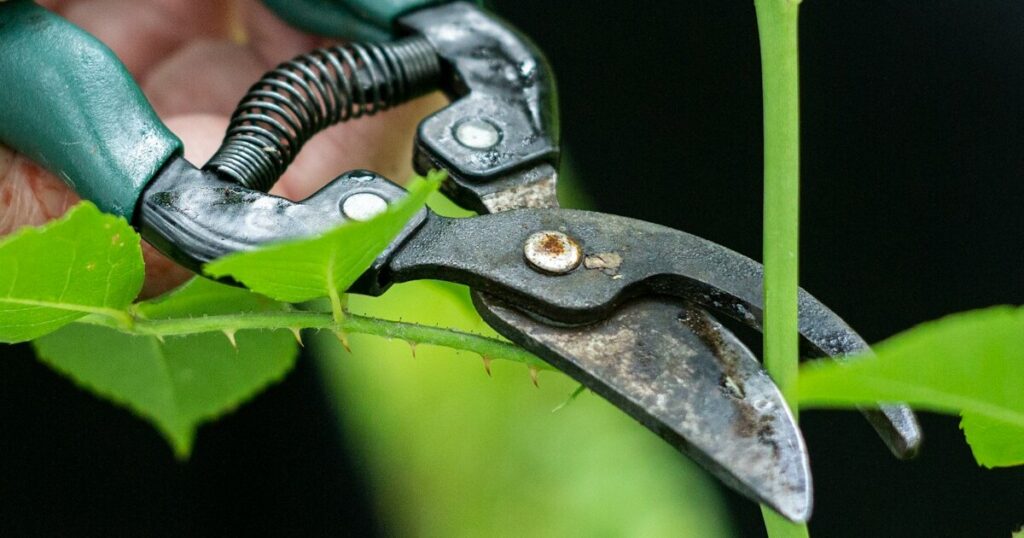
Once an orchid spike has finished flowering, trim it just above a healthy node or cut it off entirely at the base—depending on species—to focus energy on new growth. This pruning prevents the plant from wasting resources on old flowers and reduces hiding spots for pests. I find that a crisp cut with sterilized shears makes all the difference!
Clean your tools with alcohol between cuts to avoid transferring bacterial or fungal spores. This step is especially vital in late summer’s warm, humid conditions that can encourage rot. A little sanitization now helps maintain a disease-free environment for next season’s blooms.
Check for Pests and Diseases

It’s such a bummer when scale insects or mealybugs take up residence under orchid leaves or in root crowns. These pests can weaken your plant just as it’s preparing to flower. Inspect every leaf axil and root junction, and if you spot any, treat promptly with a gentle neem oil spray or an application of insecticidal soap.
Because orchids aren’t invasive houseplants, infestations tend to stay localized—provided you act swiftly. Early detection and treatment ensure your orchid doesn’t waste precious energy on pest defense, leaving it free to channel strength into lush petals.
Prepare for Cooler Nights and Seasonal Rest
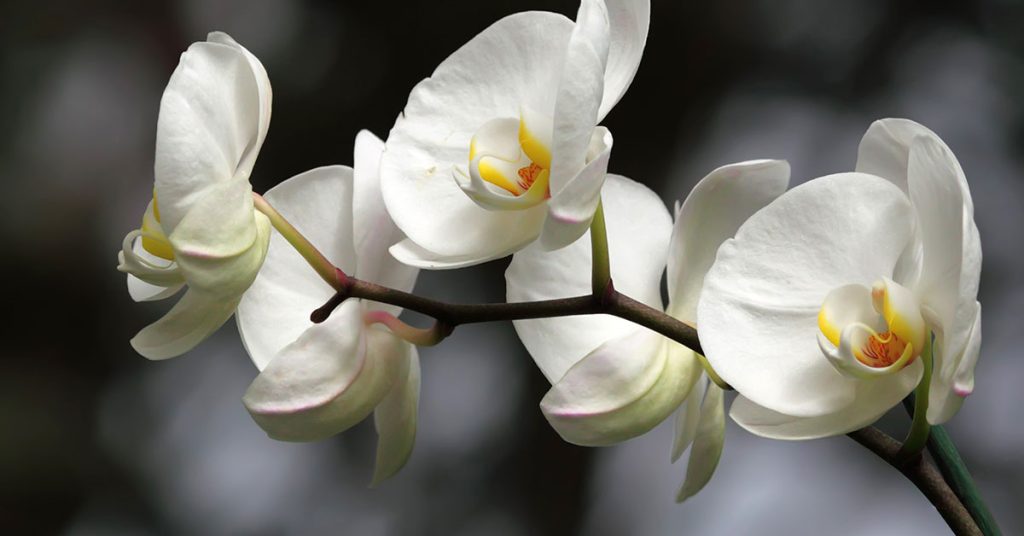
As August days shorten, orchids start sensing the approach of fall. Some species, like Cattleyas, benefit from a slight drop in nighttime temperature—around 10°F cooler—to induce bud formation. If possible, move them to a location that naturally cools overnight, such as a well-ventilated porch or an east-facing windowsill.
This diurnal temperature variance echoes their native mountain habitats in Central America, where nights cool significantly even in summer. By simulating that cycle now, you give your orchids the environmental cue they need to transition from leafy growth into the next flowering phase.