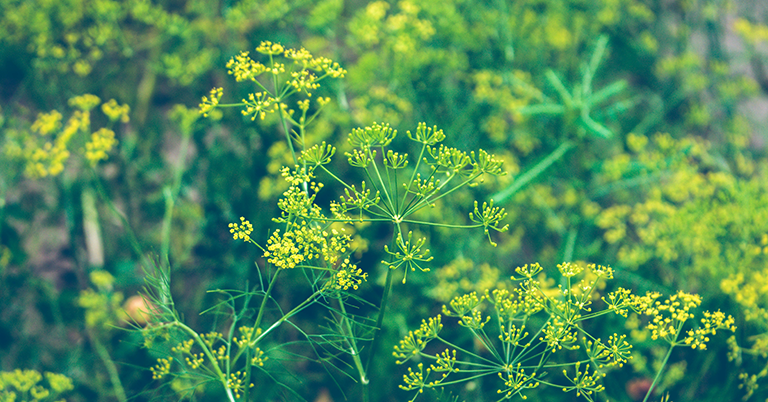

Late summer is the time when herb gardens truly shine, bursting with fragrant foliage just begging to be snipped and savored. It’s such a bummer when you walk out expecting a bounty only to find limp, sun-scorched stems—so knowing exactly which herbs hit their peak in August makes all the difference! These eleven culinary and aromatic powerhouses are at their most flavorful now, ready to transform your kitchen and garden alike.
As a gardener who’s endlessly thrilled by the magic of fresh herbs, I get a kick out of harvesting at precisely the right moment. Many of these herbs hail from Mediterranean climates—none are invasive in home gardens—and their summer blooms even draw in beneficial pollinators and provide nesting nooks for tiny native bees. Let’s dive in and discover which leaves and stems you should be snipping this month!
Dill (Anethum graveolens)
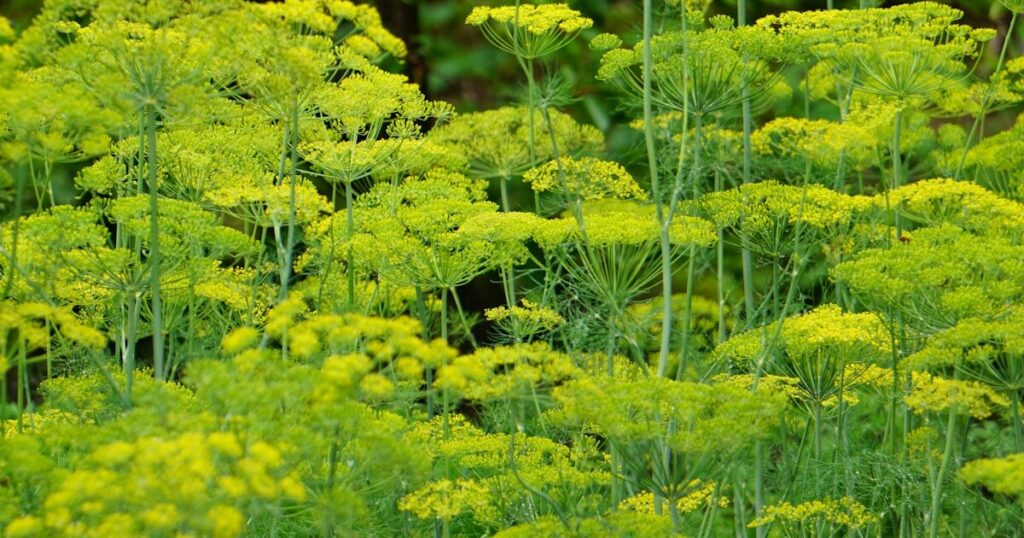
Dill is native to the Mediterranean and western Asia, thriving in full sun and well-drained soil. By August, your feathery fronds will be lush, with umbrella-shaped flower heads nodding atop slender stalks. Harvest stems just before full bloom for the most intense flavor, perfect for pickles, dressings, and seafood dishes.
Those yellow umbels don’t just look pretty—they attract beneficial hoverflies whose larvae feast on aphids hiding on other plants. Some small solitary bees will even use hollow dill stalks as nesting tunnels, turning your dill patch into a late-summer insect haven!
Rosemary (Salvia rosmarinus)
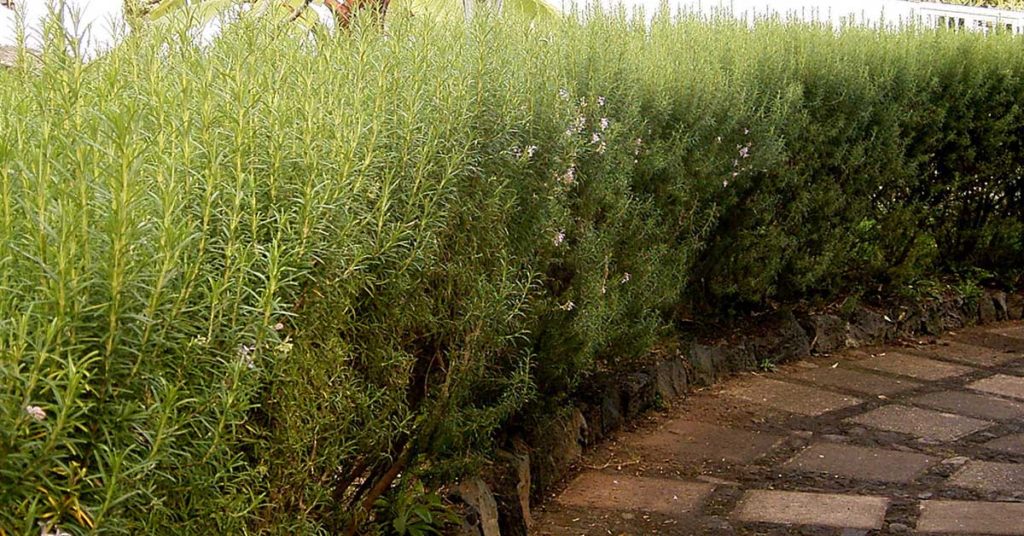
One of my favorite perennial herbs, rosemary hails from the sun-baked hills of the Mediterranean. In August, its deep green, needle-like leaves are at their most fragrant and flavorful—ideal for roasting potatoes or infusing olive oil. Snip new growth tips for the tenderest texture and best aroma.
Rosemary’s pale blue flowers also bloom in late summer, drawing in hoverflies and small native bees that sometimes nest in the woody stems. It’s not invasive in most climates, so feel free to rejuvenate your shrubs with heavy harvests now!
Mint (Mentha × piperita and relatives)
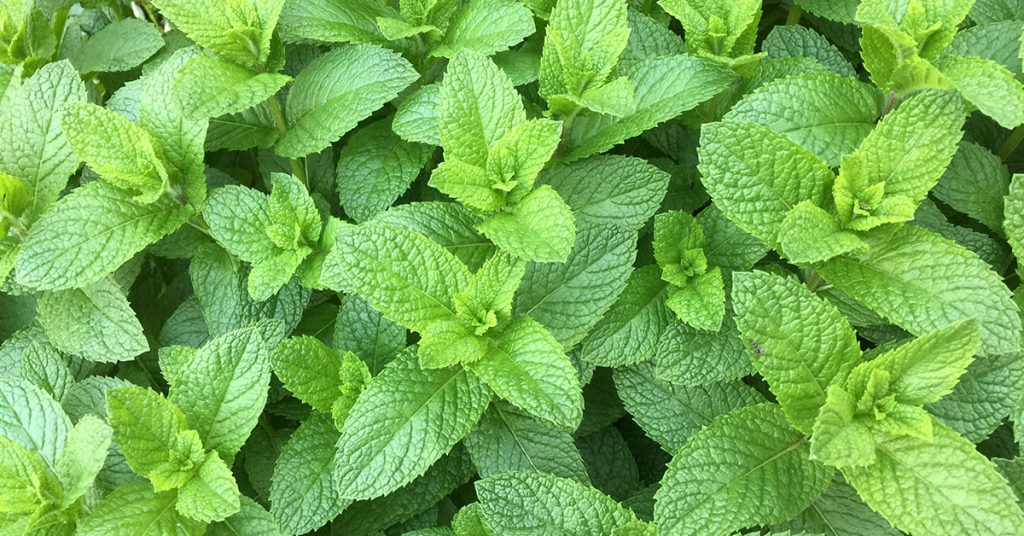
Mint’s rapid growth can feel overwhelming, but August is prime time to harvest before it flowers and becomes leggy. Native to Europe and Asia, peppermint and spearmint prefer moist soil and partial shade. Cut back stems just above a pair of leaves to encourage bushy regrowth and keep that invigorating menthol scent strong!
The tubular mint blossoms that follow will attract bumblebees and honeybees, which sometimes nest in nearby ground cavities. Since mint can spread via runners, I always contain it in pots—but its summer flowers are too good to miss for pollinators!
Oregano (Origanum vulgare)
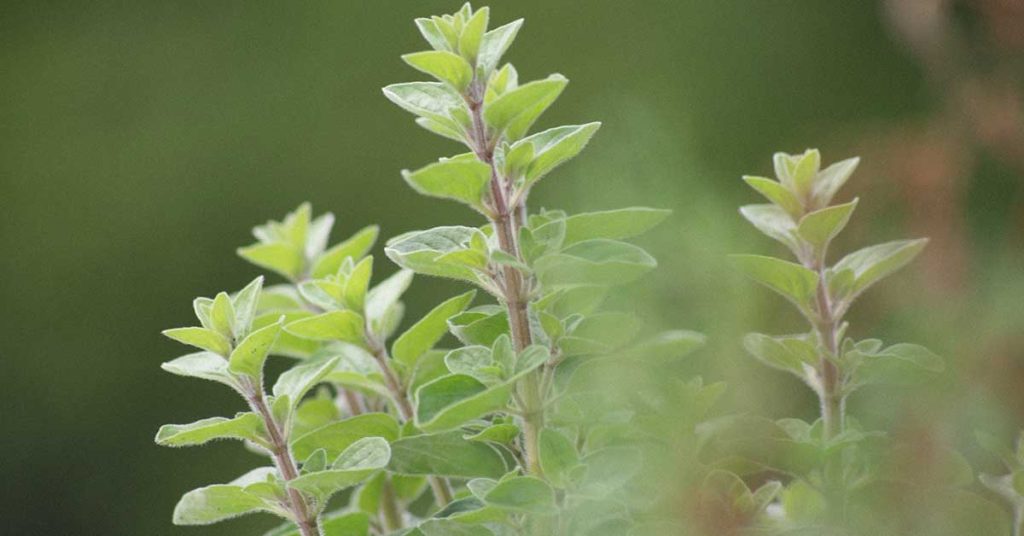
Oregano, another Mediterranean native, reaches full aromatic potential in August. Its small, oblong leaves concentrate essential oils most strongly just before the tiny pink or purple flowers open. Harvest stems in the morning after dew evaporates—one of my favorite rituals—to capture maximum flavor for pizza, sauces, and marinades!
Those flowers, when they finally bloom, lure in small solitary bees and hoverflies seeking nectar. Oregano isn’t considered invasive in most home plots, so you can shear heavily now and expect vigorous fall regrowth.
Thyme (Thymus vulgaris)
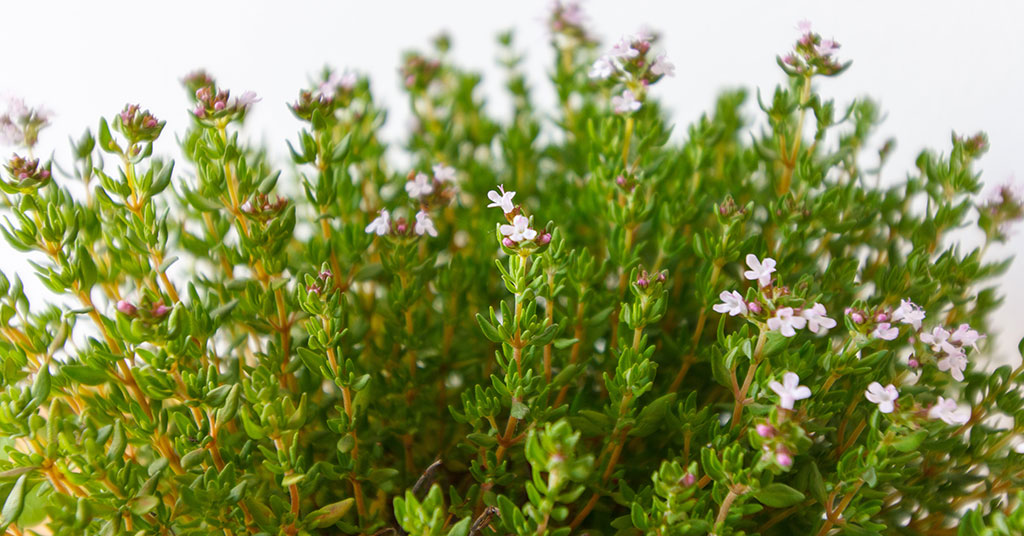
Thyme’s woody stems and tiny leaves pack an incredible punch when harvested in late summer. Native to southern Europe, this sun-loving herb grows in lean, rocky soil—conditions that concentrate its flavorful oils. Trim back the top third of the plant before it flowers to use fresh or dry for stews, rubs, and teas!
When thyme does bloom, its purple or white blossoms are a magnet for bees, especially tiny mining bees that sometimes nest in sandy soil beneath. Thyme spreads slowly and reliably, making it a low-maintenance treasure in your herb patch.
Sage (Salvia officinalis)
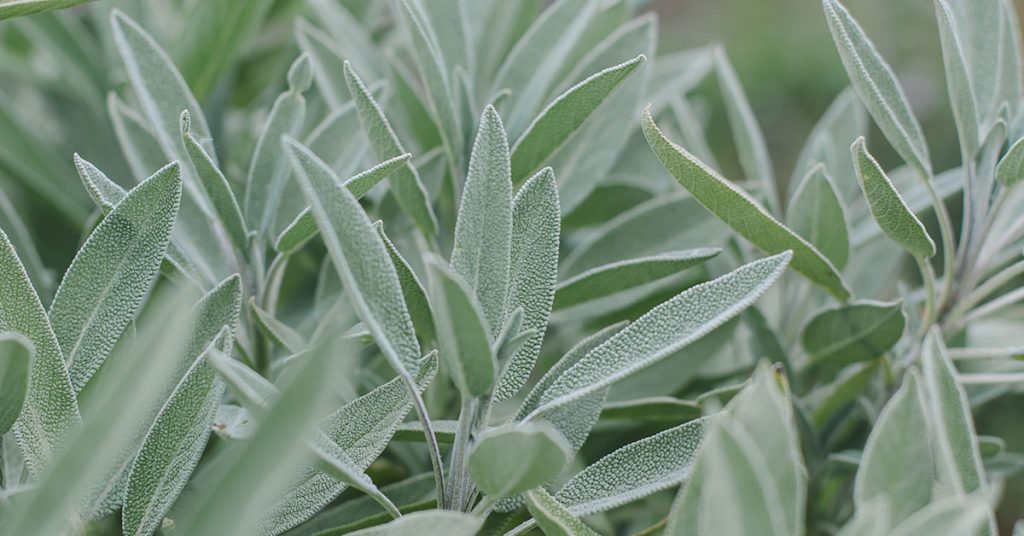
August is the sweet spot for sage—native to the Mediterranean coast—when its velvety leaves are lush and its flavor deep. Snip outer stems just above a leaf joint, leaving the woody base intact so new shoots emerge. I’m always delighted by the savory, slightly peppery scent that fills the air during a harvest!
Sage’s purple blooms follow, attracting bumblebees and carpenter bees that occasionally bore small tunnels in the plant’s base for nesting. Because sage seldom becomes invasive, you can indulge in generous gathering without worry.
Chives (Allium schoenoprasum)
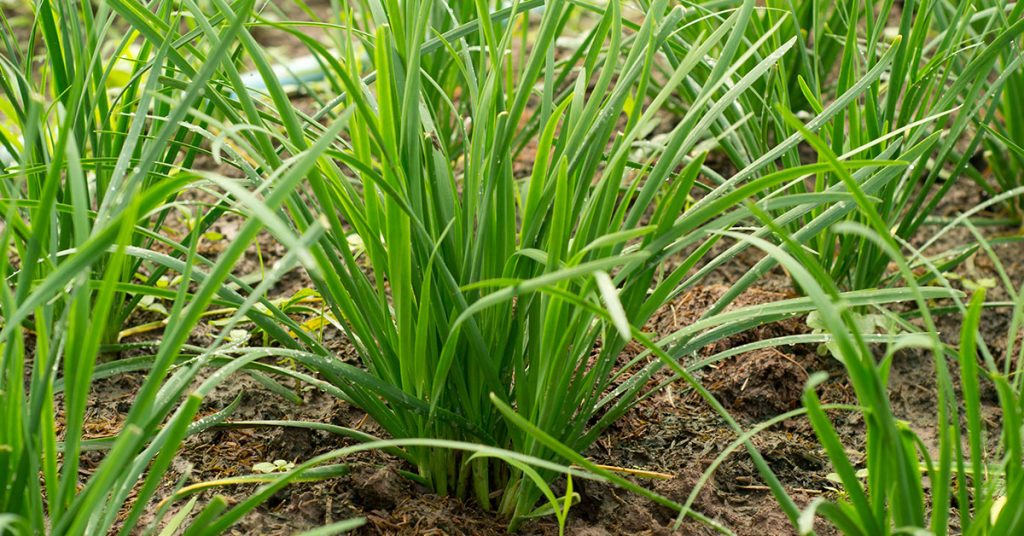
Chives, native to Europe and Asia, form neat clumps of hollow, grass-like leaves that are at their peak in August. Cut leaves down to the soil line to encourage fresh, tender regrowth for garnish on soups, salads, and egg dishes. Harvest before the lavender blossoms fully open for optimal flavor!
Those pastel blooms are magnets for bees and hoverflies, which sometimes nest in old hollow stems. Chives rarely spread uncontrollably, so regular snipping keeps them tidy and productive.
Cilantro (Coriandrum sativum)
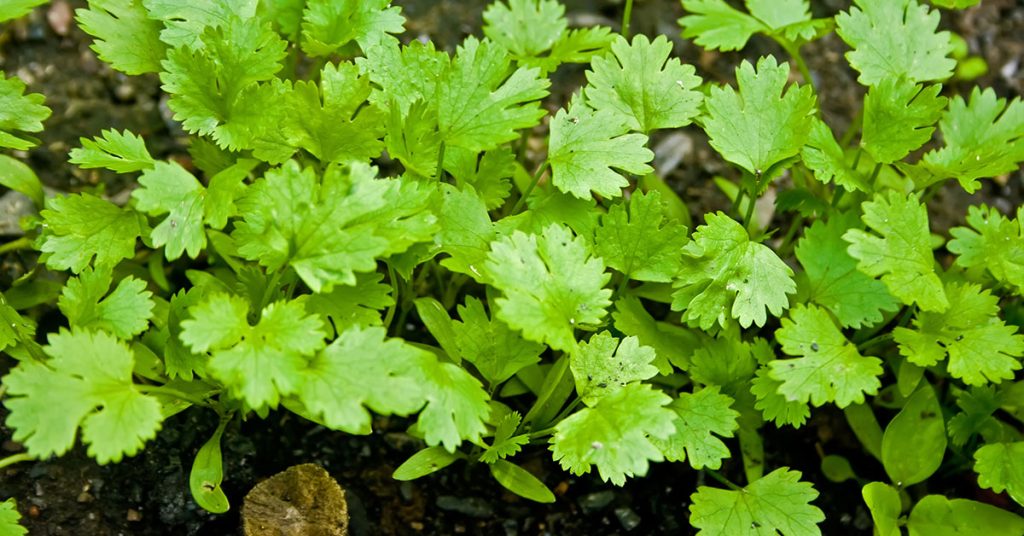
Cilantro has a reputation for quick bolting, but a mid-August sowing in partial shade can still reward you with fresh leaves and seeds. Native to the Mediterranean, its lacy foliage and citrusy aroma elevate salsas and salads. Snip individual leaves as needed, taking care not to strip entire stems.
If any plants bolt, the delicate umbels of tiny white flowers offer nectar to parasitic wasps that keep caterpillars in check—a sweet trade-off for a few seed heads! Since cilantro self-seeds sparingly, you won’t find it popping up where you don’t want it.
Parsley (Petroselinum crispum)
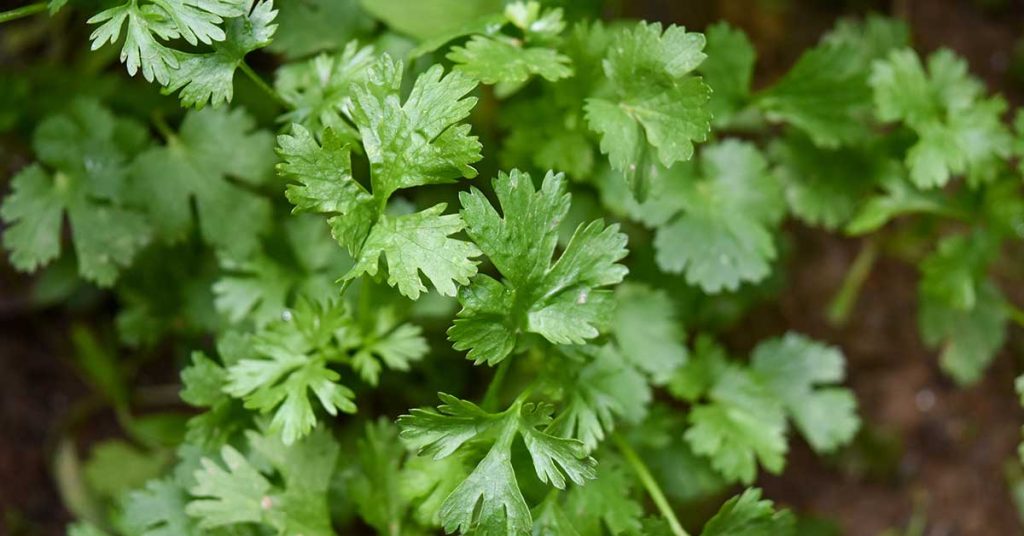
Parsley, originating from the central Mediterranean, thrives in fertile, well-drained soil. August harvests should focus on outer stems, snipped at the base to allow inner shoots to develop. I love the bright, clean flavor that fresh parsley brings to salads, pestos, and vegetable dishes!
When parsley bolts, its yellow umbels attract a suite of beneficial insects—hoverflies, ladybugs, and parasitic wasps—all of which sometimes nest in the hollow stems. As a biennial grown as an annual, parsley stays perfectly put in its bed.
Lemon Balm (Melissa officinalis)
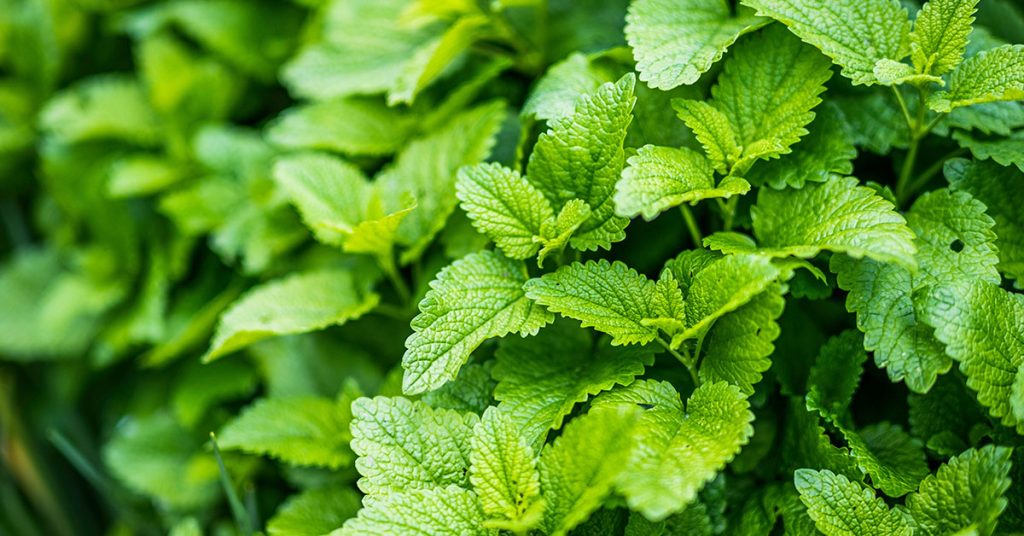
Lemon balm, a mint relative from Europe’s riverbanks, peaks in fragrant leaves in August. Snip the upper third of stems before flowering to use in teas, desserts, or infusions. Its bright citrus scent always puts a smile on my face during harvest!
If you let it bloom, clusters of white flowers draw in honeybees and native bumblebees, which sometimes nest in nearby crevices or old stems. Lemon balm can spread by runners, so I gently tug up excess shoots—but its bee-friendly blooms are worth every bit of effort!