
Late summer can feel like a race against the clock in the garden—those spring-sown crops are winding down, and you might be thinking, “Is it too late to plant anything?” I know how frustrating it is to watch your beds empty out while the craving for fresh greens still lingers. The good news is, mid-August is prime time to sow a second wave of quick-maturing vegetables that will reward you with crisp salads and tender roots before the first frost arrives!
As an avid gardener always on the hunt for late-season success, I get a thrill out of filling bare soil with new life. Many of these veggies hail from temperate regions—none are invasive in home gardens—and their blooms (if they bolt) host beneficial pollinators like native bees and hoverflies, which sometimes nest in the hollow stems afterward! Let’s dig into these twelve superstar vegetables perfect for an August planting spree.
Radishes (Raphanus sativus)

Radishes are legendary for their lightning-fast turnaround, often ready to harvest in as little as 30 days. Native to Southeast Asia, these peppery roots prefer loose, rocky soil so they can develop their crisp, round or elongated shapes unimpeded. They aren’t invasive—they spread only where you sow them—making them an ideal quick filler for empty rows.
When radishes bolt (as some do in cool weather), their delicate white or pink flowers attract small solitary bees and hoverflies. These beneficial insects sometimes use the hollow stems as nesting sites, contributing to a balanced garden ecosystem just when other blooms are winding down!
Spinach (Spinacia oleracea)
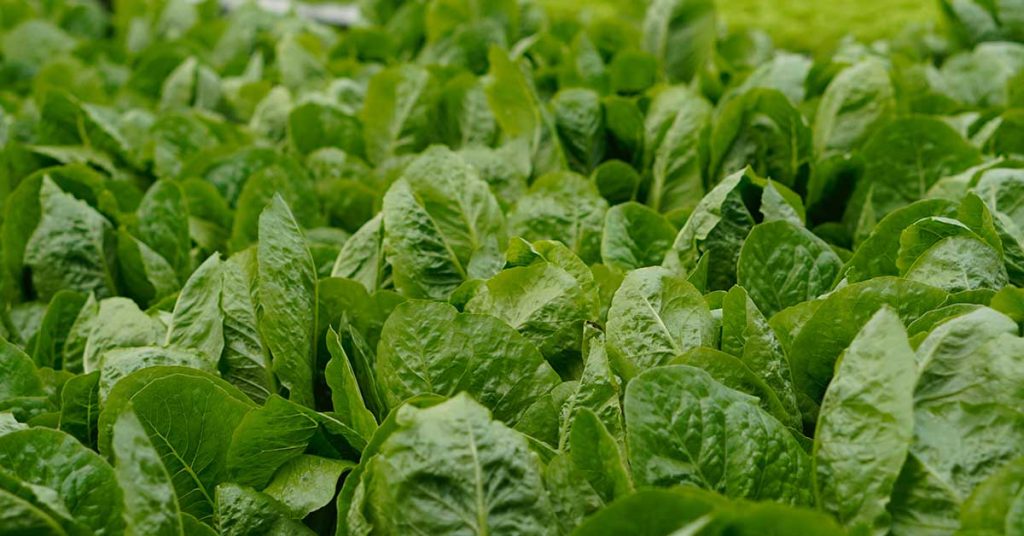
Spinach, originating from Persia, thrives in cooler temperatures and can mature in 35–45 days when sown in late summer. It adapts to most well-drained soils, though it prefers a bit of organic matter to keep its leaves tender. Because it’s a true annual in most home gardens, there’s no risk of it spreading unchecked.
On the off-chance your spinach bolts, the tiny greenish flowers it produces are a nectar source for native bees, which may establish nests in adjacent bare ground or deep leaf litter. That means even your spinach can play a role in supporting pollinator life just when the season shifts!
Arugula (Eruca sativa)
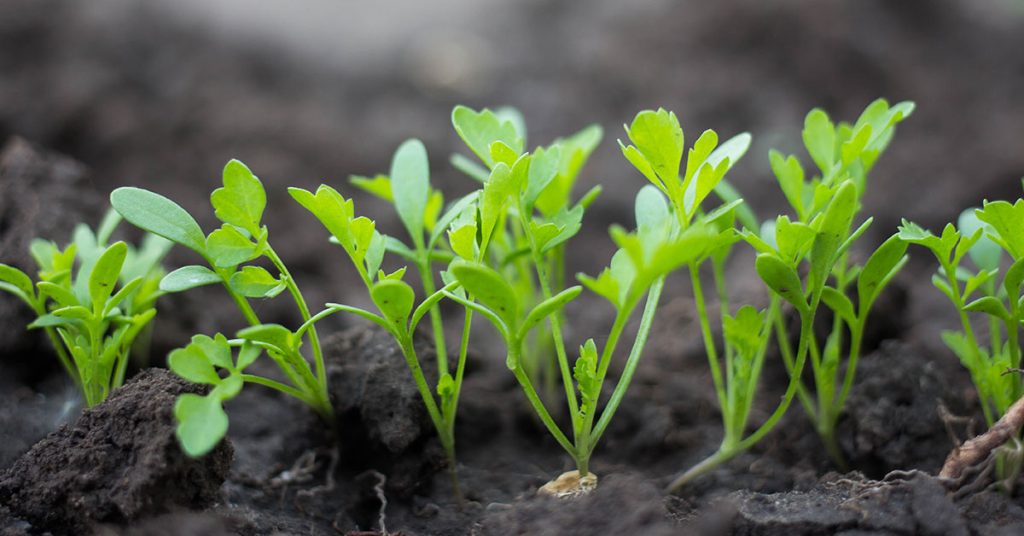
One of my favorite salad greens, arugula hails from the Mediterranean and can be ready to harvest in 25–30 days. Its deeply lobed leaves pack a peppery punch, and it flourishes in loose, well-draining soil with partial sun. Since it self-seeds minimally, you won’t find rogue arugula patches taking over—just neat, flavorful rows that vanish after frost.
If you let a few plants bolt, you’ll see little yellow mustard-family flowers that draw hoverflies and small bees. These beneficial insects sometimes use nearby plant debris or shallow soil cavities to nest, meaning your summer greens continue to fuel the garden’s pollinator community!
Mustard Greens (Brassica juncea)
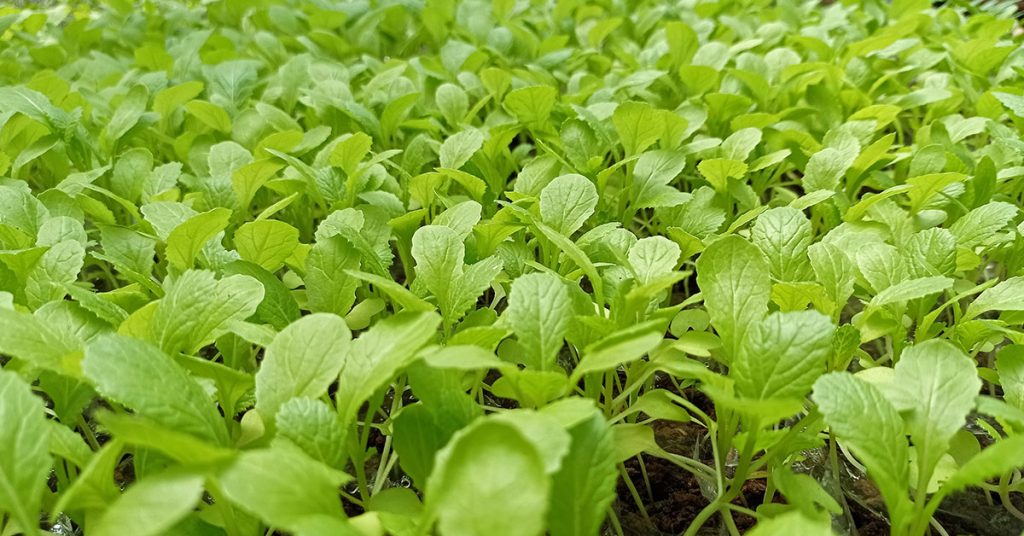
Mustard greens, native to Asia, bring spicy flavor to your plate in about 40 days. They prefer fertile, well-drained soil and a spot with morning sun and afternoon shade during late August’s heat. Being a non-invasive Brassica, they’ll mature without popping up in unwanted corners next spring.
When edible leaves give way to tall flower stalks, those bright yellow blossoms attract hoverflies and ladybird beetles, whose larvae feast on aphids elsewhere in the garden. Plus, tiny solitary bees sometimes hollow out old stems to create cozy nests—nature’s own upcycled apartments!
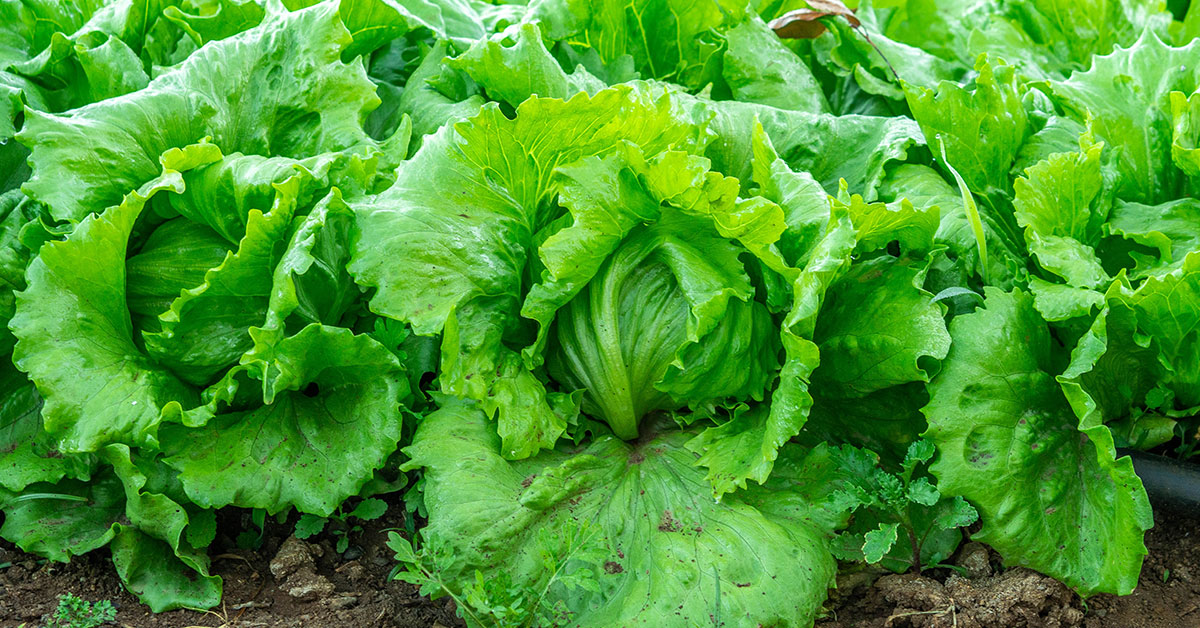
Lettuce (Lactuca sativa)
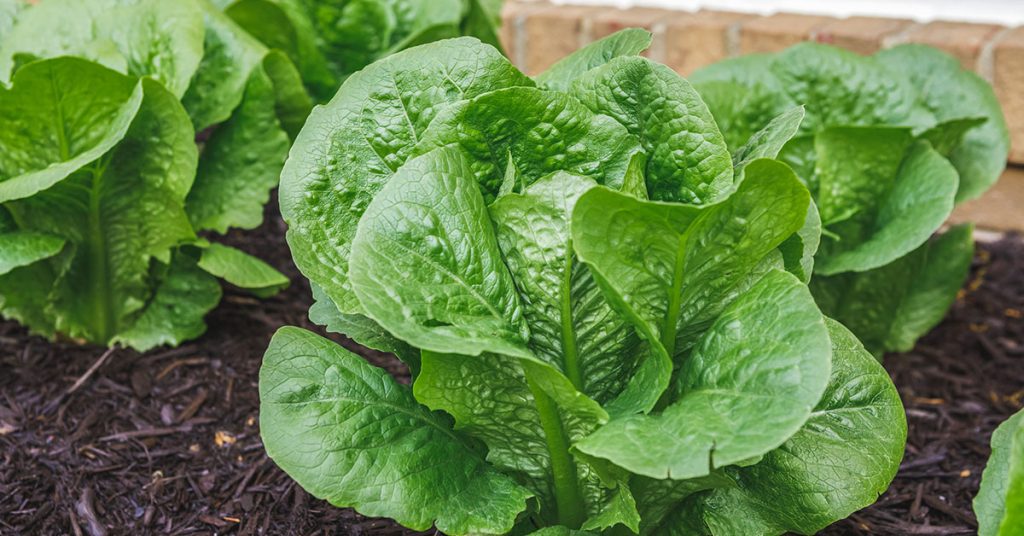
Lettuce offers endless variety—crisphead, butterhead, leaf—and many cultivars mature in just 30–50 days. Native to the eastern Mediterranean and western Asia, it thrives in fertile beds with consistent moisture. It’s a non-spreading annual, so you control exactly where your tender heads form.
Occasional bolting produces creamy white flower clusters that beckon tiny bee species and syrphid flies. These insects forage heavily on lettuce blooms and, once they finish feeding, sometimes nest in nearby soil cracks, enhancing late-season pollination throughout your garden.
Swiss Chard (Beta vulgaris ‘Bright Lights’)
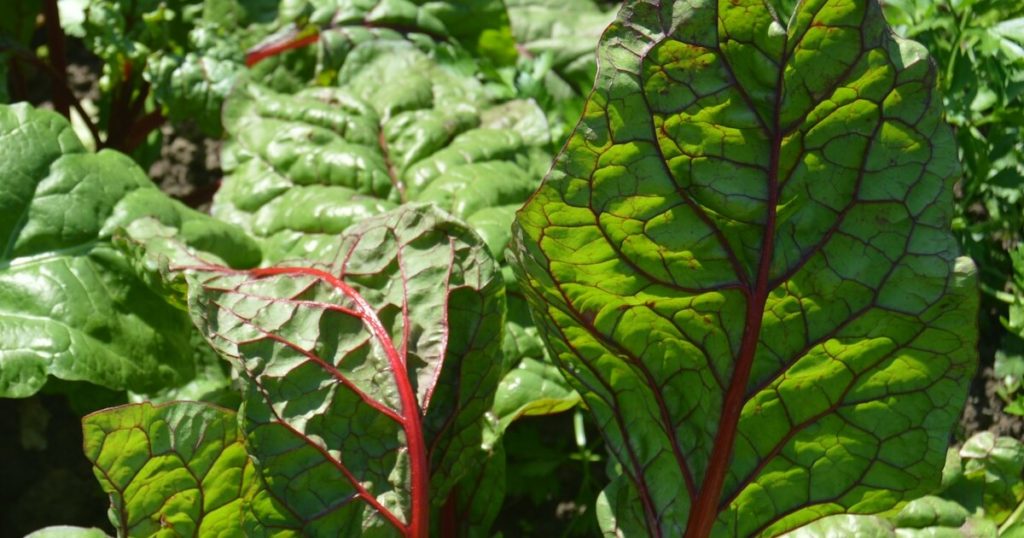
Swiss chard, descended from Mediterranean sea beet, forms robust leaf stalks in about 50 days. It tolerates a wide pH range and adapts to both sun and light shade—perfect for squeezing into late-summer beds. As a non-invasive biennial, you won’t see chard creeping beyond its plot.
If a few chard stalks bolt, their feathery white flowers attract small bees and beneficial lacewings, which prey on soft-bodied pests around your other crops. Some miner bees even bore shallow tunnels in the ground nearby, turning your chard patch into a late-season insect nursery!
Beets (Beta vulgaris subsp. vulgaris)
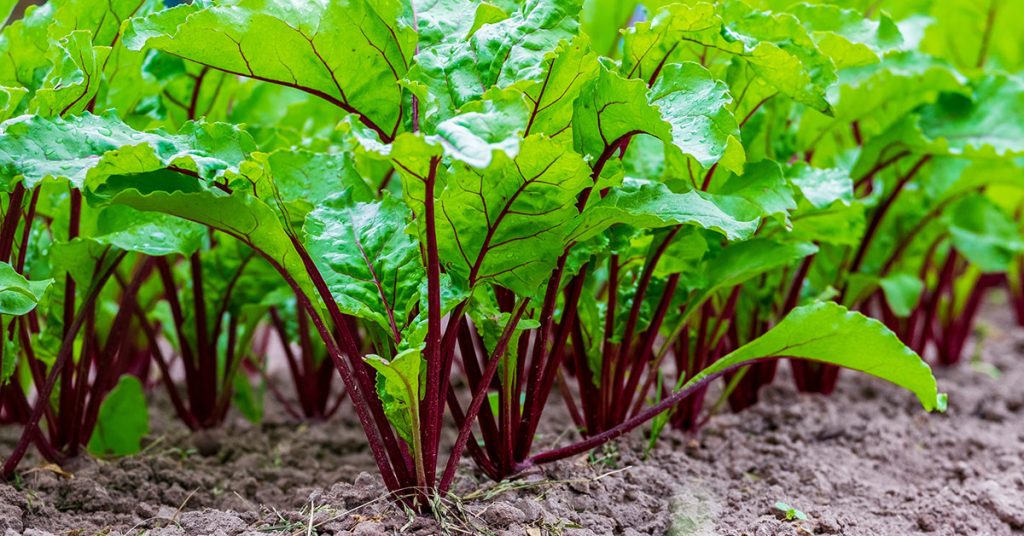
Beets, also native to the Mediterranean, typically mature in 50–60 days when sown in mid-August. They’re comfortable in well-drained, loamy soils with added compost. Because they’re biennials cultivated as annuals, they remain precisely where you plant them—no volunteer beet jungles here!
When allowed to bolt—especially in cool spell—their umbrella-shaped flower clusters attract predatory wasps and parasitic flies that seek out caterpillars on neighboring greens. After feeding, some solitary wasps nest in sloped soil patches around the beet crowns, completing a full ecological service!
Carrots (Daucus carota subsp. sativus)

Carrots, with origins in Persia and Afghanistan, need loose, stone-free soil to develop their slender roots in roughly 60 days. Plant mid-August for tender baby carrots or snap harvests before frost. They’re non-invasive and won’t spread beyond where you press those seeds into the earth.
Though we harvest the roots, stray plants may bolt and display delicate white umbrella flowers that beckon a range of beneficial insects—hoverflies, ladybugs, and lacewings—all of which sometimes nest in the hollow stems or adjacent leaf litter, bolstering fall pest control!
Turnips (Brassica rapa subsp. rapa)
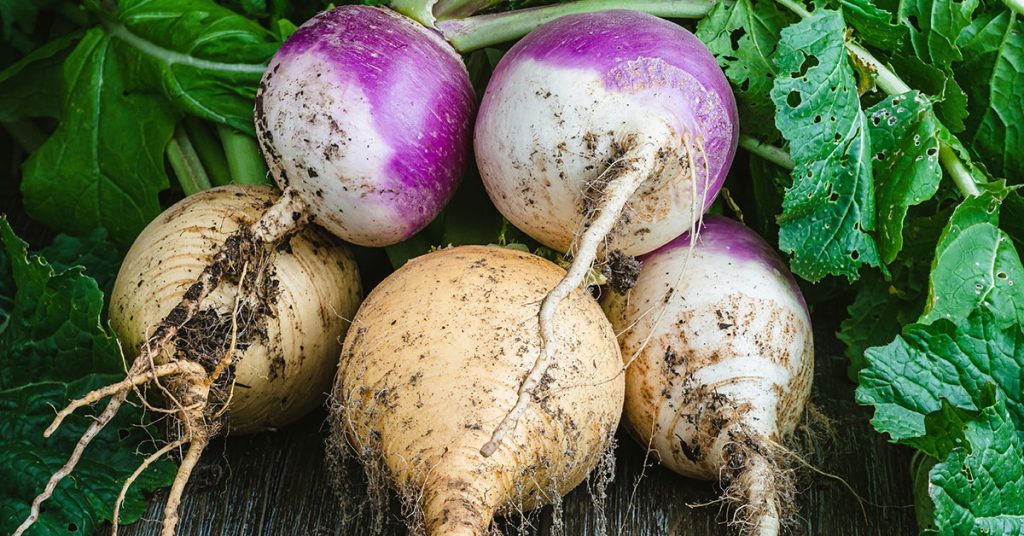
Turnips, native to Europe and Asia, mature their round roots in about 50 days, producing crisp bulbs and tender greens. They excel in fertile, well-drained soils and cool temperatures, making them perfect for late-season sowing. Being non-invasive, they stay neatly in their beds.
When turnip plants bolt, their yellow flowers attract a host of pollinators—especially small mason bees—which sometimes nest in narrow soil crevices around the plants. These cavity-nesting bees then return next year, ready to keep pollination humming!
Bok Choy (Brassica rapa subsp. chinensis)
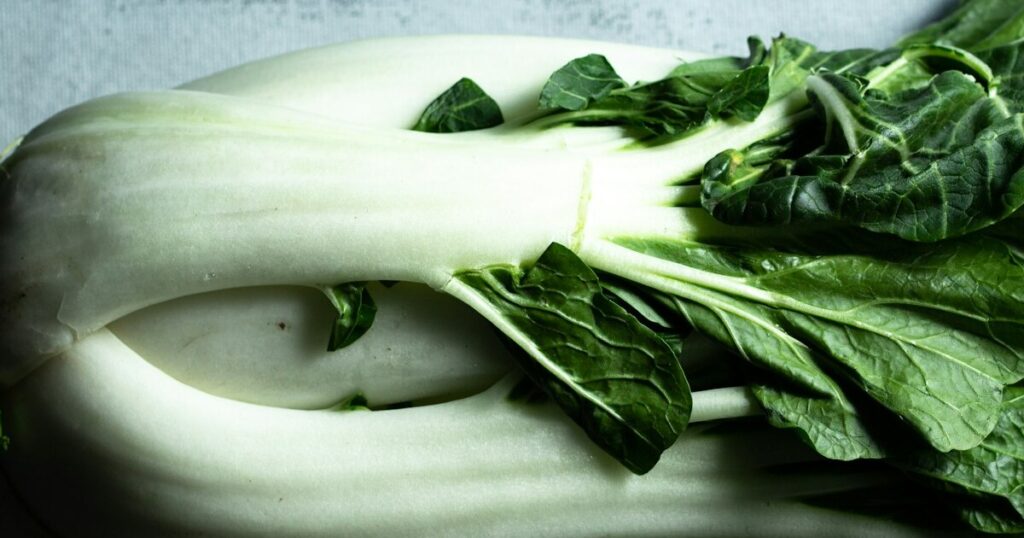
Bok choy, with roots in China, grows tender heads in as little as 30–45 days under cooler conditions. It likes rich, moist soil and part shade during the hottest afternoons. As a non-spreading vegetable, it’s content to stay confined to raised beds and containers.
Bolting bok choy produces clusters of white blossoms that lure hoverflies and tiny solitary bees. These insects often use the bolted stems as nesting galleries, supporting beneficial populations just when other floral sources have dwindled.
Broccoli Raab (Brassica rapa var. ruvo)
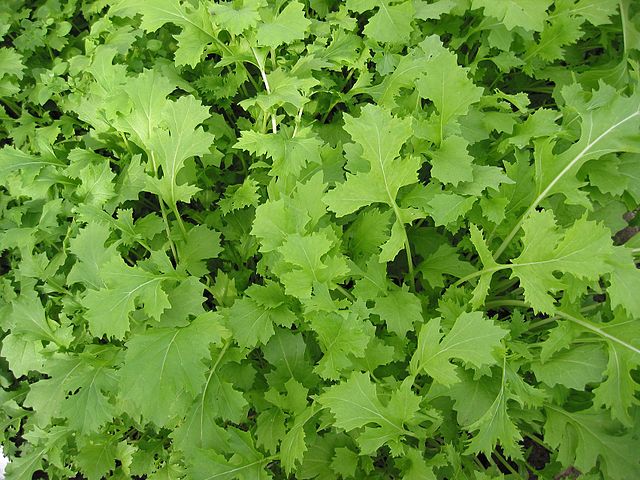
Broccoli raab, or rapini, comes from Mediterranean cuisines and forms tasty shoots in 40–50 days. It thrives in fertile, well-drained soil with partial sun. As a non-invasive annual, it won’t wander beyond where you sow it.
If a few raab plants bolt, their yellow flowers draw in predatory hoverflies and parasitic wasps hunting aphids. Some reed bees even nest in the hollow leaf stems—transforming your broccoli raab into a late-summer pollinator haven!