

Late summer can sometimes leave our gardens looking a bit tired, with spring favorites fading and the dog days of August dragging on. I know how frustrating it is to stand in a flower bed full of fading blooms and wonder, “What now?” The good news is that by sowing or setting out the right flowers in mid- to late August, you can enjoy a fresh wave of color and pollinator activity right through September and even into early October!
From sun-loving annuals to resilient perennials, these fifteen selections will dazzle with vibrant hues when other plants start to yawn. Native and non-invasive (in most home landscapes), each brings unique textures and behaviors—some offer nesting sites for beneficial insects, others provide late-season nectar for butterflies and bees. Let’s dive in and discover which beauties you can plant now for a spectacular late-summer show!
Strawflower (Helichrysum bracteatum)

Strawflowers hail from Australia, where they thrive in warm, dry meadows. Their papery, daisy-like blooms come in shades of crimson, gold, and orange—perfect for late-summer bouquets that last weeks! Sow seeds directly in well-drained soil and watch seedlings appear in as little as 10 days; they’re fast to establish and unfazed by heat.
These long-lasting blooms also draw in small solitary bees, which sometimes nest in the strawflower’s sturdy stems. Since they remain upright even after drying, you can leave spent blooms to stand as natural pollinator hotels, attracting tiny beneficial wasps and hoverflies seeking shelter!
Zinnia (Zinnia elegans)
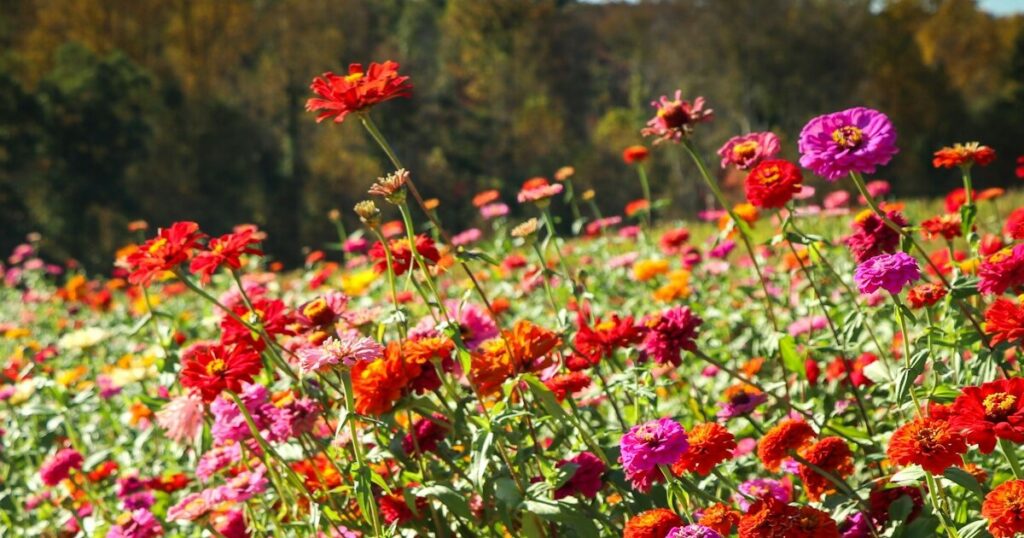
Zinnias, native to Mexico and Central America, burst into bloom within 60–70 days of sowing—ideal for an August planting schedule. Their bright, layered petals in nearly every color imaginable light up the garden and provide a rich source of nectar for butterflies. Direct-seed into full sun and fertile, well-drained soil; thin seedlings to about 6–12 inches apart for air circulation.
Zinnias often host tiny hoverfly larvae, voracious predators of aphids, making them natural allies against pests. Plus, their sturdy stems offer perching spots for ladybugs, encouraging these voracious aphid-eaters to patrol your flower beds all autumn long!
Cosmos (Cosmos bipinnatus)
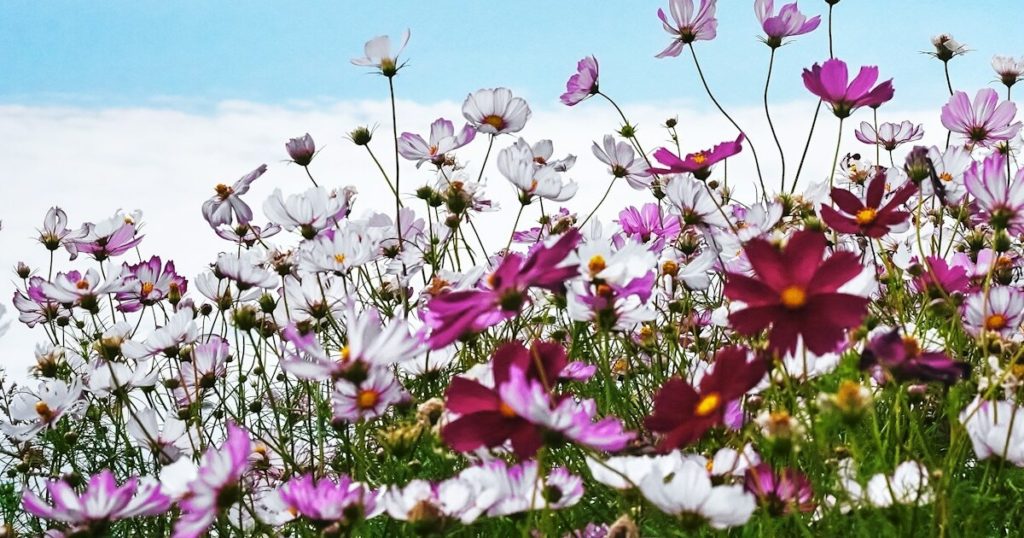
Cosmos originated in Mexico’s highlands, adapted to lean, well-drained soils and full sun. Sow seeds in late August, and you’ll see delicate, daisy-like flowers opening about 50 days later. Their lacy foliage adds light texture to borders, while those tall flower stalks sway in the slightest breeze—absolutely charming!
These blossoms are magnets for honeybees and native solitary bees, which sometimes hollow out thicker stems to nest. Cosmos self-seed sparingly but aren’t considered invasive in most regions, giving you delightful surprise seedlings next year without worry of overcrowding!
Rudbeckia (Black-Eyed Susan, Rudbeckia hirta)

Native across North America, Rudbeckia hirta flourishes in sunny spots and tolerates a range of soils, even clay if it drains. Direct-seed in August, and in 8–10 weeks you’ll be greeted by golden petals encircling dark central cones—classic late-summer color!
Black-eyed Susans are also loved by cavity-nesting bees, such as small carpenter bees, which use hollow stems to rear young. Because they’re native perennials (or reliable self-seeders), they naturalize pleasantly without becoming invasive, ideal for wildlife-friendly gardens!
Globe Amaranth (Gomphrena globosa)
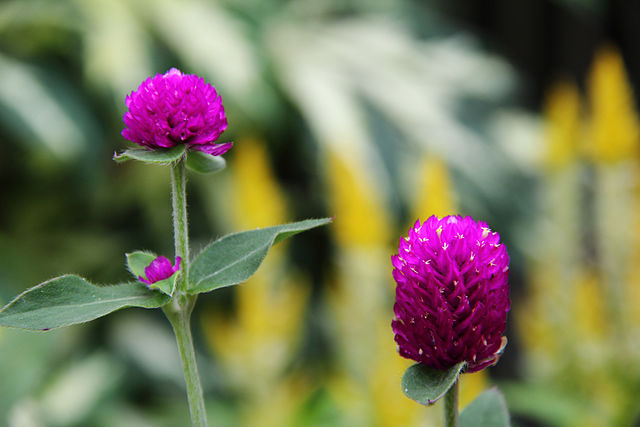
Globe amaranth originates from Central America and India, where it thrives in heat and humidity. Seed directly in well-drained soil under full sun, and within 8–10 weeks, you’ll have cheerful, clover-like blooms in magenta, purple, and white. Their rounded blossoms also make excellent dry arrangements, retaining color for months!
These flowers attract butterflies—especially monarchs—seeking late-season nectar stops before migration. They also provide tiny nooks for ladybird beetles to shelter, helping keep aphid populations in check. Although they self-seed modestly, globe amaranth isn’t known to be invasive in home gardens.
Cockscomb (Celosia cristata)

Celosia cristata, with its twisted, brain-like flower heads, hails from tropical Africa and Asia. When direct-seeded in warm August soils, it will burst into velvety red, orange, or yellow crests in about 8 weeks. Their unusual form adds incredible textural contrast to borders or mixed containers!
Besides its beauty, cockscomb draws beneficial hoverflies and syrphid flies, whose larvae devour aphids on surrounding plants. The sturdy flower spikes also give solitary bees a perch for patrolling the garden—a feast for the eyes and the ecosystem alike!
Mexican Sunflower (Tithonia rotundifolia)

Tithonia rotundifolia comes from Mexico and Guatemala’s sunny meadows, perfectly suited for direct-seeding in August. In just 70 days, these 4–6 foot towering blooms of fiery orange appear, creating a hummingbird magnet! Their large, open flowers give easy landing pads for bees, butterflies, and even hummingbirds eager for nectar.
Despite their height, Mexican sunflowers aren’t invasive; they self-sow few seeds and remain well-behaved if you deadhead spent blooms. Their dense foliage also serves as nesting cover for small ground-nesting bees, making your late-summer garden buzz with life!
Bachelor’s Button (Centaurea cyanus)
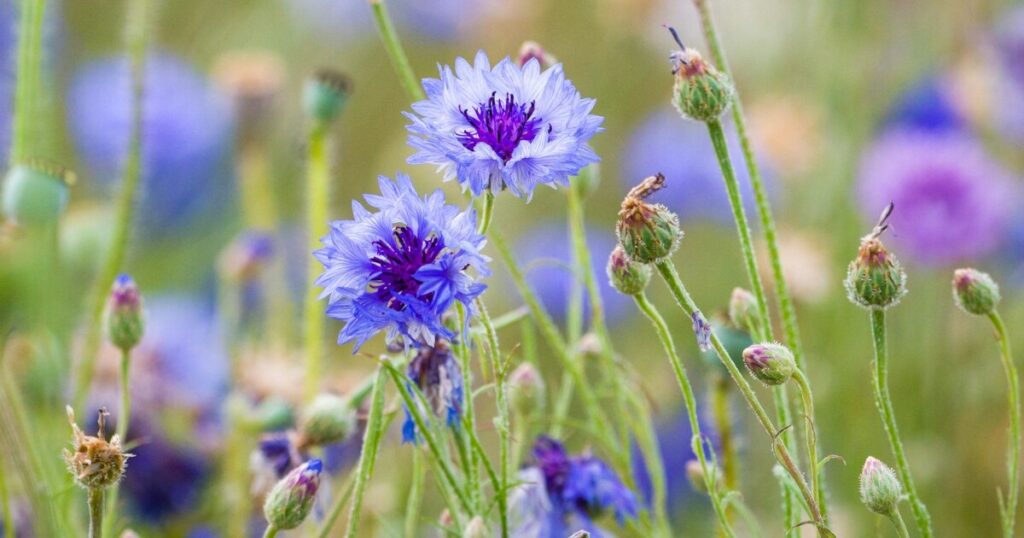
Also known as cornflower, Centaurea cyanus is native to Europe’s fields and roadsides. Sow seeds in August into sunny, well-drained beds; in about 60 days, you’ll be greeted by vivid blue, pink, or white blooms atop slender stems. These delicate chaplets lend a cottage-garden feel and mix beautifully with other late-season flowers!
Pollinators adore bachelor’s buttons—their nectar glands are a bee favorite, and the hollow stems offer nesting homes for tiny solitary wasps. Although they can self-seed, they aren’t invasive in most home gardens, providing just enough renewal for next year’s show without taking over!
China Aster (Callistephus chinensis)

Callistephus chinensis, native to China and Korea, loves full sun and rich, well-drained soil. Direct-seed in late summer for a succession of button or pom-pom blooms in a spectrum of whites, pinks, purples, and reds. These lush flowers unfurl about 70 days after sowing and last well into fall!
China asters draw a variety of beneficial insects—hoverflies, lacewings, and ladybugs—all seeking nectar and shelter. Their thick leaf canopy also offers low-lying nesting spots for ground-nesting bees, making them a multi-functional asset in wildlife-friendly borders!
Coreopsis (Tickseed, Coreopsis lanceolata)
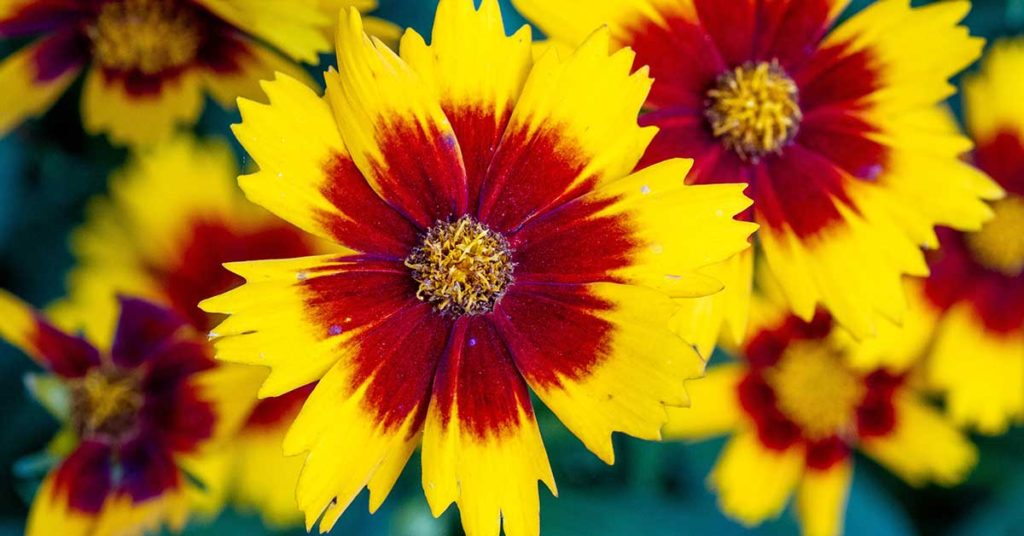
Coreopsis lanceolata, native to the eastern U.S., thrives in sandy, well-drained soils and full sun. Sow seeds in August, and in roughly 60 days, you’ll be rewarded with cheerful yellow daisies atop wiry stems. Deadheading spent blooms can extend the flowering season into October!
These bright flowers attract long-tongued bees and butterflies, which sometimes rest in folded petals to nest overnight. Though they naturalize by self-seeding, coreopsis remains non-invasive, quietly multiplying to create sunny drifts without overwhelming your garden.
Pincushion Flower (Scabiosa atropurpurea)
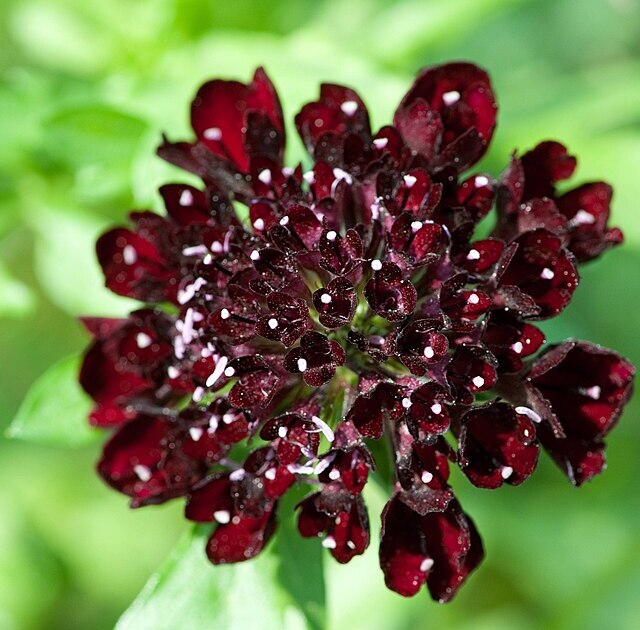
Originating from the Mediterranean, Scabiosa atropurpurea flourishes in well-drained soils and full sun. Direct sow in August for 8–10 weeks of pincushion-like blossoms in blues, purples, and pinks. Their intricate form provides both color and delicate structure to late-summer beds!
These blooms are irresistible to butterflies and bumblebees, offering easy access to nectar. The sturdy stems also serve as perches for small hoverflies, helping control aphid outbreaks. Scabiosa self-seeds modestly and is not considered invasive—simply a graceful perennial in most zones.
Annual Sage (Salvia farinacea)
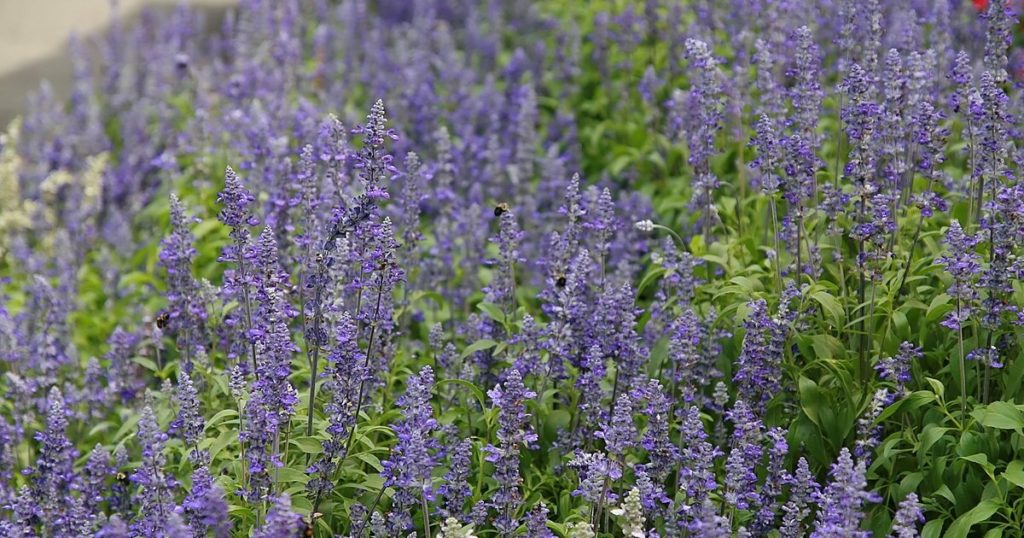
Salvia farinacea, native to Texas and Mexico, thrives in heat and full sun. Sow seeds directly in August for spikes of violet-blue blossoms about 60 days later. Hummingbirds and bees flock to these tubular flowers, making them a pollinator powerhouse!
Unlike some perennial salvias that spread aggressively, annual salvia remains contained to its planting area. Its robust stems provide structural support for nesting small solitary bees, and its continuous bloom ensures your pollinators stay busy deep into fall.
Blanket Flower (Gaillardia pulchella)
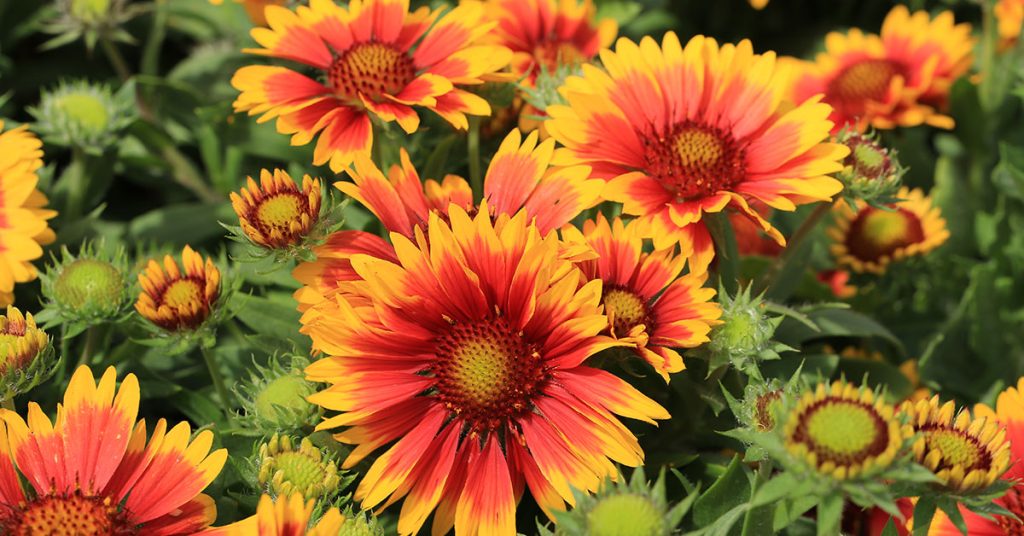
Gaillardia pulchella, known as blanket flower, is native to the central U.S. prairies, adapted to lean, sandy soils and scorching sun. Sow seeds in August and enjoy red-and-yellow daisy-like flowers opening in about 60 days. Their bold coloration is perfect for adding a sizzling pop to borders!
Gaillardia’s open form invites butterflies and bee species like mining bees to forage and nest nearby in open ground. It self-sows sparingly but isn’t invasive, offering a cheerful, self-replenishing display without overtaking other plants.
Nasturtium (Tropaeolum majus)

Nasturtiums, native to South America’s Andean regions, flourish in poor soils and full sun, making them ideal for August planting. Direct sow in well-drained beds; within 50 days, you’ll see edible flowers in fiery reds, oranges, and yellows! Both blooms and leaves add a peppery zing to salads and garnishes.
Beyond culinary uses, nasturtiums attract predatory insects like hoverflies and parasitic wasps that hunt aphids. Their trailing habit also offers shelter and nesting nooks for tiny ground-dwelling bees, integrating seamlessly into a wildlife-friendly garden!
Marigold (Tagetes spp.)

Marigolds originate from Mexico and Central America and thrive in warm, sunny gardens. Seeds sown in August bloom within 6–8 weeks, producing golden, orange, and bi-colored pom-pom flowers. Their scent repels certain pests—like nematodes and whiteflies—making them excellent companion plants for vegetables and other flowers!
Pollinators such as solitary bees and hoverflies adore marigold nectar, and the dense flower heads provide perching platforms for ladybird beetles on pest patrol. Although several Tagetes species can self-sow, they rarely become invasive in home gardens—just generously bright spots throughout fall.