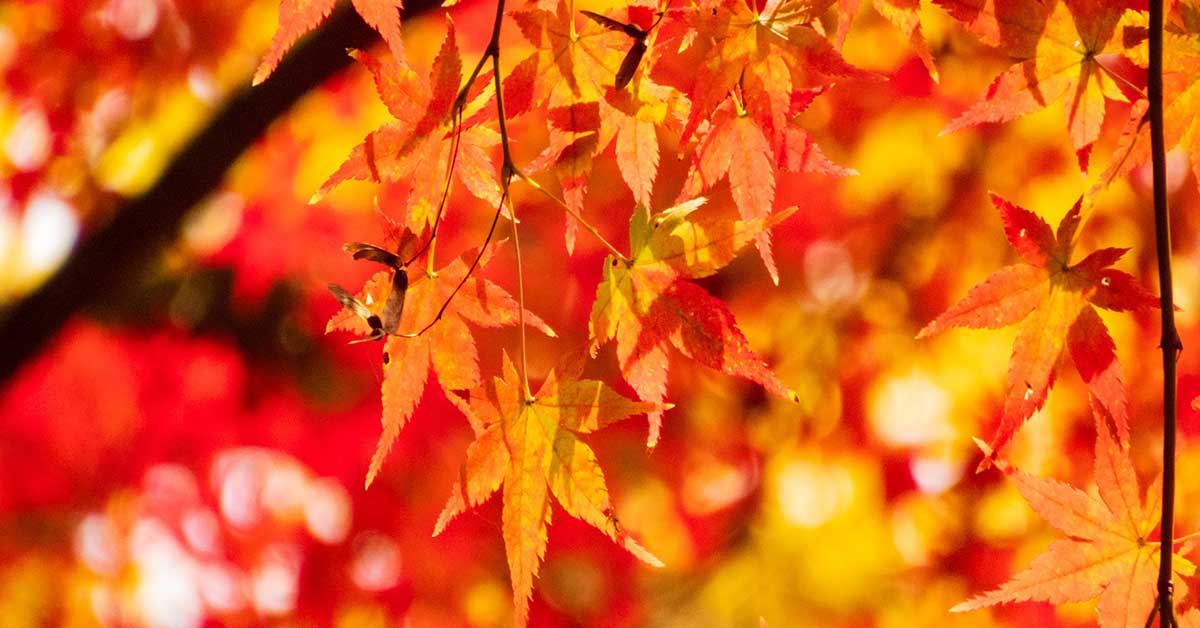

Late summer is the perfect time to introduce new shrubs and bushes that will burst into fiery hues as autumn arrives. It’s such a bummer when your garden lacks that warm tapestry of reds, oranges, and golds—especially after you’ve put in all that effort over the spring and summer! Planting now gives roots time to establish before cooler weather sets in, ensuring vibrant foliage and a robust start next year.
As a gardener who can’t get enough of fall’s spectacular show, I’m always on the hunt for shrubs that deliver both drama and reliability. From native standouts to exotic showstoppers (many of which aren’t invasive in most home landscapes), each of these ten choices promises an unforgettable autumn display—and some secret perks you might not expect!
Oakleaf Hydrangea (Hydrangea quercifolia)

I love Oakleaf hydrangea for its giant, lobed leaves that turn glowing shades of burgundy and purple in cooler weather. Native to the southeastern United States, it thrives in part shade to full sun and tolerates a range of soil types, so long as they drain well. Its white cone-shaped flower clusters linger into summer, feeding pollinators before the foliage shifts color.
Beyond its fall fireworks, oakleaf hydrangea provides excellent nesting sites for small birds in its sturdy branches. It’s not considered invasive, so you can plant it confidently, knowing it will stay where you place it. Its peeling bark also adds winter interest, making this a year-round treasure!
Smooth Sumac (Rhus glabra)
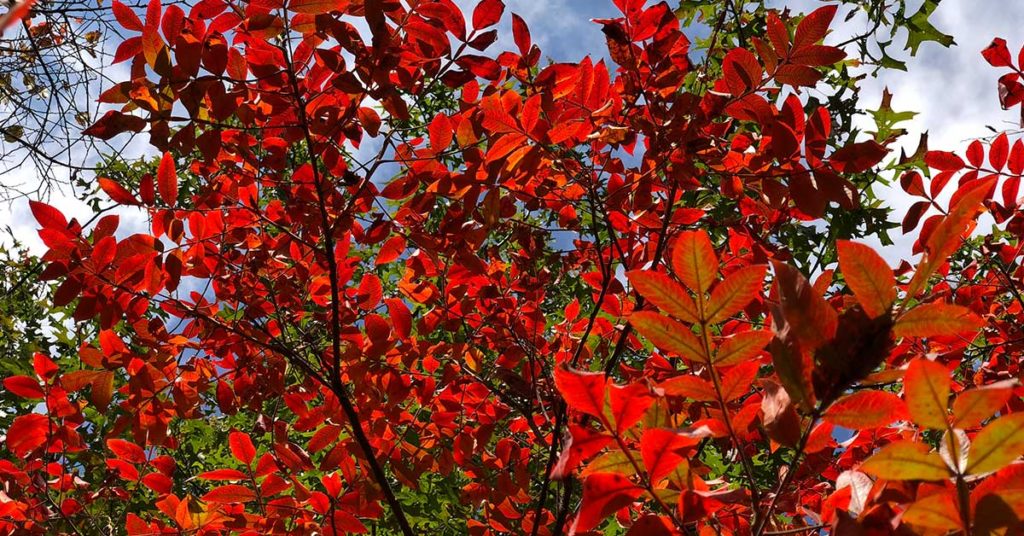
Nothing says autumn like the blazing scarlet plumes of smooth sumac. Native to much of North America, this upright shrub thrives in sunny, well-drained spots and can even handle poorer soils that frustrate more finicky plants. Its compound leaves start green, age to yellow, and climax in vivid crimson as temperatures fall.
Sumac’s dense clusters of berries feed late-season bees on nectar and attract migrating songbirds, who nest in its thickets for shelter. While some sumac species can spread, R. glabra generally forms tidy colonies and isn’t known to be aggressively invasive—perfect for a controlled border planting!
Ninebark (Physocarpus opulifolius)

One of my favorite plants for multi-season interest, ninebark showcases creamy white spring blooms before its leaves transition through yellow, orange, and deep red in autumn. Native to eastern North America, it advertises its common name with bark that peels in layered strips—adding really cool texture when the leaves drop.
Pollinators adore those lacecap flowers, and the dense branching offers great nesting cavities for wrens and chickadees. This tough shrub tolerates both sun and part shade, resists deer browsing, and isn’t invasive—making it a go-to choice for gardeners who want color without trouble!
Arrowwood Viburnum (Viburnum dentatum)
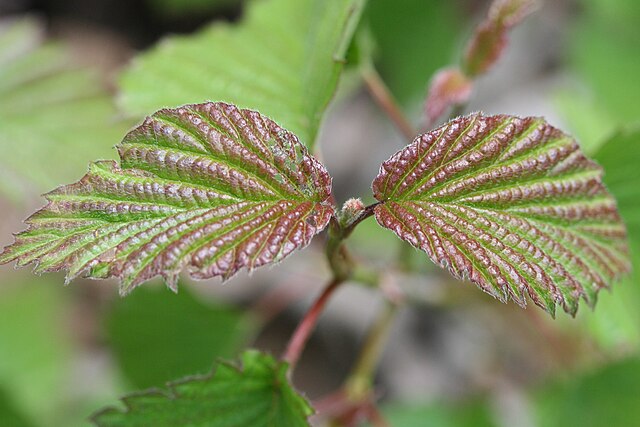
Arrowwood viburnum lights up cool days with leaves that shift from rich green to startling purples and reds. A native powerhouse, it’s adaptable to sun or shade and enjoys moist, well-drained soils. Its flat clusters of white flowers in late spring are pollinator magnets, later giving way to blue-black berries that wildlife gobble up.
Birds nesting in nearby trees will appreciate the snack and the cover this shrub provides, making it a biodiversity booster. Arrowwood viburnum spreads modestly by root suckers, but it’s not considered invasive outside of cultivation—just the right amount of generosity for most landscapes.
Goldmound Spirea (Spiraea japonica ‘Goldmound’)

Goldmound spirea brings a unique twist: its spring-through-fall foliage glows chartreuse, then edges into rosy pink and soft orange as days shorten. Though native to Japan, it remains non-invasive in most regions and offers clusters of rosy flowers in midsummer that attract butterflies galore!
This compact, mounded shrub is perfect for borders and rock gardens, and its tight form deters messiness. Butterflies and small bees love flitting among the blooms, while birds sometimes nest in the sheltered interior—making spirea both a visual and ecological delight!
Burning Bush (Euonymus alatus)

Few shrubs rival burning bush for pure fall drama: its leaves ignite in brilliant red. Native to northeastern Asia, it’s hardy and sun-loving, tolerating a variety of soils. In summer, inconspicuous yellow-green flowers yield bright orange fruit capsules in autumn, offering yet another pop of color.
Be mindful, though: E. alatus is invasive in parts of North America, so check your local guidelines before planting. If it’s allowed, select sterile cultivars like ‘Compactus’ to enjoy the fiery foliage without risking spread. Birds relish the fruit, and small mammals sometimes nest within its protective branches!
Winterberry (Ilex verticillata)

Imagine a sea of glossy scarlet berries dangling against a backdrop of stark winter branches—that’s winterberry’s superpower. A native holly, it thrives in moist soils and full sun to part shade, and its bright red drupes persist into winter as a critical food source for birds.
Although dioecious (you need both male and female plants), once established you’ll have a reliable bramble of berries each year. It’s not invasive, and its thorny stems provide safe nesting spots, especially for wrens seeking predator-proof locales in colder months.
Cornelian Cherry Dogwood (Cornus mas)

Cornelian cherry dogwood is a delightful surprise: its tiny yellow flowers bloom in late winter, while its cherries turn deep red in late summer, followed by foliage that blazes orange-red come autumn. Native to Europe and western Asia, it tolerates sun or light shade and a broad soil pH range.
Birds nibble the early fruits, and its dense branching offers superb nesting cover. While not invasive in most areas, it can naturalize in favorable conditions—so monitor its suckers if you prefer a tidier landscape. That early-yellow bloom is worth every bit of attention, though!
Witch Hazel (Hamamelis virginiana)

Late-blooming witch hazel brings fragrant yellow ribbons of flowers in fall, but its real autumn pièce de résistance is the leaf color—shifting through vivid oranges and reds. Native to eastern North America, it prospers in part shade and moist, acidic soils.
A host plant for certain moth caterpillars, witch hazel also provides a delightful sensory experience as its flowers open on crisp days. It’s non-invasive and offers nesting birds both shelter and food, especially when other shrubs have already shed their leaves.
Highbush Blueberry (Vaccinium corymbosum)
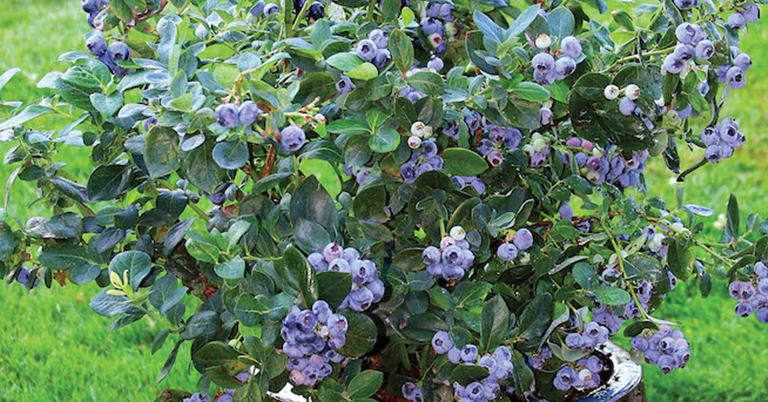
Blueberries aren’t just for pies—they’re shrubs that turn wine-red and purple in autumn, creating incredibly bright hedges. Native to North America, they require acidic, well-drained soil and full sun for best fruit and fall color.
Besides the visual treat, those berries attract songbirds and small mammals, adding life to your fall garden. While highbush blueberries can spread via underground runners, they’re not considered invasive in most landscapes—just enthusiastic and generous with their offspring!