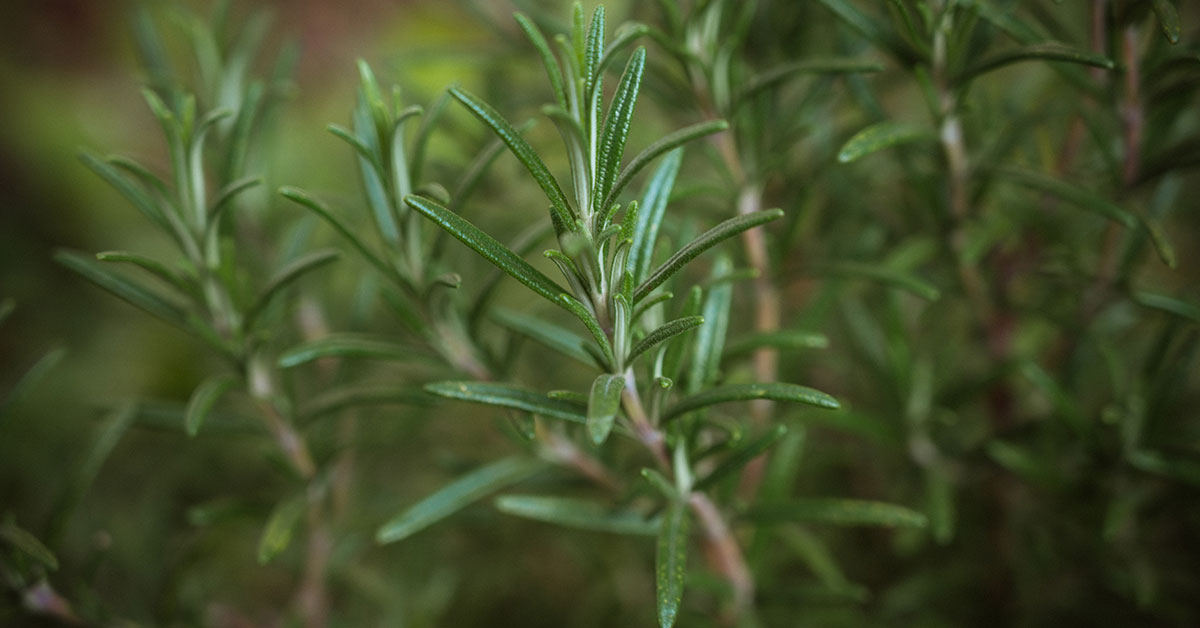

Late August can feel like a whirlwind in the garden—summer’s heat still lingers, but you can almost taste the promise of cooler days ahead. It’s such a bummer when your once-vibrant herbs start to look a little tired, isn’t it? I know how frustrating it is to see your rosemary’s silvery leaves chalky or your lavender’s blooms fading under that relentless sun. But don’t worry: with a few targeted tasks, you can keep these Mediterranean beauties thriving and set them up for a glorious fall display (and even next spring)!
As a gardener who’s endlessly fascinated by these fragrant shrubs, I get a real kick out of helping them reach their full potential. One of my favorite things is watching bees nest in lavender’s woody stems and seeing how rosemary’s flowers draw in beneficial hoverflies. In the two paragraphs that follow, we’ll dive into ten essential late-August tasks—each one geared toward boosting health, ensuring strong winter roots, and encouraging plenty of blooms next year. Let’s dig in!
Check Soil Moisture Regularly

Maintaining the right moisture balance is crucial for rosemary and lavender, both of which hail from the sun-baked Mediterranean. In their native habitat, the soils are well-draining and often quite dry between rains. Overwatering in August can lead to root rot, especially when nighttime temperatures remain warm. I like to slide a finger about two inches into the soil—if it feels dry, give them a light drink, but if it’s still cool and damp, hold off!
These shrubs also appreciate occasional deep watering to encourage roots to grow downward, where the soil stays cooler. Aim for a slow, thorough soak once every 10–14 days rather than daily misting. This mimics their natural cycle of the infrequent summer storms they’d experience in the Mediterranean, helping them stay resilient through the rest of the hot season.
Deadhead Spent Blooms

Lavender’s faded flower stalks and rosemary’s spent blossoms may look ugly, but they’re signaling you to get snipping. By carefully removing spent blooms, you encourage fresh buds to form and extend your plants’ flowering period. I always grab my pruning shears with a thrill—there’s nothing like the scent of lavender wafting up as you cut! Remember to snip just above the first set of leaves or a healthy node.
Deadheading also reduces seed production, which can sap energy from the plant. Since neither rosemary nor lavender tends to be invasive in most home gardens, you’re not risking a spread—rather, you’re directing precious resources back into foliage and root development. Your bees will thank you too, as they’ll focus on the vibrant new blooms you’re coaxing out!
Mulch Lightly With Gravel or Grit
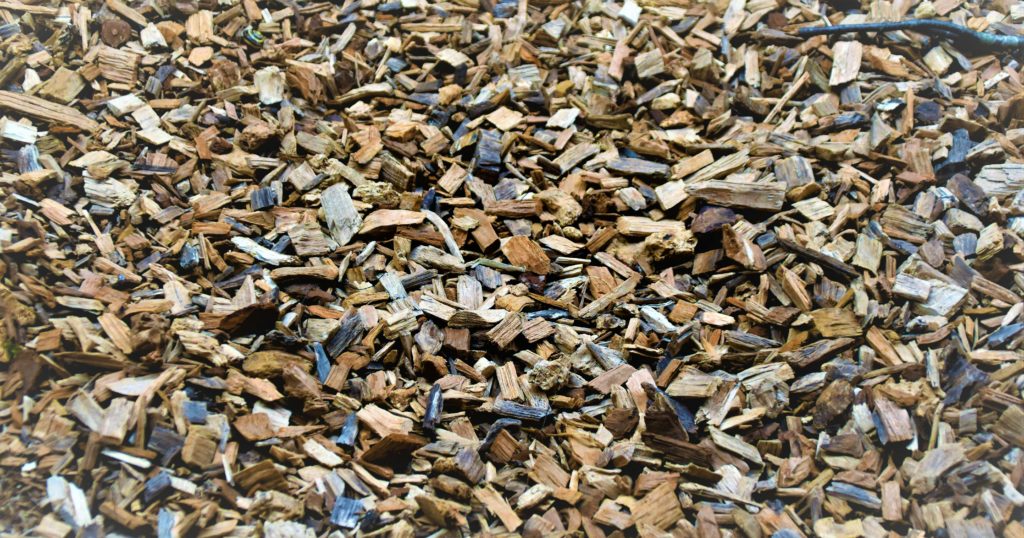
Late summer heat can bake the soil, but too-thick organic mulches can trap moisture and invite fungal issues. I like to use a thin layer of gravel or horticultural grit—materials these herbs appreciate, given their native stony environments. This top-dressing helps maintain temperature balance and prevents splashing soil onto the foliage, which can reduce leaf diseases.
Gravel mulch also mimics the natural rocky terrain of the Mediterranean, facilitating excellent drainage. Both rosemary and lavender are adapted to lean soils, so this light mulch keeps their roots happy and aerated. Plus, it adds an attractive, cottage-garden look that highlights their silvery foliage!
Prune for Shape and Airflow
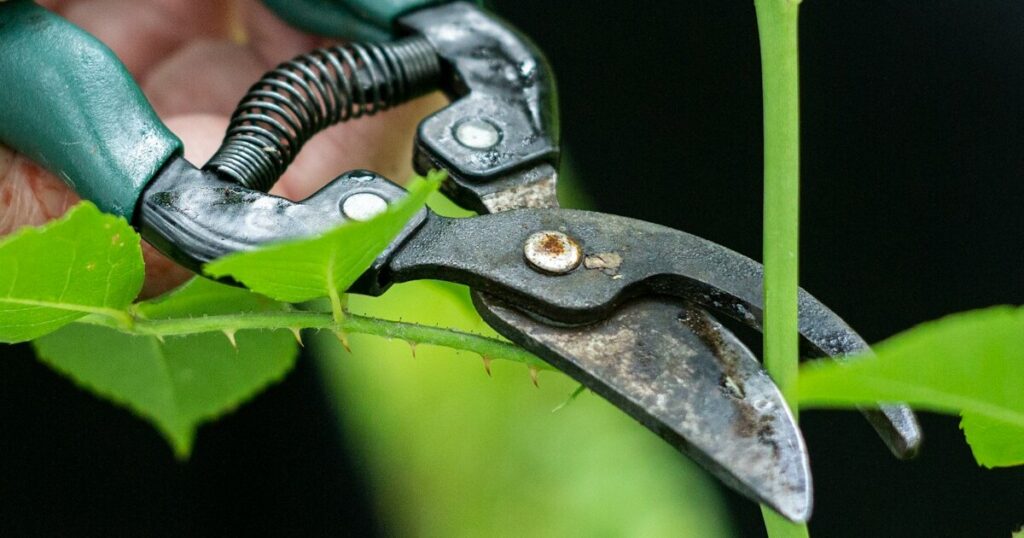
A light trim in late August keeps your shrubs neat and well-ventilated. I’m always thrilled to give rosemary a soft haircut, sculpting it back from any twiggy, woody growth. Grab clean shears and remove no more than one-third of the plant’s height to avoid shocking it. Make cuts just above a pair of live leaves to encourage new shoots.
Lavender benefits from a gentle trim of its flowering stems, which also keeps the plant from becoming too rangy. Proper airflow reduces the risk of fungal disease, especially when late-summer nights stay muggy. Don’t cut into the old, woody base—focus on the fresh green growth to keep both herbs looking lush!
Feed Sparingly With Low-Nitrogen Fertilizer

These Mediterranean natives thrive in lean soils, so heavy feeding can lead to soft, lanky growth that flops under its own weight. Instead, apply a balanced, low-nitrogen fertilizer—think 5-10-10—to encourage root and bloom development without excessive leafy growth. I sprinkle a light dusting around the drip line once in late August and water it in gently.
Overfertilizing can also diminish essential oil concentration, dulling the fragrance you love. With the cooler months approaching, this light feeding helps your rosemary and lavender build energy reserves for winter while still supporting a final burst of late-summer flowers.
Inspect for Pests and Diseases

It’s such a bummer when you spot tiny aphids clustered on new rosemary shoots or see powdery mildew creeping on lavender leaves! Late August is an ideal time to give your herbs a close once-over. I recommend checking the undersides of leaves and the junctions of stems and soil. If you catch pests early, you can rinse them off with a gentle spray of water or apply insecticidal soap.
Lavender is generally low-maintenance, but high humidity can invite fungal issues. Remove any affected leaves and ensure your pruning has opened up good airflow. Rosemary may sometimes host spider mites in dry, dusty conditions—so mist the foliage lightly on dry days to deter them and keep your plants looking their fragrant, silver-green best!
Propagate Cuttings for New Plants

One of my favorite plants to propagate is rosemary—its semi-woody stems root so easily in late summer! Snip 4–6-inch tips of healthy growth, strip the lower leaves, and insert the cuttings into a mix of sand and peat or perlite. Keep them in bright, indirect light and mist occasionally. Before you know it, you’ll have more shrubs to share with friends or fill gaps in your garden.
Lavender cuttings can be a bit fiddle-some, but it’s worth the effort. Take greenwood cuttings just before the flower spike emerges, dip in rooting hormone, and plant in a free-draining medium. Cover lightly with a plastic dome to retain humidity—but remove it daily to air things out. It’s so rewarding to see those first roots appear!
Improve Soil Drainage if Needed

Both herbs revolt against soggy feet! If August’s storms leave puddles around the base, consider adding grit or coarse sand to the top few inches of soil. I’ve even built little raised mounds under my rosemary to ensure excess water runs off quickly. This simple tweak can make a world of difference in preventing root issues.
For container-grown plants, check that drainage holes are clear. You might swap in fresh, gritty potting mix mid-month to refresh the medium and keep everything aerated. After all, neither rosemary nor lavender is fond of dense, compacted soil.
Prepare for Cooler Nights

While August days can scorch, evenings sometimes start to hint at fall. I love tucking a layer of frost cloth or old burlap around my containers as soon as nighttime dips near 50°F (10°C). This covers helps trap a bit more heat and prevents chill stress, especially for young transplants or recently rooted cuttings.
In-ground shrubs usually handle these temps fine, but if you’ve got rosemary or lavender planted at the north side of your house or under a shade tree, consider moving pots to a sunnier, sheltered spot. A tiny bit of extra warmth at night can keep essential oils flowing and blooms opening!
Companion Plant With Pollinator-Friendly Flowers
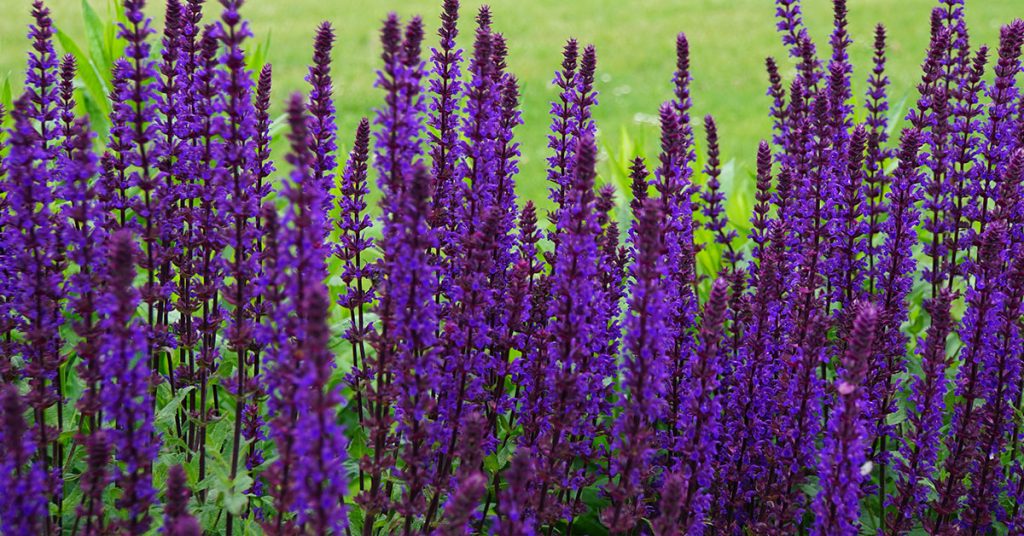
Rosemary and lavender are already bee magnets, but pairing them with late-blooming salvias or small asters can create a pollinator feast! I scatter asters nearby to extend the foraging season for nesting native bees. Not only does this look stunning, but it also supports beneficial insects that help keep your whole garden in balance.
Avoid crowded groupings, though—give each plant room to breathe. This also prevents mildew and allows you to admire each one’s unique textures and scents. Your rosemary’s blue flowers and lavender’s purple spikes will shine when framed by cheerful asters or salvias, turning your herb bed into a humming, buzzing haven!