

August’s warm nights and frequent summer rains can turn your garden into a slug paradise—those slimy invaders emerge from their hiding spots and feast on tender seedlings, ripening tomatoes, and luscious lettuce! It’s such a bummer when you’ve nurtured young plants all season only to wake up to chewed leaves and silvery trails. I know how frustrating it is to tiptoe around your beds after dark, fearing what you might find by morning.
But fear not: with a mix of simple DIY tricks and wildlife-friendly strategies, you can protect your greenery without resorting to harsh chemicals. From inviting natural predators to setting clever traps, these eight methods harness slug behavior—like their love of moisture and tendency to nest in cool, damp spots—to give you the upper hand. Let’s dive into the solutions that will keep your garden thriving through August and beyond!
Encourage Natural Predators

One of my favorite ways to curb slugs is to invite frogs, toads, and hedgehogs into the garden—they’re voracious slug eaters! Create a small, shallow water feature or pond, and leave a patch of undisturbed, moist garden debris or leaf litter for amphibians to nest in. These creatures are native across much of North America and Europe and aren’t invasive when you provide proper habitat; they simply take up residence and start dining on slugs nightly.
While you’ll rarely spot these nocturnal hunters during the day, you’ll notice fewer slug trails in the morning once they’re established residents. Birds such as thrushes and blackbirds also snack on slugs—encourage them by installing a birdbath or nesting box nearby. It’s a win–win: you protect your plants and support local wildlife!
Hand-Pick at Night

Slugs are most active in the cool, damp hours after sunset and before dawn. I often take a flashlight and a pair of garden gloves out around 9 p.m., lifting pots and rocks where slugs nest in moist soil. Gently drop each slug into a jar of soapy water to humanely remove them from your beds without harming other beneficial insects.
It’s true that this method is labor-intensive, but it teaches you slug behavior firsthand—like how they seek shelter under flat stones or hide in dense groundcovers by day. Once you know their favorite hiding spots, you can target those areas more effectively. Plus, nightly patrols become a peaceful ritual under the stars!
Beer Traps

A classic slug trap involves burying shallow containers—like yogurt pots—in the soil, then filling them with beer. The yeasty aroma lures slugs, which crawl in and drown. Change the beer every few days to keep the lure fresh. This trick exploits slugs’ attraction to fermentation, a behavior observed in gardens worldwide.
Position your traps between slug-prone plants—lettuce, seedlings, and other tender greens. You’ll often find dozens of slugs at dawn lounging in the sudsy brew. While the method removes many pests, be mindful to relocate any drowned insects and refill traps swiftly; you’ll soon see a noticeable drop in leaf damage!
Diatomaceous Earth Sprinkling
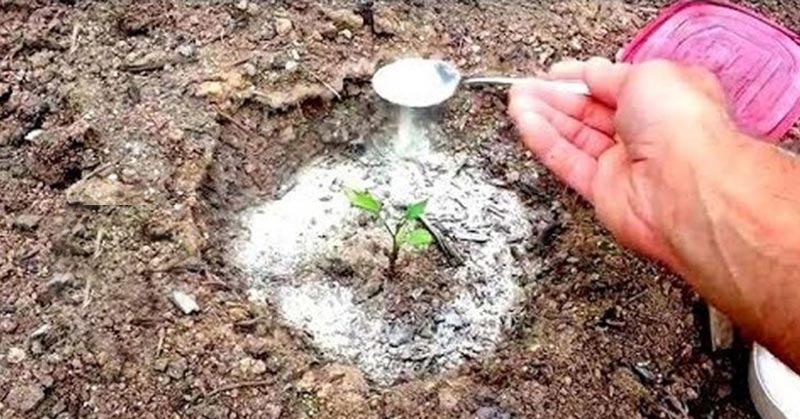
Food-grade diatomaceous earth, made from fossilized algae, punctures slug bodies on contact, leading to dehydration. Lightly dust a ring around vulnerable plants in the evening after watering—when slugs are about to emerge—and reapply after rain. It’s non-toxic to plants and breaks down naturally over time.
Slugs will avoid climbing over sharp particles, preferring smoother routes. You’ll sometimes spot tiny tracks around the protected zones, a clear sign the barrier is working. Just be cautious when applying—wear a mask to avoid inhaling dust—and keep the earth dry for maximum effect!
Coffee Grounds Barrier
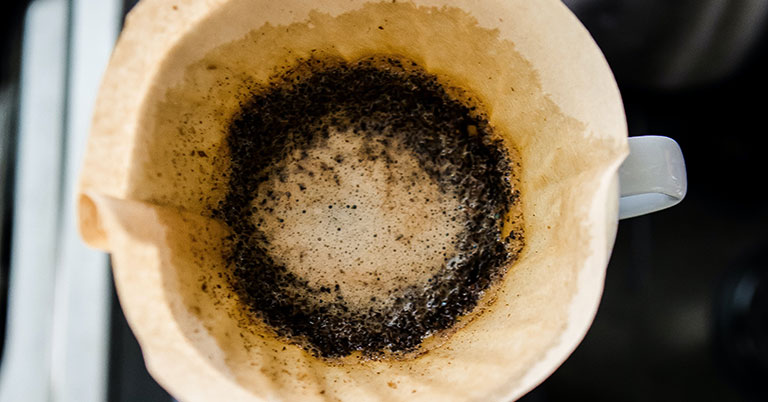
Used coffee grounds sprinkled around plant bases create a slightly abrasive, acidic ring that slugs avoid. They’re attracted to the moisture in the grounds but soon retreat when the texture irritates their foot. Spread a half-inch layer of cool, dry grounds around seedlings and young transplants.
While the grounds can improve soil organic matter over time, slugs rarely linger on them. You’ll find that the immediate area stays cleaner, with fewer silvery trails near your prized herbs and vegetables. Bonus: your garden beds get a gentle nitrogen boost from the decomposing grounds!
Eggshell Barriers
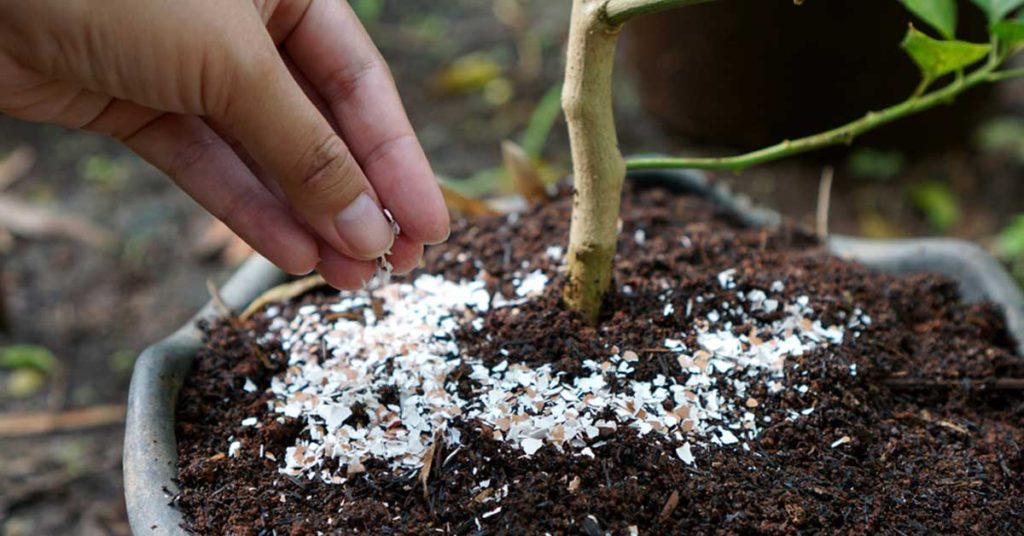
Crushed eggshells make a sharp-edged barrier similar to diatomaceous earth but using kitchen scraps. Rinse and dry eggshells, crush them coarsely, and scatter around vulnerable plants. The jagged pieces cut slugs’ soft bodies as they try to cross, deterring them effectively.
Slugs tend to follow the easiest path, so when faced with an eggshell perimeter, they seek softer, more accessible routes. You’ll notice slug damage shift away from the protected plants. Plus, over time the shells leach calcium into the soil—an extra win for your veggies!
Plant Slug-Repellent Companions

Certain plants, like rosemary (native to the Mediterranean and noninvasive in containers), lavender (also Mediterranean and rarely self-seeding in cooler climates), and fennel (from Eurasia, can self-seed but kept in pots), naturally repel slugs with their aromatic foliage. I scatter these among my lettuce and seedlings to create scented borders that slugs shy away from.
These woody herbs also attract beneficial insects—bees, hoverflies, and even lacewings—that bolster overall garden health. With well-placed pots or interplanting, you’ll both beautify your beds and track fewer slug tracks near your delicate crops!
Nematodes for Biological Control

Beneficial nematodes (Phasmarhabditis hermaphrodita) are microscopic worms that infect and kill slugs. You can apply them to moist soil around affected beds in August, following the manufacturer’s instructions. They’re native to many soils and won’t harm earthworms, bees, or other wildlife.
Once introduced, nematodes seek out slugs in their hiding spots—under mulch, near plant stems—and penetrate their bodies, causing a natural die-off within days. You’ll observe fewer slugs emerging at night, and the system establishes itself for continued control in subsequent seasons!