
Getting sick is the worst, especially when you’ve cared for your garden all season! There’s something so empowering about stepping outside and snipping fresh herbs or roots to brew into tea or toss into meals that help keep sniffles at bay. I know how frustrating it is to rely on store-bought supplements—having a living pharmacy on your windowsill feels truly magical. In this article, I’m excited to share a dozen of my favorite immune-supporting plants you can cultivate with ease, whether you have a sunny windowsill, a balcony, or a backyard garden.
Each of these powerhouses brings its own unique nutrients—think antiviral compounds, anti-inflammatory phenols, or vitamin C—while often doubling as magnet for pollinators or beneficial insects. You’ll learn where they hail from, whether they might run amok, and how to keep them happy. Let’s dig in and get your homegrown immune arsenal underway!
Garlic (Allium sativum)
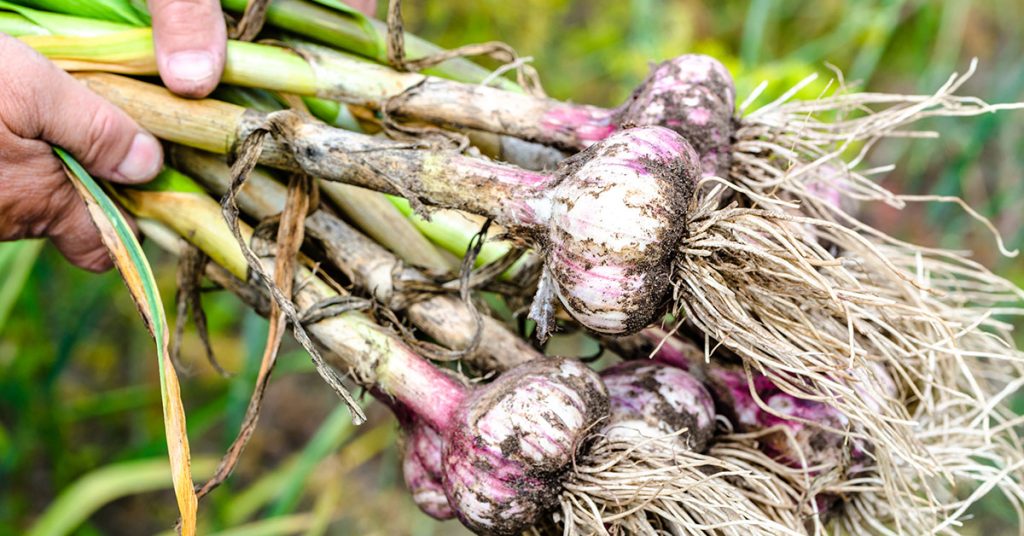
One of my go-to remedies when someone snores in my household! Native to Central Asia, garlic boasts a long history of immune support thanks to allicin—a sulfur compound that kicks pathogens to the curb. Studies suggest regular garlic consumption can shorten colds and even lower blood pressure over time. Many gardeners find joy in harvesting plump bulbs that easily store through the colder months!
Planting garlic is almost foolproof: tuck individual cloves into loose, well-draining soil in autumn or early spring, about two inches deep and six inches apart. Garlic isn’t considered invasive—bulbs won’t take over your bed—but watch for weeds competing with your shoots! While it won’t host nesting birds, garlic flowers (called scapes) attract bees and beneficial hoverflies in summer, adding a buzz of activity to your garden.
Bee Balm (Monarda fistulosa)

It’s such a delight when bees flock to my bee balm—like a mini festival in the garden! Native to North America, bee balm (also called wild bergamot) contains thymol and other essential oils known for antimicrobial and immune-supportive properties. Brewing its leaves into a tea provides a soothing throat-soother with an herbal zing.
This perennial can spread by rhizomes, so give it room or contain it in a planter. It thrives in full sun and average soil, rewarding you with vibrant blooms that draw in bumblebees, honeybees, and even hummingbirds. Their nesting bees may carve out small cavities nearby, making bee balm a delightful centerpiece for a pollinator-friendly plot!
Elderberry (Sambucus nigra)
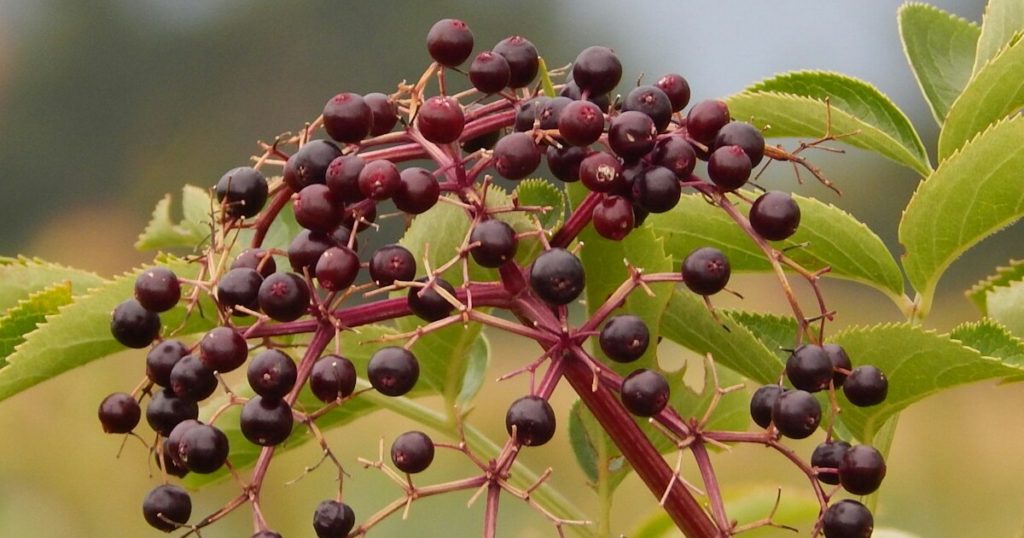
Harvesting elderberries for syrup feels like capturing liquid sunshine. Native to Europe (with relatives in North America), elderberry is famed for its high vitamin C, anthocyanins, and antiviral flavonoids. Clinical trials hint that elderberry preparations can reduce duration of flu symptoms—perfect when you feel that scratch in your throat coming on.
Elderberry shrubs can reach eight to ten feet, so plan for space or grow a dwarf cultivar in a large container. They’re not aggressively invasive, but their suckering can be vigorous in ideal conditions—simply remove unwanted shoots early. Come summer, the flat-topped white flowers charm pollinators, and birds may nest in the shrub’s shade. Just be sure to cook the berries before eating—raw elderberries can upset your tummy!
Lemon Balm (Melissa officinalis)
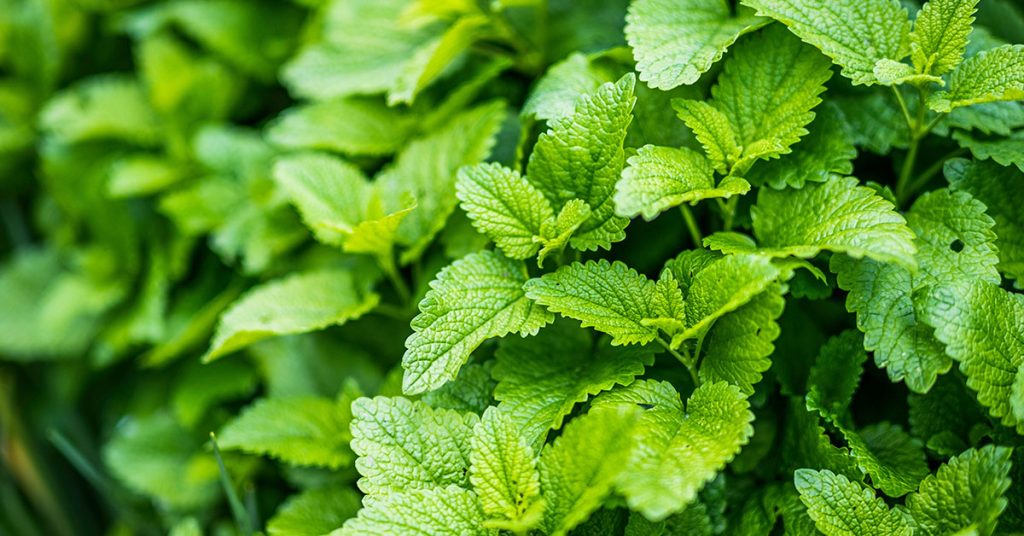
Sinking my nose into fresh lemon balm leaves is pure joy! This herb, native around the Mediterranean, is packed with rosmarinic acid and tannins that support immune function and soothe anxiety, too. A warming cup of lemon balm tea feels like a hug for your throat on chilly mornings.
Lemon balm self-seeds readily and can become a bit enthusiastic—some gardeners consider it invasive. To keep it in check, pinch back flowers or grow it in containers. It prefers partial shade to full sun and moist, well-drained soil. Its small white flowers delight hoverflies and bees, and you might spot tiny solitary bees nesting in nearby bare ground.
Rosemary (Salvia rosmarinus)
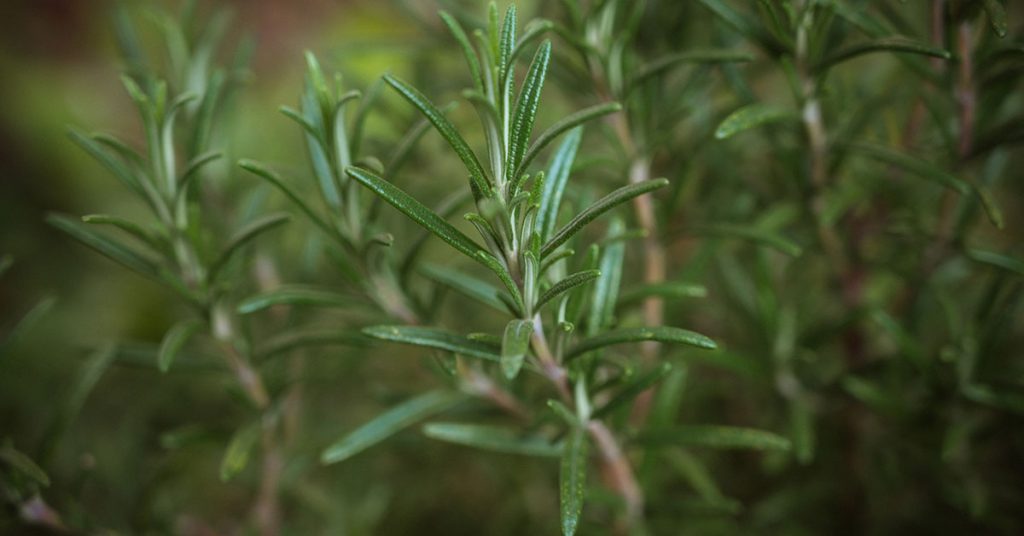
Rosemary’s woody stems and pine-like aroma transport me straight to the Mediterranean coast! Native to that region, it contains carnosic acid and rosmarinic acid, potent antioxidants that bolster immune defenses and improve circulation. Fresh or dried, a sprinkle of rosemary elevates roasted vegetables and stews alike.
Thriving in full sun and gritty soil, rosemary is well-behaved in garden beds or pots—rarely invasive unless in frost-free climates where it can spread slowly. Its tubular blue flowers are magnets for bees, which may nest in crevices around stone walls or rocky garden edges. Pruning lightly after flowering keeps plants bushy and productive!
Turmeric (Curcuma longa)
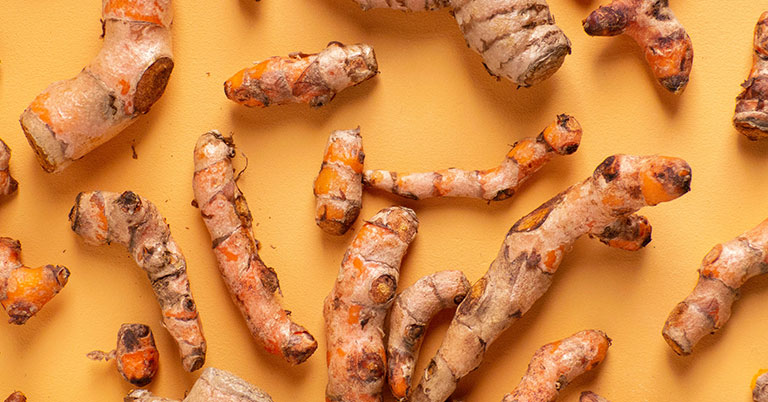
Imagine digging up golden roots that pack curcumin—nature’s superstar anti-inflammatory! Turmeric hails from Southeast Asia and has supported immune health for centuries in Ayurvedic medicine. Stir grated fresh root into curries or blend into golden milk for a daily wellness boost.
Growing turmeric indoors or outdoors in warm zones is straightforward: plant rhizome segments in rich, consistently moist soil after the last frost. Though it won’t invade like groundcover, turmeric is a perennial in tropical climates—lift rhizomes for winter storage in cooler areas. While not a bee magnet, its lush foliage adds tropical flair, and you may spot ground-nesting bees digging beneath the canopy.
Echinacea (Echinacea purpurea)

One of my favorite plants for late-summer color, echinacea also packs echinacin and cichoric acid that enhance immune cell activity! Native to the North American prairies, purple coneflower extracts are popular for reducing cold and flu duration. The seed heads even feed winter songbirds when blooms fade.
Echinacea is a clumping perennial that seldom escapes its bounds—no invasiveness worries here! It loves full sun and lean soil, rewarding you with daisy-like blooms perched atop sturdy stems. Those blooms attract butterflies and bees in droves, and you might spy nesting mason bees sealing their tubes with mud nearby.
Holy Basil (Ocimum tenuiflorum)
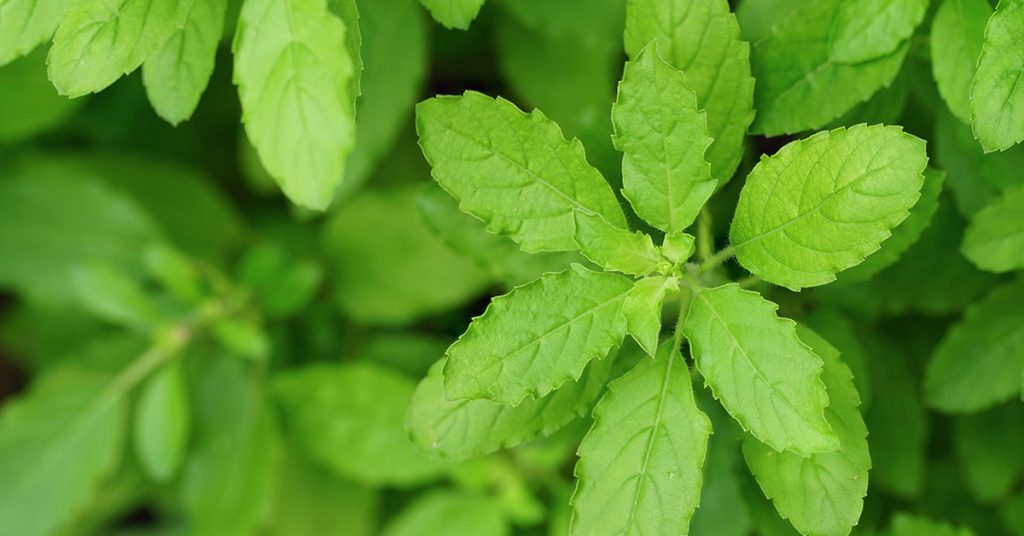
Also called tulsi, holy basil is revered in India for its adaptogenic properties. It’s rich in eugenol and ursolic acid, which show antiviral and anti-inflammatory activity—perfect for keeping everyday stress from knocking your defenses down. Sipping tulsi tea feels like sipping tranquility itself!
Easy to grow in pots or garden beds, holy basil thrives in warm, sunny spots with well-drained soil. It’s not aggressive, though it may self-seed under favorable conditions—snip back before seed set to control volunteers. Its tiny purple flowers draw beneficial insects such as solitary bees, and you might even see wasps nesting in hollow stems!
Chamomile (Matricaria chamomilla)

Nothing beats a bedtime cup of chamomile tea after a long day in the garden. Native to Western Europe, chamomile’s apigenin and bisabolol soothe digestion and support immune function, too. Harvest delicate daisy-like blooms and let them dry for floral infusions or bath soaks.
This annual thrives in full sun and average soil, rarely becoming invasive but self-seeding if you let it. Chamomile’s lacy foliage and flowers attract hoverflies and small bees, some of which nest in bare soil patches nearby. Try sowing seeds directly in spring, and you’ll be rewarded with waves of fragrant blooms for weeks!
Oregano (Origanum vulgare)
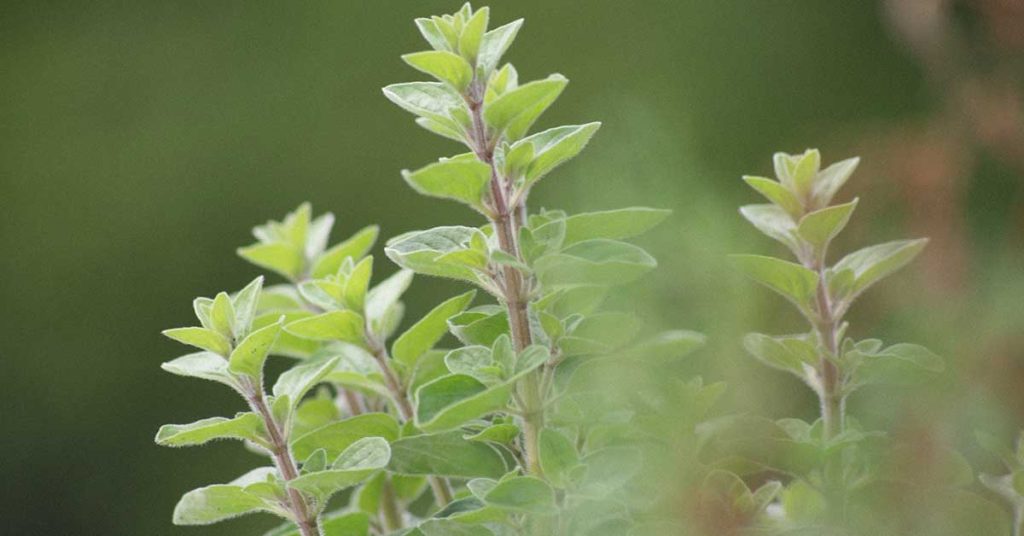
I can’t resist scraping fresh oregano leaves into sauces—its carvacrol compound is a natural antimicrobial champion! Native to the Mediterranean, oregano oil is used in herbal medicine to support respiratory health and immune resilience.
This hardy perennial spreads via creeping stems and can dominate small beds—consider growing oregano in pots or heavily trimming runners. It craves full sun and well-drained soil. Come summer, its pink-purple flower clusters are magnets for bees and butterflies, and you may spot small bumblebee nests tucked in nearby grass clumps!
Thyme (Thymus vulgaris)
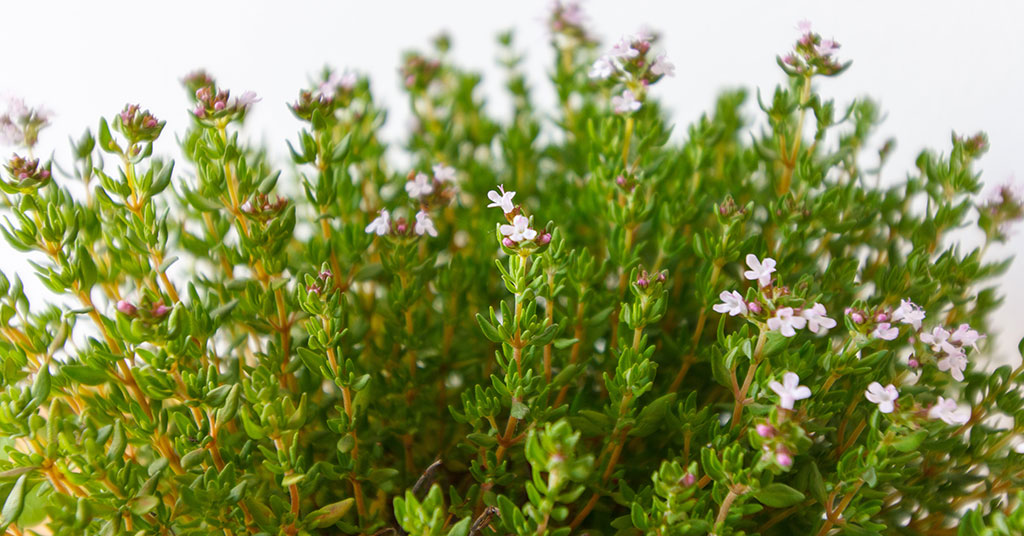
A pinch of fresh thyme adds earthy depth to any dish, and its thymol content provides potent immune support—thymol is even used in mouthwashes for its antiseptic properties! Native to the Mediterranean, thyme brings both flavor and wellness to your daily routine.
Thyme forms low, spreading mats in sunny, dry conditions—rarely invasive but easy to contain. Its tiny flowers bloom in spring and summer, attracting bees that may nest in the nooks between paving stones. I love tucking thyme along a walkway for both a living spice rack and a pollinator-friendly groundcover!