

Late July and early August can feel like the make-or-break moment for squash—the vines have sprawled, flowers have faded, and the humid heat can stress even the heartiest plants. I know how frustrating it is when your zucchini or summer squash slows production right when you’re craving pickles and fritters! With the right care now, you’ll set the stage for a bumper crop that keeps on giving well into fall’s cooler days.
As a gardener who’s salvaged struggling squash patches more times than I can count, I’ve learned that small adjustments—like boosting pollinator visits, fine-tuning soil nutrition, and managing pests—can turn an average harvest into a record-breaking one. Let’s dive into eleven in-depth strategies to invigorate your squash plants this August and watch those fruits swell before your eyes!
Side-Dress with High-Quality Compost

One of my favorite late-summer tasks is side-dressing squash rows with rich, well-rotted compost. Spread a two-inch layer of compost about six inches from the base of each plant, careful not to bury crowns. As rains or irrigation settle the compost into the soil, you’ll see roots gobble up the extra nutrients—especially phosphorus and potassium, vital for flower and fruit development!
Healthy, nutrient-rich soil also supports earthworms and beneficial springtails, which aerate the ground and break down organic matter. I’ve spotted solitary mining bees nesting in loose soil near my squash beds, drawn by the nutrient boost—nature’s little helpers prepping the soil for next year, too!
Harvest Blossoms Promptly
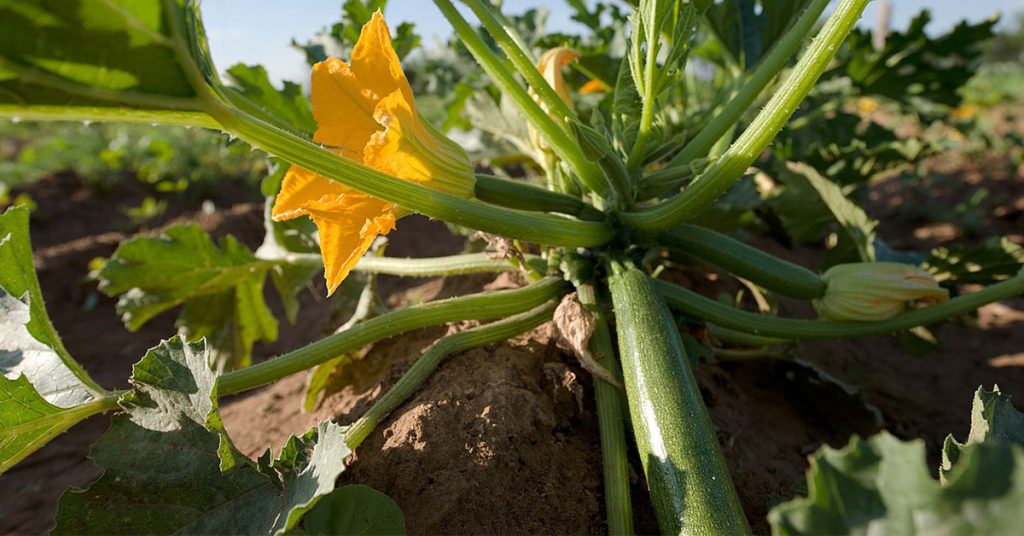
Keeping plants cropped of spent blossoms encourages more flower production—and thus more squash! In the cool of morning, I scout vines for male flowers (long stems) and trim any shriveled female blooms (with tiny squash at the base). Removing them promptly redirects the plant’s energy into new buds and fruits rather than seed development.
Regular harvesting also reduces hiding spots for pests like squash vine borers and cucumber beetles. When you clip blooms, watch for ladybugs that may be foraging on nectar—relocating them gently nearby ensures they continue preying on aphids among your squash foliage.
Monitor and Manage Powdery Mildew
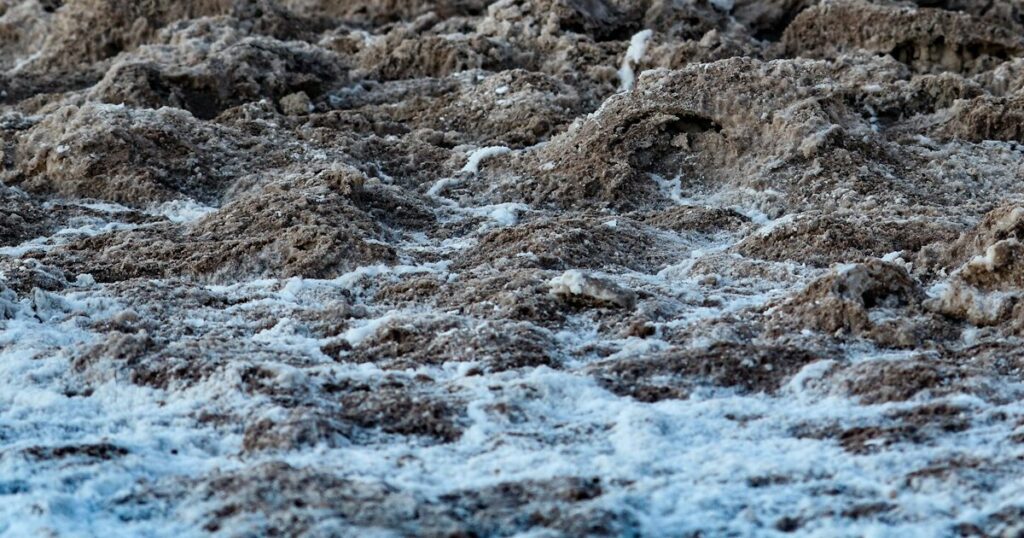
Powdery mildew often shows up in late summer’s humid nights, coating leaves in white fuzz and slowing photosynthesis. At the first sign, remove heavily affected leaves and increase airflow by thinning crowded vines. I’ve battled this disease by spraying a homemade solution of one part milk to nine parts water—an eco-friendly approach that knocks back spores without harming bees.
While treating, keep an eye out for honeybees landing on remaining flowers. Avoid spraying during peak pollinator activity—early morning or late afternoon applications protect both plants and your buzzing helpers that ensure fruit set!
Provide Temporary Shade on Scorching Days

Squash loves warmth, but prolonged temperatures above 95°F can wilt blossoms and stunt growth. Draping lightweight shade cloth over midday sun helps maintain leaf turgor and keeps soil temperatures steady. I secure cloth with garden staples along vine edges, removing it in late afternoon to allow pollinators access to blooms!
Shade not only preserves plant vigor but also shelters ground-nesting bees from heat stress. In my own beds, I’ve found small bumblebee queens hunkered under leaves—shade cloth gives them a cooler microclimate, too.
Prune and Thin Excess Foliage
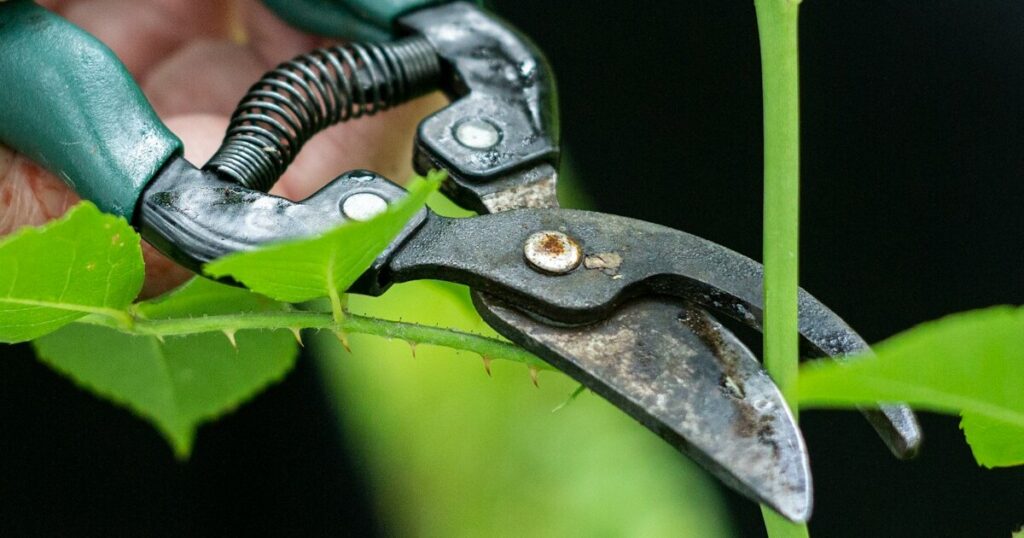
Vigorous summer squash can become a dense jungle, trapping humidity and inviting mildew. Trim out weak or inward-facing shoots with clean pruners, maintaining an open canopy that encourages light penetration and air movement. It’s such a thrill to reveal hidden fruits beneath tangled vines!
Pruning also reduces overwintering sites for squash bugs—their nymphs overwinter in debris. As you tidy vines, watch for predatory wasps hovering nearby; they’re attracted to wounded insects and help keep pest populations in check.
Ensure Consistent, Deep Watering
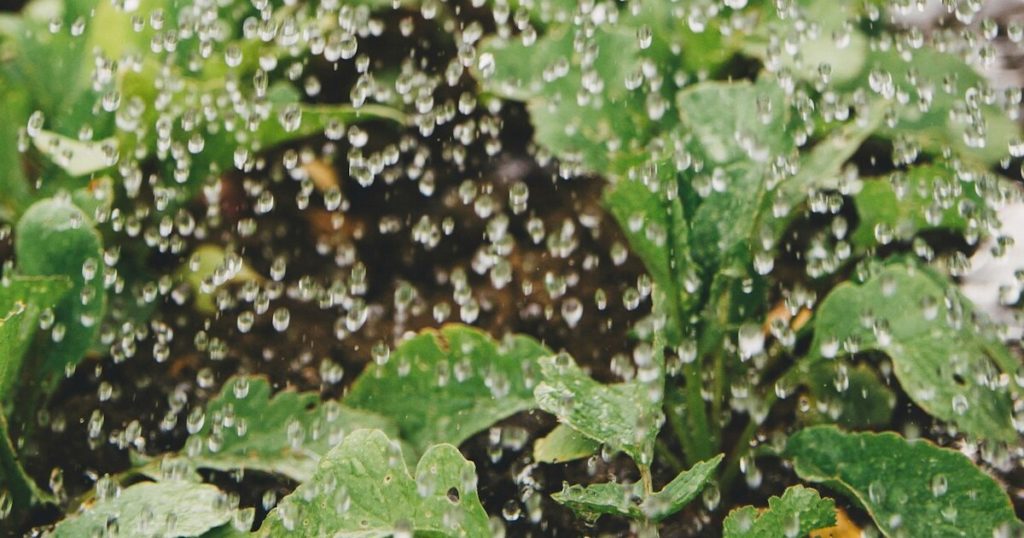
Shallow, infrequent watering leads to uneven fruit size and bitter flavor. In August’s peak heat, I switch to deep soakings twice a week—about one to two inches per session—so water penetrates the root zone. Using soaker hoses delivers moisture where it’s needed and keeps foliage dry.
Moist, well-aerated soil supports earthworms that burrow deeper roots, while stray toads and frogs often lurk in damp crowns, feeding on slugs. A thriving underground ecosystem translates into healthier, more resilient squash plants.
Support Pollinator Activity

Squash blossoms rely on bee visits—especially squash bees (Peponapis pruinosa), native to North America—for effective pollination. Avoid broad-spectrum insecticides and instead grow a few pots of alyssum or bee balm nearby to attract a diverse pollinator community. I’ve found that a steady stream of foragers early in the morning leads to plumper fruits by afternoon!
If you spot squash bees digging nests at the edge of the bed—loose, sandy soil is their favorite—resist tilling those patches. Providing undisturbed soil encourages them to return next season, boosting pollination even further.
Check and Reinforce Trellises
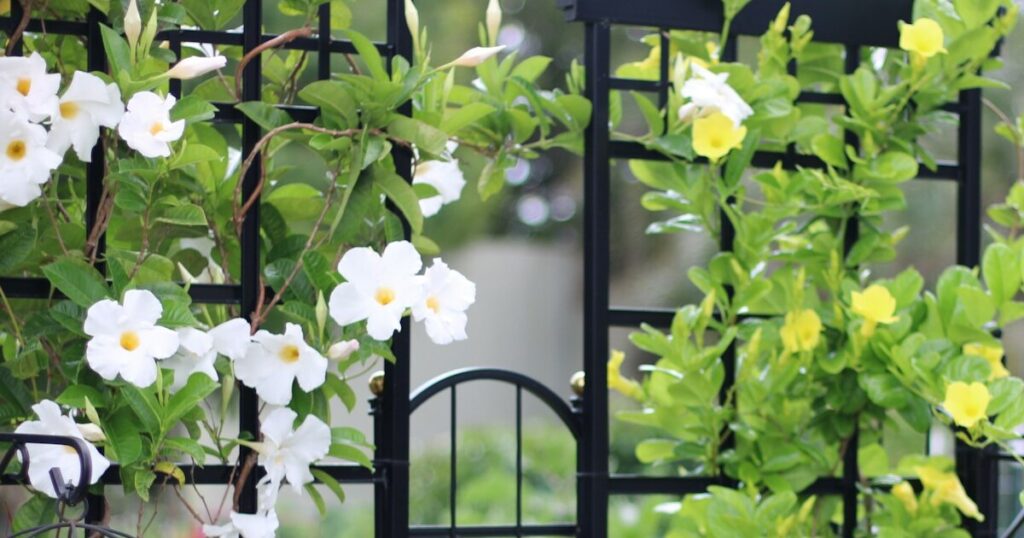
Vining squash varieties like Tromboncino or butternut benefit from vertical support, which improves space efficiency and air circulation. Inspect trellises for loose connections and add soft garden ties to gently secure heavy vines. Training vines upward also makes fruit harvesting easier—no more crawling under mounds of leaves!
Elevated vines also deter ground beetles and slugs from reaching fruit. I once discovered a slug trail on a fallen squash that had escaped trellis training—now I always make sure every vine stem is safely fastened!
Rotate Succession Plantings

For continual yields, sow a second wave of quick-maturing summer squash seed in late August—select compact bush types like ‘Patio Star.’ This strategy compensates for older vines that may start to tire or fall prey to pests. I scatter seeds in cleared spaces and lightly mulch to retain moisture, eagerly watching for the first bright yellow blossoms!
Rotation also interrupts pest life cycles—areas once home to heavy feeders get a break, while fresh soil patches welcome new roots. Pollinators will appreciate the extended bloom window, visiting both early and late-flowering squash.
Apply a Balanced Organic Fertilizer
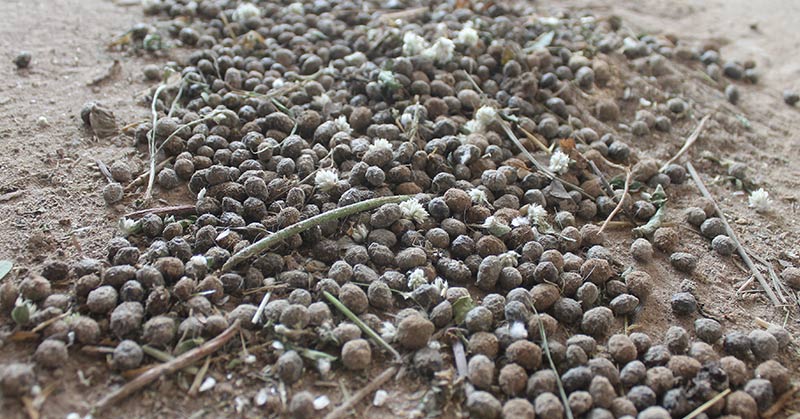
In mid-August, side-dress plants with a balanced organic fertilizer—such as one derived from fish emulsion and kelp—for a boost of micronutrients. This encourages late-season flower production and strengthens plant immunity. I dilute according to label instructions and pour around root zones, avoiding direct contact with stems.
Fertilized plants attract hoverflies that seek out nectar and lay eggs on aphid-infested leaves. Their larvae then venture across squash foliage, preying on pests—another natural method to protect your harvest!
Clean Up and Sanitize for Next Year

As vines wind down, clear fallen leaves and spent stems to reduce overwintering pests and disease spores. Compost healthy debris and discard heavily infested material. I like to mark this cleanup as a mini celebration—my bed looks so tidy, and I know pests won’t hide here until spring!
After removing debris, inspect the soil for squash vine borer holes—tiny pockets where larvae overwinter. Rotate squash to a different bed next year or solarize the soil with clear plastic for several weeks to disrupt their cycle. A clean slate now paves the way for an even more spectacular harvest next season.