

Late August and early September bring that telltale chill in the pre-dawn air, nudging us to brace our gardens for the first frost. As a gardener who’s watched tender seedlings shrivel overnight, I know it’s such a bummer when a sudden freeze nips your peppers or zinnias. But with the right preparations—like adjusting watering schedules, protecting vulnerable plants, and boosting soil health—you can minimize frost damage and keep your garden thriving into fall’s golden glow.
I remember the frustration of finding once-vibrant tomato leaves blackened by unexpected frosts. Yet over the years, I’ve discovered strategies that not only safeguard my beloved blooms and edibles but also support nesting solitary bees and shelter overwintering beneficial insects. Let’s explore nine practical tips—each with plenty of detail and garden lore—to ensure your plot weathers that first frost gracefully!
Monitor Weather and Frost Dates

Staying ahead of the first frost means tracking local forecasts and knowing your area’s average frost date. I rely on a smartphone alert set for nighttime lows approaching 36°F, giving me a window to deploy protective measures. Remember, microclimates vary—your garden by a south-facing wall may warm faster than an open plot!
Understanding frost patterns also helps wildlife: when I know a freeze is coming, I leave a few flowering asters (native to North America) uncut so late-foraging bees can gather pollen. Those asters self-seed gently without overtaking beds, providing vital nectar before winter!
Mulch Beds to Insulate Roots
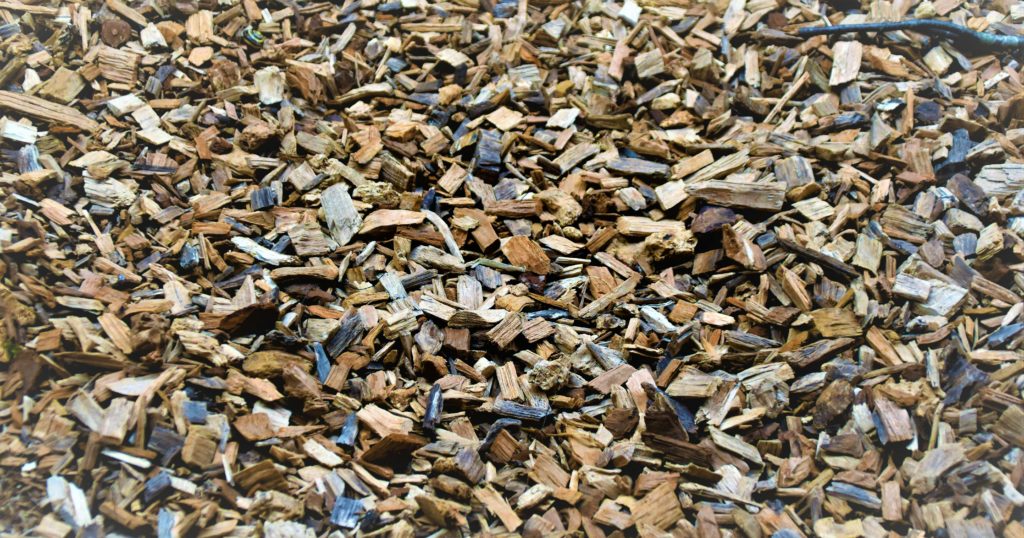
A generous two- to three-inch layer of straw, shredded leaves, or compost around perennials like echinacea (native to the central U.S.) creates an insulating blanket, stabilizing soil temperatures. I love how mulched beds look tidy while guarding roots against freeze–thaw cycles that can heave plants from the ground!
Beneath that mulch, ground beetles and solitary mining bees find cozy overwintering spots. By mulching now, you’re not just protecting your plants—you’re fostering habitat for beneficial insects that keep pests in check next spring.
Water Thoroughly Before Freeze

Well-hydrated soil holds heat better than dry ground, so give your garden a deep drink a day or two before frost. I crank up the drip irrigation for long, slow cycles, ensuring moisture penetrates several inches. It’s such a relief to see dark, damp soil rather than parched dust when cold nights arrive!
Moist soil also benefits amphibians like toads, which seek shelter near damp bases of perennial stems. Those toads, in turn, help control slugs and other pests, creating a natural balance as the season winds down.
Cover Tender Plants Overnight
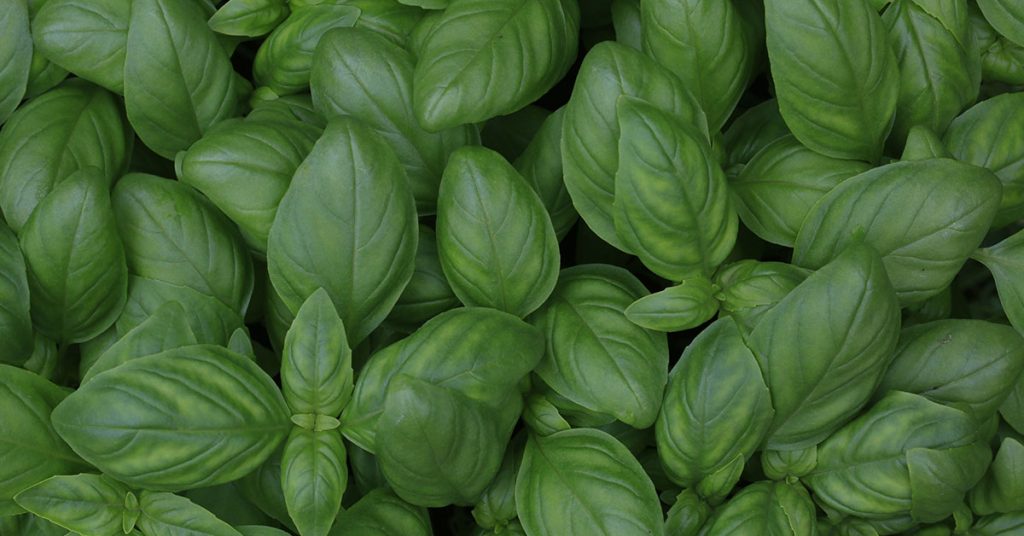
When frost threatens, drape frost cloths, old bed sheets, or lightweight row covers over frost-sensitive plants—think basil (native to tropical Asia) and young coleus (Plectranthus scutellarioides, native to Australia). Anchor the edges with bricks or soil so warm ground air remains trapped under the covers.
I’ve watched hummingbirds zipping around salvias before a freeze; protecting flowering sages through row covers allows them to keep visiting those tubular blooms! Just remember to remove covers in the morning sun so plants don’t overheat.
Move Potted Plants to Sheltered Spots
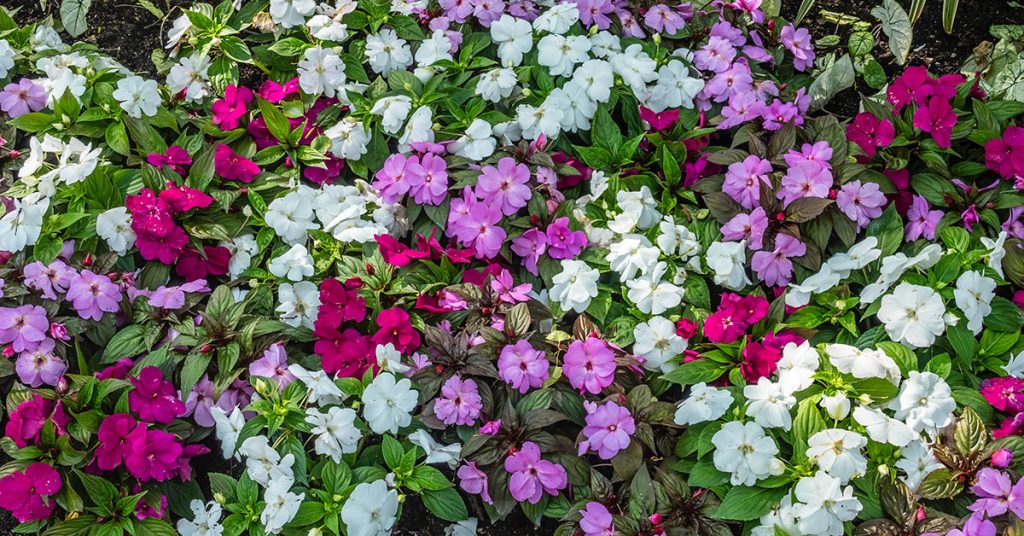
Containers chill faster than ground beds, so tote pots of geraniums, impatiens, or herbs into unheated garages or beneath eaves when frost looms. I roll them next to my house’s south wall, enjoying how their colorful foliage brightens that bare space!
Inside temporary shelters, solitary mason bees sometimes tuck into cracks between pots—an unplanned but delightful bonus. Come spring, these bees will emerge to pollinate fruit blossoms and early veggies.
Prune Sparingly and Remove Debris
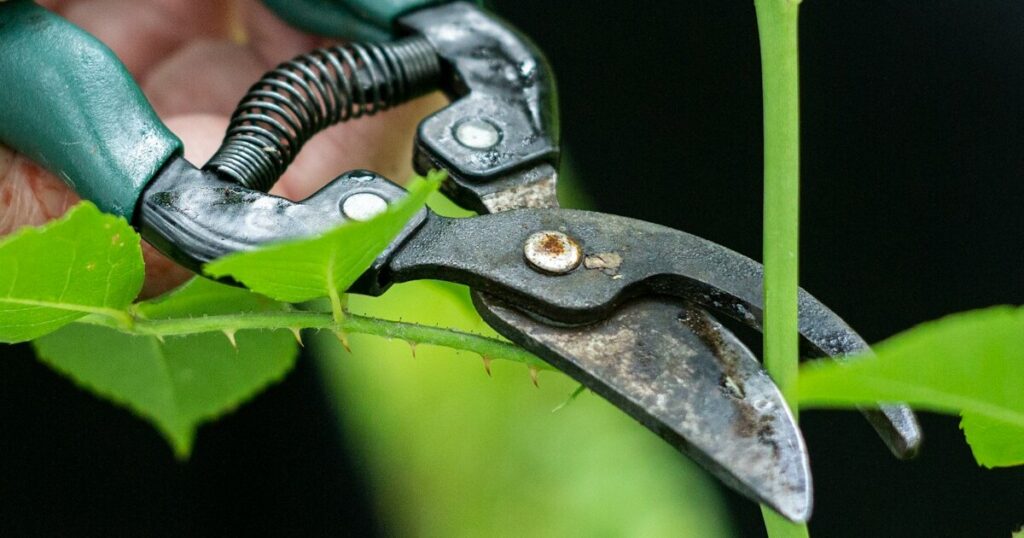
Avoid heavy pruning right before frost, as fresh cuts can invite cold damage. Instead, snip only dead or diseased wood from shrubs and roses, then clear fallen leaves and spent annuals to reduce disease harborage. I find that keeping beds clean cuts down on overwintering fungal spores and insect eggs!
While tidying, watch for ladybug clusters under curled leaves—they’re gearing up for winter dormancy. Gently relocate them to protected spots within mulched beds so they can emerge and feast on aphids next spring.
Apply a Foliar Spray for Cold Hardiness
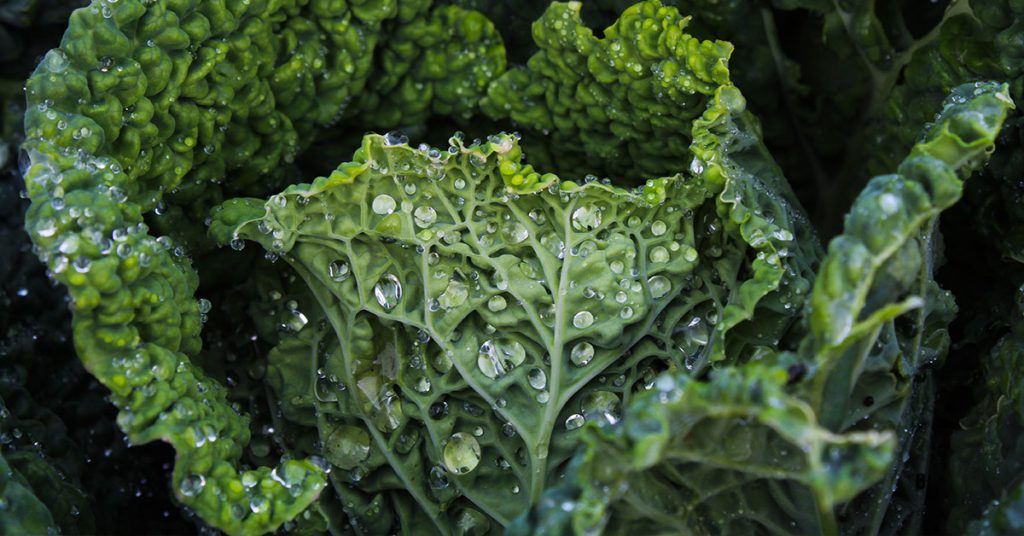
A homemade seaweed extract or fish emulsion spray can boost plants’ frost resilience by enhancing nutrient uptake and cell membrane strength. I mix a mild solution and mist hardy mums and kale leaves two weeks before expected frost—seeing those leaves glisten with dew feels like giving them a spa treatment!
Stronger, healthier foliage withstands chilly nights better, and pollinators like bees find these plants more nutritive before their final flights. Plus, foliar sprays can help beneficial predatory insects thrive into fall.
Plant Cover Crops in Vacant Spaces

As summer crops finish, sow a quick-growing cover crop—clover, winter rye, or vetch—to build organic matter, suppress weeds, and prevent soil erosion. I broadcast clover seeds in empty beds, raking lightly to ensure good seed-to-soil contact. In spring, I’ll turn these green manures under, enriching the soil for next year’s seedlings!
Before cover crops sprout, ground-nesting bees use bare patches for nesting; leaving small areas until cover crops are up ensures they complete their life cycles. A balanced approach supports both soil health and insect biodiversity.
Protect Young Trees and Shrubs
Wrap trunks of newly planted fruit trees or ornamental shrubs in tree wrap or breathable fabric to prevent sunscald and frost cracks. I secure wraps from ground level up to the first branches, then remove them in spring to avoid moisture buildup. It’s amazing how a simple wrap can keep bark intact through sudden temperature swings!
At the base, I mulch around—but not touching—the trunk to prevent mice from nibbling bark. Last fall, I discovered a family of field mice seeking warmth under unwrapped trunks—an incentive to ensure proper wrapping and mulch placement!