

Late summer often feels like the sprint before a marathon: blooms still blazing, heat still high, yet autumn whispers on the breeze. As a gardener who’s tripped over half-dead zinnias while dreaming of pumpkin spice, I know that awkward in-between feeling well! Taking deliberate steps now will ease your garden into a productive, beautiful fall season and set you up for next spring’s success.
It’s such a bummer when beds look ragged come October or when pests sneak in while you’re busy harvesting tomatoes. By dividing perennials, replenishing soil, planting cool-season crops, and creating wildlife havens, you’ll have a garden that evolves gracefully rather than sputtering to a stop. Let’s dig into ten essential ways to make the shift seamless and rewarding!
Divide and Transplant Perennials
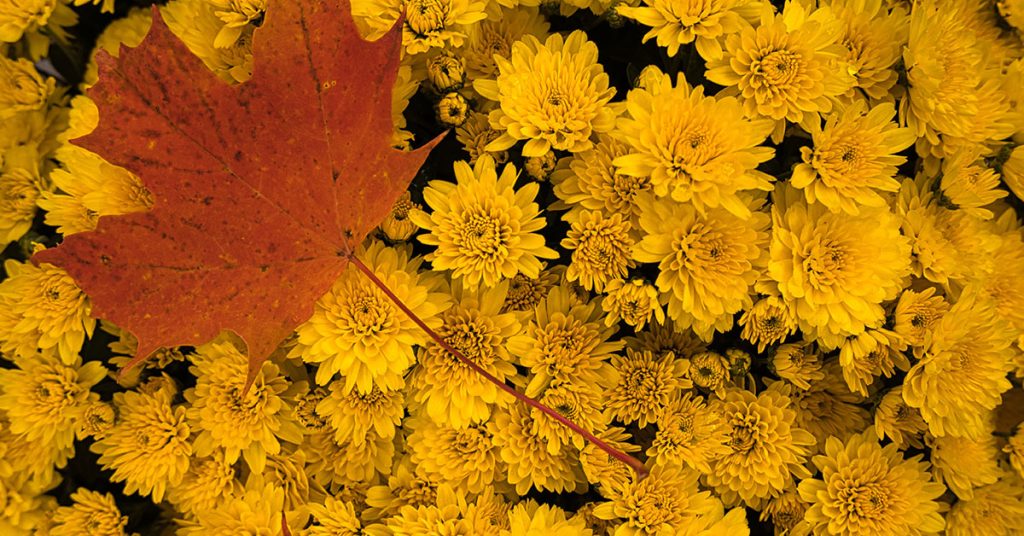
Dividing asters (native to North America) and mums (Chrysanthemum spp., native to Asia) in late summer helps rejuvenate overcrowded clumps and sparks fresh fall blooms. Carefully lift the root ball, tease apart healthy shoots with a trowel, and replant divisions at the same depth, spacing them out to encourage vigorous growth. It’s one of my favorite fall tasks—unearthing hidden treasures in the soil!
You’ll often find solitary bees nesting in the loosened earth around these perennials, taking advantage of bare patches for brood chambers. By dividing now, you not only invigorate the plants but also refresh nesting real estate for beneficial insects. Plus, healthy, well-spaced perennials resist fungal diseases that can devastate crowded stands.
Amend Soil with Organic Matter

After summer’s heavy feeding and watering, beds can be depleted. Spread a two-inch layer of compost or well-rotted manure—rich in nitrogen, phosphorus, and potassium—over your borders. Work it gently into the top few inches of soil to improve structure, drainage, and nutrient content. Trust me, your roots will thank you with lush fall growth!
A nutrient-rich environment supports more than just plants: ground-nesting bees such as miner bees prefer loose, crumbly soils for their tunnels. My own garden witnessed a small colony of mining bees emerging after I added compost—proof that improving soil health benefits the entire ecosystem.
Lay Down Mulch to Protect Soil

Applying a three-to-four-inch layer of shredded leaves or bark mulch insulates soil against temperature swings and preserves moisture as the weather cools. Mulch also suppresses late-season weeds eager to colonize bare patches. I love the cozy, finished look it gives my beds while keeping moisture levels consistent!
Under that mulch, picture carder bees scurrying to build turf nests or ground beetles seeking overwintering sites. A stable microclimate created by mulch supports these beneficial creatures, helping control pests and ensuring a balanced garden community through winter.
Clean Up and Compost Spent Annuals

Pull spent zinnias, marigolds, and other annuals before they set seeds, then add their foliage to the compost pile. Removing decaying debris reduces habitat for slugs and fungal pathogens that flourish in damp litter. While it can feel tedious, I always find treasures—like healthy volunteer herbs—to rescue before composting!
As you clear out old growth, watch for ladybeetle larvae or lacewing eggs tucked under leaves. By composting responsibly—ensuring your pile heats above 140°F—you’ll break down any lingering pests or diseases, then return safe, rich compost to the garden next spring.
Plant Spring-Flowering Bulbs

Late August and early September are ideal for planting tulips (Tulipa spp., native to Central Asia), daffodils (Narcissus spp., native to Mediterranean regions), and alliums (Allium spp., native to Eurasia). Position bulbs pointy-end up at proper depths—generally two to three times the bulb’s height—so roots establish before frost. I get such a thrill imagining their vibrant heads pushing through chill soil months from now!
These early blooms will become crucial nectar sources for emerging bees—especially mason bees that tunnel into ground near bulb clusters. Since daffodils and alliums aren’t invasive in most home gardens, you’ll enjoy reliable spring color without worrying about unwanted spread.
Sow Cool-Season Vegetables and Cover Crops

Plant spinach, kale, and lettuce now for autumn harvests—these cool-tolerant veggies (all natives of the Mediterranean or Central Asia) relish milder temperatures. Alternatively, sow winter rye or clover as a cover crop to protect and enrich soil, adding organic matter when you turn it under next spring. I always sneak in a packet of mesclun mix for salad-fresh greens come October!
Cover crops also offer temporary forage for pollinators—clover blooms attract bumblebees even in cooler weather. When you mow or till them in spring, you’ll release nutrients and boost soil life, creating a living mulch that feeds both plants and beneficial insects.
Prune Shrubs and Remove Dead Wood
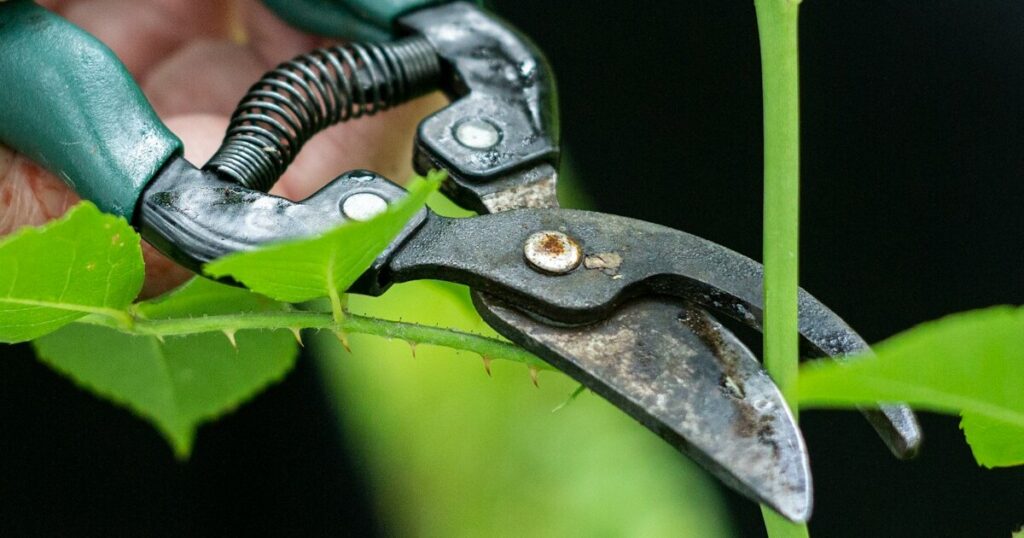
Lightly prune leggy summer shrubs—like hydrangeas (Hydrangea spp., native to Asia and the Americas)—to maintain shape and promote new growth. Remove dead or diseased wood from roses and other woody plants to prevent disease overwintering. A clean cut always feels rewarding, like a mini facelift for your garden!
Pruning also opens up spots for cavity-nesting bees and small birds to build nests next year. In my own border, I found a family of bluebirds taking refuge in a pruned rose arch this spring—showing that timely maintenance fosters wildlife habitat.
Sow Native Wildflower Seeds

Filling bare patches with seeds of native asters, black-eyed Susans (Rudbeckia hirta, North America), and goldenrod (Solidago spp., North America) ensures fall blooms and vital late-season nectar. Scatter seeds over prepared soil, lightly rake, and press them in—no need to bury deeply. I love watching goldenrod sprouts push through autumn leaves!
As these wildflowers establish, they’ll support migrating butterflies and native bees collecting one last summer bounty. Black-eyed Susans provide seeds for finches next year, while asters stand tall as nesting sites for beneficial wasps—a multitasking masterpiece of ecological design.
Add Winter-Interest Plantings
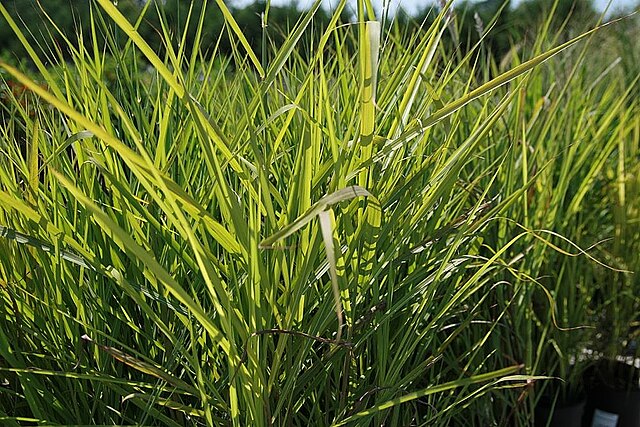
Incorporate ornamental grasses like maiden grass (Miscanthus sinensis, native to East Asia) and Heuchera ‘Autumn Bride’ (alumroot, native to North America) for structure when perennials fade. These plants aren’t invasive in well-managed borders and offer seed heads and foliage that catch frost beautifully. Their rustling adds texture and anticipation for spring!
Grasses also form sheltering tussocks for overwintering ladybugs and lacewings, which hibernate in the stems. I delight in spotting clusters of these beneficial insects nestled amid grass crowns, ready to emerge in spring’s first warm spells and feast on early aphid outbreaks.
Create Habitats for Pollinators and Beneficial Insects

Build a simple bee hotel from hollow reeds or bamboo canes tied under an eave to house mason bees through winter. Pile flat stones near sunny walls for bumblebee queens to overwinter, and leave small brush piles for lacewings and spiders. Encouraging these allies now repays you tenfold in pest control and pollination come next spring!
I once discovered a solitary bee nest in an old log left in my garden—proof that minimal intervention can yield big ecological benefits. Providing diverse overwintering sites ensures a thriving garden community, from ground-nesters to cavity-dwellers, ready to kick off a vibrant season.