

Late summer is the perfect time to dream about next year’s water garden—when the heat begins to ease, you can plan and prepare without the frantic rush of spring planting. As a gardener who’s been both thrilled and humbled by aquatic experiments, I know how tempting it is to dive in headfirst without a roadmap—only to discover algae blooms or sinking pots come May. Taking time now to assess, clean, and plan will save you headaches and help your water lilies, rushes, and marginal plants thrive.
It’s such a bummer when your fish barely nibble the new shoots or when duckweed overruns everything before you even get a chance to enjoy your pond! But with a few thoughtful steps—like testing water chemistry, selecting the right substrates, and integrating wildlife habitats—you’ll create a balanced ecosystem that delights both you and visiting frogs, dragonflies, or nesting bees. Let’s jump into the essential preparations that will set your aquatic garden up for success.
Plan Plant Placement and Grouping
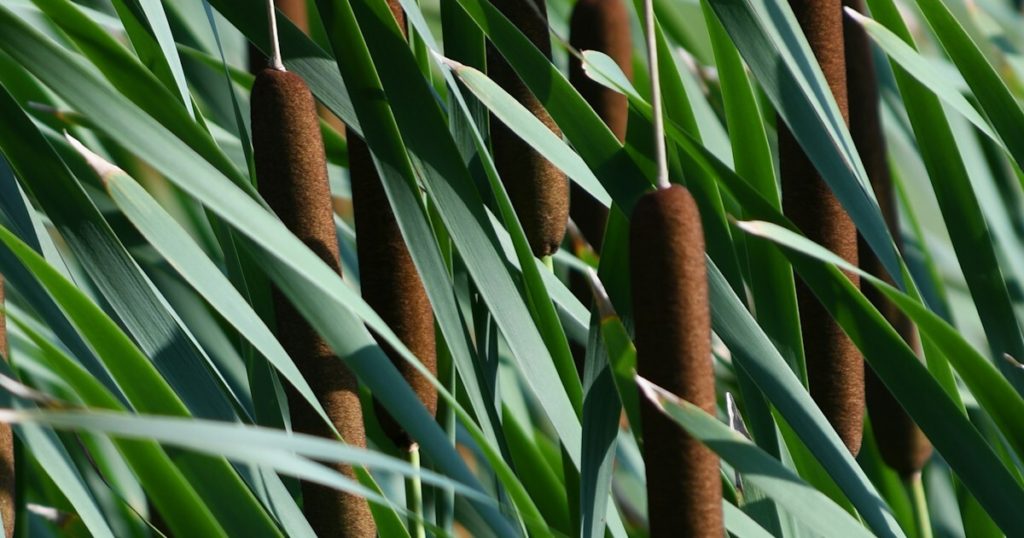
One of my favorite parts of designing an aquatic garden is imagining how textures and heights will play together: the tall spikes of cattails against low-growing water lettuce make such a dynamic contrast! Map out shallow margins for marginal plants and deeper zones for true submerged species. Consider sun exposure—most aquatic plants need at least six hours of light—while also penciling in shaded pockets for moisture-loving natives.
Think about how plants will spread: some, like water hyacinth (native to South America and considered invasive in many regions), need containment, whereas hardy native choices such as Iris pseudacorus (native to Europe and Asia, but invasive in parts of North America) may require periodic thinning. By sketching bed outlines and noting water depths now, you’ll avoid overcrowding and make spring planting a breeze!
Test and Balance Water Chemistry
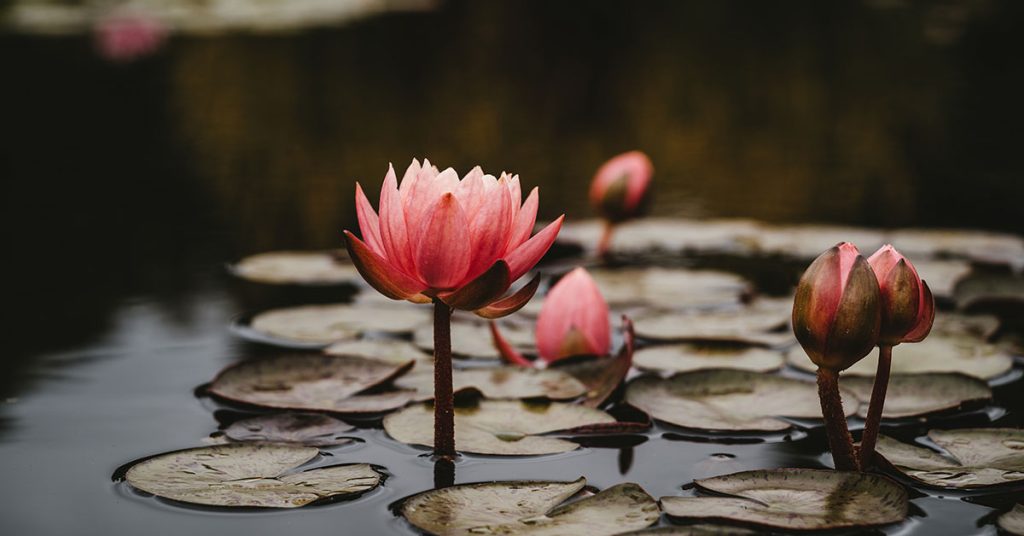
Healthy aquatic plants need stable pH and nutrient levels before you introduce them. I always grab a reliable pond-test kit in August to check pH, ammonia, nitrite, and phosphate levels. Ideally, you want a neutral to slightly acidic pH (6.5–7.5) and minimal ammonia or nitrites, which can stress roots and invite algae.
Sampling and testing water now helps you spot imbalances early. If your pH is off, gently add garden lime (to raise pH) or peat moss (to lower pH) around pond edges and re-test in a week. Addressing these details ahead of time means your aquatic plants won’t face shock when the water cools and you finally introduce them next spring!
Amend Surrounding Soil and Edge Treatments

Your pond’s edges set the stage for both beauty and function. Remove weeds and invasive runners—nothing spoils a border faster than a choking mat of bittersweet or creeping Jenny. Replace with a mix of loamy garden soil and coarse sand to secure marginal pots and prevent fine particles from clouding the water.
I’ve had to re-edge my own bog garden after critters tunneled under loose stones, so be sure to firm up your borders with flat pebbles or decorative bricks. A well-prepared edge not only looks tidy but also provides nesting crevices for solitary bees and small shelter for frogspawn.
Integrate Beneficial Wildlife Habitats

Aquatic plants flourish alongside wildlife: dragonflies lay eggs on submerged stalks, frogs hide among lilies, and diving beetles patrol your pond. Before winter, add branch bundles or small logs in shallow areas to give insects and amphibians cozy overwintering spots.
I love spotting painted turtles snuggling under log piles in spring! Encouraging nesting habitat now means you’ll have a thriving community when the weather warms. Just be mindful not to introduce invasive crayfish or goldfish—they can decimate plant roots and disrupt your ecosystem.
Choose Appropriate Aquatic Containers and Substrates

Many aquatic plants perform best when contained in pots buried at specific depths. Invest in sturdy, UV-resistant aquatic planters and fill them with a heavy clay or loam-based aquatic soil—avoid potting mixes that float away and cloud your water!
For deepwater species like water lilies (Nymphaea spp., native worldwide but some hybrids can naturalize), a soil depth of 12–18 inches is ideal. Marginal plants such as pickerelweed (Pontederia cordata, native to North America) do well in shallow containers sunk just a few inches below the surface. Label each pot now so you remember depths come planting time!
Establish a Maintenance Schedule for Spring Start
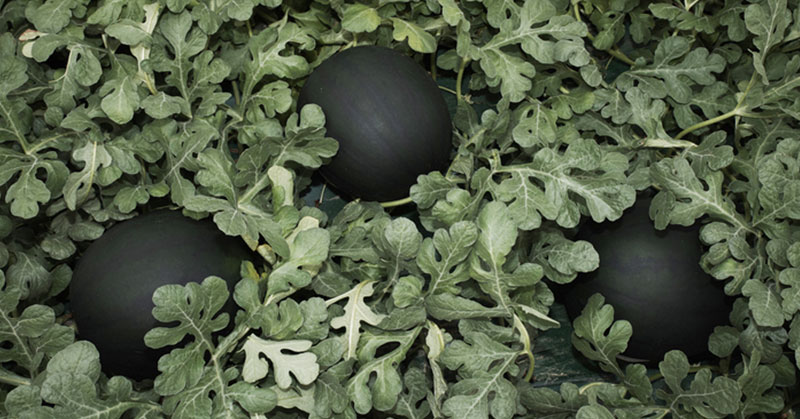
It’s easy to let spring rush catch you off guard—before you know it, weeds and algae have taken over. Draft a simple calendar now, marking dates for partial water changes, filter checks, and planting reminders. I pencil in early April for cleaning baskets, mid-May for planting, and monthly checks through summer.
By setting alerts on your phone or calendar, you’ll avoid procrastination. I once missed a crucial filter cleaning in April, and ended up with murky water and stressed plants by June—lesson learned! A clear schedule keeps your aquatic haven on track.
Source Healthy Aquatic Plants and Avoid Invasives

Next season, look for reputable nurseries that specialize in aquatic species—healthy, disease-free stock makes all the difference. Steer clear of known invasives like water lettuce (Pistia stratiotes, native to Africa and invasive in warm regions) unless you’re prepared for rigorous control.
Consider natives whenever possible: pickerelweed and native water lilies support local wildlife and rarely escape cultivation. Order your specimens now if you can, scheduling delivery for early spring to ensure prime selection and minimize shipping stress on fragile roots.
Ensure Proper Filtration and Aeration Systems

A clear pond isn’t just about pretty plants—it relies on filtered and oxygenated water. Plan to clean or upgrade your filter media before winter, and verify that pumps and air stones function at full capacity. I always run a quick flow test in late summer, so I’m not surprised by a clogged impeller in spring!
Aeration helps prevent stratification and keeps roots healthy. If you’re adding a fountain or waterfall, map out tubing runs and power sources now. A well-designed system supports vigorous plant growth and deters algae blooms when temperatures climb.
Clean and Revamp the Pond or Container
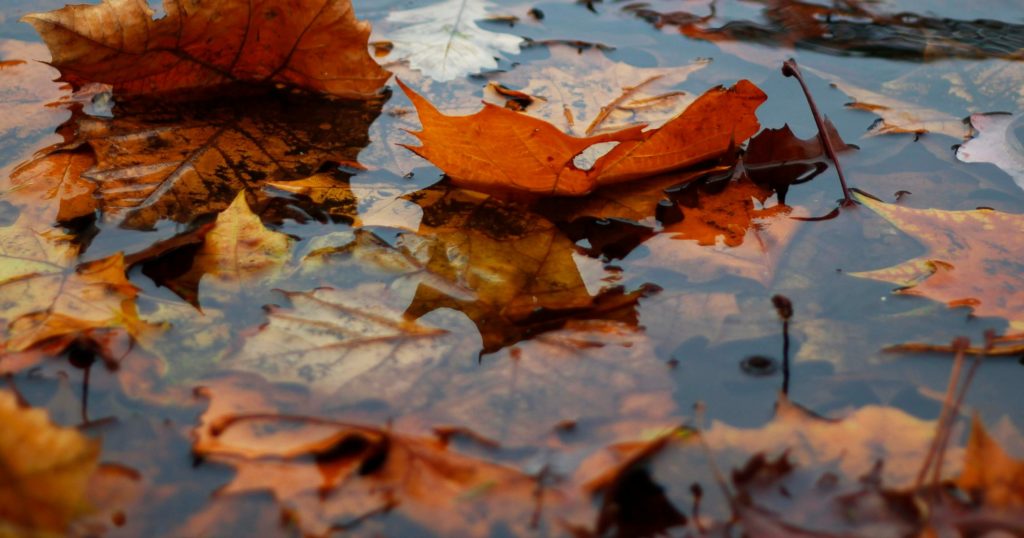
Drain and scrub your pond basin or containers over fall and early spring to remove sludge and decaying plant matter. If you have concrete or fiberglass, use a brush and mild, pond-safe cleaner—avoid bleach, which can leave harmful residues.
While it’s cringeworthy to haul buckets of mucky water, this deep clean reduces pathogens and gives you a fresh slate for new plantings. I treat my basin walls with a vinegar rinse afterward to neutralize any lingering grime—then let it air-dry before refilling.
Prepare for Winterizing Your Aquatic Setup

Even in mild climates, aquatic systems benefit from winter prep. Remove tender potted plants to sheltered cold frames or basements, and cut back hardy perennials to just above the crown. If your pond freezes, install a floating de-icer or gently break surface ice to allow gas exchange.
Before temperatures dip, top off water levels to compensate for evaporation, and tuck pumps indoors if they risk freeze damage. Taking these precautions ensures your future aquatic stars wake up vigorous and ready to show off their blooms!