
Late August in desert gardens can feel like the ultimate test of your green thumb—scorching days, relentless sun, and soil that could give a cactus a run for its money! As an avid desert gardener, I know how daunting it is when drought-tolerant beauties start to wilt under the late-summer blaze. But with the right palette of hardy, heat-loving plants, you can turn those challenges into triumphs and craft a landscape that thrives when others fade away.
I remember feeling discouraged the first time my petunias simply gave up in the afternoon sun—but then I discovered a world of native and adapted specimens that not only survived but dazzled in late August. These eleven selections boast stunning blooms, fascinating behaviors (like attracting hummingbirds and nesting solitary bees!), and ecological resilience. Let’s dive into these desert champions that make the hottest month look effortless!
Salvia greggii (Autumn Sage)
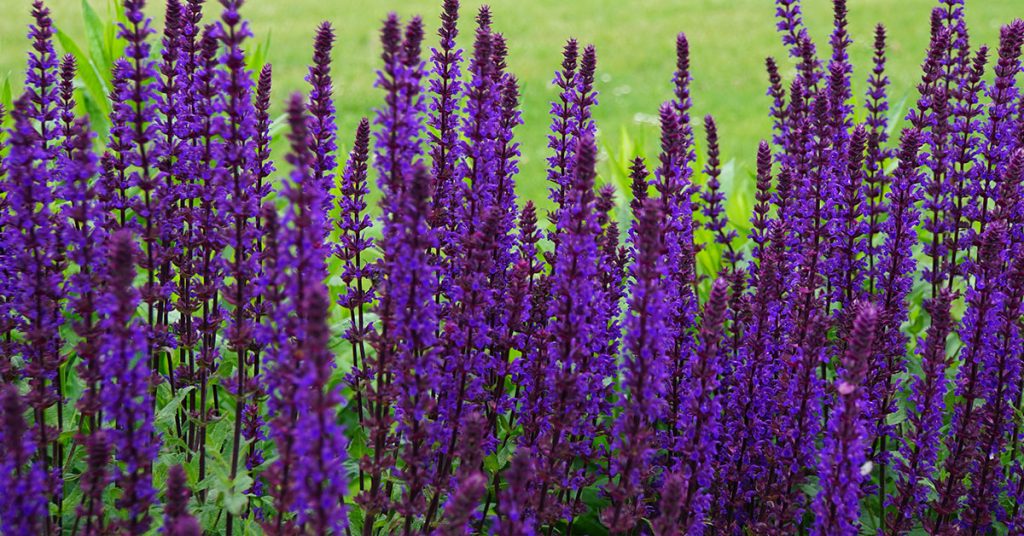
Autumn Sage, native to the Chihuahuan and Sonoran Deserts of Texas and Mexico, sports tubular flowers in fiery reds, pinks, and purples that bloom well into fall. This evergreen perennial keeps foliage through mild winters and forms neat mounds that reach about two feet tall. It’s not invasive—just eager to reward you with nonstop color when many plants are sighing in the heat!
Birds and bees can’t resist those nectar-rich blossoms. Ruby-throated and Broad-tailed hummingbirds hover at each tubular flower, and I’ve spotted tiny carpenter bees drilling into the soft stems nearby, creating cozy nesting tunnels. Autumn Sage’s long bloom period means pollinators stick around late into the season, giving your garden a lively, humming ambiance!
Desert Zinnia (Zinnia acerosa)
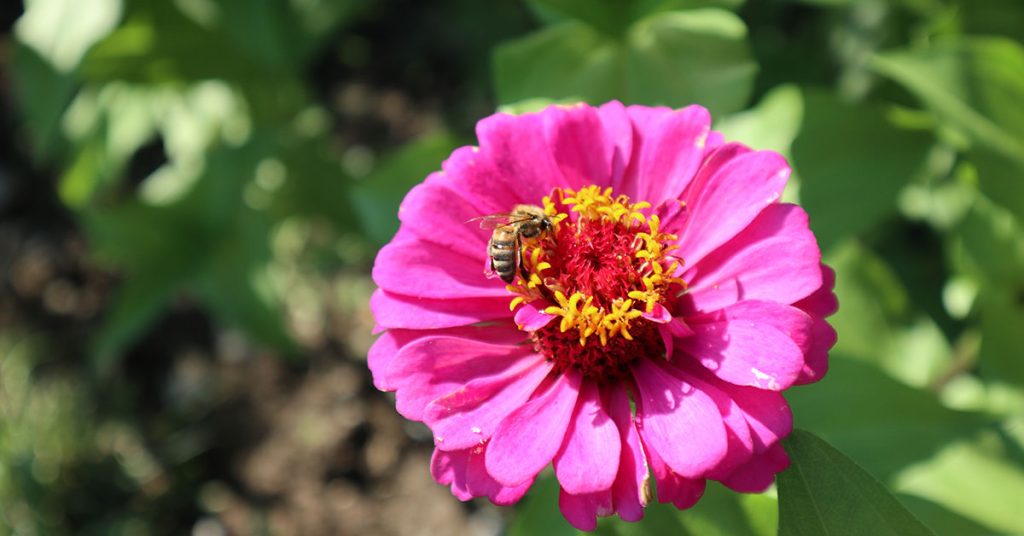
Desert Zinnia hails from sandy soils of Arizona and New Mexico, forming low mats of gray-green leaves dotted with bright yellow, orange, or pink daisy-like flowers. Unlike some wildflowers that vanish after one flush, desert zinnias rebloom prolifically with minimal water. They’re well-behaved reseeders and not considered invasive, making them perfect for both beds and containers.
Butterflies adore their open faces—Monarchs and Painted Ladies flit in by the dozens! I once watched a small flock of Mourning Doves pecking at fallen seeds beneath a zinnia patch, preparing for a nearby nest. These cheerful blooms invite a full spectrum of desert wildlife to your garden sanctuary.
Desert Willow (Chilopsis linearis)

Desert Willow isn’t a true willow but a small tree native to riverbanks from California to Texas. Its orchid-like pink, lavender, or white flowers appear in late summer, cascading from slender branches. It’s drought-tolerant once established and non-invasive, making it an elegant focal point for shade-dappled patios or mixed borders.
Hummingbirds are drawn to its trumpet-shaped flowers and often nest in the crooks of its branches. I’ve even spotted small orioles flitting among the blooms, gathering caterpillars from the foliage to feed their young. A desert willow brings vertical drama and a bustling avian community to your late-August oasis!
Red Yucca (Hesperaloe parviflora)
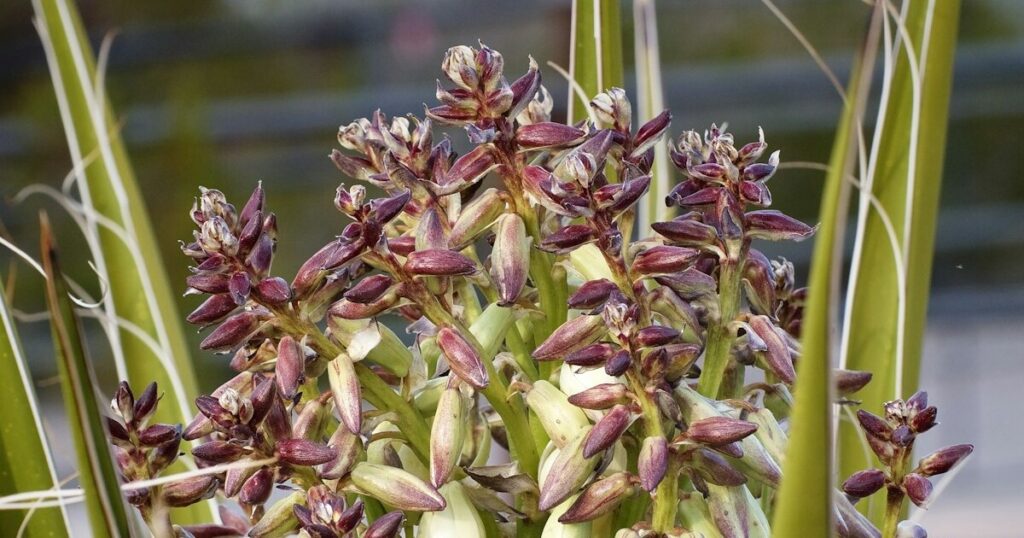
Red Yucca, native to west Texas and northern Mexico, forms spiky rosettes of narrow leaves and sends up tall stalks of coral-red, tubular blooms from midsummer into fall. It’s a clumping succulent that never takes over your garden, and its deep roots help it endure heat waves without a single droop.
Those arching flower stalks are magnets for hummingbirds! I often catch Anna’s Hummingbirds darting in to sip nectar, their wings aflutter like tiny helicopters. Occasionally, bumblebees clamor for a share, buzzing amidst the fiery clusters. Red Yucca’s sculptural form and continuous blooms are a desert gardener’s delight.
Mexican Hat (Ratibida columnifera)
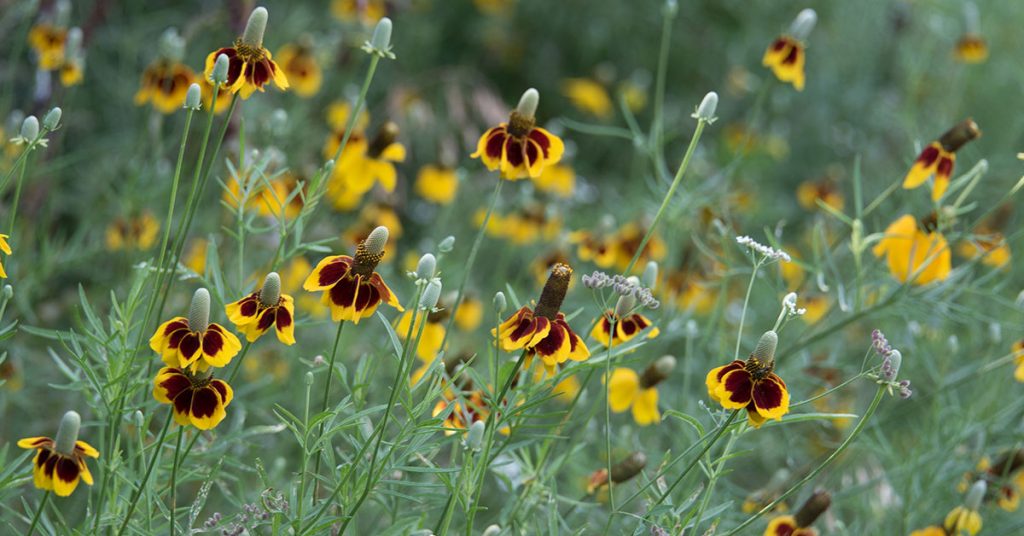
Mexican Hat, native to the Great Plains and into northern Mexico, features drooping red-and-yellow “petals” radiating from a central cone, resembling a sombrero—so fun! This annual or short-lived perennial tolerates rocky, sandy soils and seldom self-seeds aggressively, so it won’t overtake your plantings.
Bees swarm the central cones to collect pollen, while butterflies like Swallowtails land gracefully on the petals. I’ve even seen small wasps excavating nest burrows in bare soil patches nearby, drawn by the floral bounty. Mexican Hat adds playful color and ecological intrigue to a late-season desert palette!
Desert Marigold (Baileya multiradiata)

Desert Marigold, from the arid Southwest and northern Mexico, brightens gravelly flats with golden daisy-like flowers atop silvery foliage. A true perennial in USDA zones 7–10, it self-seeds lightly but never becomes invasive. Its blooms persist from spring through late summer, lighting up the garden when many other daisy relatives have departed.
I’ve noticed small mining bees creating tubular nests in the soil around the marigolds—perhaps drawn by the proximity to pollen sources. Butterflies, too, flutter in, settling on the blooms for quick sips. Desert Marigold’s long season and low water needs make it a must-have for effortless cheer!
Texas Sage (Leucophyllum frutescens)
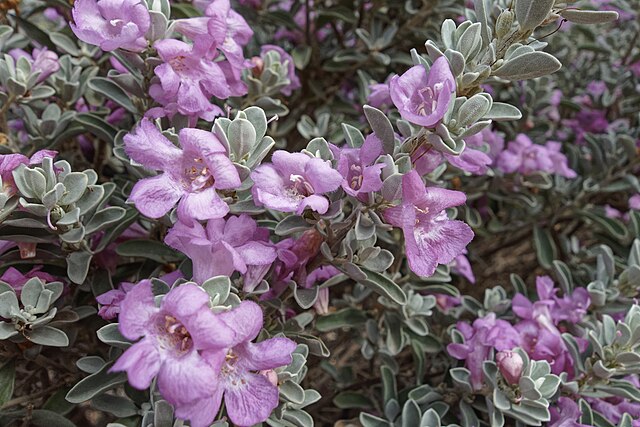
Texas Sage, native to the Chihuahuan Desert, showcases silvery, fuzzy leaves and lavender-pink blooms that often follow summer thunderstorms. Once established, it needs almost no supplemental water and won’t run rampant—its tidy habit fits perfectly into structured desert landscapes.
Hummingbirds probe each funnel-shaped blossom, and during a quiet afternoon I’ve seen small finches perching within its branches, pecking at aphids—a natural pest-control team! Its captivating blooms and evergreen texture make Texas Sage a reliable performer in your late-August garden.
Lantana (Lantana urticoides)

Lantana urticoides, or Texas Lantana, originates from Mexico and Texas river valleys, offering clusters of tiny, multicolored blooms that shift from yellow to orange to pink. It sprawls low and wide, resisting drought and heat, with minimal reseeding and no invasive tendencies in most regions.
Bees, butterflies, and hummingbirds descend upon lantana clusters like clockwork. I once discovered a bumblebee nest tucked under a sprawling patch, taking advantage of both nectar and shelter. Lantana’s dynamic colors and pollinator appeal keep your desert garden humming with life!
Apache Plume (Fallugia paradoxa)

Apache Plume, native to the Four Corners region, is a shrubby perennial with feathery, plume-topped fruits that follow clusters of white, rose-scented flowers in mid to late summer. It’s well-behaved and doesn’t spread aggressively, thriving in rocky, alkaline soils with near-zero water once established.
Those feathery seed heads catch the breeze, scattering seeds just enough to fill gaps but not overrun spaces. I’ve seen small finches feasting on the seeds and solitary wasps nesting in nearby soil cracks. Apache Plume lends soft texture and ecological value to a desert border!
Penstemon palmeri (Palmer’s Penstemon)
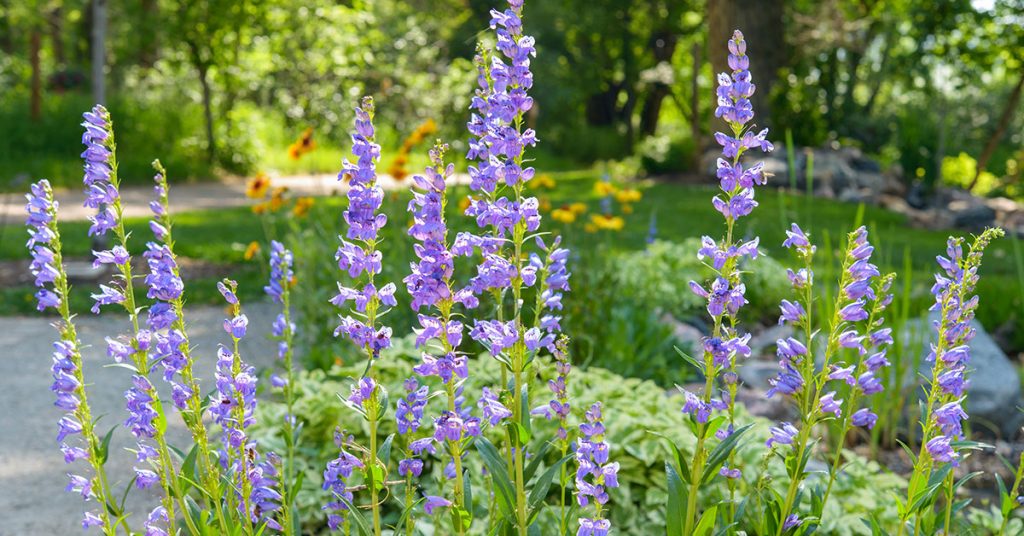
Palmer’s Penstemon, from sandy washes in Arizona and New Mexico, produces tall spikes of tubular lavender-pink flowers that bloom in late summer. This perennial is drought-adapted, non-invasive, and deer-resistant—ideal for xeriscaping. Its basal rosette of leaves stays tidy, while flower stalks reach skyward.
Hummingbirds adore the nectar-filled tubes, and I’ve watched Anna’s Hummingbirds dart in and out of blossoms as if playing tag! Solitary bees also nest at the plant’s base, digging small tunnels in the sandy soil. Palmer’s Penstemon offers vertical impact and a hummingbird stage in your hot-sun garden.
Desert Globe Mallow (Sphaeralcea ambigua)
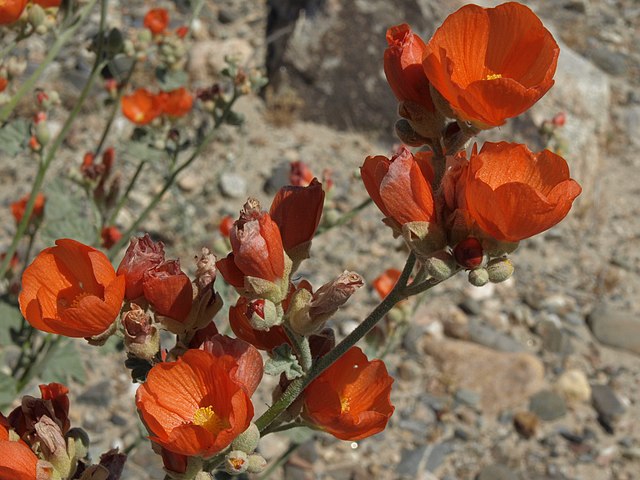
Desert Globe Mallow, native to southwestern deserts, forms mounds of gray-green foliage covered in coral-orange saucer-shaped flowers from spring through fall. It spreads by rhizomes but is easy to contain with simple root barriers—definitely not an out-of-control invader! Its continuous blooms are a standout against neutral desert palettes.
Bees and butterflies flock to those open blossoms, and I once discovered a small bee hive tucked beneath the foliage, likely attracted by both nectar and protective cover. Desert Globe Mallow’s vibrant color and sheltering form make it an ecological hotspot in late August!