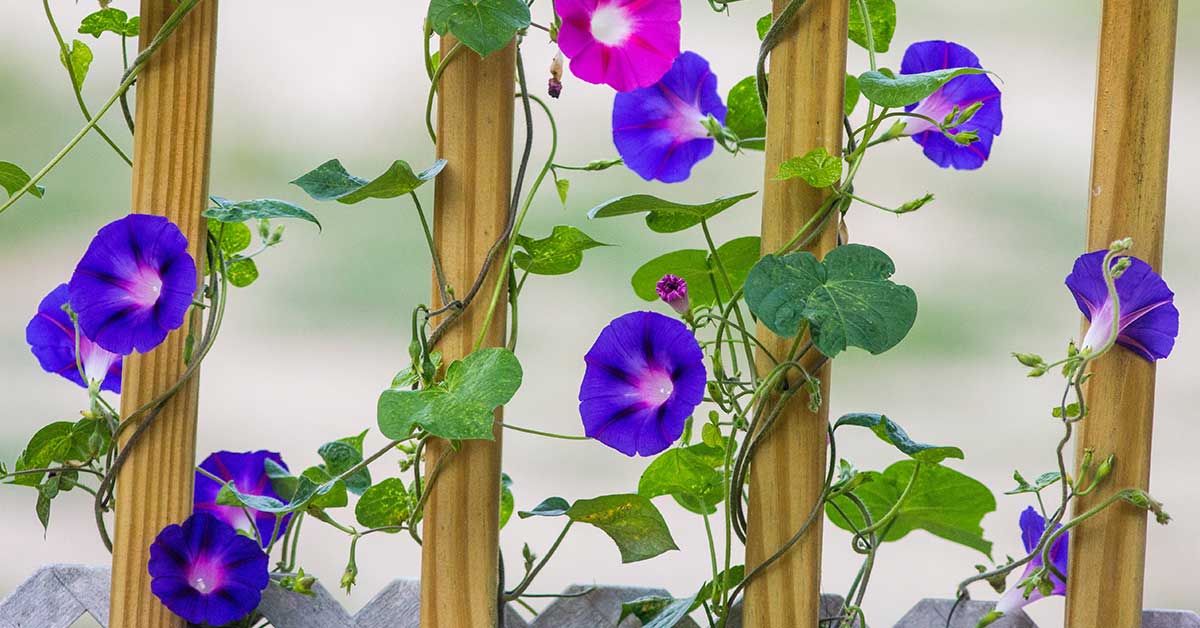

Morning glories (Ipomoea purpurea), with their trumpet-shaped blooms unfurling at dawn, can be utterly captivating. I remember the first time I sowed seeds directly into a border without giving them any support—it was such a bummer to watch the vines slither through every nook and cranny, tangling my favorite daylilies and petunias! While these hardy climbers hail from tropical regions of Central and South America and bring a burst of color, they also possess a mischievous side that, unchecked, can overrun your carefully curated beds.
In this article, we’ll explore why providing a sturdy trellis isn’t just a suggestion but an absolute necessity when growing morning glories. From rampant spread to plant smothering, each point will help you understand their behaviors and prepare your garden to host them safely. Grab a cup of coffee (or a morning tea!) and let’s dive into how to enjoy these beauties without letting them wreak havoc.
They Climb Anything in Their Path

Morning glories are natural climbers, using twining stems to wrap around supports—and unfortunately, your neighboring plants count as supports, too! In my own garden, I’ve watched these vines spiral up hollyhocks and choke out smaller perennials like coreopsis, native to North America. Without a trellis, they’ll treat your ornamental shrubs and even garden furniture like vertical real estate, smothering anything they touch.
Their rapid growth—often several inches per day in ideal summer warmth—means they can seize new territory before you even notice. By providing a dedicated structure, you give them a clear boundary and protect the rest of your garden from their enthusiastic embrace!
They Shade Out Sun-Loving Neighbors

While morning glories thrive in full sun, their dense foliage can cast heavy shade over sun-loving companions such as lavender (Lavandula angustifolia), native to the Mediterranean, and black-eyed Susans (Rudbeckia hirta), native to central North America. I once found my lavender struggling under a carpet of morning glory leaves, looking pale and leggy despite my best watering efforts!
A trellis ensures their leaves climb upward rather than sprawling across the ground or over adjacent plants. This keeps light levels balanced, allowing each species to bask in its preferred sunshine and maintain vibrant blooms.
They Create a Web of Stems That Harbor Pests

The intertwined stems of unsupported morning glories form perfect hideouts for slugs, snails, and aphids. In the humid corners where vines collapse into other plants, I’ve discovered slug eggs and clusters of aphids munching on tender shoots of nearby basil—a frustrating surprise during the height of summer!
By training vines vertically, you improve air circulation and visibility. Not only does this discourage slug and snail habitats, but it also makes early detection of aphid colonies much easier, keeping your entire garden healthier.
They Compete Vigorously for Nutrients

Morning glory roots can spread aggressively underground, competing with nearby plants for water and soil nutrients. I remember my coneflowers (Echinacea purpurea), native to the prairies of North America, showing signs of stress—fewer blooms and yellowing leaves—simply because morning glory roots had moved into their root zone!
A trellis confines the aboveground growth, which in turn helps you monitor and manage the root spread more effectively. You can prune root runners along the base of your structure before they invade your flower beds, preserving soil resources for your desired plants.
They Self-Seedingly Infiltrate Borders
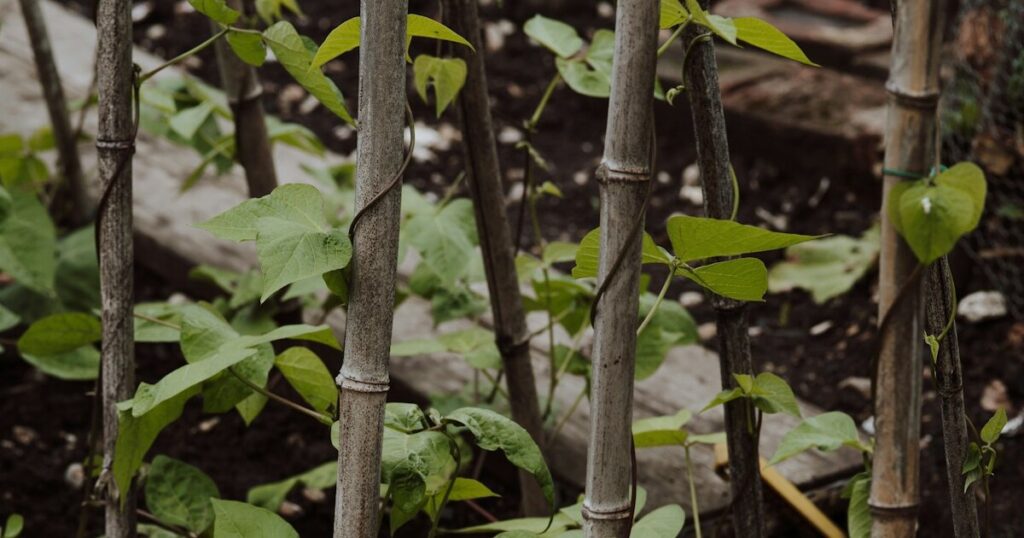
Morning glory seed pods burst open in late summer, scattering hundreds of seeds that germinate readily in disturbed soil. I once found baby vines sprouting along my brick path and even in cracks of the patio—no joke! These prolific self-seeders can turn a one-season display into a long-term takeover.
Training the vines on a trellis makes it simpler to spot and remove spent seedpods before they shatter. A quick walk along the support in early fall, snipping pods off, can save you dozens of unwanted volunteer seedlings next year.
They Can Become Invasive in Some Regions
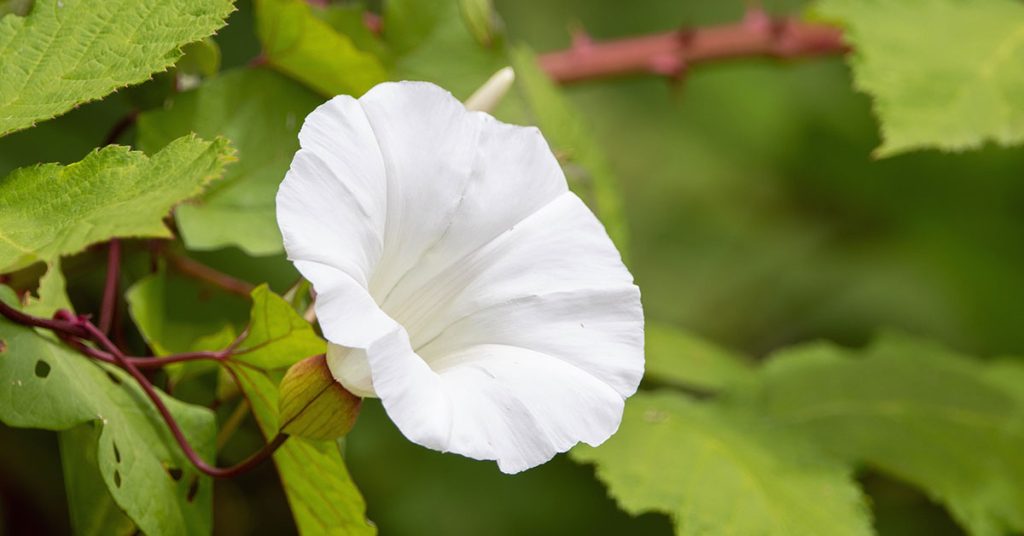
While Ipomoea purpurea isn’t listed as invasive everywhere, related species like bindweed (Convolvulus arvensis) can hybridize or naturalize aggressively, especially in warmer climates. Even non-invasive morning glories can form dense masses that crowd out native wildflowers, reducing biodiversity in your garden and beyond.
Using a trellis not only keeps them contained above ground but also signals that you’re watching their spread. This mindfulness helps prevent accidental escapes into nearby natural areas, where they could potentially disrupt local ecosystems.
They Tangle and Damage Garden Structures

Without proper support, morning glory vines sprawl across fences, arbors, and even garden lights, sometimes curling around delicate wires and fixtures. I learned the hard way when I discovered my solar lantern wires knotted within the vines—cue frantic detangling in the middle of the night!
A well-anchored trellis channels their energy upward and away from critical infrastructure. Plus, it creates a stunning vertical display that showcases those vivid blooms against a neat backdrop.
They Benefit Beneficial Wildlife When Elevated
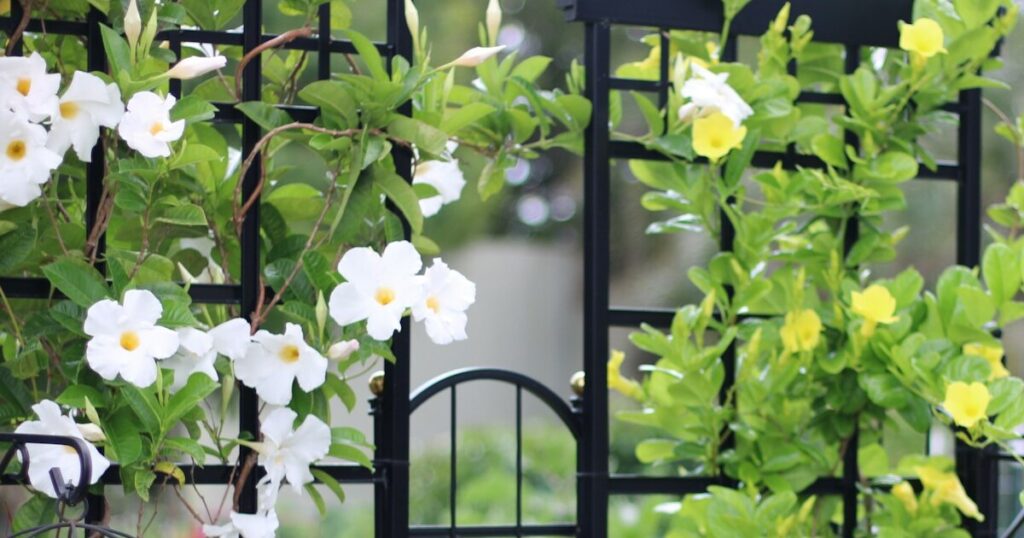
While their unruly mats on the ground can harbor pests, morning glories grown on a trellis create a living wall that beckons hummingbirds. These iridescent visitors hover to sip nectar from deep trumpet blooms, and butterflies such as the American painted lady (native to North America) also appreciate the nectar station.
Providing height with a trellis ensures these pollinators can access flowers freely without navigating through tangled clutter. Watching a hummingbird hover at eye level amidst a blooming trellis is one of my favorite summer delights!
They Flourish and Reward You When Trained Properly
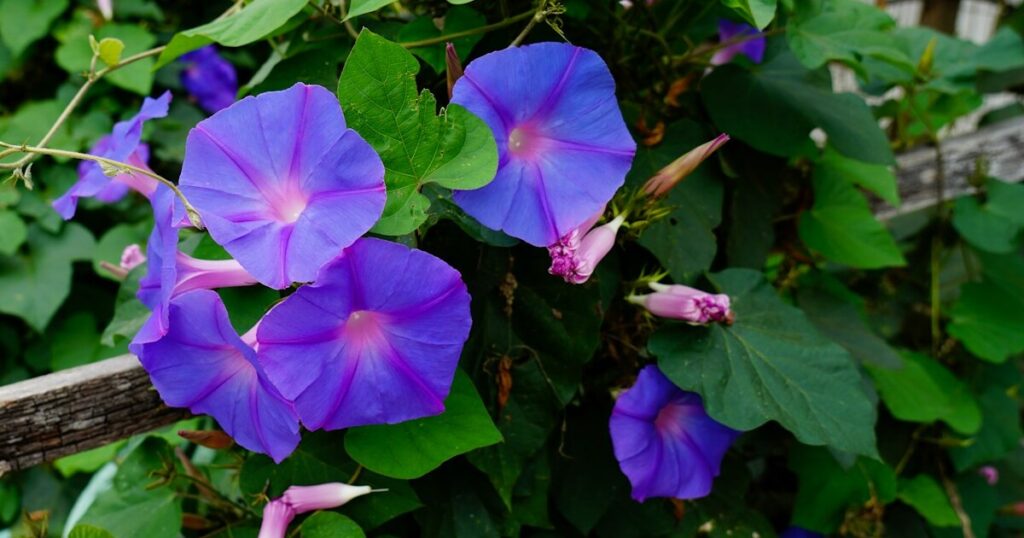
Above all, morning glories are showstoppers when given the right support. I’ve built simple bamboo trellises and ornate wrought-iron arches to watch vines climb in elegant spirals, unfurling blossoms each morning like clockwork. Supported vines stay healthier, bloom more profusely, and give you that “wow” factor every gardener craves.
By respecting their natural climbing instinct and providing a sturdy framework, you transform a potential garden wreck into a seasonal highlight—an abundant, buzzing tapestry of color and life!