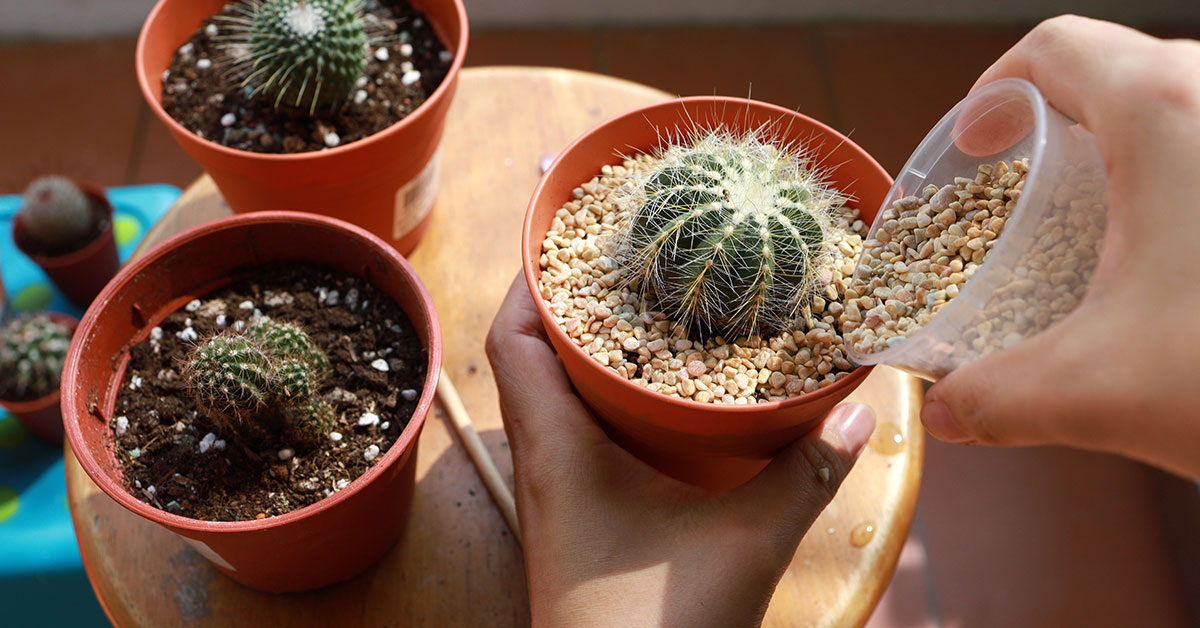

Late August can be a challenging time for succulents. The intense summer sun may have scorched tender leaves, while irregular watering schedules can leave soil alternately bone-dry and soggy. I know how disheartening it is to notice your favorite echeverias (native to Mexico and Central America) dropping leaves or your jade plant (Crassula ovata, native to South Africa) looking limp! With just a bit of focused care now, you’ll ensure these desert beauties sail through the final weeks of summer and wake up fresh in cooler months.
As a fellow succulent enthusiast, I’m excited to share eleven essential tasks that will revitalize your potted treasures. From pest patrols to gentle fertilizing, each tip is drawn from both science and hands-on garden time. So grab your watering can, a soft brush, and your favorite propagation tray—let’s give your succulents the boost they deserve!
Inspect for Pests and Treat Promptly

Even hardy succulents aren’t immune to pests like mealybugs or spider mites. I once found cottony clusters hiding in the crevices of my Agave americana (native to Mexico) and had to isolate the pot to prevent the infestation from spreading! Carefully examine leaf axils and undersides, using a magnifying glass if necessary. At the first sign of pests, a cotton swab dipped in isopropyl alcohol often does the trick, wiping away unwelcome guests without harsh chemicals.
Addressing infestations now prevents colonies from multiplying in sheltered crevices as temperatures cool. Overwintering pests can devastate spring growth, and some species—like the invasive ice plant (Carpobrotus edulis, native to South Africa but invasive on many coasts)—are prone to harboring scale insects. Early intervention keeps both your plants and spring propagation projects healthy!
Adjust Your Watering Routine
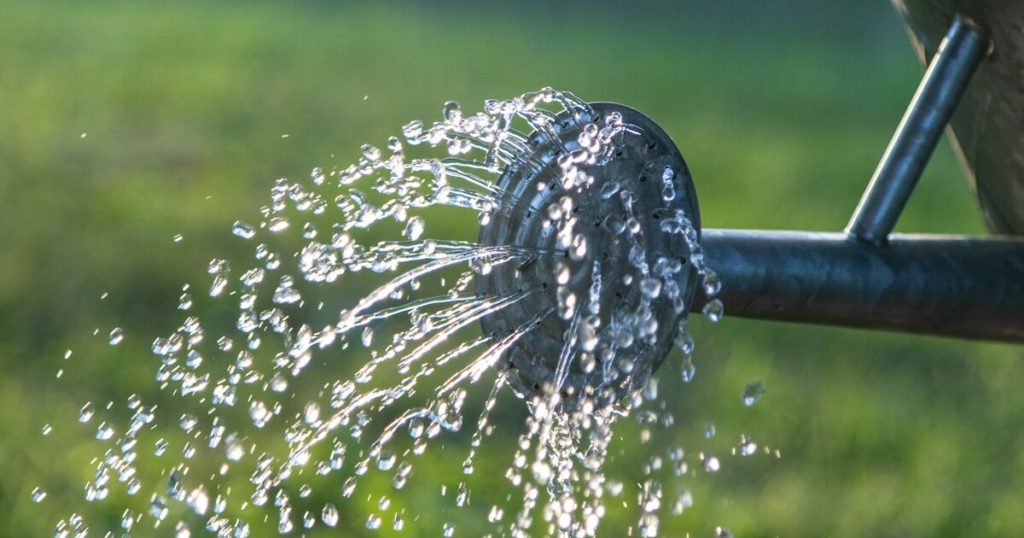
Succulents need less water as daylight hours shrink. If you’re still giving your Haworthia (native to southern Africa) weekly soaks, you might be overwatering! Check that the top inch of soil is dry before adding a light drink, and avoid letting pots sit in saucers of water, which can invite root rot.
By tapering off moisture now, you encourage roots to search deeper, building resilience for cooler months. This practice also limits fungal growth in dense rosettes, which can trap humidity and attract pests like fungus gnats—tiny beneficial but soil-dwelling insects whose larvae can sometimes nibble on fresher roots.
Assess and Optimize Light Exposure

Late summer clouds or window glare can leave succulents stretching for more sun. If your sempervivums (native to Europe’s mountain regions) are leaning toward the light, rotate pots weekly to ensure even growth. For indoor collections, consider shifting them an extra few inches closer to east- or south-facing windows, where they’ll catch gentler morning rays.
Be mindful of midday scorch: a sudden sunburst through thinning leaves or new glass can burn sensitive species like aloe vera (native to the Arabian Peninsula). If you spot golden or white patches, provide temporary shade with a sheer curtain or move pots to a slightly shadier spot during peak heat.
Refresh Soil with a Top-Dress
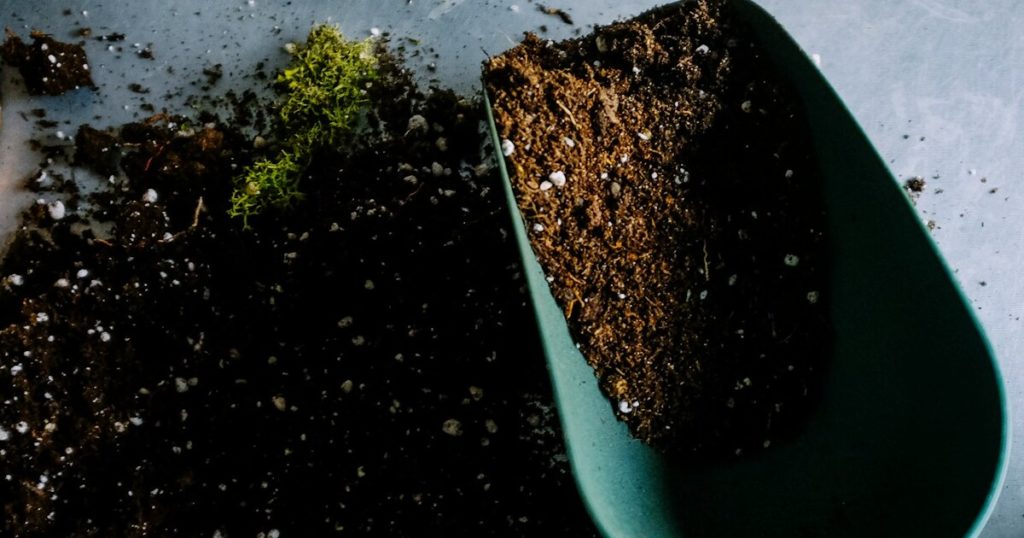
Summer potting mixes can collapse into dusty mortar that impedes drainage. A half-inch layer of fresh, well-draining cactus mix or pumice restores air pockets and helps water flow away from crowns. I love seeing the powdery blue leaves of my Graptoveria ‘Fred Ives’ (a hybrid of North American succulents) pop against brand-new mineral-rich soil!
This top-dress also reintroduces beneficial microfauna—springtails and nematodes—that break down organic bits and keep your medium healthy. They create tiny tunnels that improve aeration, reducing the risk of moss or algae forming on the surface.
Repot Root-Bound Specimens
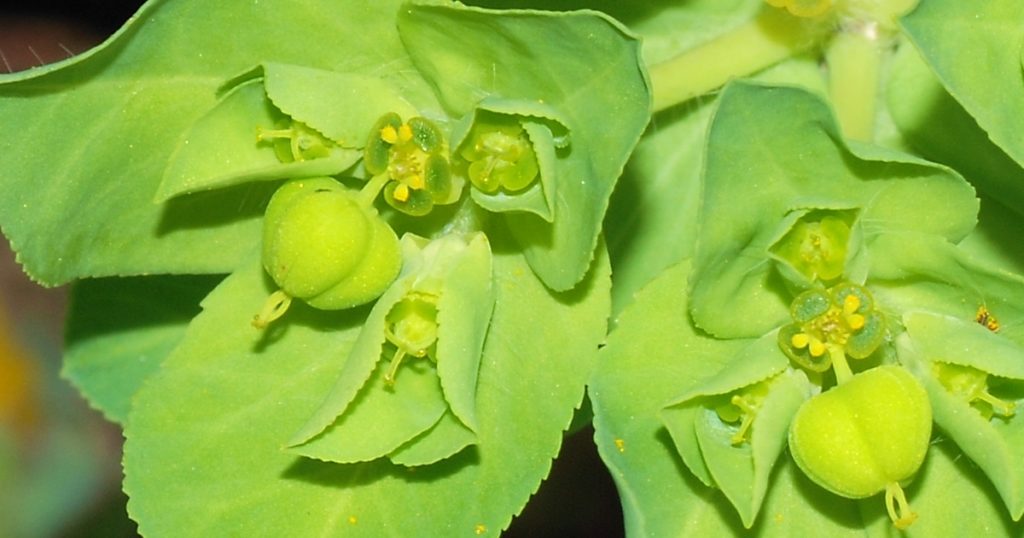
If roots are spiraling out of drainage holes or circling inside the pot, it’s time to repot. Gently remove your cactus or succulent—say, a Euphorbia milii (native to Madagascar)—shake off old soil, and trim any dead roots. Choose a container just one size larger, refill with fresh mix, and settle the plant at the same depth it was growing before.
Repotting invigorates growth by giving root systems room to expand and access nutrients better. It’s also a great chance to divide clusters—opuntias, for example, often produce pups at their bases that can be potted separately into new statement containers!
Clean and Dust Foliage Regularly

Dusty leaves can’t photosynthesize effectively, and heaviness from grime invites pests seeking shelter in crevices. Use a soft paintbrush or damp cloth to gently wipe each leaf, taking care not to bruise delicate rosettes like those of Hens and Chicks, (native to central Europe).
Cleaning also reveals hidden pests early. I once discovered tiny aphids huddled under the broad leaves of my Crassula ovata after a good wipe-down—caught just in time before a full-blown invasion!
Propagate Offsets and Leaf Cuttings
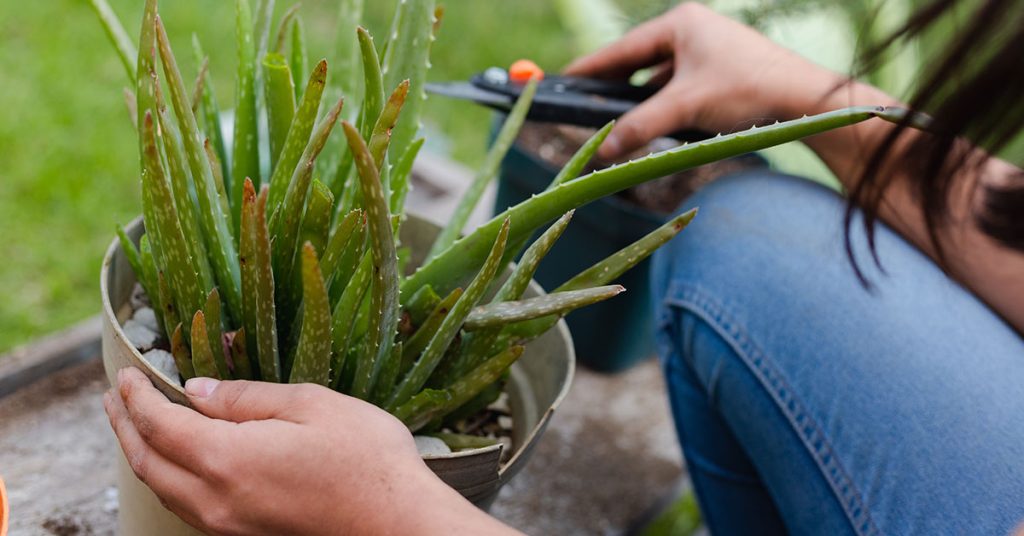
Late August is prime time to rescue pups and produce backups. Look for offshoots around the base of your aloe or clusters of baby echeverias. Gently twist or snip them off, let wounds callous for a day, then plant in dry, well-draining mix. You’ll have a fresh batch of plants rooting by fall, ready to grow strong in spring.
Propagating leaves from Echeveria or Sedum (various species native to the Americas) gives you insurance against any losses over winter. Plus, it’s incredibly satisfying watching the tiniest leaf end sprout a whole new rosette!
Provide Gentle Fertilization

Succulents rarely crave heavy feeding, especially late in the season. A quarter-strength, balanced liquid fertilizer once in August supports any remaining active growth—particularly helpful for bloom-forming succulents like certain Sedum spectabile varieties (native to Europe and Asia).
Feeding too late can encourage tender shoots vulnerable to sudden temperature drops. Keep it light and only apply if you notice slowed growth or pale coloration; otherwise, let them rest until spring’s renewed growth spurt.
Protect from End-of-Summer Heat Spikes

Even late August can bring blistering days. Move potted succulents like Aloe brevifolia (native to South Africa) out of direct sun between midday and late afternoon, when UV rays are most intense. A few hours of filtered light helps maintain their vibrant coloration without risk of sunburn.
This temporary retreat also benefits ground-nesting solitary bees that sometimes shelter in wider pots or crevices. By reducing extreme heat, you support these essential pollinators, which may visit any flowering succulents next season!
Group Plants for Microclimate Benefits

Clustering succulents reduces individual pot exposure to rapid temperature swings and creates a mini shade canopy. Grouping different shapes—tall haworthias with low-growing sempervivums, for instance—mimics desert associations and encourages shared humidity pockets at the soil surface.
This arrangement can even foster nesting spots for beneficial insects like lady beetles and lacewings, which slip into tight spaces between pots. Their predatory habits help keep aphids and other pests from gaining a foothold.
Plan for Cooler Nights Ahead

As nighttime temperatures dip, monitor your succulents for signs of chill stress. Species such as Crassula perforata (native to Madagascar) prefer to stay above 50°F. If your region’s nights are forecast to fall below that threshold, consider moving sensitive pots indoors or onto an unheated porch.
Even a light frost cloth on cooler evenings can protect these tropical-leaning succulents. Anticipating the temperature drop ensures they wake in early fall plump, healthy, and ready to shine as the days cool.