

Late summer often brings mixed feelings: the excitement of autumn’s cool days and the frustration of watching your harvest taper off. I know how disheartening it is to see empty trellises when you’re craving fresh salad greens! With a few strategic moves, though, you can stretch your veggie bounty well into September and beyond. These eleven tips—rooted in plant biology, hands-on experience, and a dash of garden magic—will help you savor homegrown produce long after the first hint of autumn chill.
From selecting the right varieties to cozying up tender crops under protective covers, each approach is designed to boost resilience and reward you with continued harvests. Grab your pruners and an iced tea—let’s make this fall your most abundant yet!
Choose Cold-Tolerant Varieties
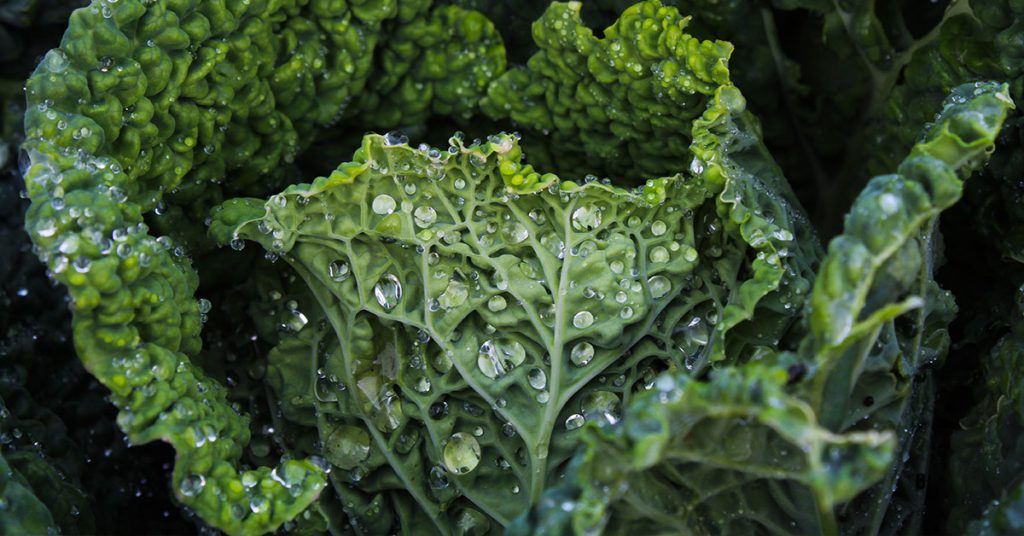
Selecting the right cultivars is step one for autumn success. Kale (Brassica oleracea var. acephala), descendants of wild Mediterranean cabbage, can survive light frosts and even sweeten in cold weather. I always plant a hardy Russian kale variety; its crinkly leaves hold up beautifully as temperatures dip.
Cold-tolerant beans—like the South American–native ‘Provider’ bush bean—can keep setting pods into early fall if nights stay above 40°F. These beans also attract beneficial hoverflies and lady beetles, which sometimes nest in the bean foliage, helping you curb aphid outbreaks without sprays!
Stagger Your Plantings
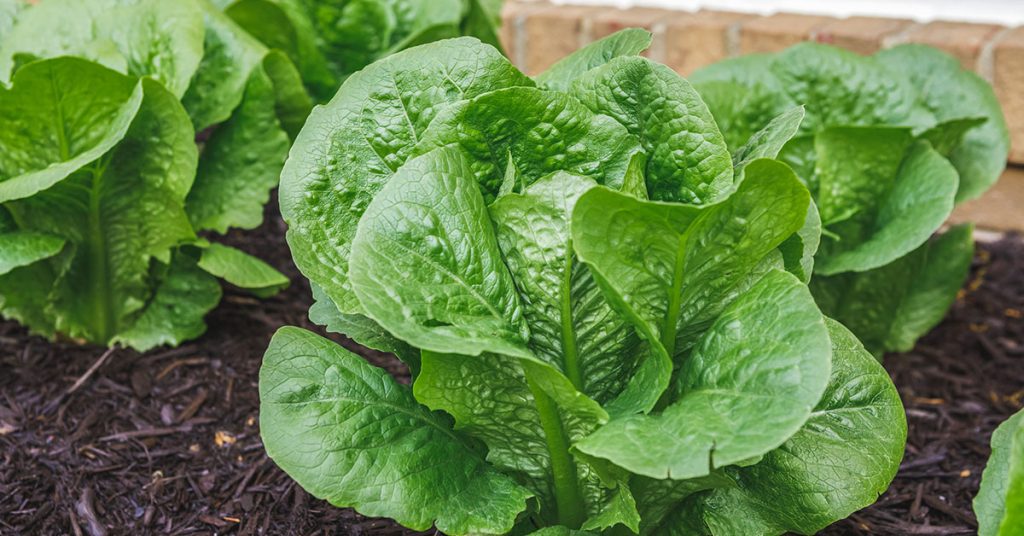
Instead of sowing an entire bed at once, plant smaller successions every two weeks. For example, sow morning glory-native lettuces (Lactuca sativa), originally from the Mediterranean, in August after harvesting earlier spring crops. Each new batch enjoys cooler soil and daylight conditions, giving you fresh baby greens on demand!
This technique also fosters habitat for ground-nesting bees and solitary wasps, which may take up residence in the loosened soil between plantings. Their presence ensures robust pollination for late-flowering peppers or squash before the season’s end.
Use Row Covers or Cloches
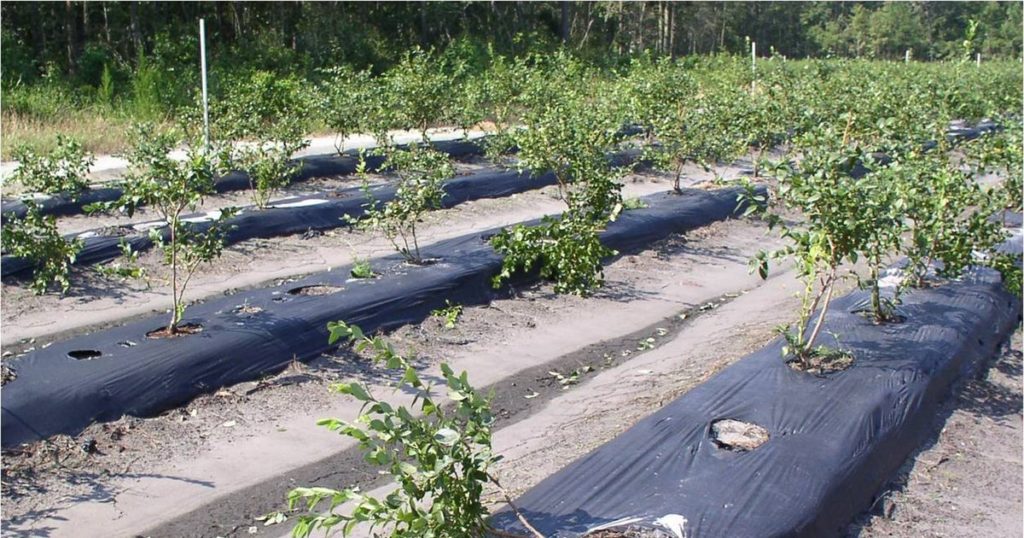
Lightweight frost cloth draped over hoops or individual cloches can raise nighttime soil temperatures by up to 5°F. I tuck in my tomato seedlings—native to western South America—under a low tunnel as September nights grow crisp, and they often continue fruiting for weeks!
These covers also protect from early-arriving cabbage loopers on broccoli and beets. Plus, the slight barrier entices small overwintering critters—like lacewings—to shelter beneath, ready to emerge and feast on pests next spring.
Mulch to Regulate Soil Temperature
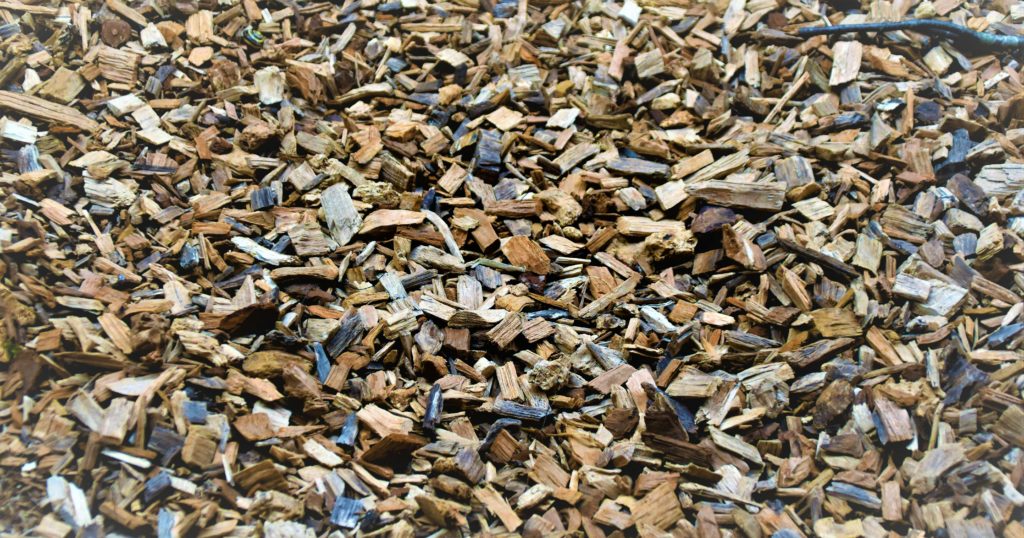
A generous two-inch layer of straw or shredded leaves insulates soil, preventing root zones from rapid cooling. Mulching under your pepper plants (Capsicum annuum), native to Central and South America, keeps soil warmer longer, helping them continue producing pods late into the season!
As mulch breaks down, it feeds earthworms and springtails—tiny soil dwellers that boost aeration and nutrient cycling. Their tunneling ensures moisture reaches your carrots (Daucus carota), originally from Europe and Southwestern Asia, which benefit from consistent dampness as they fatten for fall harvest.
Optimize Watering Practices
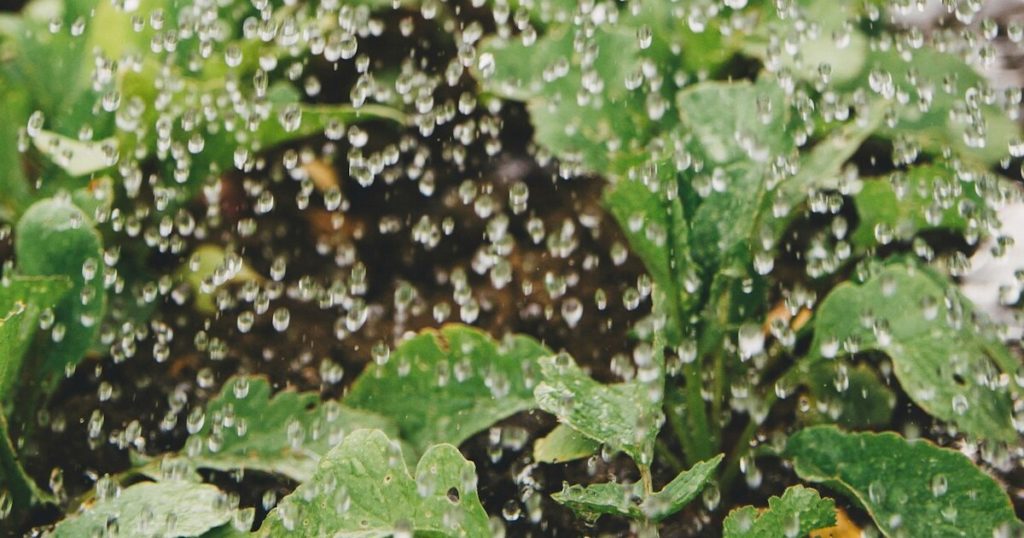
Even as days cool, consistent moisture is critical. Water deeply once or twice a week rather than shallow daily sprinkles; this encourages roots to explore deeper, cooler soil layers. I’ve seen spinach (Spinacia oleracea), native to Persia, bolt quickly when surface soil dries—deep watering helps avoid that!
Moist, rich soil also draws in beneficial nematodes that prey on slugs and fungus gnats, reducing damage to fall-planted brassicas. These natural predators love the moist conditions under your drip lines and help keep tender seedlings safe.
Feed with Late-Season Nutrients

As plants gear up for cooler weather, a light top-dress of balanced compost or a low-nitrogen fertilizer (e.g., 5-10-10) supports fruit and root development without encouraging excessive leafy growth. I always sprinkle compost around my fall-bearing strawberries (Fragaria × ananassa), native hybrids of North and South America—they reward me with sweet berries even into October!
That gentle feeding also benefits mycorrhizal fungi partnerships. These native soil fungi expand water and nutrient access, giving your squash (Cucurbita pepo), originally from the Americas, the boost needed for those final pumpkins of the season.
Provide Shade for Heat-Sensitive Crops
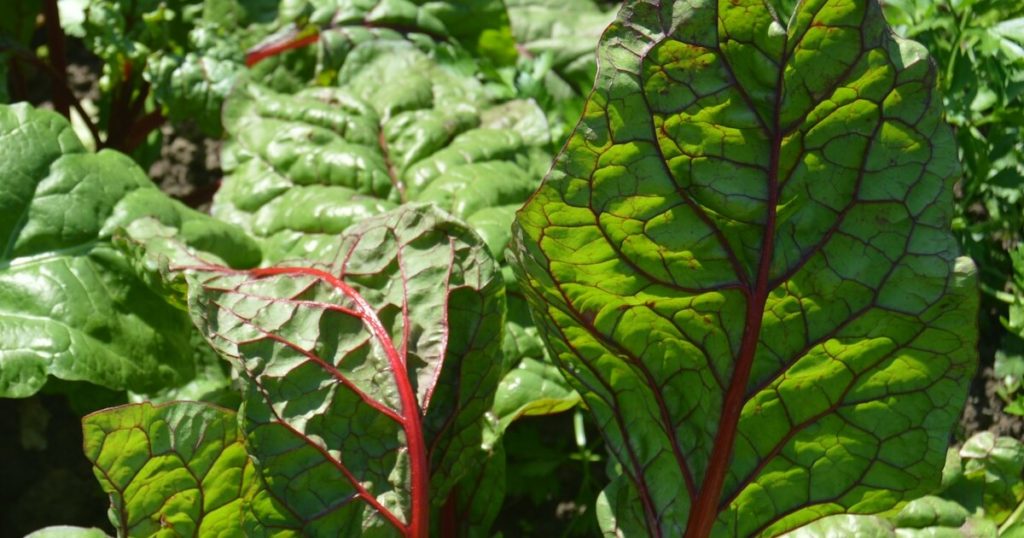
August’s lingering heat can stress cool-season vegetables. Erect shade cloth over Swiss chard (Beta vulgaris), native to Mediterranean sea coasts, to reduce midday sun intensity. I once saved a young fall crop by rigging a simple bamboo frame and netting—within weeks, those chard leaves felt more tender and less bitter!
Shaded microclimates also entice butterflies and hummingbirds to linger around your late-blooming companion flowers, which in turn draw more pollinators to nearby autumn-flowering peppers and beans.
Prune and Thin Overgrown Foliage
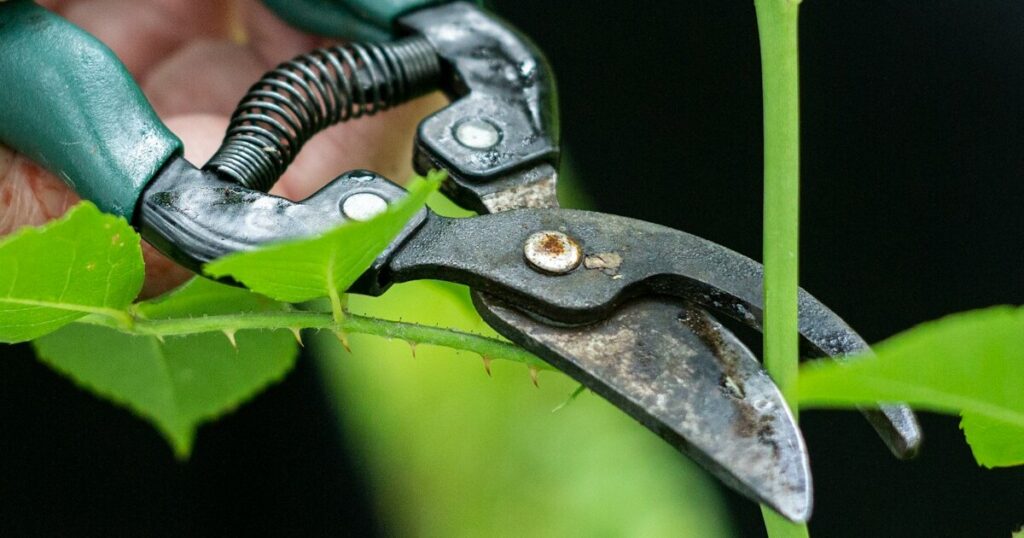
Dense canopy can shade developing fruit, delaying ripening. Trim lower leaves from tomato vines and thin overcrowded lettuce heads to improve airflow and light penetration. I remember my volunteer peppers—descendants of wild Central American chilis—flushing with extra blossoms once I removed shaded foliage!
This pruning also deters slugs and earwigs that hide in thick leaf litter. Opening up the canopy exposes them to their predators, like ground beetles, which often overwinter in leaf piles and emerge hungry for slow-crawling pests.
Extend Containers Indoors

If nights dip into the 40s, consider moving potted herbs and greens indoors to a bright window or unheated sun porch. Basil (Ocimum basilicum), native to tropical Asia, will hang on inside far longer than in the garden, giving you fragrant leaves for pesto well into fall!
Indoor containers double as cozy winter lodgings for beneficial predatory mites—natural enemies of spider mites. They can ride out the cooler nights in your herb pots and emerge to protect spring seedlings from early pest invasions.
Interplant Fast-Maturing Crops
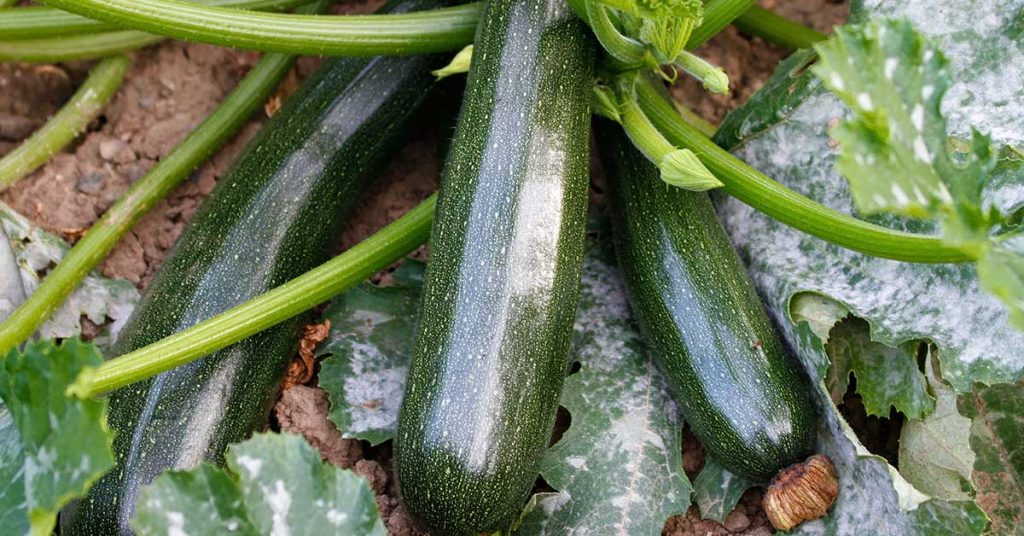
Fill gaps between slower growers with quick-harvest greens like arugula (Eruca sativa), originally from the Mediterranean. I sow arugula between my late zucchini (Cucurbita pepo) rows—and two weeks later, I’m snipping peppery leaves to spice up salads!
These fast growers also attract hoverflies, whose larvae devour aphids on nearby kale and broccoli. Their rapid lifecycle aligns perfectly with a quick-turnaround crop, giving you both flavor and pest control in one go.
Plan for Seasonal Pest and Disease Cleanup
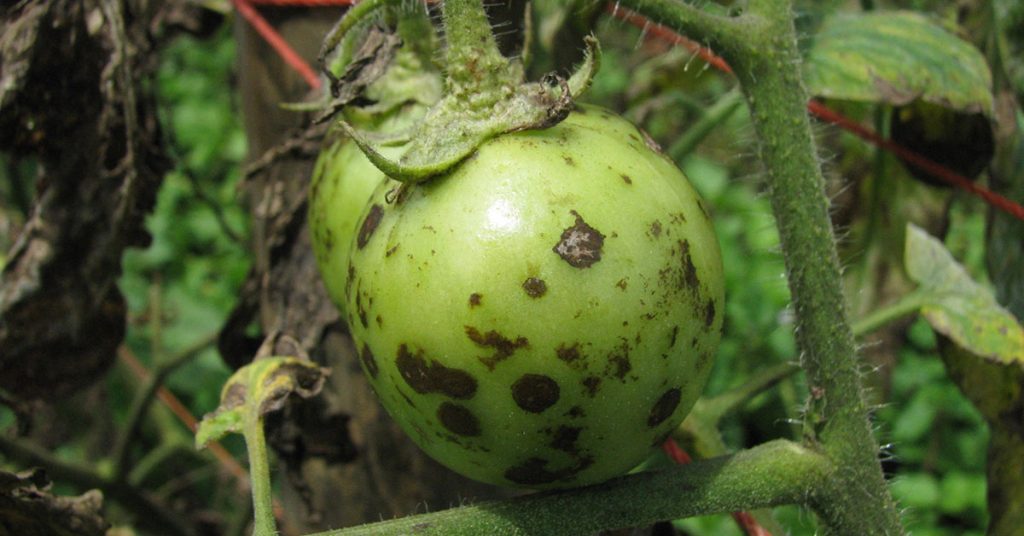
Fall cleanup isn’t just about tidying—it’s disease prevention. Remove spent tomato vines and pepper stalks, where pests and fungal spores overwinter. I rake out old foliage from beneath my native North American-bred squash—reducing powdery mildew pressure on next year’s vines!
Composting only healthy debris and burning diseased material ensures your garden beds start spring clean. This practice protects your fall plantings, too—less pathogen load means fewer infections when cooler, damper weather sets in.