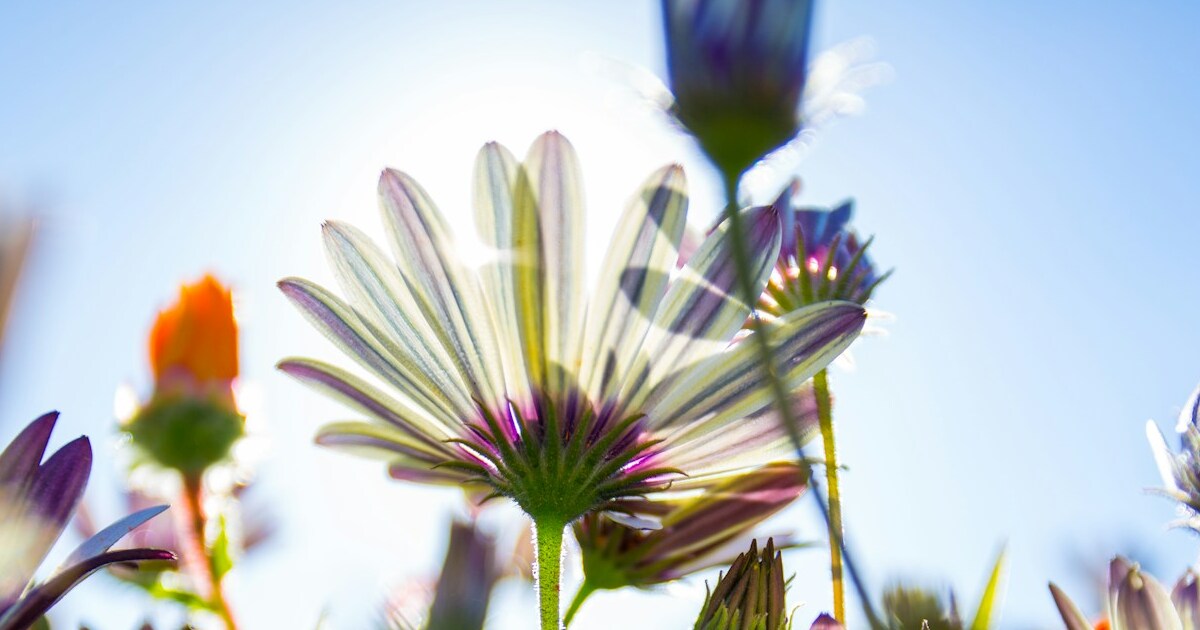

Late summer can feel like a lull between the riotous blooms of early summer and the fading colors of autumn—but with a bit of care, your garden can shine even in August’s heat! I know how frustrating it is to see flower spikes slow down just when you’re craving fresh bouquets. That’s why I’m excited to share these ten tips designed to coax every last bloom from your favorite perennials and annuals.
From nurturing pollinators to tweaking soil nutrition, each strategy is drawn from hands-on experience and plant biology. Grab your trowel and a cool drink—these tips will have you spotting new blossoms before Labor Day!
Deadhead Spent Flowers Regularly
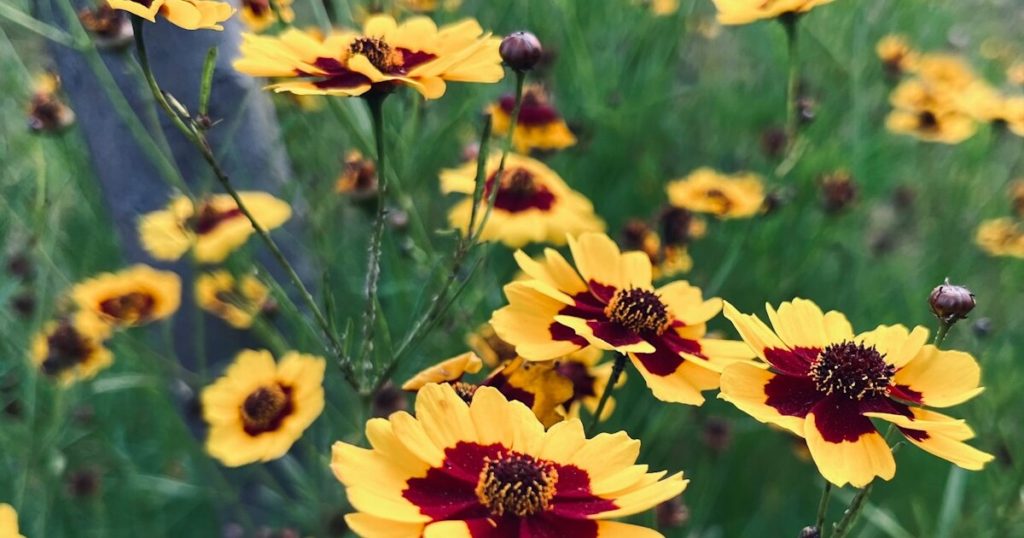
Removing faded blooms is one of my go-to tricks for extending flowering. When you pinch or snip off spent petals, the plant redirects energy into producing fresh buds instead of seed development. I remember watching my coreopsis (Coreopsis verticillata), native to eastern North America, perk up within days of a thorough deadheading—it’s like giving them a second lease on life!
Plus, those leftover seedheads are prized by finches and sparrows for nest lining. By clearing spent flowers, you make it easier for birds to gather materials while keeping the garden tidy and disease-free.
Provide Balanced Feeding

Just as athletes need a mid-race energy boost, flowering plants benefit from a late-summer feeding. A gentle application of a 5-10-5 or similar bloom-enhancing fertilizer supplies phosphorus and potassium without overloading on nitrogen, which can spur leafy growth at the expense of flowers. My lavender (Lavandula angustifolia), native to the Mediterranean, always rewards this treatment with fragrant new blooms!
Balanced nutrients also support soil microbes that form partnerships with plant roots. Those symbiotic fungi can explore beyond the root zone, scavenging water and minerals that your perennials—and nesting ground bees—will appreciate when seeking moisture in drier weeks.
Water Strategically at the Root Zone

August heat can stress thirsty plants, causing buds to abort. Early-morning deep watering encourages roots to grow downward, accessing cooler moisture reserves. I love seeing sedum (Sedum spectabile), which hails from Europe and Asia, stand tall and plump after a long soak—it really shows the power of consistent moisture!
Moist soil also attracts earthworms and springtails, tiny decomposers that improve soil structure. Their tunnels and activity help nutrients circulate, giving each nascent bud a better shot at opening in the following days.
Add Late-Blooming Varieties

Boost your garden’s encore by planting varieties known for late-season color. Gaura (Gaura lindheimeri), native to Texas and Louisiana, can bloom well into fall if given room and rich soil. I’m always thrilled when those white-and-pink wands dance in August breezes, proving that timing plant selection pays off!
These late-flowering selections also supply vital nectar for migrating butterflies and hummingbirds, turning your beds into a welcoming pit stop when other sources dry up.
Shade Afternoon Sun in Extreme Heat

If high temperatures are withering your blooms, create gentle afternoon shade with shade cloth or temporary screens. I once rescued my rudbeckia (Rudbeckia hirta), native to central North America, from scorching sun by clipping a light cloth overhead, and within days their petals stiffened back upright!
Partial shade also shelters nesting solitary bees, which prefer cool, protected microclimates. A few hours of relief can mean they stick around, pollinating late-blooming flowers and keeping your garden humming.
Refresh Soil with Compost Top-Dressing

A thin layer of well-aged compost over your beds replenishes nutrients and improves moisture retention. I sprinkle a half-inch over my aster beds and watch the clusters of mauve flowers multiply by month’s end! Compost-amended soil also supports beneficial nematodes that prey on root-eating pests, safeguarding young buds underground.
Earthworms flock to that organic matter, too, converting it into nutrient-rich casts. Their tunneling helps water infiltrate deeply, reducing runoff and keeping flower buds hydrated during hot spells.
Support Tall or Floppy Stems
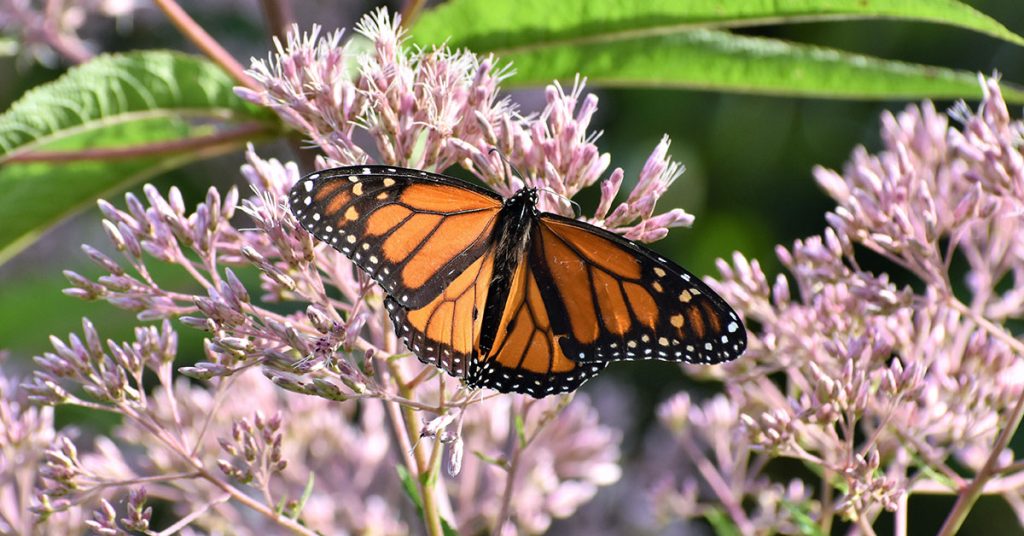
When towering perennials like Joe-Pye weed (Eutrochium purpureum), native to eastern North America, begin to lean, give them sturdy stakes or rings. It’s such a bummer to see those fluffy mauve blooms collapsing onto the ground! With proper support, plants maintain good airflow, reducing mildew risks that can cut bloom time short.
Plus, upright stems make seedheads and late flowers more accessible to birds and beneficial insects. I’ve even spotted nesting activity among the sturdy stalks, turning your supports into wildlife hotels!
Encourage Pollinators with Habitat Features

Late summer often sees pollinator populations dip—so install a small bee block or leave a log section in a quiet corner. Mason bees and leafcutter bees will nest in drilled holes or hollow stems, ensuring plenty of pollinators are on hand to fertilize your echinacea (Echinacea purpurea) and monarda (Monarda didyma).
Watching these solitary bees work is one of my favorite gardening moments! Their buzzy diligence stimulates fuller flower heads and prolongs the blooming window across many species.
Prune Overcrowded Foliage
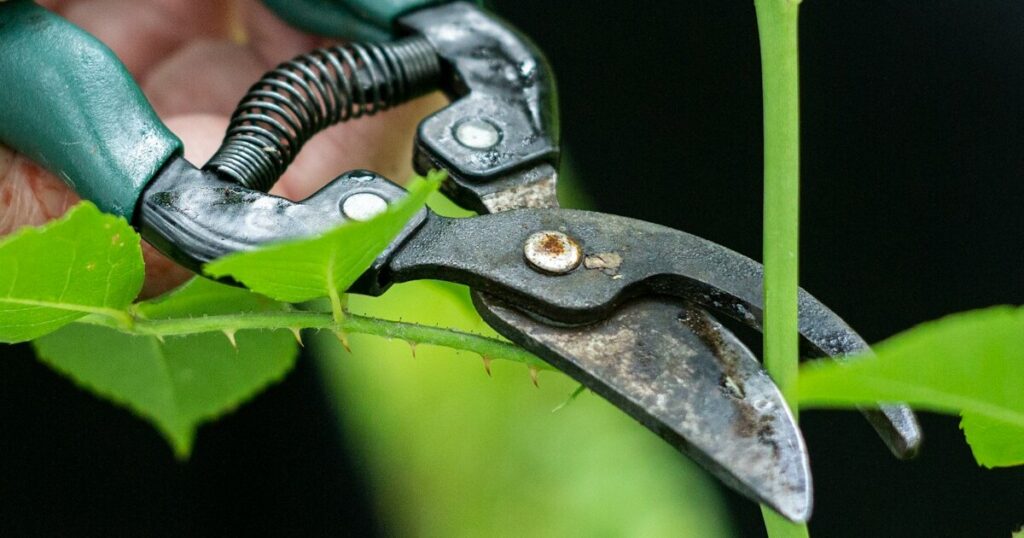
Thick, shaded foliage can stunt flower bud formation. In late August, trim back excess growth on clumping plants like catmint (Nepeta × faassenii), native to the Mediterranean, to open up the center. This allows sunlight and air to reach developing buds, leading to more prolific bloom clusters!
Pruning also deters slugs and snails hiding in damp, dense foliage. Removing that cover reduces pest pressure and protects vulnerable buds from being nibbled away overnight.
Top-Dress with Mulch to Retain Moisture
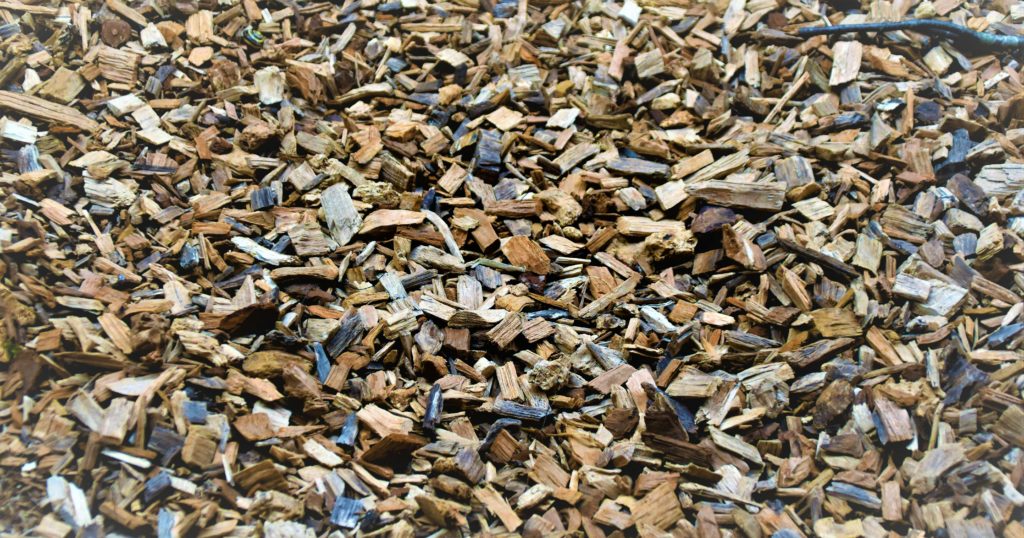
A light layer of shredded leaves or bark mulch around your perennials keeps soil cool and evenly moist—a key factor in preventing flower drop during heat spikes. I relish the crisp autumn aroma when I spread leaf mulch around my sedum and asters; it feels like giving them a cozy blanket against temperature swings!
As the mulch breaks down, it feeds soil life and deters weeds that would otherwise compete for water and nutrients. That means more energy goes into creating gorgeous late-season blossoms instead of unwanted green invaders.