

Fall is the perfect season to lay the groundwork for a stunning garden next spring. While many gardeners tuck their tools away when the last blooms fade, I can’t help but get excited about planning new beds under crisp autumn skies! By building raised beds now, you give soil time to settle, amendments to integrate, and beneficial creatures to move in before planting season arrives.
I know how frustrating it is to scramble in early spring—muddy boots, heavy soil, and last-minute compost deliveries! These eight reasons will show you why investing a weekend this fall pays off big time when the first seedlings go in. Let’s grab our lumber and spades and dive into why autumn raised-bed projects are a gardener’s secret weapon.
Enhanced Soil Drainage and Structure

Rain-soaked ground in spring can leave soil compacted and sluggish, which is such a bummer when you’re ready to plant! By constructing raised beds in fall, you allow fresh, well-draining soil mixes—rich in compost, peat, or coconut coir—to settle naturally. Come spring, those beds will be airy and friable, perfect for tender root systems.
Improved drainage also benefits a host of beneficial organisms. Earthworms, native across North America and Europe, will burrow through your new soil, aerating it and creating tunnels that let roots breathe. I’ve watched in delight as these wriggling workers transform compacted dirt into crumbly loam—nature’s own soil engineers!
Extended Warming of Soil in Early Spring

Raised beds warm faster than in-ground plots because they’re exposed on all sides. Building them in fall gives soil amendments time to break down and generate gentle heat. By March, you’ll be amazed how your raised beds are ready for planting weeks before the surrounding ground thaws.
These warmer conditions also attract ground-nesting bees and solitary wasps seeking sheltered nooks to overwinter. I once found a little patch of mason bee cocoons nestled between wood boards—proof that early preparation supports essential pollinators. Their emergence will coincide beautifully with your first flowering bulbs next spring!
Superior Weed Control from the Start
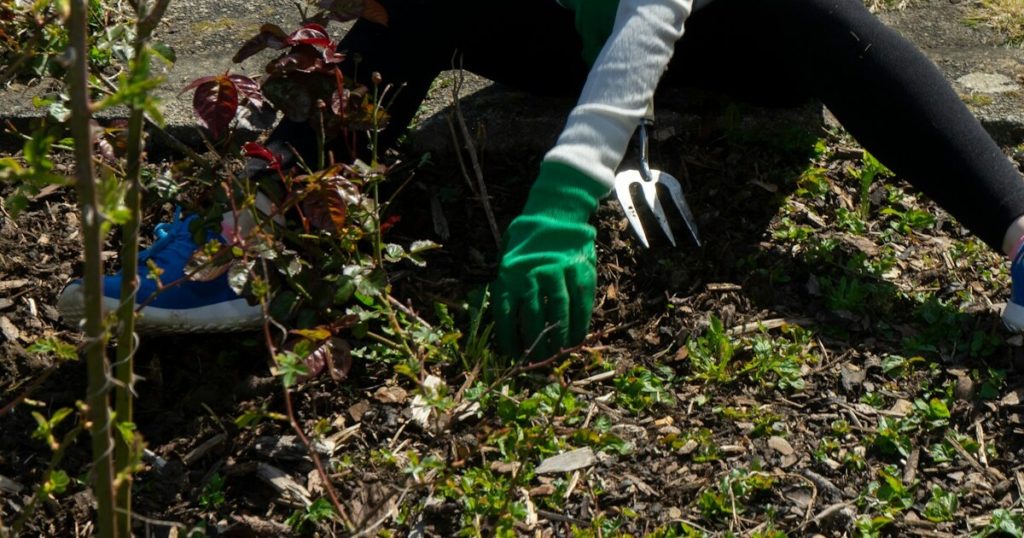
Fighting spring weeds is a gardener’s rite of passage, but raised beds built in autumn let you install weed barriers and enrich fresh soil without weed seeds. I took the time to line my winter-built beds with landscape fabric under a two-inch compost layer, and spring’s dreaded crabgrass never got a foothold!
Beyond fabric, those clean beds invite beneficial ground beetles—native hunters that patrol for slugs and cutworms. With fewer weeds to hide in, these predators keep pest populations in check, giving your seedlings a fighting chance without resorting to harsh chemicals.
Improved Soil Nutrient Integration
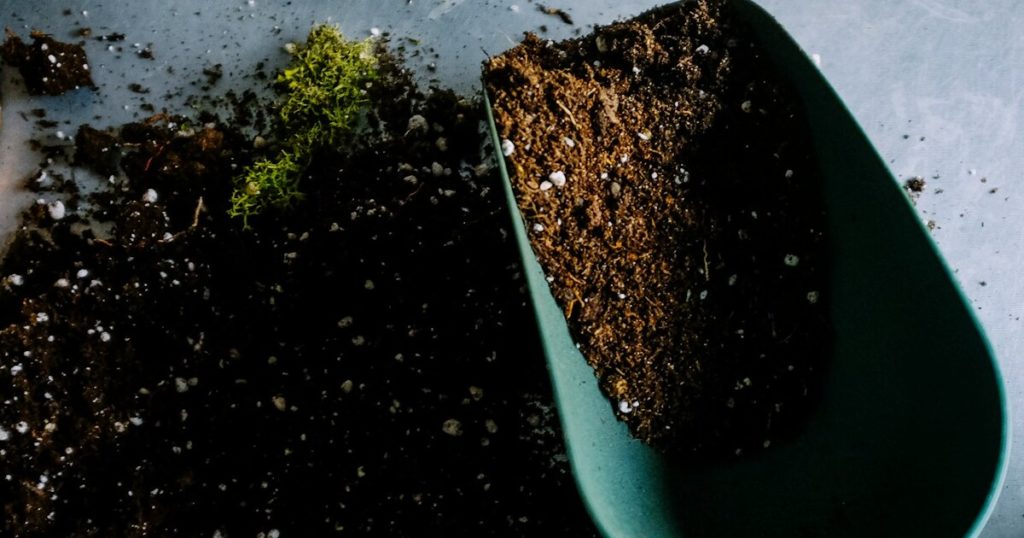
When you mix compost, aged manure, or cover-crop residues in fall, microbes have cooler temperatures to break down organic matter. This leads to a perfectly balanced nutrient profile by planting season. I always add chopped fall leaves from my oak trees—I love how they feed the soil slowly, avoiding fertilizer spikes that can harm delicate roots.
That gradual breakdown also supports mycorrhizal fungi, which form symbiotic relationships with plant roots. These native fungi from forest soils explore beyond the root zone, scavenging phosphorus and water to share with your veggies, and in return, they receive carbohydrates. It’s a win-win underground partnership!
Easier Ergonomics and Accessibility
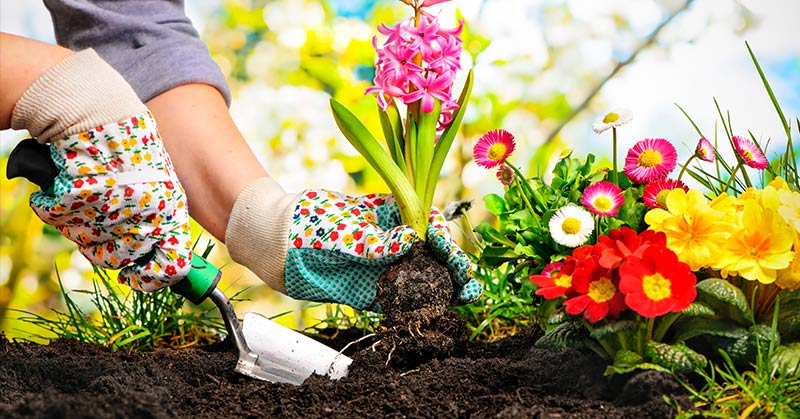
Building beds now means you can set ideal heights without rushing under spring’s pressure. Raised beds at 24–30 inches high make planting and harvesting a breeze, sparing your back and knees. I remember the first time I bent over traditional rows in April—my shoulders protested for days! Now, I garden comfortably even after a long weekend of planting.
Higher beds also benefit nesting wildlife like toads and small ground mammals. They often tuck under the eaves of sturdy frames for winter refuge. Encouraging these garden allies helps keep slug and insect populations low, so your spring seedlings thrive without slimy encounters!
Flexible Garden Design and Crop Rotation

By installing beds in fall, you can experiment with shapes and groupings before spring’s full schedule hits. Whether you want L-shaped beds for corner spaces or circular plots around a patio, autumn gives you time to refine your plan. I laid out my new hexagonal beds last October, and the result is a functional, maze-like vegetable oasis!
Thoughtful placement also supports crop rotation. Mark each bed clearly, and you’ll avoid planting tomatoes where last year’s peppers sat—reducing soil-borne diseases in nightshades, many of which originated in Central and South America. Planning ahead makes disease management feel less like a chore and more like a puzzle I love solving.
Early Integration of Watering Systems
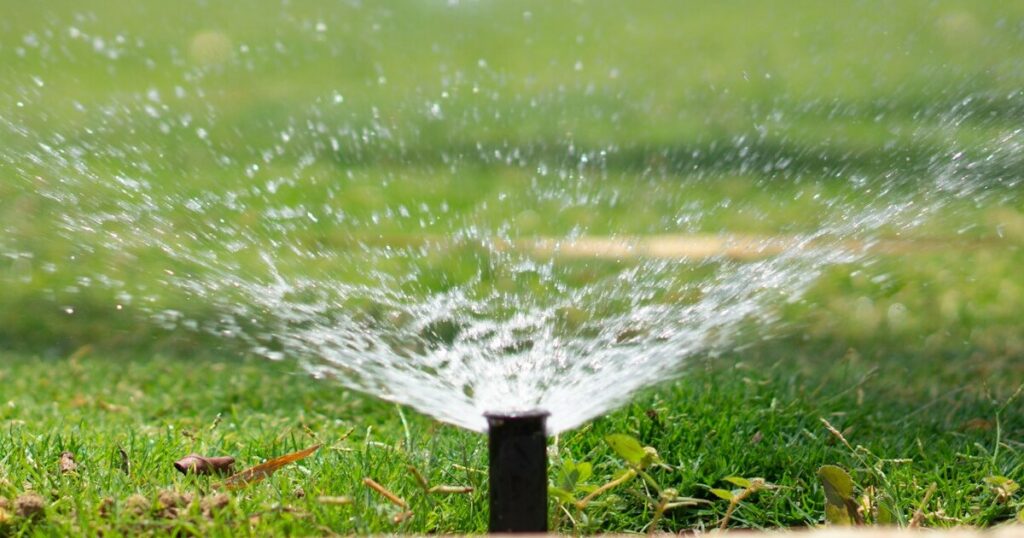
Installing drip irrigation or soaker hoses under winter rains allows tubing to settle and eliminate kinks. Come spring, you’ll simply connect your hose, and water will flow precisely where roots need it. I admit—I sometimes get a thrill watching a trickle guide itself through pre-buried lines, feeding thirsty seedlings without overhead sprays that invite fungal issues.
These buried systems also create cool, moist pockets that attract spring-loving earthworms and springtails, tiny soil dwellers that break down organic debris. Their presence keeps soil healthy and crumbly, providing a living ecosystem ready for planting!
Shelter for Overwintering Beneficial Insects
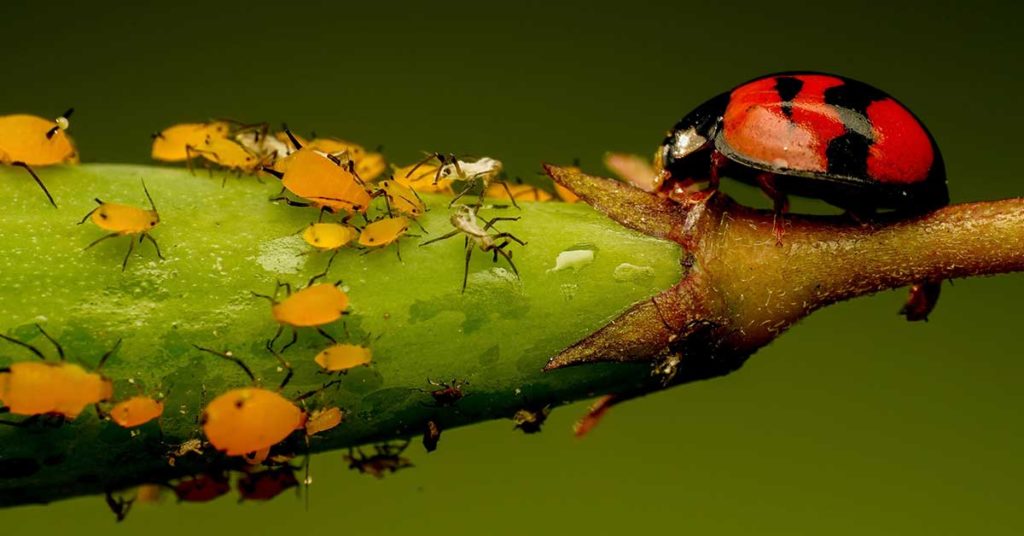
Finally, raised beds built in fall offer nooks and crannies for beneficial insects to overwinter safely. As I tuck in my new beds with a light mulch layer, I can almost hear the gentle rustle of lady beetles and lacewings settling in. These predators will emerge just as aphids start to infest early shoots, acting as nature’s pest control!
Additionally, perforations in wooden frames become perfect sites for solitary bees seeking nesting tunnels. By preparing your beds now, you’re creating habitat and food sources before spring, ensuring that when your flowers and herbs bloom, there’s a ready army of pollinators to visit every petal.