
Perennials are the backbone of any vibrant garden, offering reliable blooms and structure year after year. As the days grow shorter and nights start to cool, it’s easy to feel that end-of-season slump—especially when you’re dreaming of those autumnal hues and cozy morning mist! I know how frustrating it can be to see your favorite plants struggle through the transition, so consider this your late-summer pep talk from one gardener to another.
I’m so excited to share these eleven essential tips that will ensure your perennials not only survive the coming winter but emerge stronger next spring. From nourishing feeds to cozy mulches, each step is rooted in both plant biology and hands-on experience. Grab your gloves and a tall glass of iced tea—your garden’s next chapter starts now!
Apply Mulch for Winter Protection
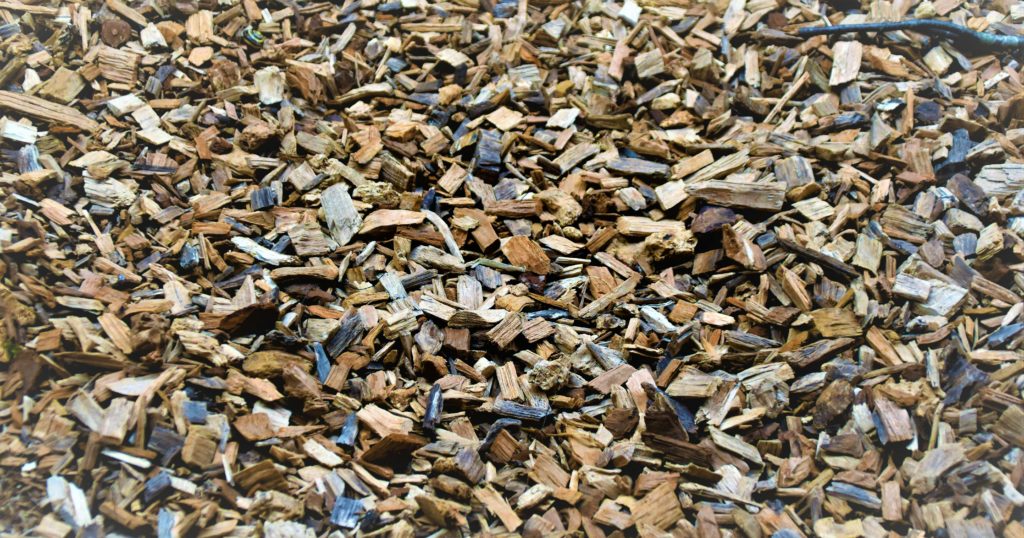
A generous layer of organic mulch acts like a cozy blanket for your perennials. In colder zones, mulching around peony roots (Paeonia spp.), native to Europe and Asia, prevents frost heaving that can damage the crown. I love how shredded bark or leaf mold looks—it’s both tidy and practical!
Beyond insulation, mulch suppresses late-season weeds and helps retain soil moisture as temperatures fluctuate. Over time it breaks down into rich humus, feeding hungry roots. Just be careful not to mound it against the stems—too much can invite rot or critters seeking shelter!
Label and Map Your Garden Layout
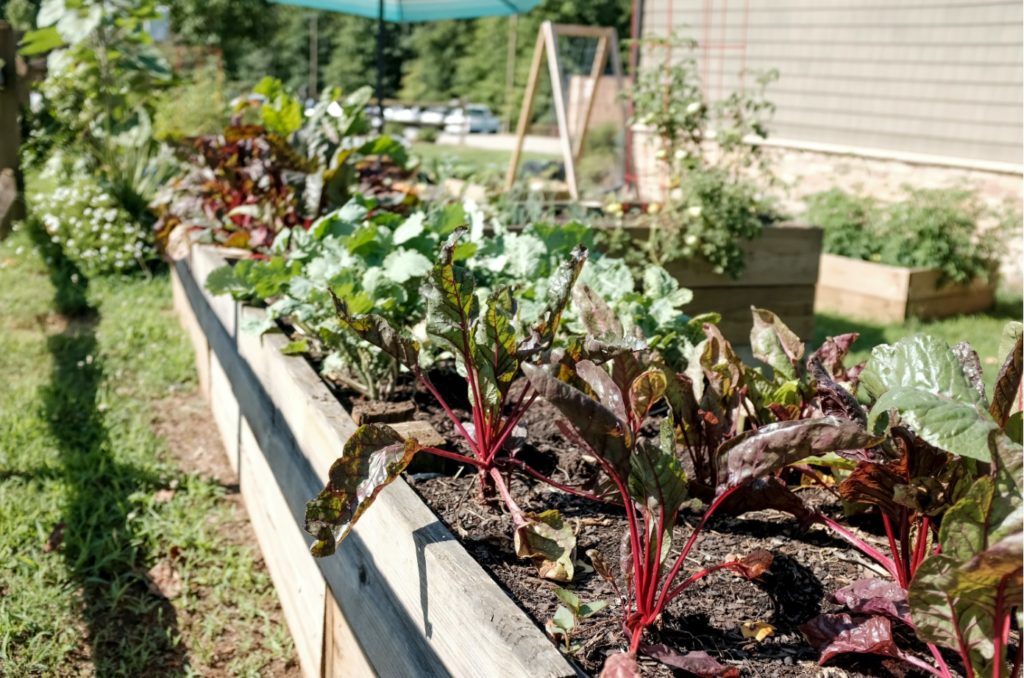
Before the end-of-summer whirlwind begins, document where each perennial sits in your beds. I once forgot where I’d planted my native coneflowers (Echinacea purpurea)—prized for attracting bees and goldfinches that sometimes nest in tall stems—and almost divided them twice! By labeling markers with botanical names and sketching a simple map, you avoid accidental divisions and keep an eye on spreaders like Japanese knotweed.
A clear layout also reveals overcrowded pockets ready for division and thinning. Many garden favorites, such as daylilies (Hemerocallis spp.), originate in Asia but naturalize well; they’re not invasive per se, but can form dense mats. Mapping helps you plan spring transplants and maintain harmonious beds.
Inspect for Pests and Diseases Early
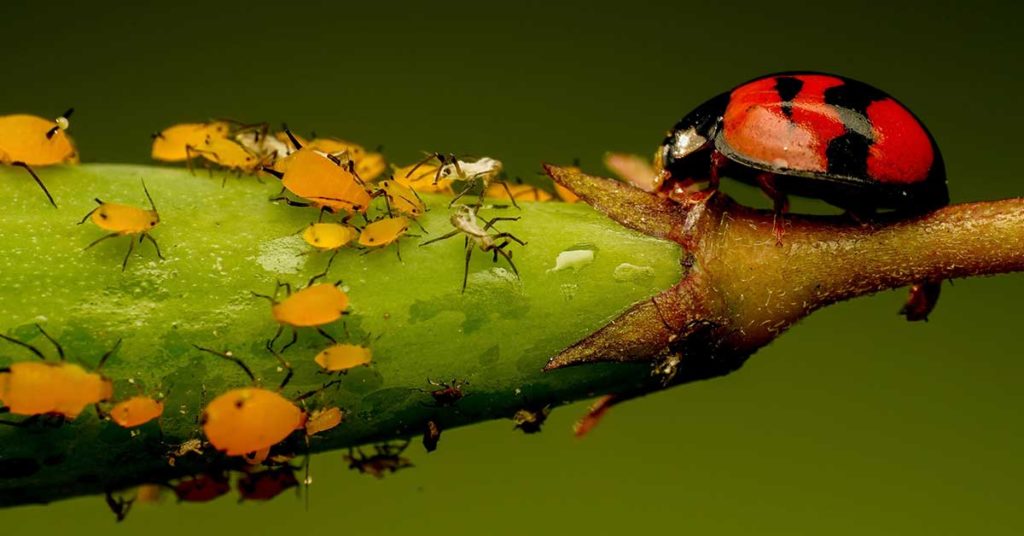
Late summer can be a bummer when pests take over your garden! Before temperatures drop, give your perennials a thorough once-over. Look for aphid colonies on new shoots, powdery mildew on phlox (Phlox paniculata), native to the eastern U.S., or scale insects on sedum (Sedum spp.), which hail from Europe and Asia. Catching issues now prevents them from overwintering and returning with a vengeance.
When you spot trouble, prune away infested foliage and treat gently with horticultural oil or insecticidal soap. Removing diseased material also reduces fungal spores lurking in old leaves. It feels so rewarding to send pests packing before they make themselves at home for the long winter.
Stake and Support Leggy Perennials

Tall perennials like rudbeckia (Rudbeckia fulgida), native to eastern North America, can flop under their own weight after heavy rains. I remember my black-eyed Susans all over the path—so I now use bamboo stakes and collapsible supports to keep stems upright. Not only does this maintain airflow, but it also reduces fungal risks that could overwinter in collapsed foliage.
Supporting plants preserves those lovely seedheads, too. Goldfinches strip down the fluff to line their nests late in the season, and sturdy stems make it easy for them to harvest. It’s a win-win for garden aesthetics and backyard wildlife!
Save Seeds and Collect for Next Year

Many beloved perennials, such as yarrow (Achillea millefolium), native across Europe and North America, produce loads of seeds late summer. I always feel a thrill gathering mature seedheads—next spring feels like winning the gardening lottery! Collect in paper bags, let them dry indoors, then store in a cool, dark spot.
Saving seeds preserves local ecotypes adapted to your climate. Just be mindful: vigorous spreaders like bee balm (Monarda fistulosa) can naturalize aggressively. By controlling seed collection, you balance enjoying prolific self-seeders and preventing unwanted takeovers.
Lightly Fertilize with Balanced Nutrients

After a summer of heavy bloom, your perennials deserve a gentle nutrient boost. A late-August application of a balanced, slow-release fertilizer (10-10-10) nourishes roots without encouraging tender new shoots that frost could damage. I’ve seen lupines (Lupinus spp.), native to North America, perk up beautifully with just a light feed!
Follow label instructions carefully—overfertilizing can burn roots or cause floppy growth. A modest feeding now is like tucking your garden in snugly, giving it the sustenance needed to weather the cooler months and wake up strong.
Protect Tender Perennials with Seasonal Covers

Some perennials, like hardy geraniums (Geranium spp.), native to temperate regions worldwide, can take a light frost but suffer in deep freezes. When a hard frost is forecast, drape frost cloth or old bed sheets over vulnerable clumps. I learned the hard way after losing my hardy fuchsias—now I never skip this step!
Temporary coverings trap ground heat and shield foliage from chilling winds. Just remember to remove them at sunrise to avoid overheating when the sun returns. It’s a simple move that can save crowns and ensure plants survive to bloom next year.
Divide Overcrowded Clumps and Transplant
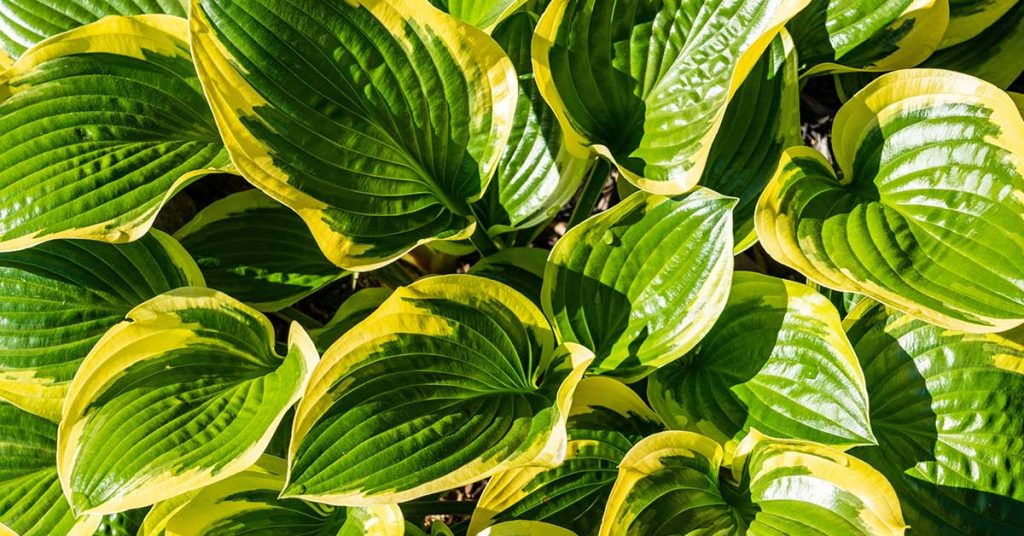
Division is one of my favorite late-summer chores! Hostas (Hosta spp.), native to northeast Asia but beloved worldwide, form tight clumps benefit from splitting every three to five years. Dig up the clump, tease apart fresh sections with healthy roots, and replant immediately in enriched soil.
Transplanting divisions refreshes their growing environment, loosening compacted roots and revitalizing nutrient uptake. Water well after planting, and you’ll be amazed at how vigorously these divisions burst forth in spring!
Clean Up Dead Foliage and Spent Blooms
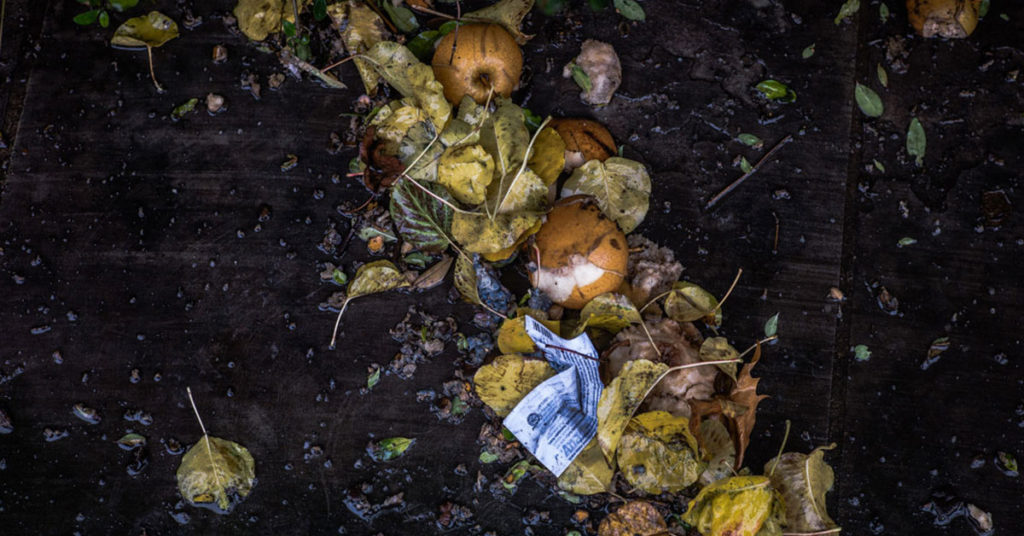
Tidying up yellowing leaves and spent flowers may feel tedious, but it’s crucial for disease prevention. Slugs and snails hide in damp debris, and fungal spores cling to wilted petals. Clearing these remnants—especially from species like phlox—dramatically cuts down on overwintering pests.
Plus, your garden looks so much neater! I always smile at rows of well-pruned lavender (Lavandula angustifolia), native to the Mediterranean, ready for its winter slumber. A clean bed now means less work in early spring and healthier plants overall.
Compost Organic Debris Responsibly

Turning your trimmed foliage and spent blooms into compost closes the nutrient loop. Disease-free material—like clean stems from ornamental grasses native to prairies—makes excellent compost feedstock. I love tossing in stalks of perennial sunflowers once they’re stripped of seeds!
However, any debris showing signs of disease or heavy infestation should be discarded or burned. That way, you avoid reintroducing problems. Wise composting replenishes soil fertility, reduces waste, and keeps your perennial beds in tip-top shape.
Water Deeply Before the First Frost
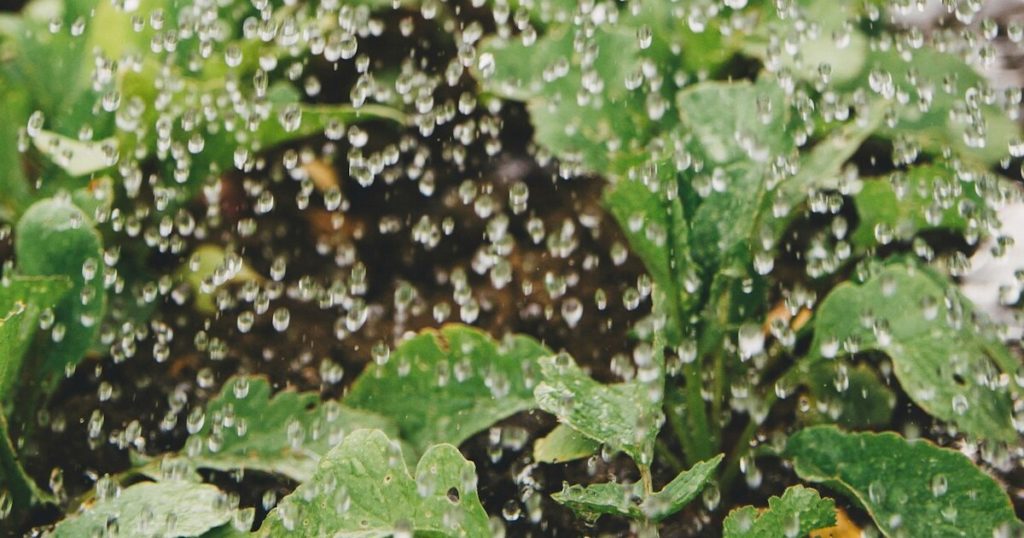
As rainfall tapers off, ensure perennials get at least an inch of water per week. Deep watering encourages roots to grow downward, boosting drought resilience. I’m always amazed at how native plants like coneflower handle winter when well-hydrated beforehand!
Skip shallow sprinkling—soak the soil thoroughly early in the day. This gives plants like sedum the moisture they need without promoting surface fungus. A well-watered crown is far less prone to frost damage and ready to green up quickly in spring.