

Every autumn, those crisp, colorful leaves carpeting your yard can feel like a chore—but before you haul them away, consider the hidden treasures they hold for your garden. It’s such a bummer to see perfectly good organic material end up at the curb when it could instead nourish your soil, shelter beneficial wildlife, and reduce garden chores come spring. I know how tempting it is to bag them all up, especially when the lawn looks untidy, but staying patient with those leaves pays dividends long after the last leaf has fallen.
From oaks native to temperate forests of North America to maples originally spread across Europe and Asia, fall foliage varies in chemistry and texture—and each type offers unique benefits, whether as mulch, compost, or habitat. In general, leaves aren’t invasive (unless carried into wildlands), and by embracing them you support the complex web of garden life that depends on leaf litter to thrive. Let’s explore eight compelling reasons to keep those leaves where they belong—in your own garden!
Mulch to Regulate Soil Temperature
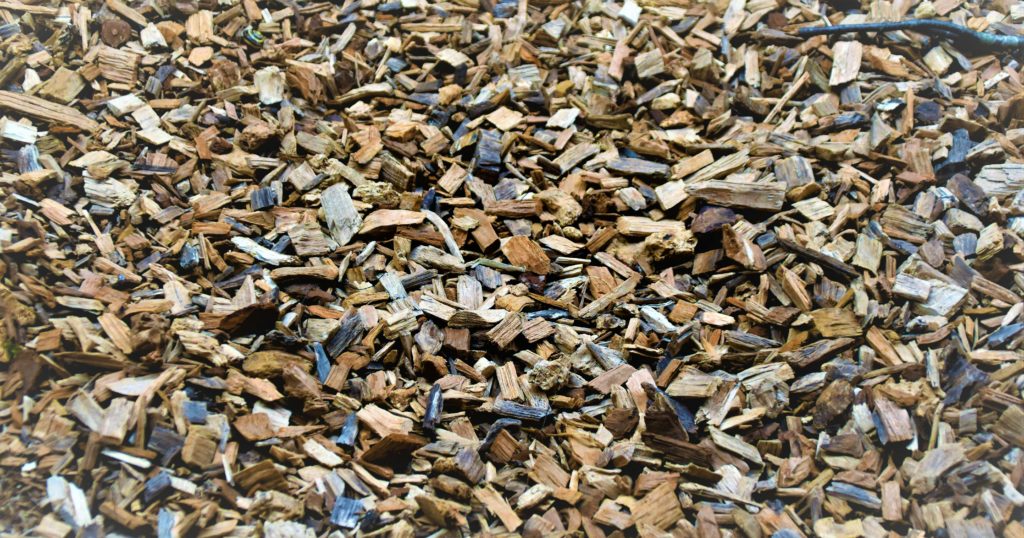
A thick blanket of shredded leaves acts like a natural insulation layer, keeping soil temperatures more consistent through chilly nights and unseasonal warm spells. In regions where plants like peonies (native to Asia and Europe) and Japanese anemones (native to Japan and China) need steady dormancy, this mulch prevents premature thawing that can damage tender roots.
Mulch also suppresses weeds, reducing the need for chemical herbicides. I remember covering my rose beds in oak leaf mulch and waking up to a nearly weed-free patch—so satisfying! Under that cover, small soil beetles and springtails find cozy retreats, helping to aerate the soil and break down organic matter into plant-friendly nutrients.
Create Rich Compost for Nutrient Cycling

Leaves are high in carbon, making them perfect “brown” material for compost piles. When mixed with “greens” like grass clippings or kitchen scraps, you’ll produce balanced compost that enriches flower beds and vegetable patches. My compost bins brim with chopped maple and birch leaves each year, yielding dark, crumbly humus by spring!
Compost not only feeds plants but also encourages beneficial microbes and earthworms. One of my favorite moments is turning the pile to see earthworm tunnels weaving through leaf layers—those wriggling gardeners are the best proof that composted leaves revitalize soil structure and fertility.
Provide Habitat for Beneficial Insects
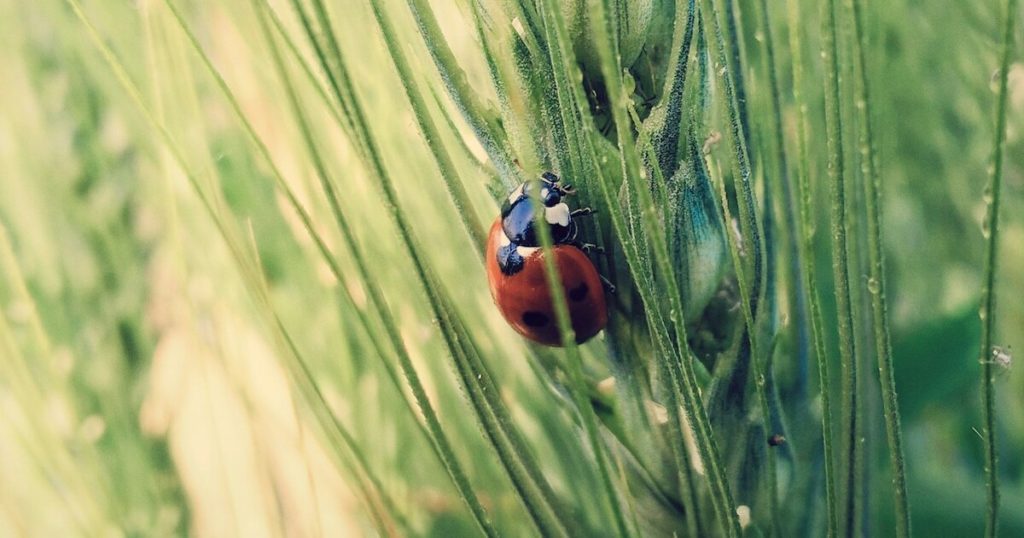
Many predatory insects and pollinators overwinter in leaf litter. Lady beetles, ground beetles, and lacewings tuck into the debris to emerge in spring and feast on aphids and other pests. By simply leaving leaves beneath shrubs or perennial borders, you set up nature’s own pest-control army for next season!
It’s thrilling to spot ladybugs crawling out of the leaf litter as temperatures rise. And though you won’t see birds nesting in fall leaves, robins and sparrows may forage there for insects in early spring, adding another layer of wildlife benefit to your decision to keep those leaves around.
Build Leaf Mold for Soil Amendment

Leaf mold—fermented leaf matter—forms when leaves decompose slowly in moist, shaded piles. This velvety, sponge-like material retains moisture up to eight times its weight, making it a goldmine for thirsty plants like fuchsias (native to South America) and caladiums (native to Brazil).
I love scooping handfuls of leaf mold into my hydrangea beds in late summer—it keeps them hydrated and happy! As it develops over winter, microbial communities loosen the leaves into a fine, soil-like amendment that improves structure and drainage in heavy clay soils.
Prevent Soil Erosion and Runoff
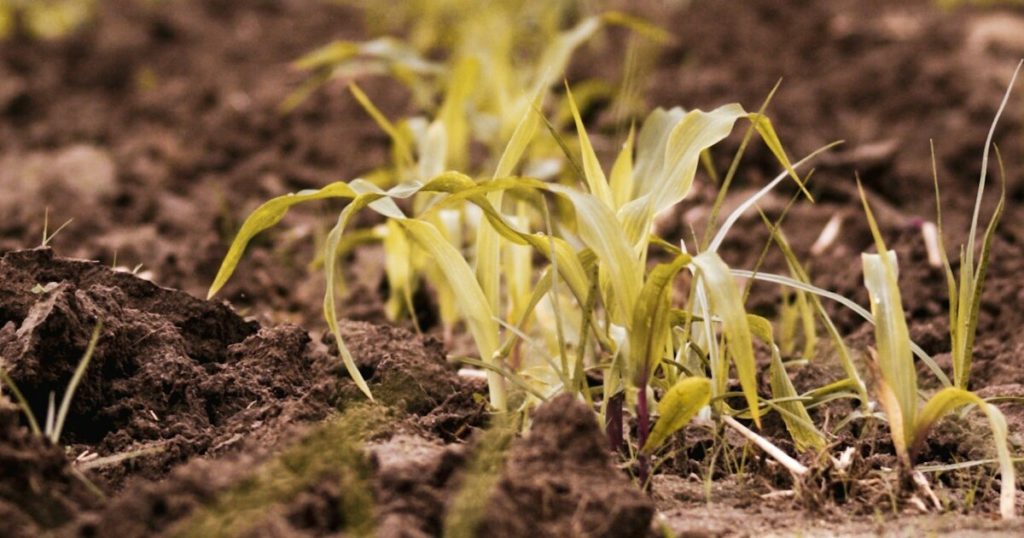
An unprotected bare garden bed is vulnerable to heavy fall rains washing away precious topsoil. Leaves create a shield that intercepts raindrops, slowing water flow and encouraging infiltration rather than runoff. This is crucial for sloped gardens, especially those growing native wildflowers prone to shallow roots.
Focusing on erosion control also means fewer nutrients leaching into storm drains and waterways. As someone who’s struggled with washed-out beds, I can’t overstate how much a simple layer of leaves reduces soil loss and keeps beds intact over winter.
Insulate Perennial Roots
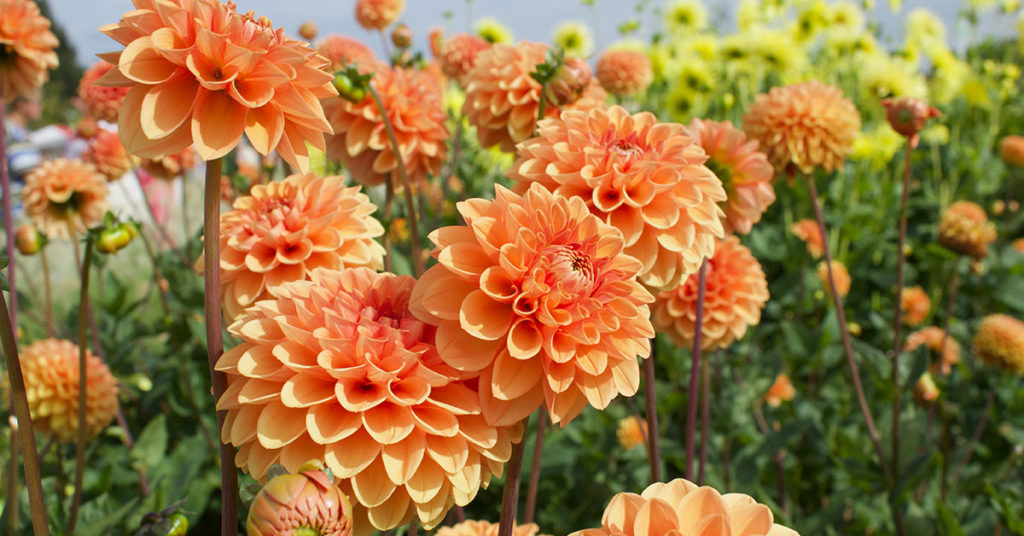
Tender perennials—like dahlias from Mexico and cannas from tropical Americas—benefit from leaf insulation after you cut back their foliage. A generous leaf layer prevents freeze-thaw cycles from heaving tubers out of the ground, which can desiccate roots and kill plants.
One year I lost half my dahlias to frost heaving before I started mulching with leaves—lesson learned! Now I tuck a foot of leaves around their crowns every fall, confident they’ll stay snug until spring’s warmth returns.
Conserve Moisture in Beds
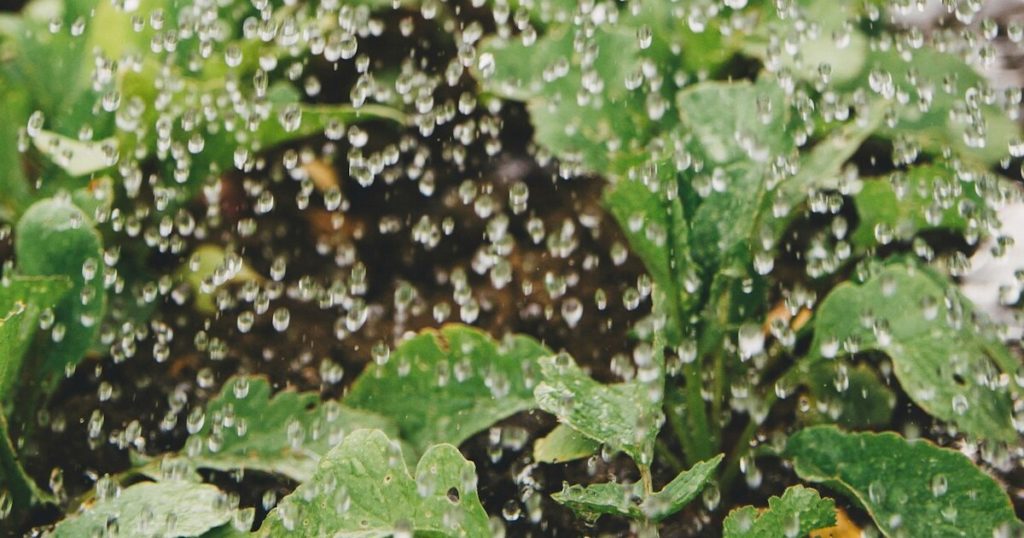
Leaves slow evaporation from soil, keeping moisture near root zones longer. This is a boon for moisture-loving natives like cardinal flower (Lobelia cardinalis) and cardinal climber vines when spring rains are delayed. Your watering chores in early season will be lighter, giving you more time to enjoy the garden!
I’ve noticed that my woodland perennials emerge more vigorously in April when I leave leaf mulch in place—those early roots never run dry. Plus, the cooler soil reduces stress on new shoots, allowing tender growth to unfurl fully.
Reduce Yard Waste and Save Resources

By recycling leaves on-site, you cut down on municipal green-waste pick-up fees or trips to the dump. It’s also better for the environment—fewer leaves hauled away means lower carbon emissions from trucks and less burden on landfill space.
I always feel a sense of pride knowing that my garden’s own detritus fuels its next cycle of growth. Those golden, rust-colored leaves aren’t trash—they’re the ultimate sustainable resource for a healthy, vibrant garden!