

As the days grow shorter and that crisp hint of autumn drifts into the air, your flower garden needs a little extra TLC to transition from summer’s blaze into fall’s cozy embrace. It’s such a bummer when your hard work wilts away under early frosts—been there! Taking the time now to tidy up, replenish nutrients, and protect tender roots will reward you with a vibrant display next spring and a healthier, more resilient garden overall.
Whether you’re growing Mediterranean lavender that loves dry summers or North American asters that relish cooler days, understanding each plant’s heritage and growth habits helps you tailor your fall prep. From dividing perennials to mulching beds, these steps—from the practical to the ecological—will ensure your flowers emerge stronger and more beautiful after winter’s rest.
Divide and Transplant Perennials

Many perennials—like daylilies native to Asia or rudbeckias from North American prairies—benefit from division every few years. Clumps can become crowded, leading to fewer blooms and increased disease risk. Dig up the root ball, separate healthy sections with sharp spades, and replant divisions a bit deeper to encourage robust establishment before frost.
While dividing, watch for springtails and earthworms thriving in the moist soil; these beneficial critters help break down organic matter and improve aeration. I love how separating clumps feels like giving your garden a fresh start—those newly planted divisions always surprise me with extra vigor the following season!
Clean Up Spent Blooms and Debris
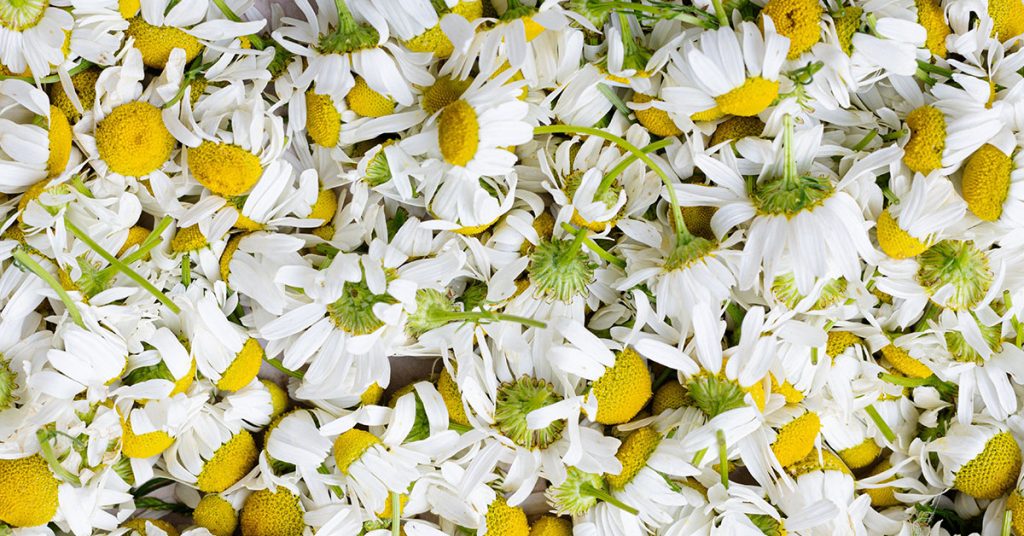
Removing faded annuals, spent flower heads, and fallen leaves keeps disease spores and overwintering pests at bay. Many fungal pathogens overwinter on debris, so sweeping beds clean prevents future outbreaks. Be sure to dispose of invasive species clippings—like Japanese knotweed shoots—responsibly, rather than burning them.
Tidying up also exposes the soil surface for amendments and mulching. While doing this, I often spot tiny beneficial wasps or ladybugs hiding among the detritus—these garden helpers feed on aphids, so giving them a fresh, clean environment encourages their return next spring!
Test and Amend Your Soil

A simple soil test reveals pH and nutrient levels, helping you correct imbalances before winter. Most flowering plants prefer slightly acidic to neutral soil (pH 6.0–7.0). If your beds are low in organic matter—common in sandy soils—work in compost or well-rotted manure to boost water retention and nutrient content.
This organic matter also feeds microbial communities that form symbiotic relationships with plant roots, enhancing nutrient uptake. I once added a generous layer of leaf compost and was thrilled to see spring bulbs pop up faster and stronger—it’s like laying a banquet for next year’s blooms!
Plant Spring-Flowering Bulbs

Fall is prime time for bulbs like tulips, daffodils, and crocuses, many native to Europe and Asia’s temperate climates. Plant bulbs at the recommended depth—usually two to three times their height—in well-draining soil to prevent rot. Grouping bulbs in clusters creates dramatic drifts of color come spring!
While bulbs won’t attract nesting wildlife indoors, planting them in beds can provide early nectar for emerging bees. I love imagining busy bumbles diving into those first crocus cups on chilly March mornings—planting bulbs feels like sending a secret gift to spring!
Mulch to Protect Roots
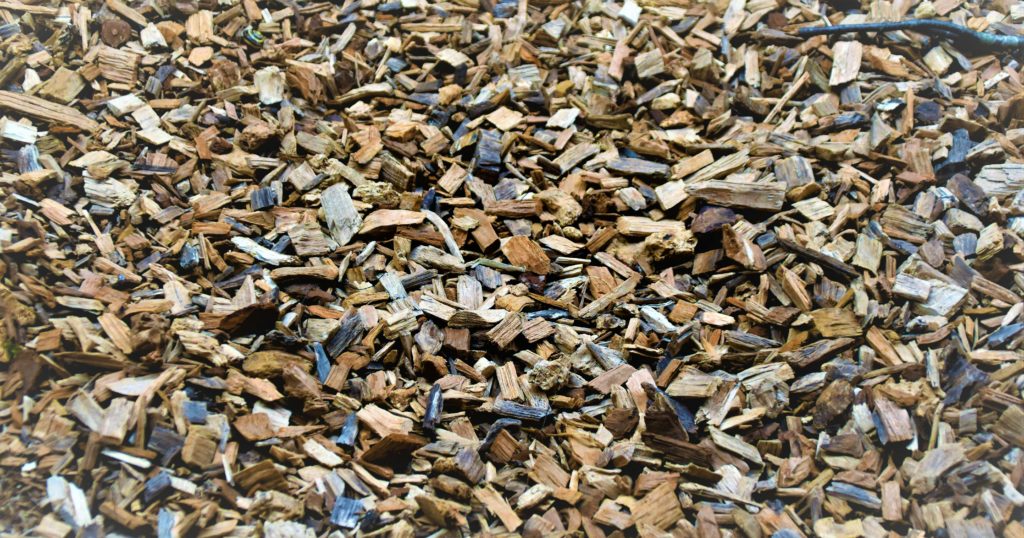
A 2–4-inch layer of organic mulch—such as shredded bark or straw—insulates roots against temperature swings and conserves moisture. This is especially important for frost-sensitive plants like fuchsias, which hail from South American climates and dislike frozen ground. Keep mulch a few inches away from stems to prevent rot.
Mulch also offers shelter for overwintering beneficials—earthworms, beetle larvae, and soil mites—that help aerate and enrich the soil. I always enjoy peeking under the leaf mulch to see springtails busy at work; it reminds me that the garden never truly sleeps!
Fertilize for Root Strength
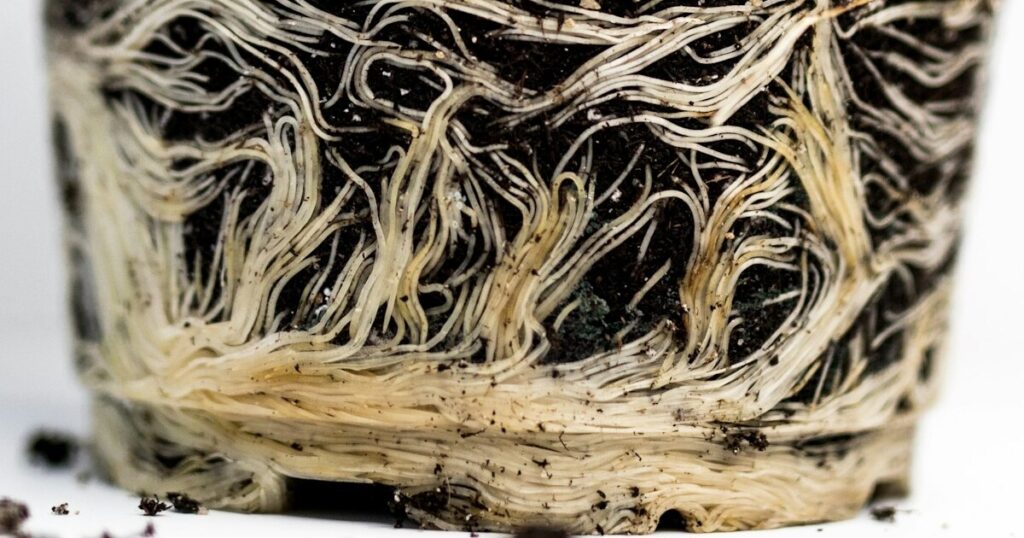
Applying a low-nitrogen, high-phosphorus fertilizer in early fall supports root development rather than leaf growth, promoting resilience during dormancy. Bulbous and tuberous plants—like gladiolus from South Africa—especially benefit from this root boost. Use a bulb fertilizer or bone meal according to package instructions!
Strong roots anchor plants through freeze-thaw cycles and ensure vigorous shoots in spring. I always feel a surge of optimism laying down that final round of fertilizer—it’s like sending a care package underground where it matters most!
Prune Cautiously
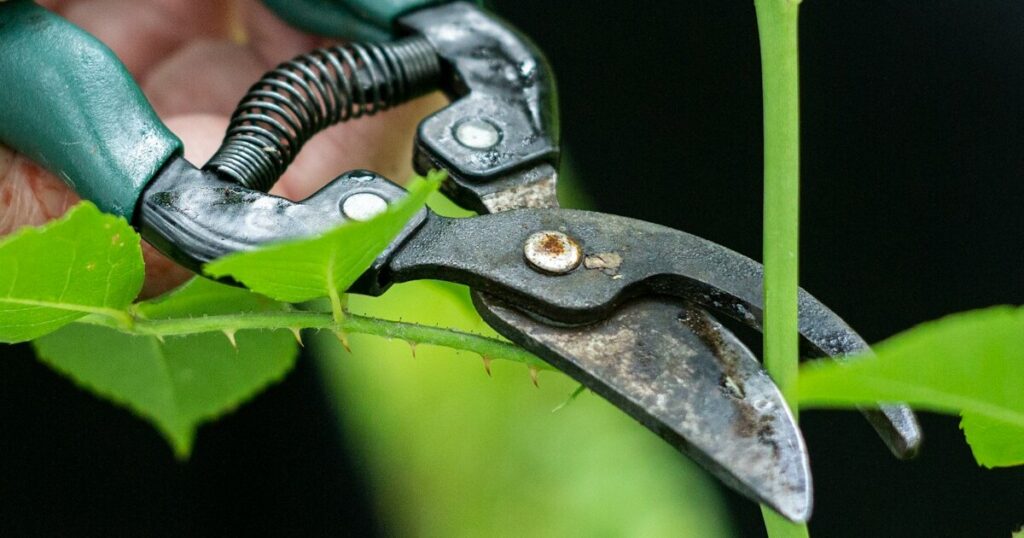
While light trimming of dead or diseased stems cleans up the garden, avoid heavy pruning of shrubs and woody perennials in fall—wait until late winter or early spring. For example, butterfly bush (native to Asia) sets next year’s flower buds on new wood, so fall cuts could remove future blooms.
Instead, focus on removing only damaged or crossing branches. This selective pruning still lets beneficial lady beetles and lacewings overwinter in hollow stems, ready to emerge and control pests when temperatures warm!
Protect Tender Plants

For marginally hardy species—like dahlias from Mexico—after the first light frost cuts back top growth, dig up tubers, brush off excess soil, and store them in peat moss or vermiculite at 40°F–50°F until spring. This mimics their native dry-season dormancy and prevents rot.
I once left tubers outdoors and lost my entire collection to freeze damage—what a heartbreaker! Now I label and tuck them into crates, knowing they’ll burst into bloom again when the warmth returns.
Clean and Sharpen Tools
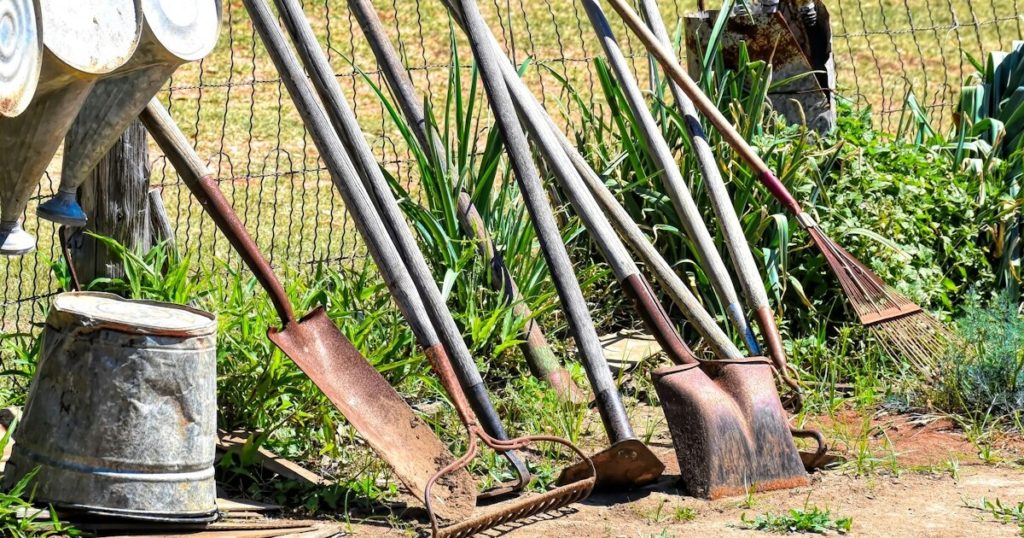
Cleaning garden knives, pruners, and shovels removes plant residue and pathogens, while sharpening blades ensures clean cuts next season. Dull tools tear stems and can introduce disease. A little oiling of metal and handles protects against rust and wear.
I find tool maintenance oddly satisfying—there’s nothing like lined-up, gleaming pruners ready for spring! Plus, caring for my tools reminds me of the care my plants deserve, setting the tone for the season ahead.
Plan and Map Next Year’s Layout

Take photos and notes of this year’s successes and challenges—spots where some plants sprawled invasively, like mint, or where shade-loving bloomed best. Sketch a rough map and list companion plants to improve diversity and pest resistance.
Having this plan helps you rotate crops, prevent disease build-up, and experiment with new varieties. I love paging through my garden journal on cold winter evenings—it’s like plotting next year’s adventure!