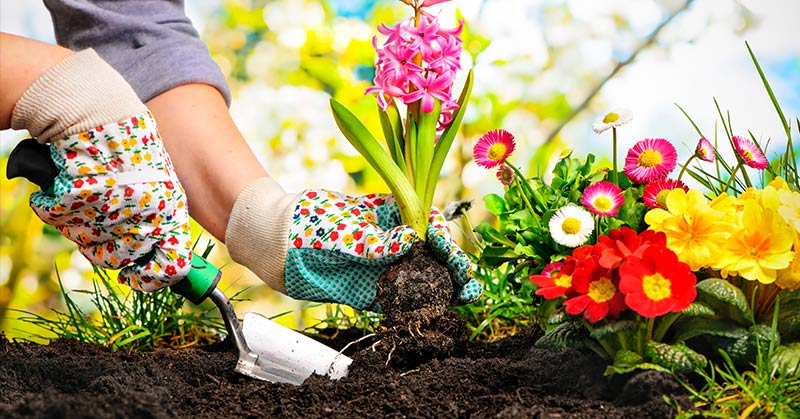

August can feel like the home stretch of summer’s marathon, with scorching sun and parched soil threatening to wilt even the hardiest blooms. I know how disheartening it is to step into your garden and see drooping petals instead of vibrant color—been there! But with a few targeted strategies, you can help your flower beds stay lush, healthy, and full of life despite the relentless heat.
These eleven tips draw on plants’ native habitats—from Mediterranean perennials that thrive in drought to tropical beauties accustomed to humidity—and show you how to mimic those conditions at home. Along the way, we’ll consider invasiveness concerns, pollinator attractions, and little microclimates that benefit beneficial insects and soil dwellers. Let’s dive in and give your blooms the TLC they crave this August!
Use a Thick Layer of Organic Mulch
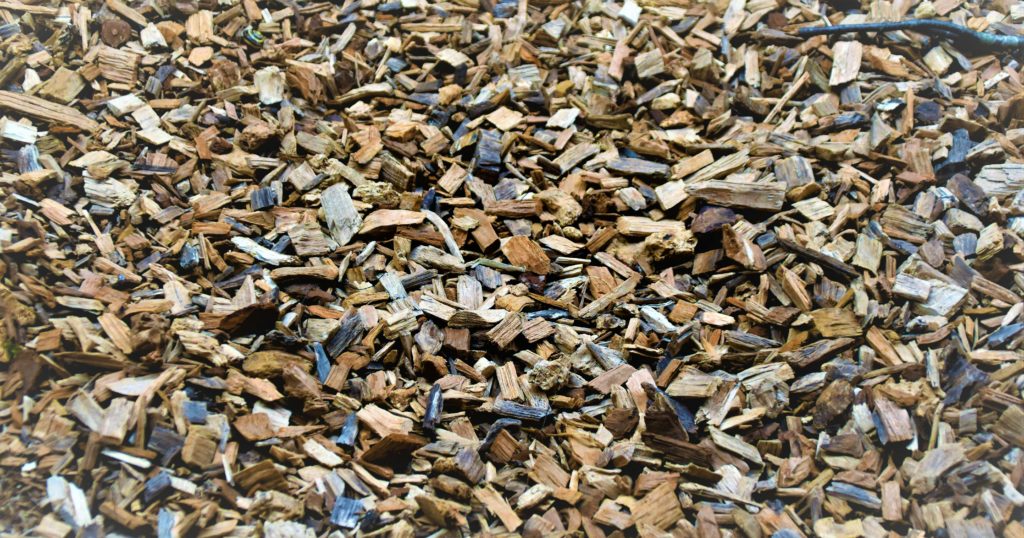
A generous 2–3-inch blanket of shredded bark, leaf mold, or straw acts like sunscreen for your soil, cutting evaporation and keeping root zones cool. This practice reflects your plants’ native understory conditions—think woodland wildflowers from northeast Asia that thrive under fallen leaves!
Mulch also suppresses weeds that compete for water. I love how a fresh layer of leaf mold not only conserves moisture but slowly releases nutrients as it breaks down. Plus, it creates cozy habitats for springtails and earthworms that aerate soil and recycle organic matter into plant-friendly nutrients!
Water in the Cool of Morning

Soaking your beds early—before sunrise if possible—ensures water soaks deep into the soil rather than evaporating under the midday blaze. This mirrors riparian species like North American coneflowers, which naturally access morning dew in their native meadows.
I once watered at noon and watched moisture vanish instantly—such a bummer! Morning watering also reduces fungal risks on foliage, keeping leaves dry through the day so roses and hostas alike stay disease-free and ready to attract pollinators rather than pests.
Install Drip Irrigation or Soaker Hoses

Delivering water directly to the root zone via drip lines or soaker hoses minimizes waste and prevents foliage from staying damp overnight—a perfect solution for moisture-loving plants like Brazilian caladiums that resent leaf wetness.
It’s thrilling to set a timer and watch roots drink steadily, freeing you from lugging hoses in sweltering heat. And by keeping leaves dry, you cut down on fungal issues, leaving more energy for blooms that draw bees, butterflies, and hummingbirds to your late-summer display!
Group Plants by Water Needs

Clustering drought-tolerant Mediterranean natives—such as silver-leafed lavender and rosemary—with one another, and grouping thirstier species like tropical begonias separately, lets you water precisely. This prevents overwatering those that prefer drier soil, like invasive-tendency mint in pots, while keeping moisture lovers happy.
I once lost half my lavender bed by overwatering while trying to save thirsty impatiens nearby—lesson learned! Proper grouping simplifies care and keeps each plant in its ideal moisture regime, maximizing bloom longevity.
Shade the Hottest Spots

Deploy shade cloth, DIY burlap screens, or even strategically placed tall containers to shield sun-scorched beds during peak afternoon heat. This replicates forest edge environments where plants like Japanese astilbe find relief from direct sun.
By lowering daytime temperatures just a few degrees, you’ll preserve delicate petals and reduce transpiration stress. I always feel a sense of relief watching my impatiens—native to East Africa—perk up under a bit of shade after brutal sun exposure!
Deadhead Regularly to Encourage Blooms
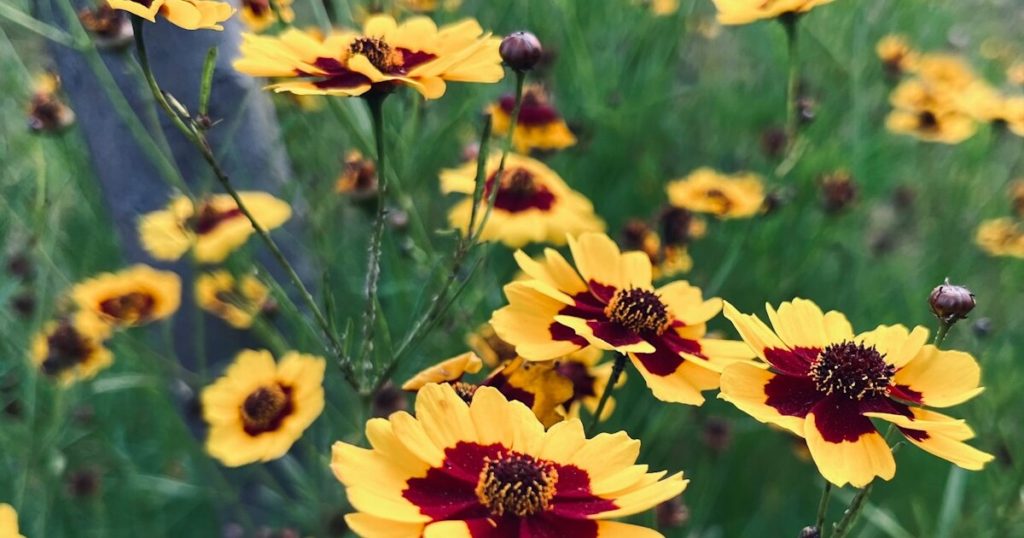
Snipping spent flowers prevents plants from setting seed and redirects energy into new bud production—a must for annuals like Mexican zinnias and perennial coreopsis. While it may feel like extra work in August’s humidity, the reward is nonstop color.
Deadheading also removes potential nesting material for unwanted pests. I love seeing fresh blossoms pop up within days—it’s like your garden reloading its fireworks display for another round!
Enrich Soil with Water-Retaining Amendments
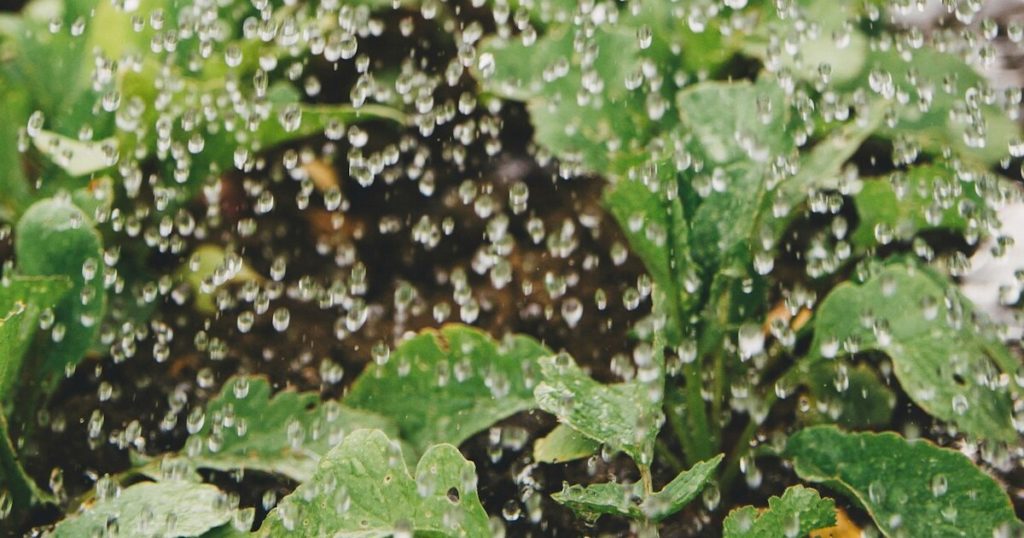
Incorporate aged compost, coconut coir, or water-absorbent crystals into beds to boost the soil’s sponge-like capacity, mimicking rich alluvial soils where wild asters thrive along streambanks. These amendments hold moisture through the heat and release it slowly to roots.
The improved structure encourages beneficial soil microbes to flourish, forming symbiotic relationships that help plants resist heat stress. I’ve noticed brighter blooms and sturdier stems ever since I started blending in compost this way!
Apply a Light, Balanced Fertilizer

Late-summer feeding with a mild, balanced fertilizer (like 5-5-5) every 6–8 weeks helps flower-heavy plants maintain energy for bloom production, especially after the scorching of mid-August. Avoid high-nitrogen blends that promote leafy growth at the expense of flowers.
It’s so thrilling to see robust new flower buds forming after a gentle feeding! And since most garden ornamentals aren’t invasive in well-tended beds, a little fertilizer goes a long way without ecological concerns.
Monitor and Manage Pests Early

Heat-stressed plants are more vulnerable to aphids, spider mites, and whiteflies. Scout foliage—especially the undersides—weekly, and at the first sign of pests, blast them off with a strong water spray or treat with insecticidal soap.
I know how frustrating it is to lose blooms to a sudden mite infestation! By staying vigilant, you protect energy reserves so your flowers can focus on showy petals that attract beneficial predators like lady beetles and lacewings.
Provide Temporary Shade from Mulch Mounds

For newly planted or shallow-rooted species—think native prairie daisies—mounding a small ring of mulch around the base protects roots from direct sun and retains moisture exactly where it’s needed. Remove it once the extreme heat subsides.
This technique mimics the natural accumulation of leaf litter around seedlings in their wild habitats. I always feel a sense of gratification seeing new transplants establish quickly under this gentle mulch “umbrella”!
Prune Sparingly, Not Heavily
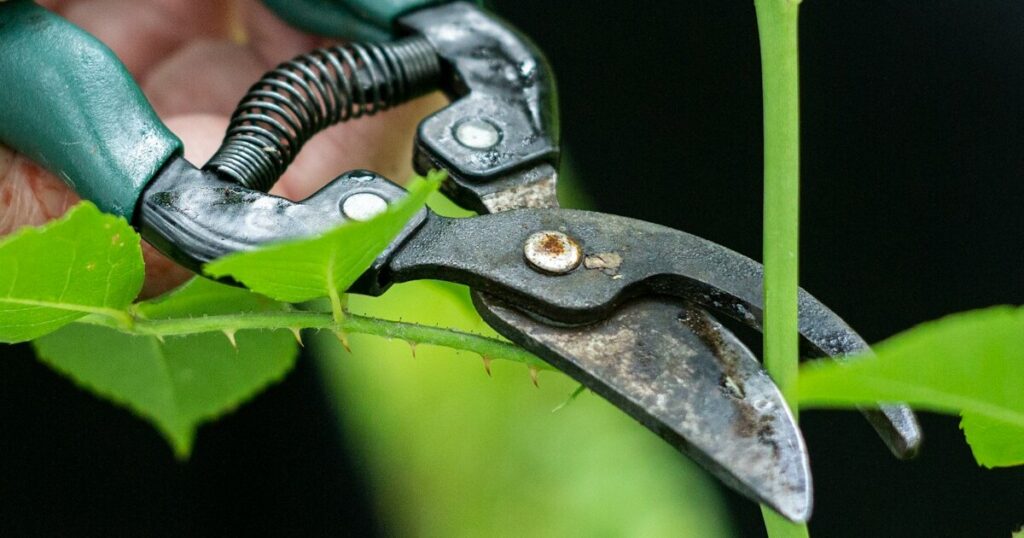
While a light trim of leggy stems can refresh plants like butterfly bush (native to Japan and Korea), heavy pruning in August can stress them further. Stick to minimal deadheading and avoid drastic cuts until cooler weather returns.
Pruning too much leaves wounds that divert water to heal instead of fueling blooms—something I learned the hard way with my Japanese anemones. A gentle touch ensures flowers still have the energy to unfurl and entice pollinators through the late-summer days!