
Late summer’s heat can sap both your energy and your garden’s vitality, leaving even hearty plants begging for a drink. As daylight hours shorten and temperatures still hover high, adjusting your watering routine is key to helping tomatoes, ferns, herbs, and ornamentals push through to a strong finish. I know how frustrating it is to watch foliage wilt in the afternoon sun—been there!—so let’s dive into strategies that will quench your plants’ thirst and keep them thriving.
Whether you’re tending tropical elephant ears from Southeast Asia or native North American asters, understanding each species’ origins and water preferences helps you tailor your approach. Some plants, like marsh-loving hostas, need consistently moist roots, while sun-baked lavender from the Mediterranean resents soggy soil. With these tips, you’ll strike the right balance for every resident of your late-summer garden!
Monitor Soil Moisture, Not a Schedule

Rather than following a fixed timetable, feel the soil around your plants. Stick a finger an inch or two down—if it’s dry, it’s time to water deeply. This method respects natural rainfall variability and ensures water reaches thirsty roots, whether you’re growing South American tomatoes or Australian fern-leaf ferns.
I love seeing that damp soil remind me that my plants have what they need! And when moisture levels drop too low, many species—even non-invasive houseplants like peace lilies from tropical Americas—will give you unmistakable droop signals, so you can respond before stress leads to pest problems.
Water Early in the Morning

Giving your garden a good soak before sunrise helps roots absorb water without losing much to midday evaporation. Early watering also reduces the risk of fungal diseases on leaves—a common issue when evening dew lingers on plants like Japanese hostas that thrive in woodland settings but hate moisture sitting on their foliage.
I remember once watering too late in the day and waking to powdery mildew on my geraniums—such a bummer! By shifting to morning routines, I’ve kept foliage healthier and more resilient, letting my tropical elephant ears (native to India and southeast Asia) shine with fully unfurled leaves.
Deep Soaking Over Light Sprinkling
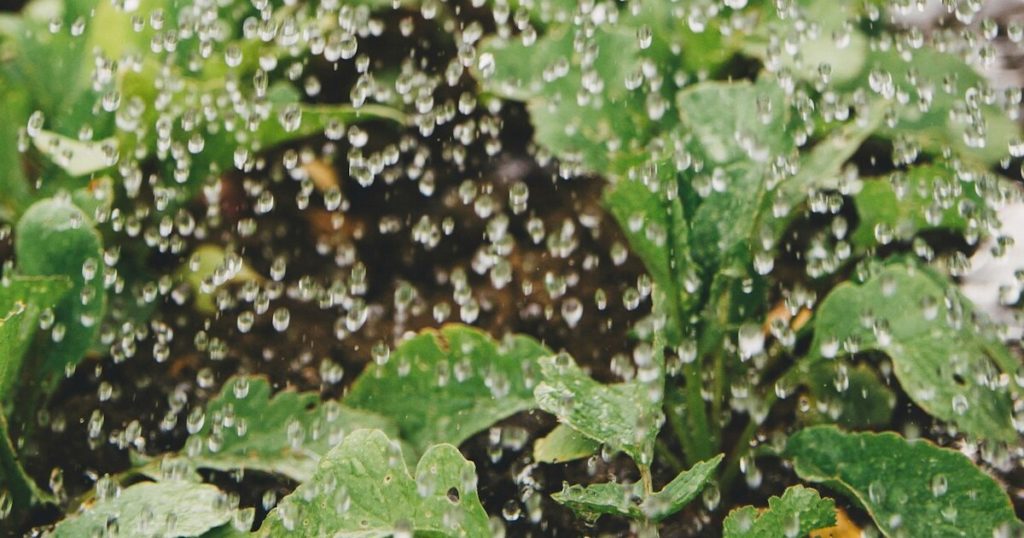
A light mist may look pretty, but it barely wets the topsoil. Instead, aim for deep, thorough watering that soaks the root zone of perennials like North American coneflowers, which will then send roots deeper for drought resilience. Use a slow, steady trickle at the soil line rather than a fine spray on leaves.
Deep watering encourages roots to explore downward instead of staying near the surface, where they’re more vulnerable to drying out. That robust root network also supports fuller flowering and stronger stems—essential for heavy late-summer blooms on invasive-tendency plants like mint, which can otherwise rear up too vigorously!
Use Mulch to Retain Moisture
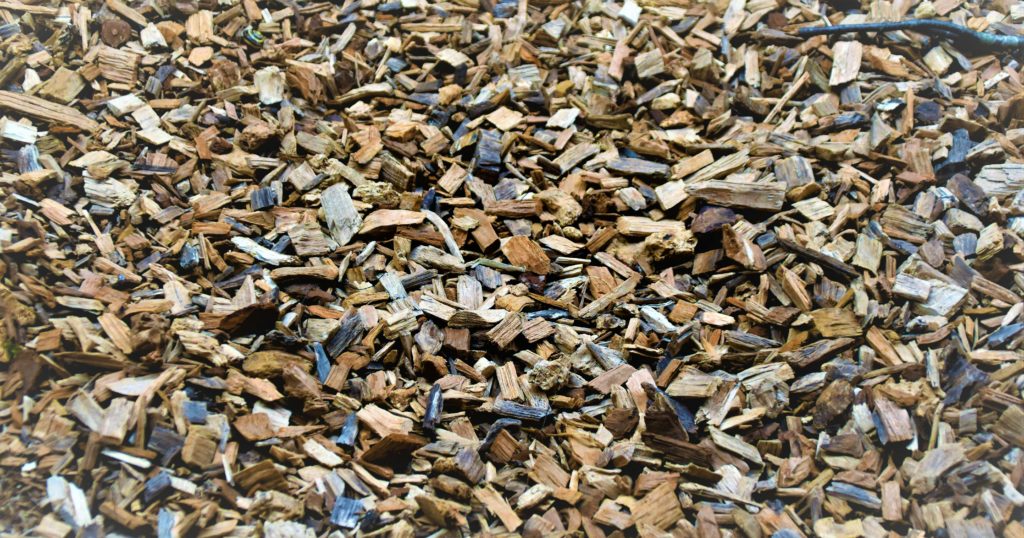
A two- to three-inch layer of organic mulch—like shredded bark or compost—shields soil from direct sun, cutting evaporation and keeping temperatures stable. This is a game changer for moisture-loving species such as caladiums from Brazil’s rainforests, which sulk when their soil bakes dry.
Mulch also suppresses weeds that compete for water. I love the smell of fresh compost when I spread it around my flowerbeds—it’s like tucking a cozy blanket over thirsty roots! And by retaining moisture, you reduce watering frequency, giving you more time to enjoy your late-summer garden.
Group Plants by Water Needs

Cluster moisture-hungry plants—such as Boston ferns from tropical swamps and impatiens from East Africa—together, and separate drought-tolerant species like lavender (Mediterranean origin) and succulents. That way, you can water heavily in one zone without overwatering others that resent constant wet feet.
Creating these “watering zones” simplifies care and prevents invasive volunteer seedlings—like dill or cilantro—from popping up in drier beds. I once lost half my rosemary to soggy soil before I got wise and rearranged my containers!
Incorporate Organic Matter into Soil

Mix compost or well-rotted manure into planting beds to improve water-holding capacity for plants like native North American asters and annual zinnias. Organic matter acts like a sponge, releasing moisture slowly and feeding beneficial soil microbes that aid root health.
I always notice brighter blooms and stronger stems when I give beds an autumnal soil boost—those microbes help break down mulch, too, creating a virtuous cycle of moisture retention. And since many ornamentals aren’t invasive in these enriched beds, you’ve got one less worry!
Harvest Rainwater for Supplementary Irrigation

Collecting rainwater in barrels lets you top up your watering can with nutrient-rich, chlorine-free water—ideal for sensitive veggies like eggplants (native to India) and herbs such as basil from tropical Asia. Use that water for early morning or drip irrigation to maximize absorption.
Rainwater harvesting also reduces your dependence on municipal supplies, which can be hard on earthworms and springtails in your soil. I get such satisfaction watching garden “helpers” busily aerate the earth, all thanks to my rain-barrel system!
Install Drip Irrigation or Soaker Hoses
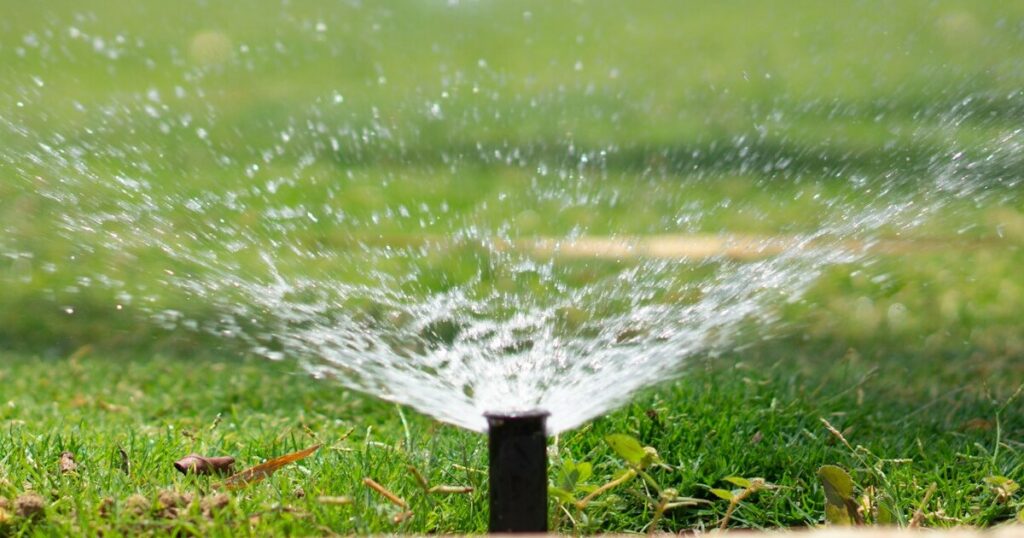
Drip lines and soaker hoses deliver water directly to the root zone at a slow, steady rate, minimizing waste and leaf wetness that can invite mildew—especially on broad-leafed plants like invasive-tendency mint or shade-loving hostas. Set them on a timer to maintain consistent moisture without daily hand watering.
I hooked mine up last summer and now enjoy watching tomatoes and peppers thrive without lugging hoses around. And my peace lilies indoors even benefit when I place a small drip tube in their pots—constant gentle moisture keeps their roots happy and leaves glossy!