

It’s such a bummer when you’re excited about lush garden growth only to realize your plants are wilting from thirst—been there! Some of our favorites actually crave consistently moist soil to look their best, and underwatering them can stunt their bloom, invite pests, or even cause leaf drop. In this guide, I’m thrilled to share eleven thirsty plants that will reward you with vibrant foliage and flowers when you keep their roots happily damp.
Each of these beauties hails from naturally wet habitats—think marsh edges, tropical understories, or streambanks—where they never miss a drink. I know how frustrating it is to watch leaves curl or flowers fade, so let’s dive into why these plants need more water than you might expect, where they’re native, whether they can become invasive, and even how they interact with beneficial garden wildlife!
Elephant Ear (Colocasia esculenta)

Native to Southeast Asia and India, elephant ears thrive in boggy ground or shallow water and can grow massive, dramatic leaves when consistently moist. In containers or beds, they resent drying out: allow the top inch of soil to only just begin to feel damp before watering deeply, ensuring every root gets what it needs.
Outdoors, colocasia can naturalize in warm, wet climates—so be mindful where you plant it. While it doesn’t host nesting birds, standing water around its base can attract helpful dragonflies who snack on mosquito larvae! I adore watching those big, tropical leaves unfurl when given ample moisture.
Calathea (Calathea ornata and friends)

Originally from the rainforests of Brazil, calatheas live under dense canopies where humidity and soil moisture remain high. These houseplants sulk if allowed to dry out even slightly, showing brown leaf edges instead of their signature striped patterns. Keep their soil evenly moist and mist leaves for extra humidity!
Calatheas aren’t invasive indoors, but outdoors in tropical areas they can spread via rhizomes. While they won’t host birds inside, their lush foliage can create tiny humid microclimates for springtails and beneficial mites in the soil—those little guys help break down organic matter to feed the roots!
Hostas (Hosta spp.)
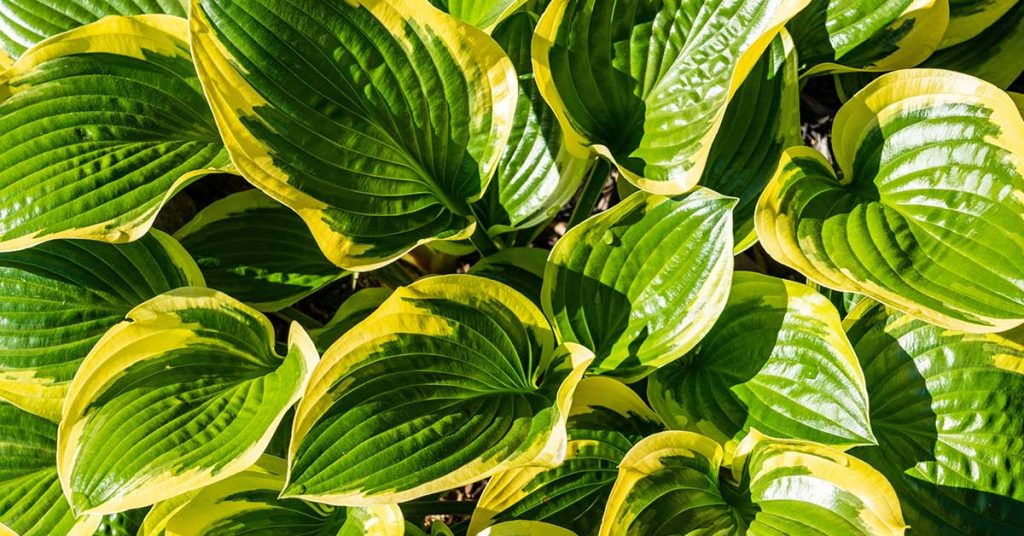
Hailing from northeast Asia’s forest understories, hostas love consistent moisture and part shade. Underwater them, and you’ll see drooping leaves and faded variegation. A layer of mulch helps retain soil dampness around their crowns, so water deeply whenever the top two inches of soil feel dry.
Though not invasive in most gardens, some vigorous varieties can spread by underground stems. Hostas’ broad leaves can collect rain and dew, providing microhabitats for ground beetles and springtails, which in turn aerate and enrich the soil. One of my favorite plants for shady spots—just don’t let them thirst!
Peace Lily (Spathiphyllum spp.)
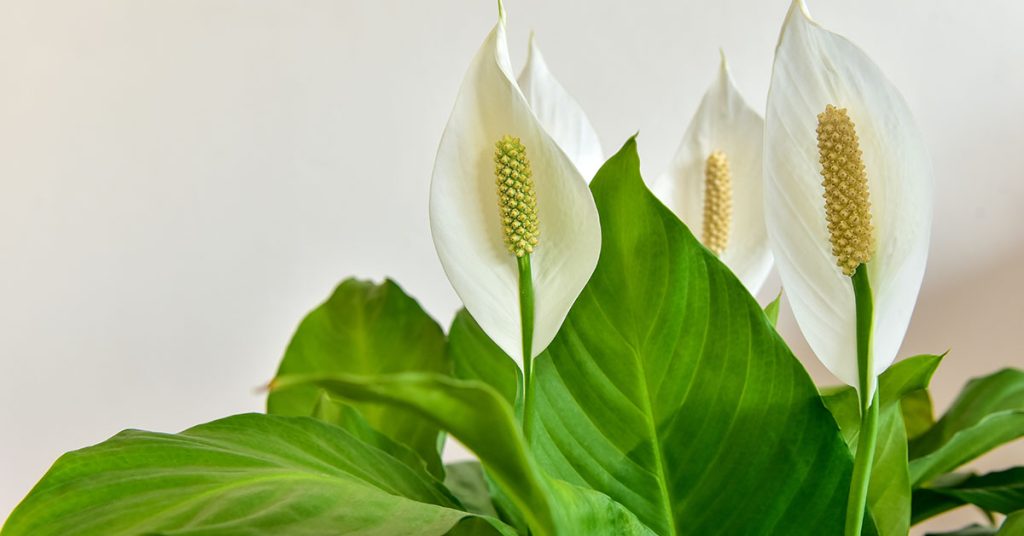
Peace lilies originate from tropical American rainforests, where they grow on moist forest floors. They’ll droop dramatically when thirsty, giving an obvious “water me” signal—like your plant tapping you for a drink! Keep soil lightly damp at all times and avoid letting it dry out completely.
Indoors, peace lilies aren’t invasive, and their glossy leaves won’t support nests—but they do improve air quality and can harbor springtails beneath their potting mix. I love those pristine white blooms popping up when they’re happy and hydrated!
Impatiens (Impatiens walleriana)
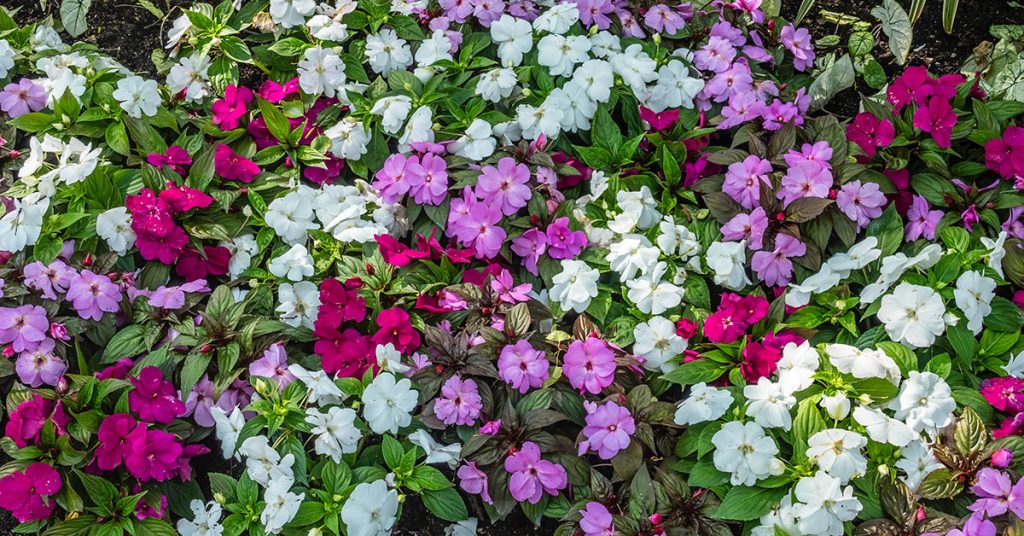
Native to East Africa and India, impatiens flourish in moist, shaded borders. When soil dries, they wilt quickly and may not recover if left parched too long. Water at soil level regularly—mulching helps preserve moisture between sessions!
Outdoors, impatiens rarely become invasive, but they’re magnets for hummingbirds and beneficial predatory wasps that help control pests. I know how frustrating it is to lose those cheerful summer blooms from underwatering—keeping them hydrated keeps the colors bright through fall!
Boston Fern (Nephrolepis exaltata)
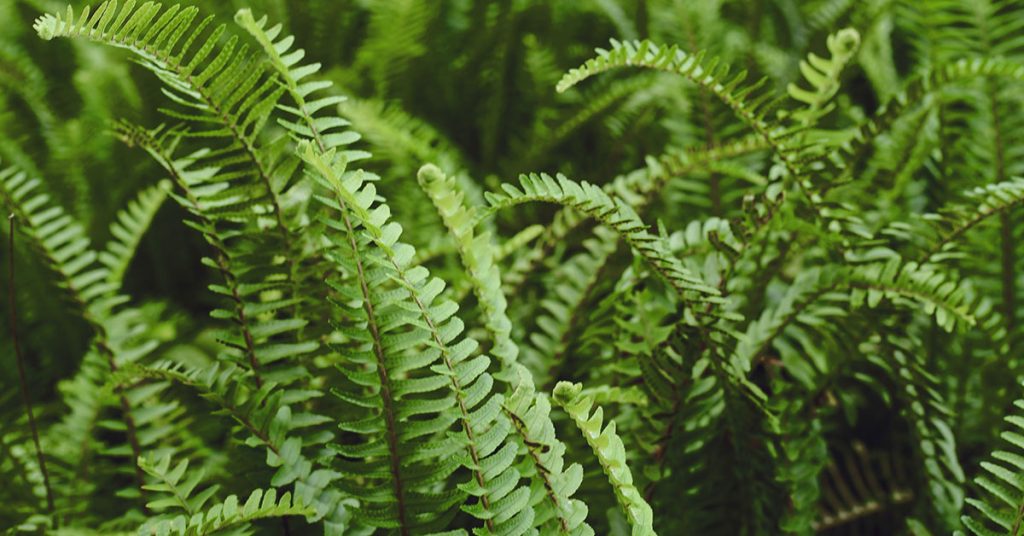
Boston ferns come from humid tropical regions worldwide and demand consistently damp soil and high humidity. If fronds start turning brown at the tips or curling, it’s a sign they need more water. I often mist mine daily and check the soil every other day in cooler months!
These ferns don’t spread invasively indoors, but they do create a humid microhabitat for springtails and beneficial springtail predators in the potting mix. Their feathery fronds are one of my favorite textures in a shady corner, as long as I keep their roots moist!
Calla Lily (Zantedeschia aethiopica)
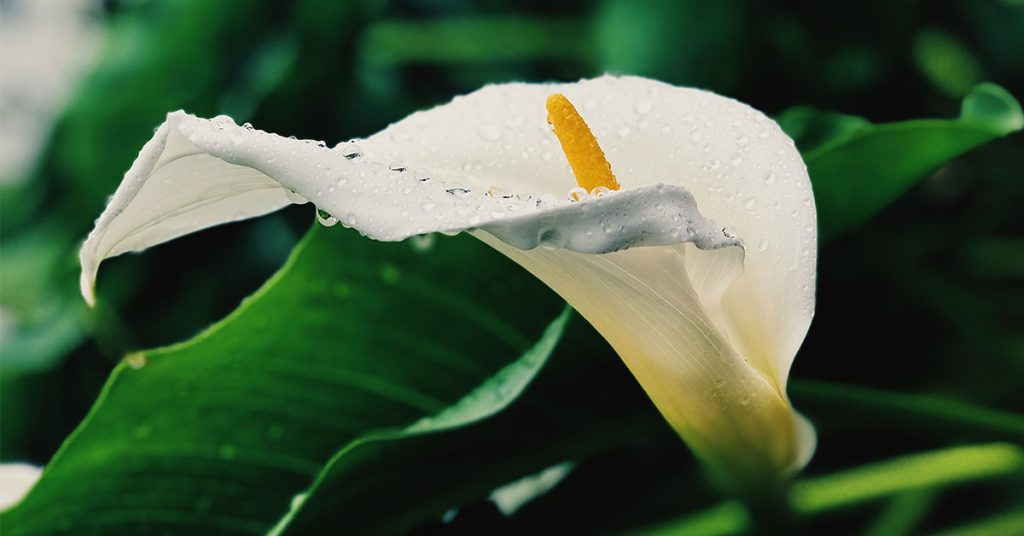
Calla lilies hail from marshy areas of southern Africa and demand plenty of moisture during growth. Underwater them, and their beautiful trumpet flowers will shrivel. Keep their soil evenly moist—just avoid standing water around the crown, which can cause rot.
While not invasive in containers, callas can naturalize by underground tubers in mild climates. Outside, their shallow pools often attract damselflies and dragonflies—nature’s mosquito patrol. I love how these elegant blooms reward faithful watering with week after week of cut flowers!
Cardinal Flower (Lobelia cardinalis)
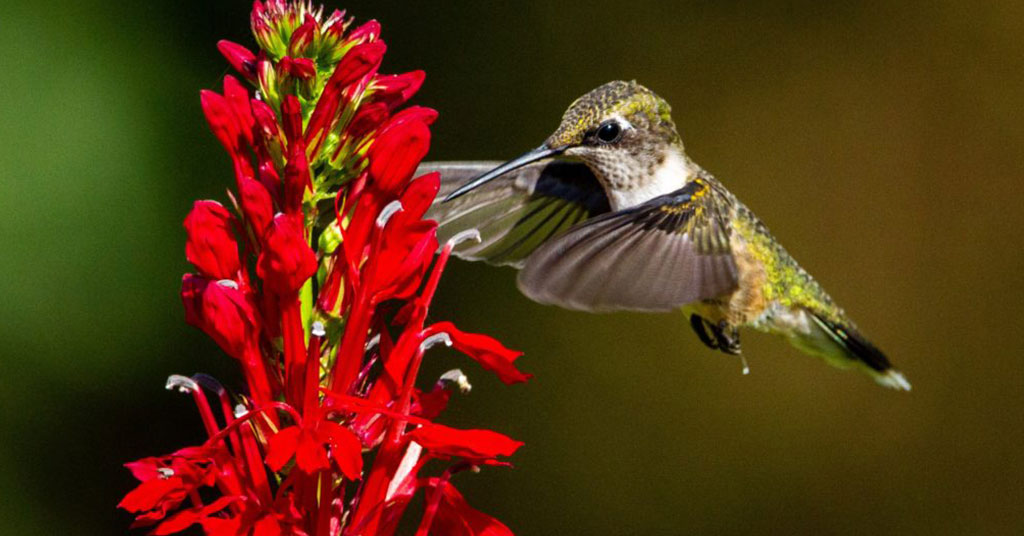
This fiery perennial is native to wet meadows and streambanks across North America and thrives in waterlogged soil. If it dries out, you’ll notice wilting stems and fewer scarlet blooms. A generous layer of mulch helps keep moisture steady in late summer!
Cardinal flower is rarely invasive, but outside, it’s a magnet for hummingbirds and swallowtail butterflies that lay eggs on its leaves. Giving it plenty of water invites these delightful pollinators to your garden—one of my favorite sights!
Wax Begonia (Begonia x semperflorens-cultorum)
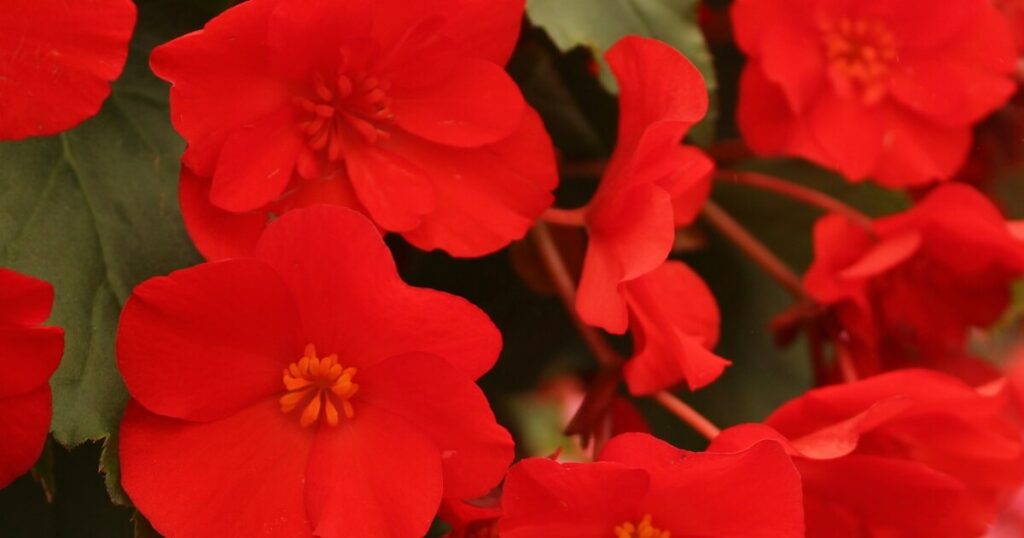
Wax begonias come from tropical Africa and South America, enjoying moist but well-draining soil. Underwater them, and the leaves will droop and turn crispy at the edges. Water thoroughly when the top inch of soil feels dry, and you’ll be rewarded with glossy foliage and delicate blossoms!
Indoors or in containers, they remain non-invasive. Outdoors, the blossoms can attract small hoverflies that prey on aphids. I find their cheerful blooms brighten shady spots—just make sure they never go thirsty.
Caladium (Caladium bicolor)

Caladiums originate from Brazil’s rainforests, boasting colorful heart-shaped leaves that require consistently moist soil. Let them dry, and you’ll see diminished color intensity and curled edges. I water mine deeply and keep a thick mulch layer to lock in hydration!
While they don’t naturalize in containers, in tropical climates caladiums can spread via tubers. Outdoors, their broad leaves can shelter small soil invertebrates like springtails. The burst of pinks and whites always excites me—these dramatic leaves never fail to make a statement when well-watered!
Alocasia (Alocasia amazonica and friends)
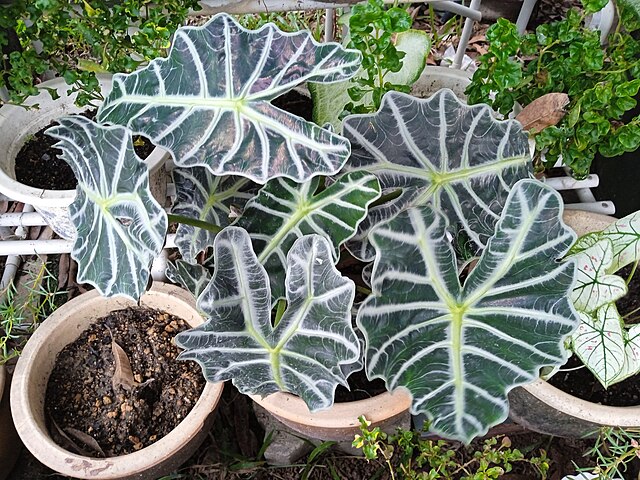
From Southeast Asia’s swampy forests, alocasias need rich, moist soil to develop their striking arrowhead leaves. Underwater them, and the leaf edges brown and curl. I feed and water mine regularly—keeping the medium damp but never soggy for best results.
Alocasias aren’t invasive in containers, but outdoors in tropical zones they can naturalize from offsets. In the garden, their large leaves can offer roosting spots for small frogs and beneficial insects that help keep pests down. Watching those bold leaves rise each morning is one of my greatest indoor gardening joys!