

Fall’s cooler days and cozy kitchens are the perfect backdrop for growing fresh herbs right on your windowsill. Whether you dream of snipping fragrant sprigs for soups, teas, or roasted veggies, these 12 herbs are well-suited to indoor life as daylight wanes. I know how discouraging it can be when outdoor herb beds start to peter out—especially as nighttime temps drop—so bringing a touch of green indoors keeps those kitchen flavors alive all season!
Each of these herbs is known for being uncomplicated to grow under grow lights or bright windows, and most are forgiving of the occasional watering hiccup. From the tangy burst of dill to the warming aroma of rosemary, you’ll discover a range of flavors and textures to elevate every fall dish. Let’s get growing!
Dill
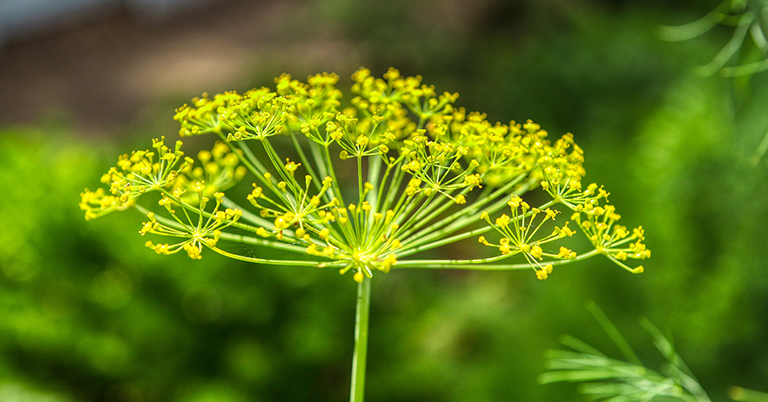
Dill (Anethum graveolens) hails from the Mediterranean and western Asia, where its feathery fronds wave in sunlit fields. Indoors, it appreciates bright, direct light and well-draining soil. While not considered invasive in containers, outdoor seedlings can self-sow prolifically—so keeping it in a pot indoors keeps it contained yet lush!
Those delicate fronds are beloved by beneficial insects; though you won’t see nesting bugs indoors, if you ever move your dill outside in warmer months you might spot swallowtail butterflies laying eggs on its leaves! Fresh dill adds a vibrant lift to soups and roasted squash, making it one of my favorite herbs when I crave that lemony, grassy note.
Rosemary
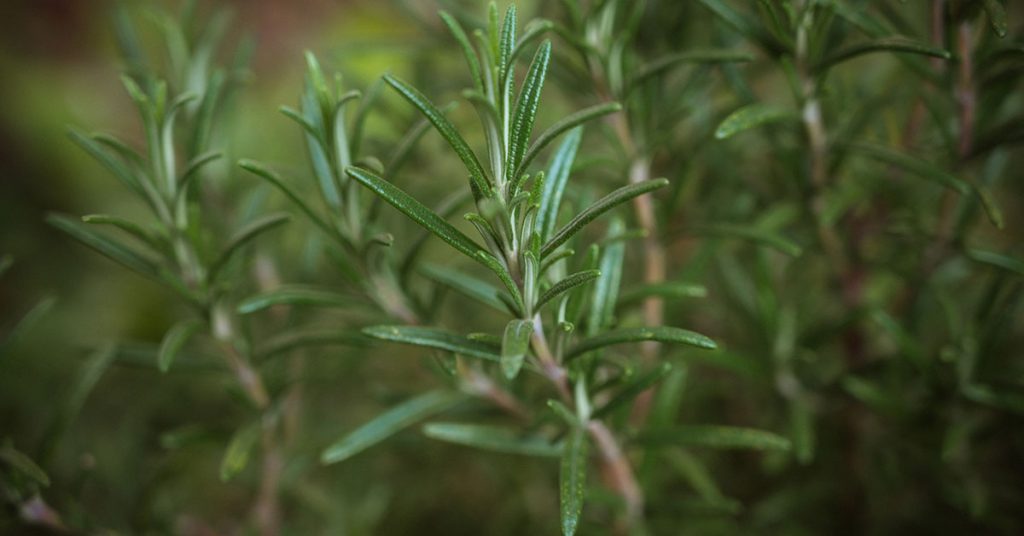
Rosemary (Rosmarinus officinalis) originates from the Mediterranean’s rocky hillsides, where it develops needle-like leaves packed with aromatic oils. It thrives on bright light and slightly drier conditions—perfect for indoor environments that mimic its native habitat. Though hardy, avoid overwatering to prevent root rot, since too-wet soil is its biggest enemy.
While rosemary doesn’t attract nesting wildlife indoors, stepping outside with a cutting can draw bees and tiny predatory wasps that feed on garden pests. Snipping sprigs for pot roast or fall stews fills the kitchen with its pine-like scent, transporting me back to sun-baked coastal walks!
Chives
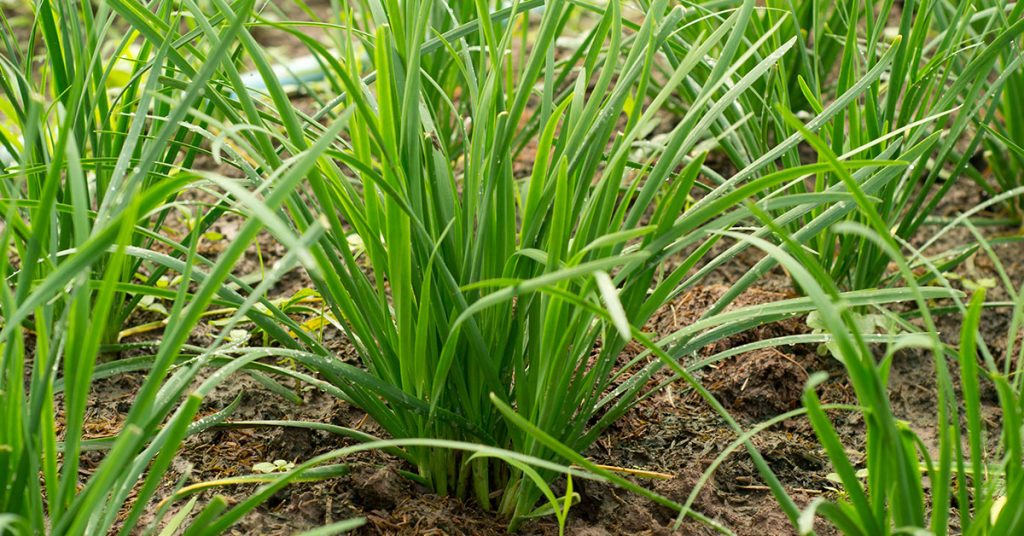
Chives (Allium schoenoprasum) are native to Europe, Asia, and North America, and they’re not invasive in planters—though outside they can form clumps over time. Their hollow, scallion-like leaves add a mild onion flavor to dishes, and indoor growers love their elegant violet blossoms in late season.
Indoors, chives thrive in bright spots and moist soil, though they resent soggy conditions. I always get a little thrill when those purple flowers pop—they remind me of bees fluttering among backyard blooms! Snip often to encourage fresh growth, and you’ll have a steady supply for potato soups and scrambled eggs.
Cilantro
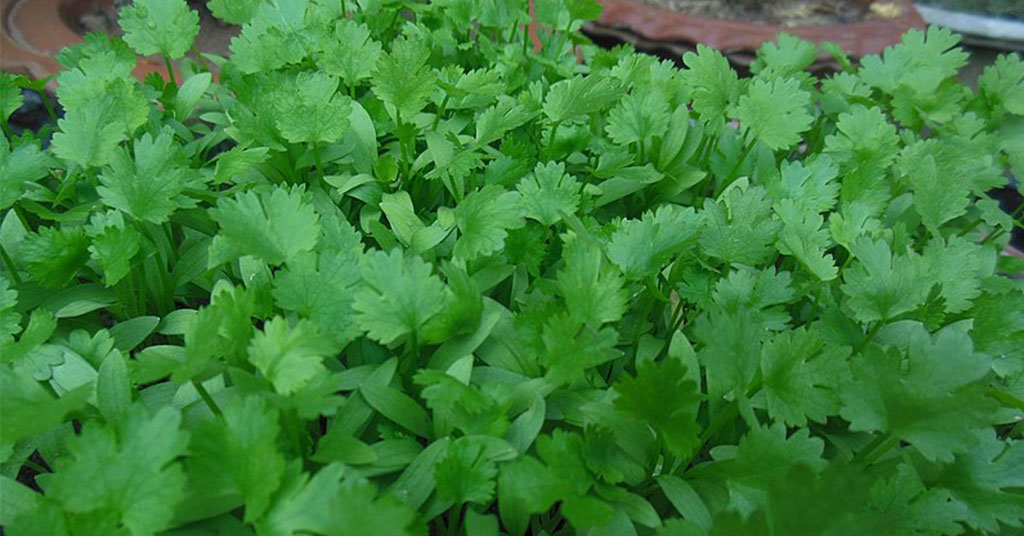
Cilantro (Coriandrum sativum) is native to regions spanning southern Europe to western Asia and India. It prefers cooler temps (60°F–75°F) and bright, indirect light—ideal for an autumn windowsill. While cilantro can self-sow outdoors, potted cilantro stays neatly contained.
I know how frustrating it is when cilantro bolts too quickly outdoors! Indoors, consistent temperatures and regular harvesting slow bolting, letting you enjoy that citrusy, tangy flavor for longer. And though it doesn’t host nests inside, its tiny white flowers outside do attract hoverflies—great partners in natural pest control!
Lemon Balm
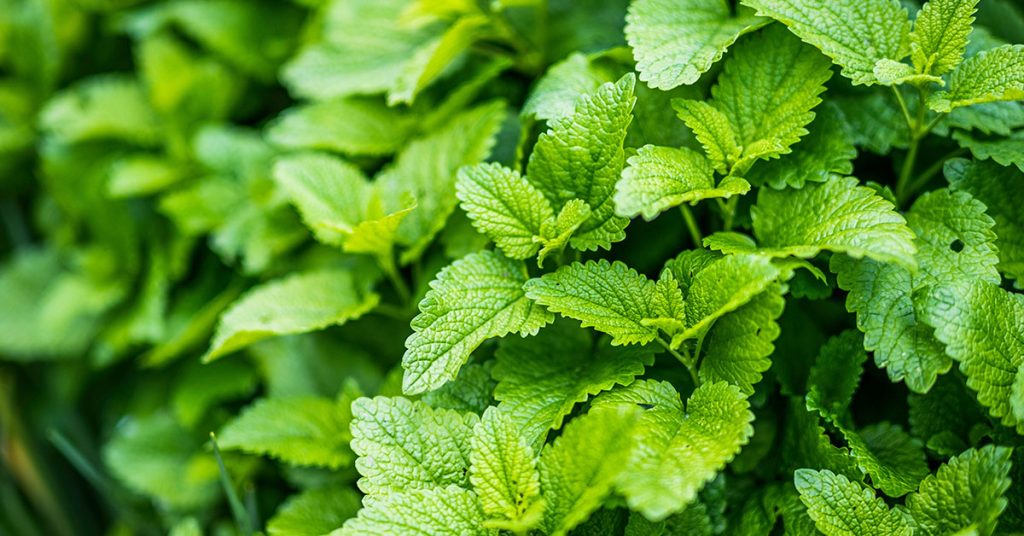
Lemon balm (Melissa officinalis) hails from southern Europe, beloved for its lemon-scented leaves. Outdoors it can spread via runners, but in a pot indoors it remains well-behaved. It thrives in bright light and evenly moist soil, releasing a soothing fragrance whenever you brush past it.
This mint family member attracts pollinators outside—particularly bees that sip its small white flowers—though indoors you’ll mainly enjoy its calming aroma. I often steep fresh leaves for tea on chilly evenings; it’s like wrapping yourself in a lemony hug!
Basil
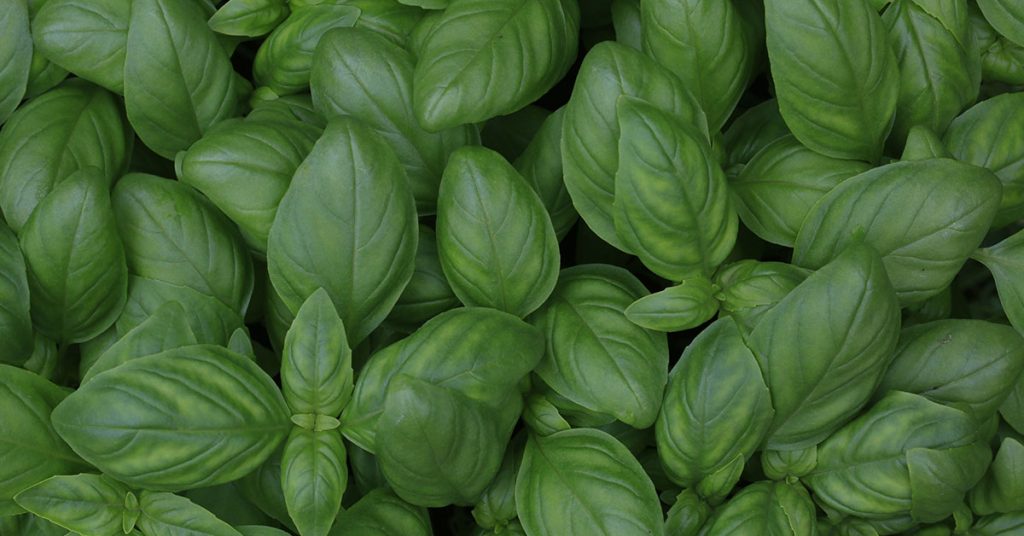
Basil (Ocimum basilicum) is originally from tropical Asia and Africa, where it’s revered in cuisines worldwide. It loves warmth, bright light, and humidity—so a sunny kitchen is its happy place. Basil isn’t invasive indoors, but outdoors it can reseed if flowers aren’t pinched off.
There’s nothing quite like tearing a leaf and breathing in that sweet, clove-like scent! Indoors, watch for tiny white flies or aphids; giving your plant a gentle rinse under the tap helps keep pests at bay. Fresh basil leaves on roasted butternut squash are one of my fall favorites!
Tarragon
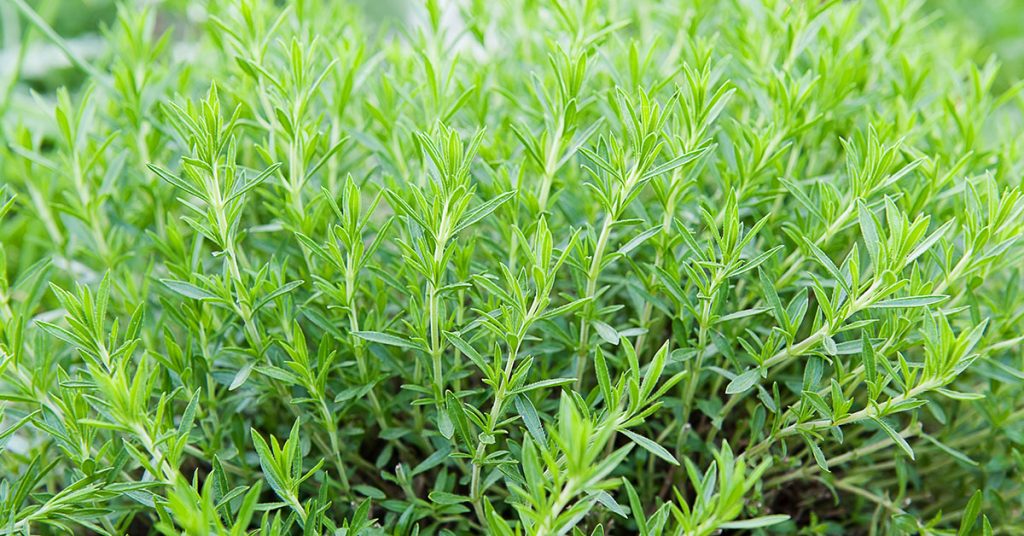
Tarragon (Artemisia dracunculus) originates from Siberia but has thrived for centuries in French cuisine. This herb prefers bright light and well-draining, slightly sandy soil. Though tame in a container, it can spread aggressively outdoors in mild climates—so pot culture is perfect for control.
Its anise-like flavor brings depth to vinaigrettes and creamy sauces. I love tossing fresh tarragon into mushroom risotto for an unexpected twist. While not a nesting plant indoors, those fine leaves create cozy microclimates for beneficial soil mites that help keep the root zone healthy!
Mint
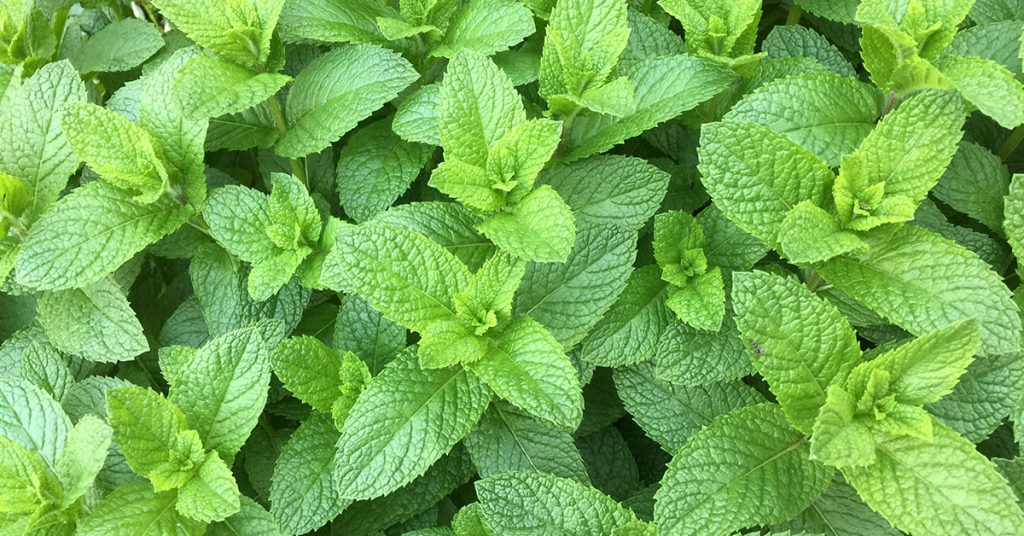
Mint (Mentha spp.) comes from the Mediterranean and Europe, and it’s famous for being invasive outdoors—sending runners everywhere! Kept in a pot inside, however, it behaves nicely. Bright, indirect light and consistently moist soil make for happy mint growth.
The scent alone perks me up on dreary fall mornings. Though you won’t get nesting pollinators indoors, transferring a sprig outside can draw bees and butterflies to your garden. And indoors, muddled mint leaves in a warm cup of apple cider are pure autumn bliss!
Parsley
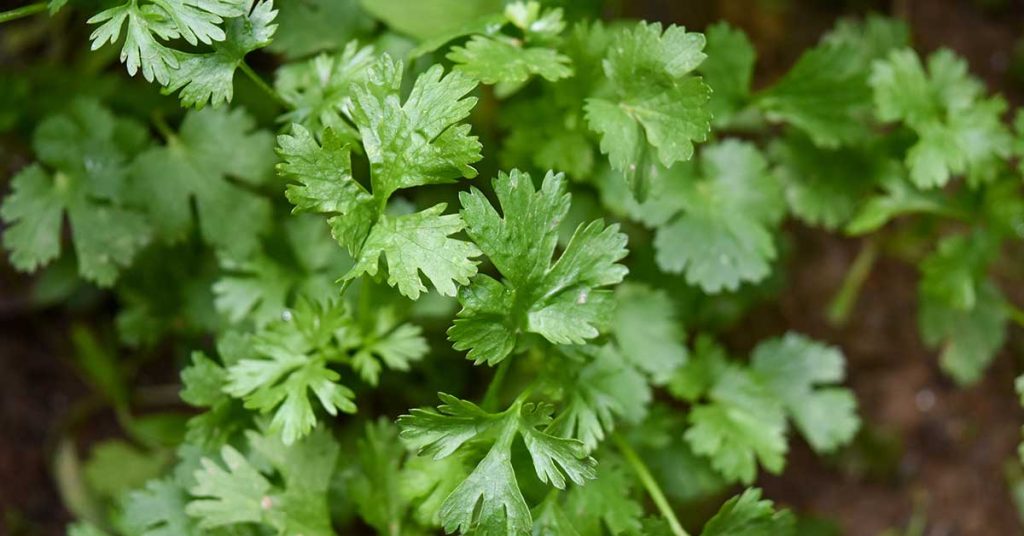
Parsley (Petroselinum crispum) is native to the central Mediterranean and prefers bright, indirect light indoors. It’s not invasive in pots but can reseed outdoors if left to flower. Flat-leaf and curly varieties both offer fresh, clean flavor, and I adore snipping it for garnish on soups and roasted veggies.
Though parsley’s tiny flowers attract hoverflies and parasitic wasps in the garden, indoors you’ll mainly benefit from its vitamin-packed leaves. I know how discouraging it is when outdoor parsley turns bitter in fall chill; keeping it inside under steady temps preserves its sweet green taste!
Oregano

Oregano (Origanum vulgare) grows wild across Europe and the Mediterranean, where it sprawls over rocky slopes. In pots, it stays tidy, requiring bright light and a slightly dry soil regime. Too much water can dull its flavor, so let the topsoil dry between waterings.
That pungent, peppery aroma transports me to bustling Italian markets! Outdoors oregano flowers draw bees and small pollinators, but indoors you’ll relish fresh leaves in marinades and roast chicken rubs. A little sprinkle goes a long way to warm up hearty fall dishes.
Thyme
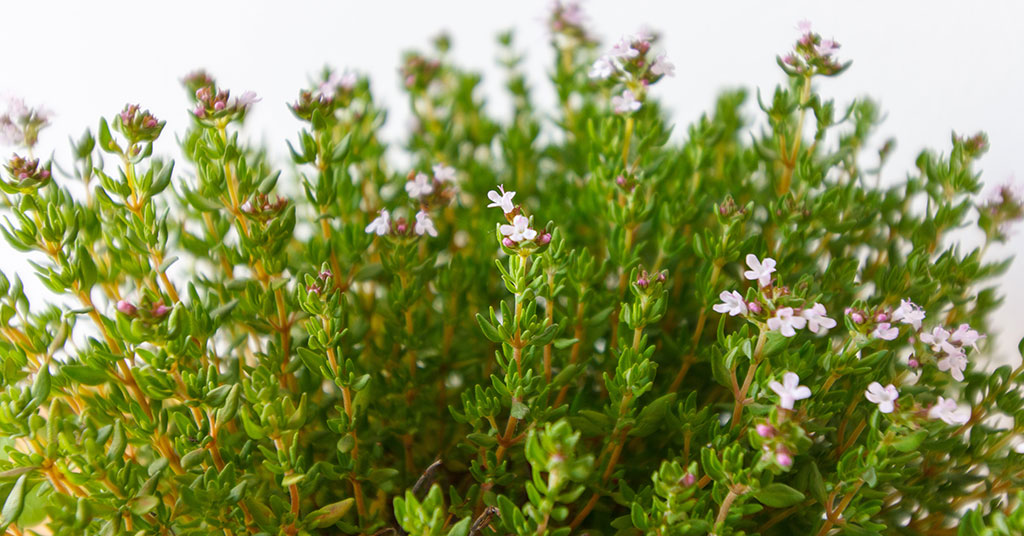
Thyme (Thymus vulgaris) is native to southern Europe and North Africa, thriving on sunny hillsides. It’s perfectly suited to indoor containers, where bright light and minimal water mimic its native conditions. Thyme isn’t invasive in pots, though in Mediterranean climates it can form dense mats in garden beds.
I’m always excited when thyme releases its earthy, minty scent as I brush past—it’s like autumn perfume! Outdoors its tiny flowers are magnets for bees, but indoors you’ll find it indispensable for seasoning roasted root vegetables and fall stews.