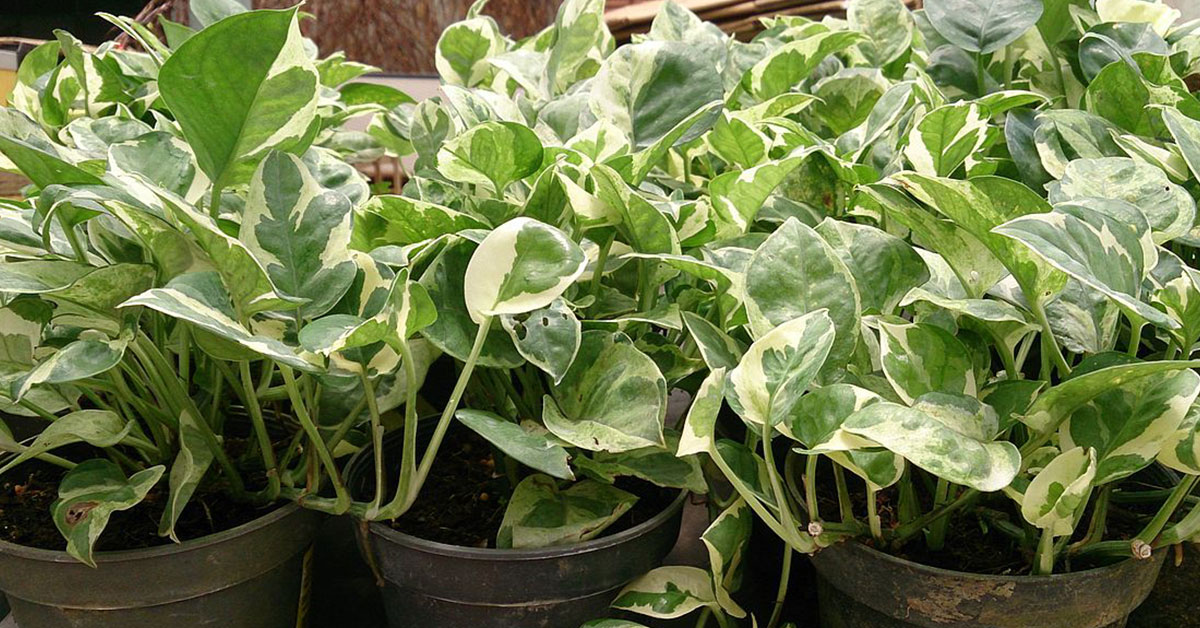

It’s late summer, and your pothos—native to the tropical rainforests of the Solomon Islands—still has plenty of growing left in it! While daylight hours begin to shorten, a few targeted tweaks to your care routine can coax inches of new, vibrant foliage. I know it’s such a bummer when your once-lush vine starts stretching out in lanky tendrils; trust me, I’ve spent many afternoons pinching back those floppy stems and wondering if I’d ever coax them into a full, cascading display.
But don’t fret—these nine steps, perfect for August’s warm days and nights, will help you transform straggly vines into a thick, bushy beauty. From giving roots room to breathe to strategic pruning that sparks branching, each tip plays a part in building the lush pothos jungle you’ve been dreaming of. Let’s dive in and get those heart-shaped leaves popping in every direction!
Monitor Temperature and Humidity

Pothos flourish in stable warmth between 65°F and 85°F (18°C–29°C). In many homes, August’s air conditioning can lower humidity, causing leaf tips to brown and new shoots to stall. Elevating humidity with a pebble tray or a small humidifier near your plant encourages those aerial roots to stay active and grab onto moisture—just like they would on a mossy tree trunk in the wild.
Avoid placing your pothos near drafty windows or vents where temperature swings can shock the foliage. I once had a sudden gust from a hallway vent leave me with droopy leaves for weeks, so keeping things even and cozy really does pay off. When your plant feels safe, it focuses energy on sprouting new branches instead of repairing stress damage!
Prune and Pinch Back Growth Tips
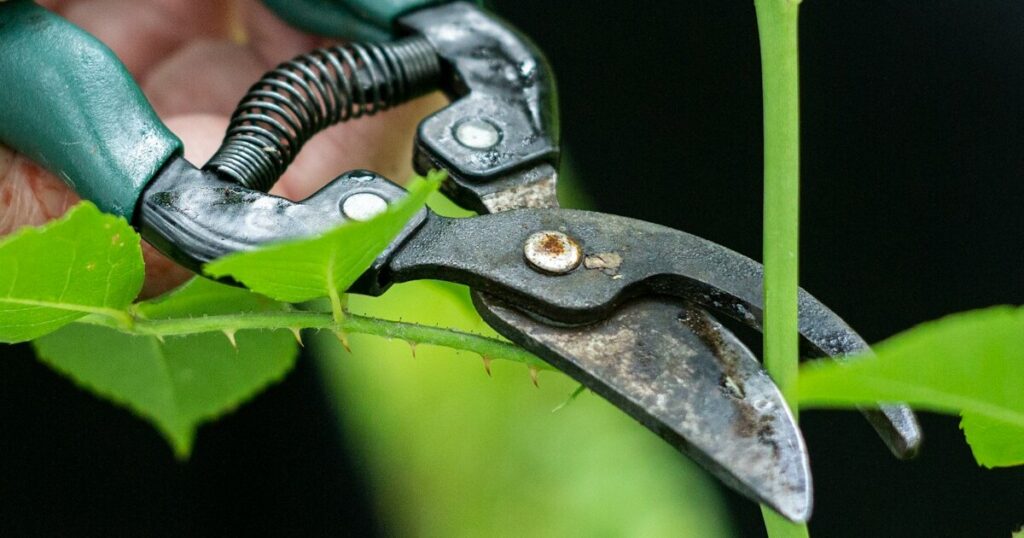
Cutting back the vine tips is one of the fastest ways to prompt your pothos into producing multiple side shoots. Snip just above a leaf node, and you’ll be rewarded with two new stems instead of one. It’s a thrill watching those little nubs swell into full leaves—like catching fireflies of growth!
Pruning also stops older, woodier vines from hoarding resources that could go into fresh growth. While pothos don’t host nesting insects indoors, those tighter clusters of leaves can create cozy microhabitats for beneficial soil critters like springtails, which help keep the roots aerated and the soil healthy.
Repot When Root-Bound
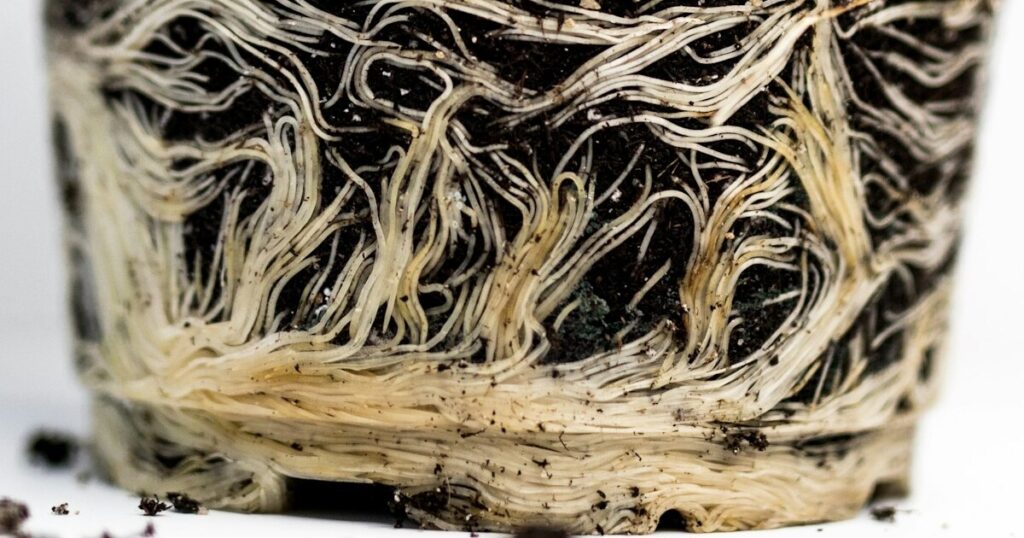
When you see roots curling along the surface of the soil or poking out of drainage holes, it’s time for a new pot. Choose a container just 1–2 inches larger in diameter to avoid excessive soil moisture. Gently tease the root ball, trim any overly gnarly sections, and nestle your pothos into fresh, airy mix—this gives roots renewed space to branch out and support fuller foliage above.
I made the mistake of waiting far too long once, and the roots had completely hollowed out the pot’s core. The sparse leaves that followed reminded me how critical timely repotting is. Doing this in August means your plant has warm days ahead to settle in and multiply its leafy branches.
Propagate Cuttings for Fuller Growth
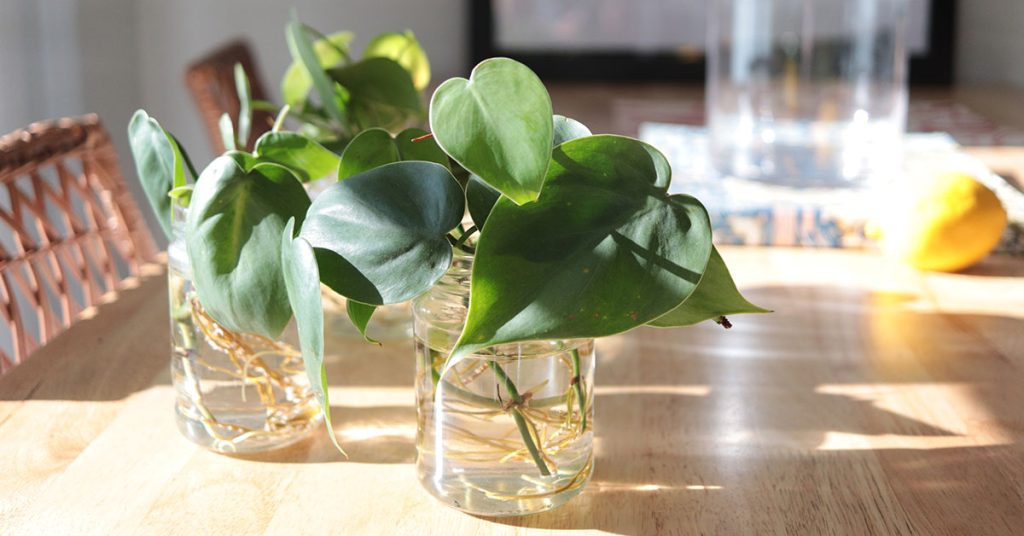
Taking stem cuttings not only creates baby plants but also encourages the main vine to refill its canopy. Make sure each cutting has at least one node and a couple of leaves, then place it in water or lightly moist mix. Within a week or two, new roots will appear, and you can tuck these offshoots among existing vines to fill gaps.
It’s such a thrill when water turns cloudy with tiny root hairs—that moment tells you everything’s on track! While pothos don’t attract nesting wildlife inside, those new cuttings give you the chance to share greenery with friends—or to build out a denser display around your original plant.
Use the Right Potting Mix

A chunky blend of peat moss, perlite, and orchid bark replicates the epiphytic soil your pothos climbs on in forest canopies. Heavy potting soil can hold too much water, suffocating roots and preventing vigorous branching. By mixing in components that drain quickly and allow air pockets, you encourage roots to explore every nook, anchoring the plant and powering up top growth.
When I first switched to a lighter medium mid-summer, my pothos responded with a sudden burst of new leaves—honestly, it felt like magic! This airy environment mirrors their native habitat, giving them the confidence to send out more stems and fill out the pot.
Provide Support Structures
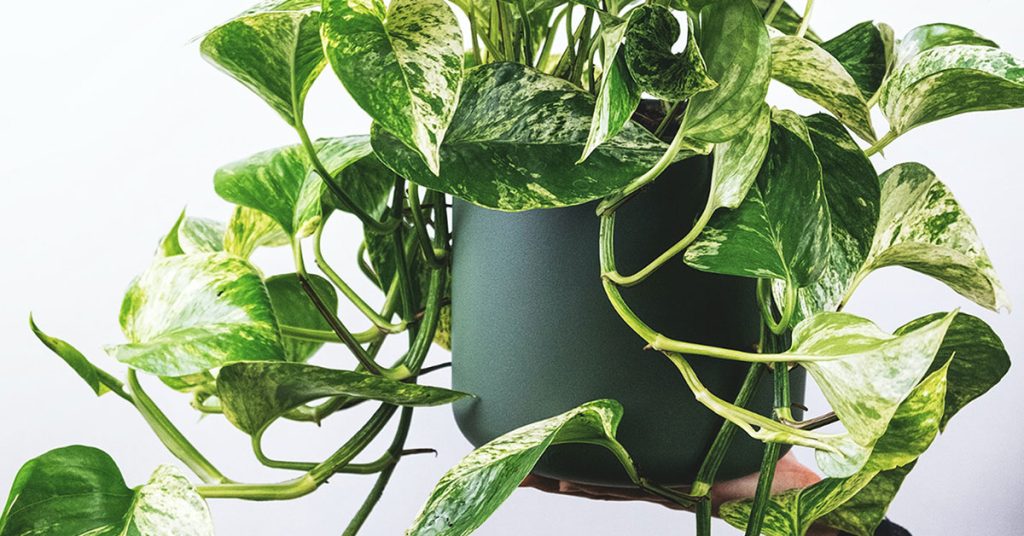
Although pothos naturally trail, giving vines a moss pole, trellis, or driftwood encourages vertical growth and thicker foliage. As aerial roots adhere, the plant redirects energy into producing leaves along the support rather than letting stems flop. I had one vine that wound around a simple bamboo stake and transformed from a floppy hanger into a structured cascade in weeks!
Supporting your pothos mimics the tree trunks it would climb in the wild, reinforcing its natural growth habit. A gentle mist on the support can remind aerial roots to grip tighter, ensuring each vine adds fullness to the overall display.
Feed with Balanced Fertilizer

During active growth, a half-strength dose of water-soluble fertilizer (for example, 10-10-10) every 4–6 weeks gives your pothos the nutrients it needs for robust branching. Too much fertilizer can burn tender roots, so err on the side of milder, consistent feedings rather than a single heavy dose.
Seeing that vibrant, almost neon green new leaf after feeding is one of my favorite sights—it’s like your plant is saying, “More, please!” And while pothos aren’t invasive indoors, remember they can become aggressive outdoors in tropical climates. Always discard old soil and clippings responsibly.
Check for Pests Regularly

Even though pothos are generally hardy, mealybugs, spider mites, and scale can sneak in, especially when humidity dips. Inspect leaves—especially undersides—and stems weekly. At the first sign of cottony clusters or fine webbing, isolate the plant and treat with a gentle soap or neem oil spray. Early action spares you a headache later and keeps growth energy focused on new leaves.
It’s heartbreaking to see a plant under siege, I know! But by catching pests quickly, you protect those precious growth points. Healthy vines branch more freely, so a pest-free environment is key to that lush, bushy look.
Adjust Your Watering Schedule

In August’s warmth, a soak-and-dry routine prevents both drought stress and root rot. Water thoroughly until you see drainage, then allow the top inch of soil to dry out before watering again. This cycle encourages roots to spread in search of moisture, establishing a strong network that supports abundant foliage.
I’ve been guilty of overwatering in the past—and watched yellow leaves appear overnight—so testing soil moisture first is a game changer. In drier air, you might find yourself watering a touch more often, but always let the soil guide you rather than a rigid schedule.