
Late summer often feels like a gardening crossroads: days are still warm, but plants begin shifting energy from leafy growth toward root development and sometimes even preparing for fall blooms. With soil nutrients often depleted from vigorous spring and early-summer growth, this phase is crucial for replenishing what’s been lost. By adopting targeted fertilizing techniques now, you’ll support healthy root systems, bolster disease resistance, and set the stage for a vibrant autumn display or a strong next-season start.
I know it can be a bummer to see wilting leaves or yellowing foliage just as you thought the hardest gardening was behind you. But with a few simple tweaks—like choosing the right nutrient balance and timing applications precisely—you’ll watch your beds perk up and new shoots appear with renewed vigor. Let’s dive into eight practices that I’ve found essential for a thriving late-summer garden!
Test Your Soil Before Adding Amendments

Before tossing any fertilizer into your beds, take a moment to test your soil’s nutrient profile. A basic pH and N-P-K (nitrogen-phosphorus-potassium) test—available through garden centers or local extension services—reveals exactly which nutrients are low and in what proportions. I’ve saved entire tomato crops from blossom end rot simply by discovering a hidden calcium deficiency!
Knowing your soil’s baseline prevents over-application, which can burn roots or leach into waterways. Plus, it helps you tailor amendments for specific beds: a rose bed heavy with phosphorus-loving blossoms won’t need the same boost as a lettuce patch craving extra nitrogen. This precision ensures healthier plants and happier pollinators—after all, lush blooms attract bees and butterflies, while balanced soil keeps nesting beneficials thriving nearby!
Side-Dress with Compost

Compost is one of my favorite “fertilizers” because it builds long-term soil health while providing a gentle nutrient release. In late summer, I side-dress vegetables and perennials by sprinkling a two-inch layer of well-rotted compost around the drip line, then gently working it into the top inch of soil. This top-up rejuvenates microbial life and improves moisture retention—vital as August heat saps garden hydration!
Using compost from mixed plant scraps, coffee grounds, and leaf mold (all non-invasive materials) also supports earthworms, whose tunneling aerates soil and creates channels for roots. Watching those wriggly allies emerge after a compost application is one of my favorite garden moments—they’re nature’s tillers, ensuring your fertilizer benefits reach every root zone.
Choose a Bloom-Boosting Fertilizer

As summer wanes, switch from high-nitrogen feeds (which favor leaf growth) to a bloom or fruit–promoting formula richer in phosphorus and potassium—something like a 5-10-10 mix. Applying this around August helps flowering plants like mums (native to East Asia) and echinacea (native to North America) set strong buds for autumn display.
I sprinkle the granular fertilizer lightly at the base of each plant, then water in thoroughly. This method feeds blossoms directly and sparks a flurry of late-season color. Plus, those extra phosphorus reserves attract beneficial hoverflies and honeybees, which flock to deep-colored blooms for their own brood provisioning.
Incorporate Green Manure Crops
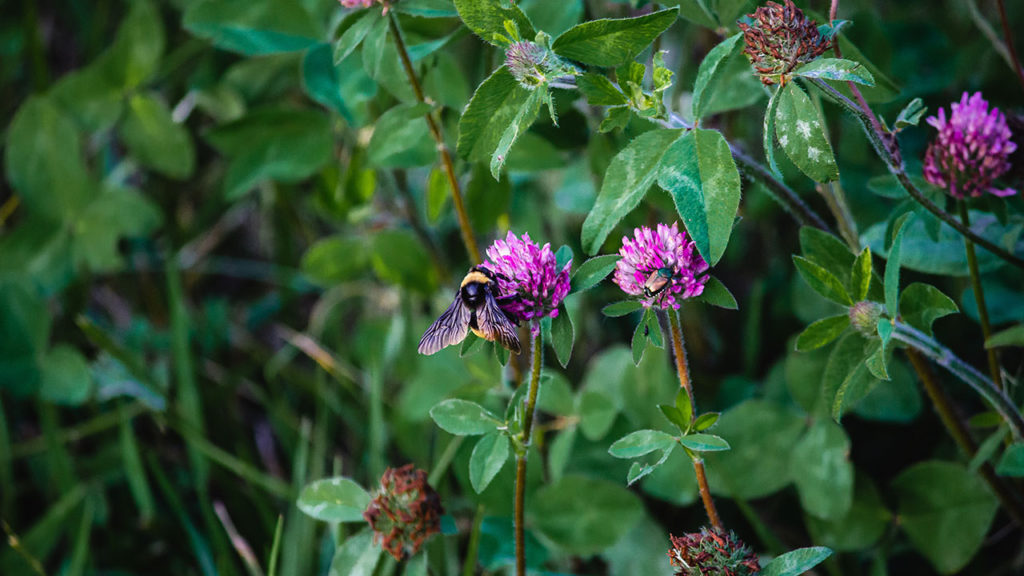
Planting a quick-cover green manure—such as crimson clover (Trifolium incarnatum) from the Mediterranean—between harvested summer crops enriches soil with nitrogen and organic matter. Sow the seeds in bare patches, let them grow for four to six weeks, and then chop them down and work the biomass into the soil.
As the clover decomposes, it releases nutrients gently, avoiding the burn risk of synthetic feeds. The dense clover blooms also draw bumblebees and solitary bees, which often nest in soil beneath the cover crop. When you cut back the clover, those nesting sites remain intact for next season’s pollinator patrols!
Apply Foliar Feeds at Dusk or Dawn
Foliar feeding with a diluted seaweed or fish emulsion spray delivers quick nutrients through leaf tissues—ideal for a late-summer pick-me-up. I mix according to package directions and mist plant foliage in the early morning or after sunset to prevent leaf scorch.
This technique provides an immediate boost of micronutrients like iron and magnesium, helping stressed plants green up almost overnight. It also benefits beneficial insects: lacewing larvae and predatory mites often patrol undersides of leaves, and a healthy plant surface supports their hunting grounds without chemical interference!
Use Slow-Release Granular Fertilizers

Slow-release granules coated in resin pellets (often labeled 14-14-14 or similar) break down gradually over 8–12 weeks, providing a steady nutrient supply through late summer and early fall. I sprinkle these around perennial beds—like daylilies (Hemerocallis spp., native to Asia) and ornamental grasses—and lightly rake them in.
This approach spares you from frequent applications and reduces nutrient runoff, ensuring food-producing plants like peppers and tomatoes keep ripening without nightly fertilizer chores. Plus, consistent nutrition supports robust flowering, which in turn attracts hoverflies and small bees that nest in adjacent mulch layers.
Water Thoroughly After Fertilizing
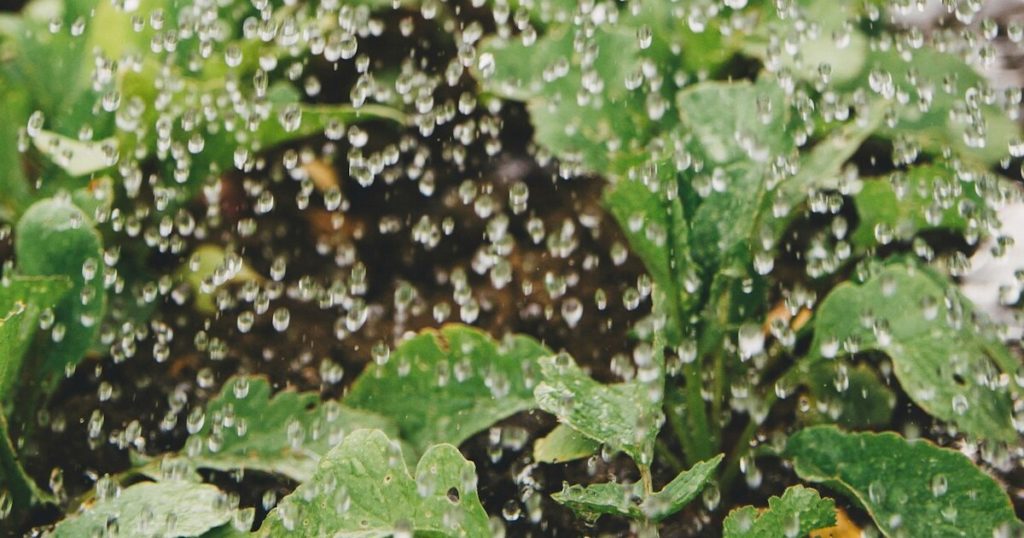
No matter which fertilizer you choose, always follow with a deep watering session. Hosing or drip irrigation should wet the soil to at least six inches, activating granules and flushing nutrients toward root zones. I find that a thorough soak also helps settle compost or mulch around the plants, reducing air pockets and improving root contact.
Deep watering benefits ground-nesting bees, too: they rely on soil moisture to maintain their brood chambers. By avoiding light surface sprinkles and opting for sustained irrigation, you nourish both plants and the tiny pollinators busy in their underground homes!
Avoid Over-Fertilizing Annuals Near Season’s End
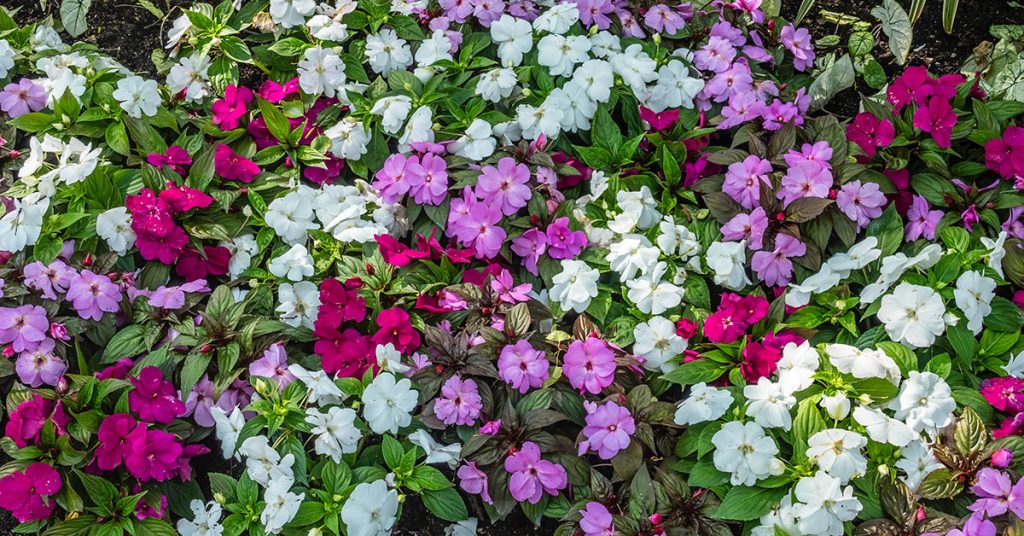
While perennials and overwintering vegetables benefit from a late-summer nutrient boost, I steer clear of heavy feeds on annuals past mid-August. Over-fertilization can prompt excessive foliage in plants like impatiens (native to East Africa), at the expense of their final blooms, and can stress shallow-rooted species.
Instead, I rely on light compost top-dressings or a single foliar spray if needed. This gentle approach keeps annuals colorful until frost without inviting root burn or encouraging late growth that won’t harden off before cold weather. It also prevents sudden nutrient leaching that could wash into streams, preserving clean water for wildlife downstream!