
As summer days begin to wane and the garden’s energy seems to ebb, annual flowers can swoop in to save the day with an encore of brilliant blooms! These colorful performers shine when perennials start to tire, offering fresh vibrancy right through August and into September. By selecting the right varieties, you’ll create a living tapestry that stands strong against heat and late-season pests, while also supporting hungry butterflies, bees, and other beneficial creatures looking for nectar and nesting sites.
I know how discouraging it can be when early-season favorites fade too soon—nothing’s worse than empty spots in your borders just when you crave color most! That’s why I’ve compiled this list of sixteen stellar annuals, each with its own origin story, non-invasive habits, and star-quality blooms. Let’s dive in and meet these garden heroes ready for their late-summer spotlight!
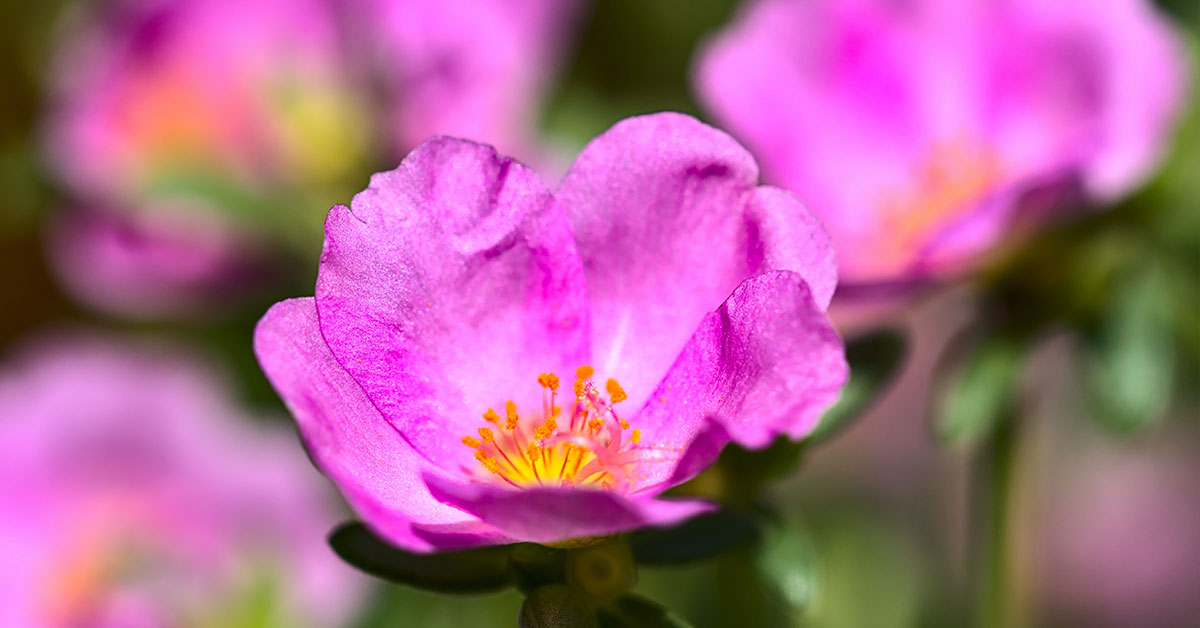
Portulaca (Portulaca grandiflora)

Originally from South America’s arid regions, portulaca—also called moss rose—thrives in blazing sun and well-drained soil. It’s non-invasive, forming low mats of succulent foliage dotted with papery flowers in hues from pastel pink to fiery orange. A light afternoon mist keeps it plump without inviting rot, perfect when August heatwaves dry everything out!
Pollinators can’t resist portulaca’s bright blooms—especially small solitary bees that nest in bare patches of soil nearby. Watching those tiny visitors burrow in between your cushions of color always feels like a mini-celebration in your garden!
Zinnia (Zinnia elegans)
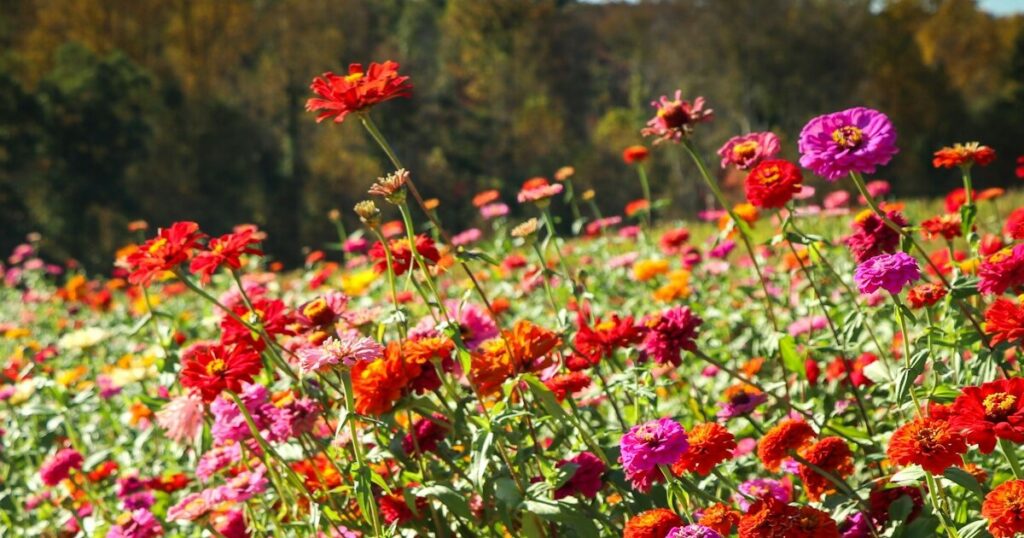
Hailing from the highlands of Mexico, zinnias are renowned for their bold, daisy-like flowers and unwavering summer performance. They’re not invasive; just deadhead spent blooms to encourage nonstop flowering. Taller varieties like ‘State Fair’ can reach three feet, so stake them gently in windy spots to keep their stems upright.
Zinnias are true pollinator magnets—hoverflies, butterflies, and honeybees flock to their nectar. I love reclining near a patch of mixed zinnia colors and watching the parade of painted ladies and swallowtails flit from bloom to bloom!
Cosmos (Cosmos bipinnatus)
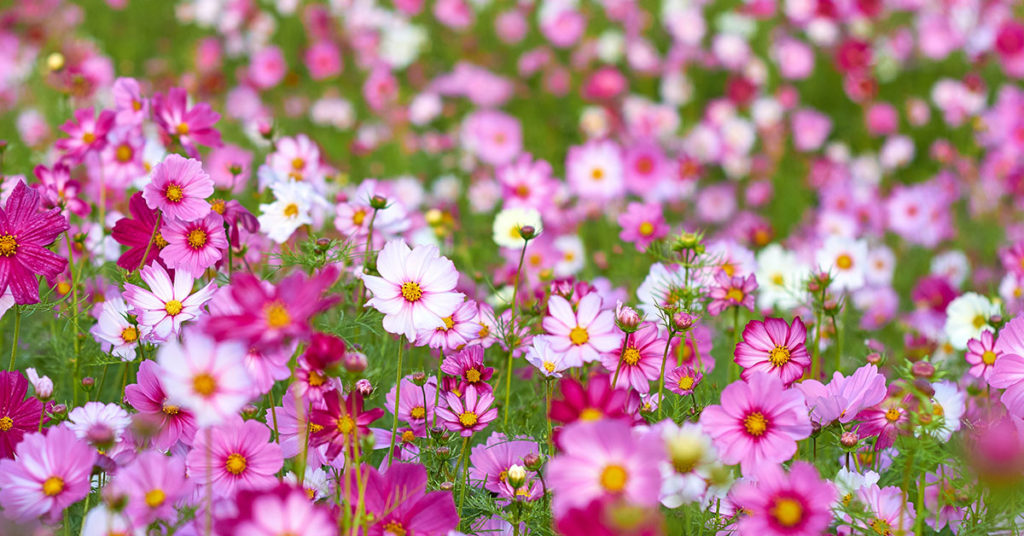
Cosmos trace back to Mexico and Central America and flourish in poor, well-drained soils—hardly invasive when conditions aren’t overly rich. Their airy foliage and daisy-like blooms sway on slender stems, adding a whimsical texture to late-season beds. A mid-summer pinch encourages branching and more flowers, extending their vibrant display well into September.
These dainty blooms provide essential stops for long-tongued butterflies, and I’ve even spotted ruby-throated hummingbirds sipping nectar from crimson varieties. Ground-nesting bees also carve tiny burrows at the plant’s base, thrilled by the open soil around cosmos clusters!
Marigold (Tagetes erecta)
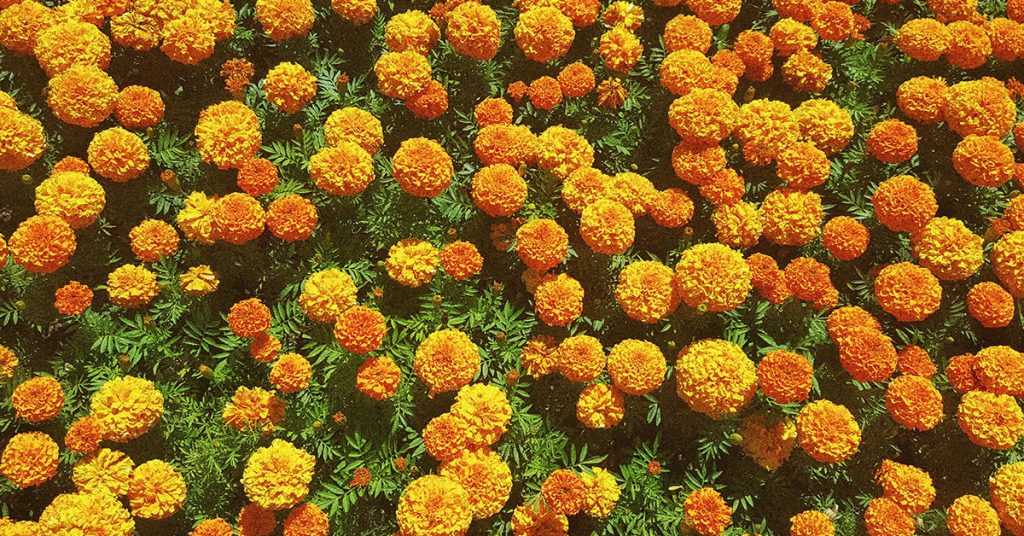
From Mexico and Central America comes the classic African marigold, a stalwart of summer color. Although marigolds self-seed if you let spent heads dry, they’re not aggressively invasive—and volunteers are easy to pull or transplant. Their bright yellow and orange pom-poms invigorate beds and containers alike!
Marigolds emit natural compounds that deter nematodes and some beetles, but they also attract beneficial hoverflies and ladybugs. I often find clusters of ladybird beetles on marigold petals, patrolling for aphids more diligently than any pesticide spray could!
Petunia (Petunia hybrida)
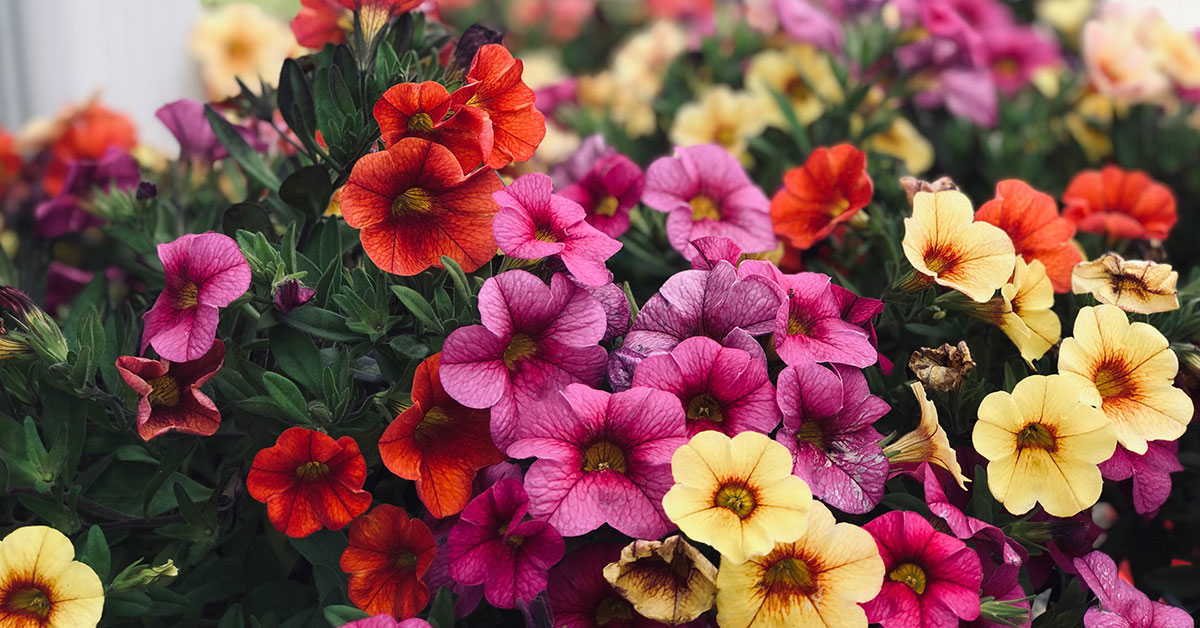
Petunias trace their lineage to South America’s temperate regions, where they form sprawling mats of blossoms. They’re contained neatly in containers or beds and rarely escape their plot—deadheading and light feeding keep them in top form. Their trumpet-shaped flowers open wide for pollinators throughout the day.
Hummingbirds are especially fond of petunia’s tubular blooms, and small bumblebees often nest in dense groundcover nearby. It’s such a delight to step outside and see that fluttering ruby flash as a hummers zips in for a sweet sip!
Celosia (Celosia cristata)

Native to tropical Africa, celosia—also known as cockscomb—forms striking crested blooms in saturated reds and golds. This annual doesn’t spread beyond its clump, making it a drama-queen without the runaway tendencies. Removing spent heads prolongs flowering, rewarding you with weeks of sculptural color!
Celosia’s dense flower masses attract predatory wasps and hoverflies, whose larvae feast on common garden pests. Spotting those hoverfly larvae on undersides of leaves gives me such satisfaction—nature’s pest controllers at work!
Scarlet Sage (Salvia splendens)
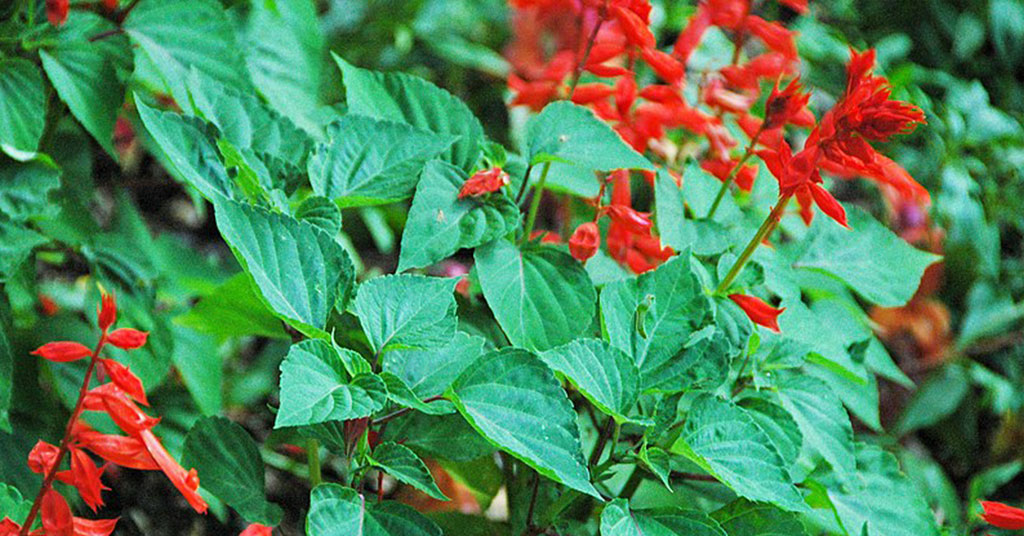
Salvia splendens comes from Brazil and remains well-behaved in garden beds, forming upright spikes of red flowers. These spires bloom abundantly in late summer, offering vertical interest amid mounded annuals. Cut back faded stems to encourage a second wave of blooms!
Bees and hummingbirds adore scarlet sage, and solitary bees often excavate nests in nearby sandy soil. Their steady hum around those bright tubes is one of my favorite summer garden sounds.
Impatiens (Impatiens walleriana)
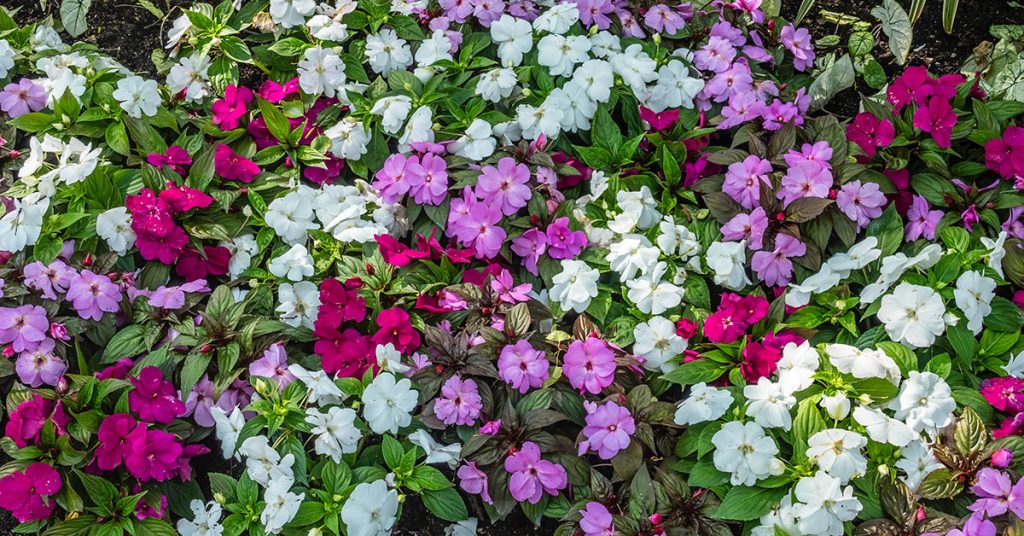
Impatiens hail from East Africa and thrive in shade where many annuals fear to tread. They’re tidy, non-invasive, and densely branched, with flowers in reds, pinks, and whites that brighten shadowy corners. Keep soil evenly moist for best performance during August’s heat spells.
Though impatiens aren’t major bee magnets, they do attract butterflies and small hoverflies. Plus, the moist soil they prefer can harbor ground beetles that patrol for slug eggs—a hidden benefit!
Strawflower (Xerochrysum bracteatum)

Also known as everlasting flower, strawflower originates from Australia’s grasslands. Its papery, daisy-like blooms in shades of red and orange persist on stems even after cutting, perfect for dried arrangements. It’s non-invasive, forming erect clumps without self-sowing excessively.
Hoverflies and tiny sweat bees forage avidly on strawflower’s nectar-rich centers. I love cropping a bouquet and instantly seeing those blooms enliven a windowsill—like bringing a bit of sunshine indoors!
Snapdragon (Antirrhinum majus)
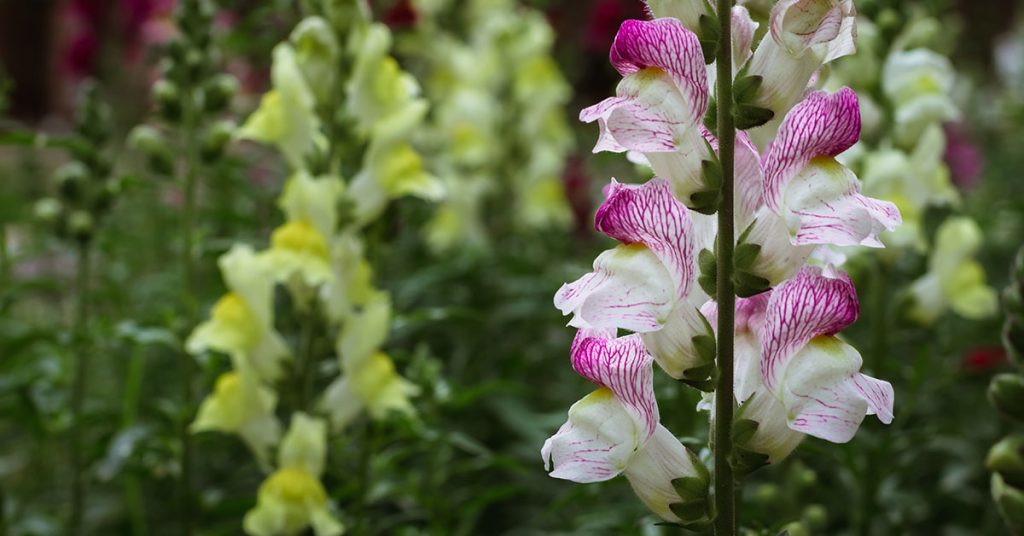
Native to rocky regions of Spain and Italy, snapdragons form vertical wands of red, pink, and yellow blooms. Though they prefer cooler spring and fall temperatures, late-season sowings can yield August flowers in many climates. They’re well-behaved reseeders if you allow a few seedpods to mature.
Bees pound on the “dragon’s mouth” to pry it open, pollinating as they go. Small bumblebee queens often nest in sheltered spots nearby, emerging to visit those first autumn blooms!
Vinca (Catharanthus roseus)
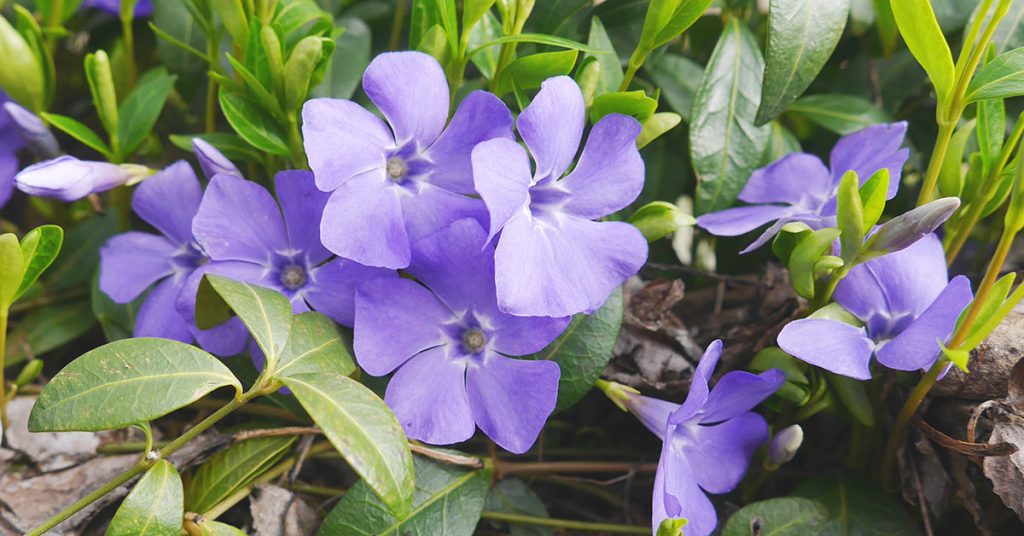
Originally from Madagascar, vinca (periwinkle) thrives in hot, humid conditions without becoming invasive. Its glossy leaves and five-petaled flowers in reds and pinks carpet the ground, suppressing weeds and holding color late into the season. Water sparingly to avoid root rot and encourage continuous bloom.
Butterflies and long-tongued bees sip nectar from vinca’s open blooms, while ground-nesting miners use the bare soil around dense mats for nesting. Their bustling presence feels like a little festival at ground level!
Nasturtium (Tropaeolum majus)

Nasturtium comes from the Andes of South America and brings edible blooms and peppery leaves to the garden. It’s a light self-seeder but rarely becomes a nuisance; I simply harvest extra seed pods for next year. Their trailing or climbing habit adds cheerful color over walls and containers.
Their saucer-like flowers attract hoverflies, whose larvae tackle aphids on nearby veggies. Plus, honeybees visit for pollen—seeing those cheerful yellow and orange petals studded with bees always brings a grin!
Balsam (Impatiens balsamina)

Also named touch-me-not, balsam is native to India and Myanmar. Its clustered, spurred flowers range from white to deep red, offering a late flush of blooms in partial shade. Seeds pop out when pods dry—just collect the burst pods to control volunteers.
Ladybugs and lacewings often lay eggs among balsam’s thick foliage, reducing the need for chemical pest control. I find diced leaf litter under balsam clumps littered with tiny ladybug larvae—nature cleaning up for me!
Globe Amaranth (Gomphrena globosa)

Originating in Central America, globe amaranth forms round, magenta to crimson flower heads that last for weeks. It’s non-invasive and drought-tolerant, flourishing in heat and poor soils. Pinching spent heads won’t speed rebloom but does keep plants neat as they strut into fall.
Bees and butterflies seek out these nectar pockets, and small solitary bees nest in open ground around the clumps. Their activity among the round blooms makes me feel like I’ve invited little garden fairies to the party!
Cigar Plant (Cuphea ignea)
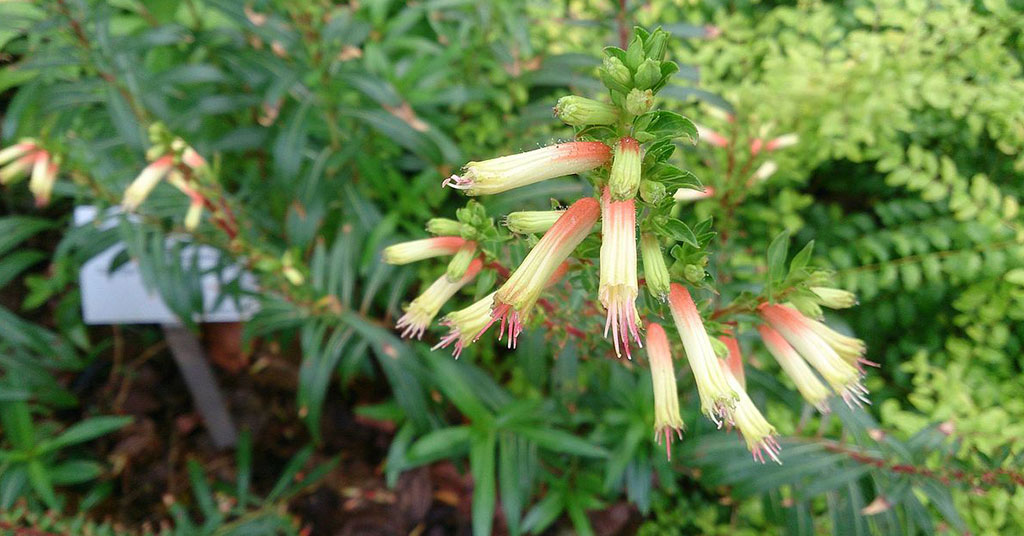
Native to Mexico and Cuba, the cigar plant sports tubular red-and-orange flowers resembling tiny cigars. It’s non-invasive, staying within its defined border or container. Those heat-loving blooms open all day, providing a continuous nectar source through August.
Hummingbirds adore Cuphea’s shape, hovering midair as they sip deeply. I’ve even seen small hummingbird nests tucked into nearby shrubs, perfectly sited for quick access to these nectar dispensers!
Dianthus (Dianthus chinensis)
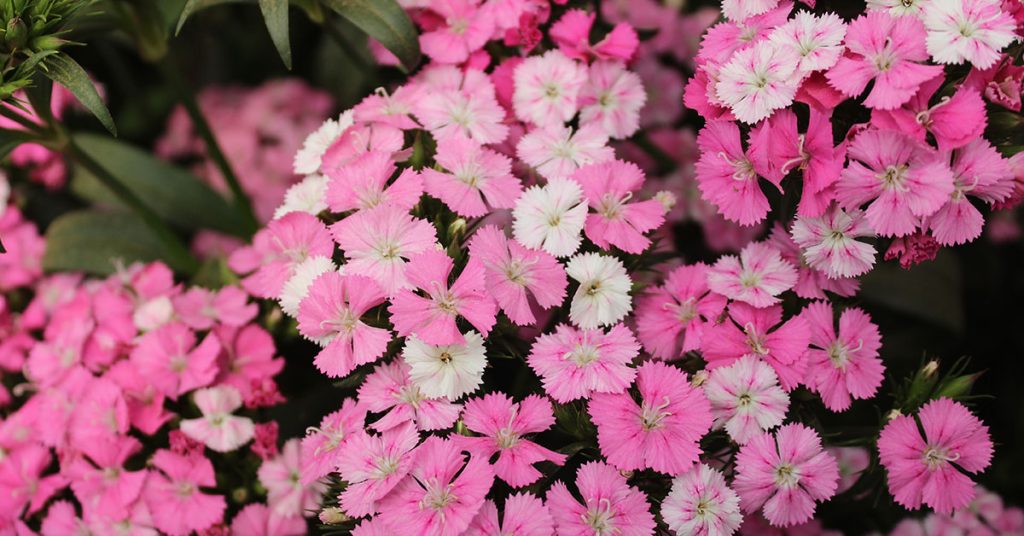
Known as China pink, dianthus comes from Eurasian meadows and features frilled blooms in crimson and magenta. It forms low mounds and seldom self-seeds aggressively. A light trim after blossoming coax new flowers, extending its season right through late summer.
These fragrant petals entice hoverflies and small butterflies, and bumblebees sometimes nest in rock crevices or soil pockets beneath dianthus clumps. Their gentle buzz complements the sweet scent—truly sensory gardening at its best!