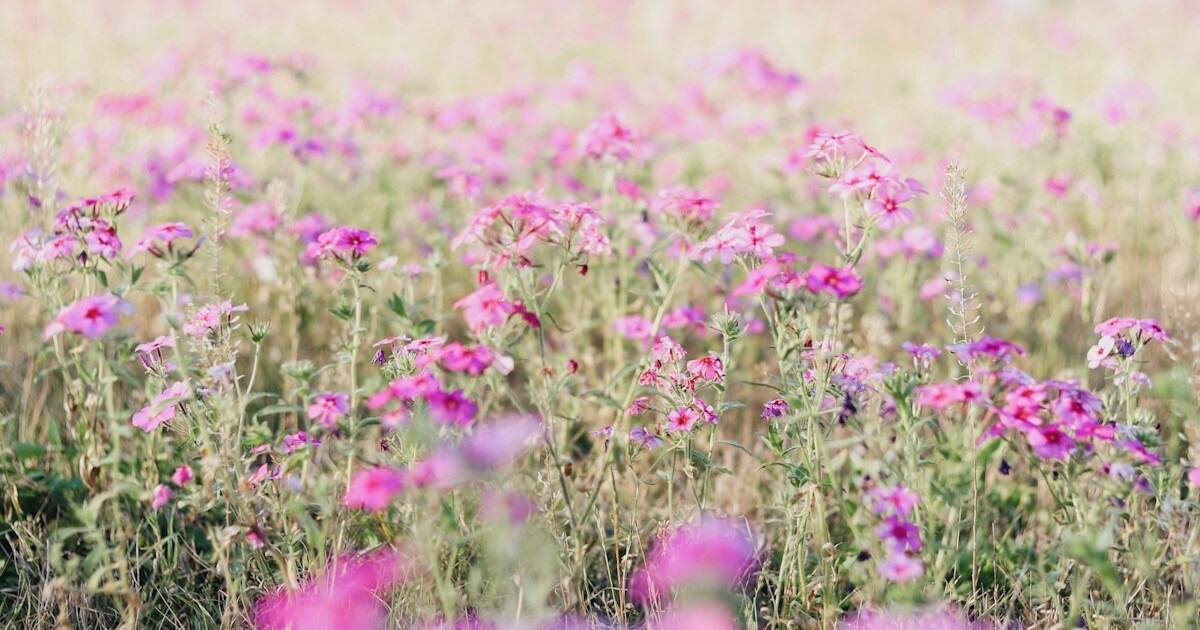

I’m so excited to share these twelve strategies to keep your garden bursting with blossoms even as summer winds down! August can be a challenging month—scorching days, sporadic storms, and plants that think it’s time to rest. But with a few targeted actions, you can coax another wave of color from your borders and containers before autumn truly arrives.
I know how disheartening it feels to watch those once-vibrant blooms fade, leaving bare stems and wilting foliage in their wake. That’s exactly why I’ve refined these tips over years of late-season gardening trials and triumphs. From fine-tuning your soil’s nutrients to inviting nesting pollinators, each practice works in concert to extend your flowering show and support a healthy ecosystem. Let’s dive in and make your August garden shine!
Succession Planting of Late-Bloomers
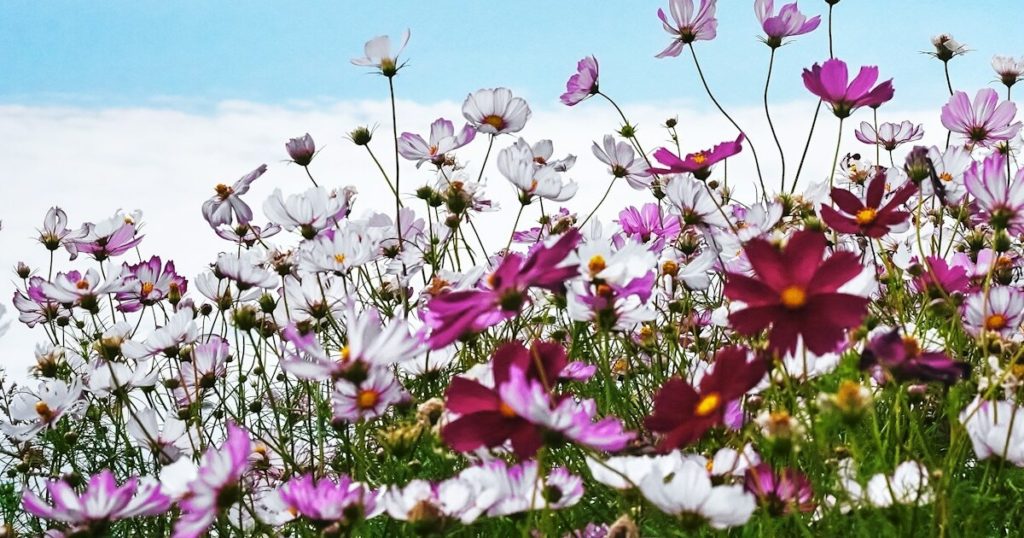
Sowing quick-maturing annuals like calendula (native to the Mediterranean), cosmos (from Mexico), or zinnias (hailing from the Mexican high plains) in early August sets you up for fresh blooms in September and October. These non-invasive self-seeders reward you with bright color, and allowing a few seedheads to mature gives you volunteers next year, too.
Introducing new bloomers alongside fading perennials creates a continuous tapestry of color. Butterflies and native bumblebees flit between summer’s last roses and fall’s first calendulas, bridging the bloom gap seamlessly and ensuring pollinators always have nectar!
Deadhead Spent Blooms
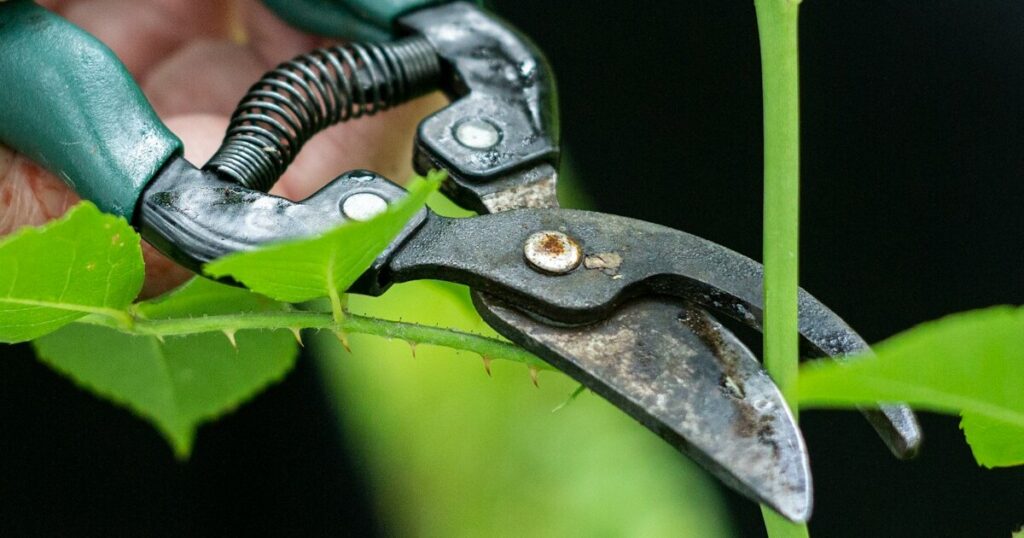
Regularly removing faded flowers—whether on petunias, dahlias, or rudbeckias—signals to the plant that it’s not yet time to set seed. Snipping flower heads just below the spent bloom encourages energy to shift into producing new buds rather than seed pods. One of my favorite garden rituals, deadheading often yields an immediate flush of fresh blossoms!
This practice also improves air circulation around foliage, reducing the risk of powdery mildew and other fungal diseases. Plus, freshly cleared soil patches invite solitary bees to nest nearby, taking advantage of open ground to provision their brood.
Pinch Back Leggy Stems
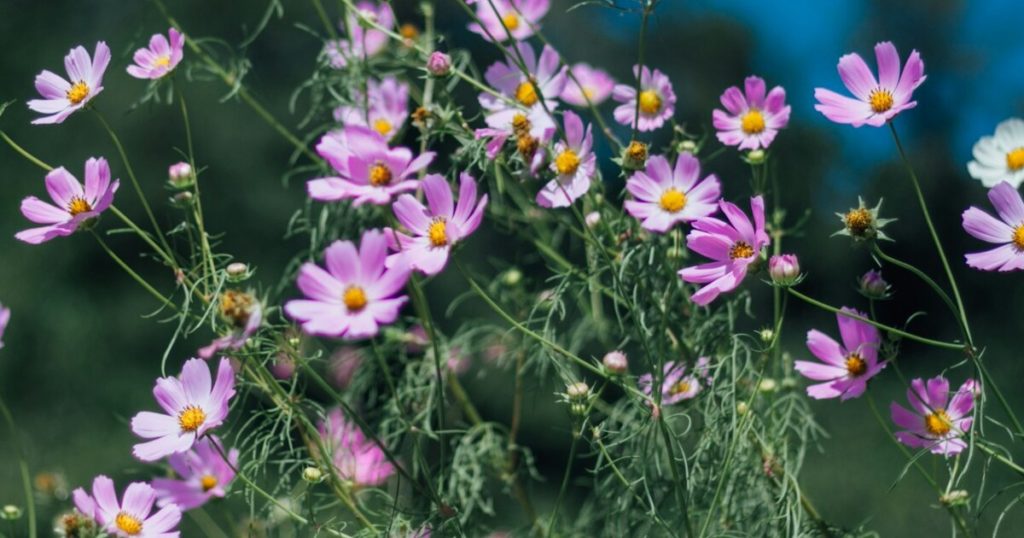
When you pinch out the tips of tall, lanky plants like salvia or cosmos, you promote branching and a bushier form. Remove the top inch of each stem just above a leaf node, and watch your plants fill out beautifully. I’ve found that pinching nobly reinvigorates them, leading to denser foliage and more blooms!
A fuller plant also creates additional landing pads for pollinators. Late-summer bumblebees often nest in grassy clumps close by, and a denser form means they don’t have to travel far between nectar sources.
Feed with a Phosphorus-Rich Fertilizer

By mid-August, many beds have depleted their spring nutrient reserves. A bloom-boosting fertilizer with higher phosphorus (P) encourages bud formation over leafy growth. I opt for an organic 5-10-5 mix every three to four weeks—just enough to perk up asters and dahlias without overwhelming roots!
Enhanced flowering draws more pollinators. Honeybees and hoverflies flock to nutrient-rich blooms, and miner bees tunnel in the soil near fertilized borders. It’s like ringing a dinner bell for your favorite garden visitors!
Mulch to Conserve Moisture

Applying a two-inch layer of straw, shredded leaves, or pine needles stabilizes soil temperatures and retains precious moisture during August heatwaves. Because mulch doesn’t harbor invasive species, you can spread it generously without fear of smothering.
That insulating layer also shelters ground beetles and rove beetles, which overwinter under the cover and emerge on warm fall days to hunt slugs and caterpillars, naturally protecting your blooms.
Improve Soil with Compost Top-Dressings

A light top-dress of well-rotted compost—rich in beneficial microbes and balanced nutrients—recharges tired soil. I scatter an inch of compost around the drip line of late-blooming perennials, then gently work it in.
Those microbes bolster root health and disease resistance, leading to stronger stems and more abundant buds. Plus, flourishing roots mean vigorous plants that can support the extra weight of late flowers!
Provide Afternoon Shade on the Hottest Days

Even sun-loving plants can wilt under relentless August sun. Erect a temporary shade cloth or use an umbrella to give tender blooms—such as impatiens—a few respite hours. This prevents midday scorch and helps flowers hold their shape longer.
Shaded areas often become preferred routes for pollinators escaping the heat. Butterflies and small native bees rest on cooler foliage before returning to feed as temperatures drop, giving them a much-needed break!
Water Deeply, Then Let Soil Dry
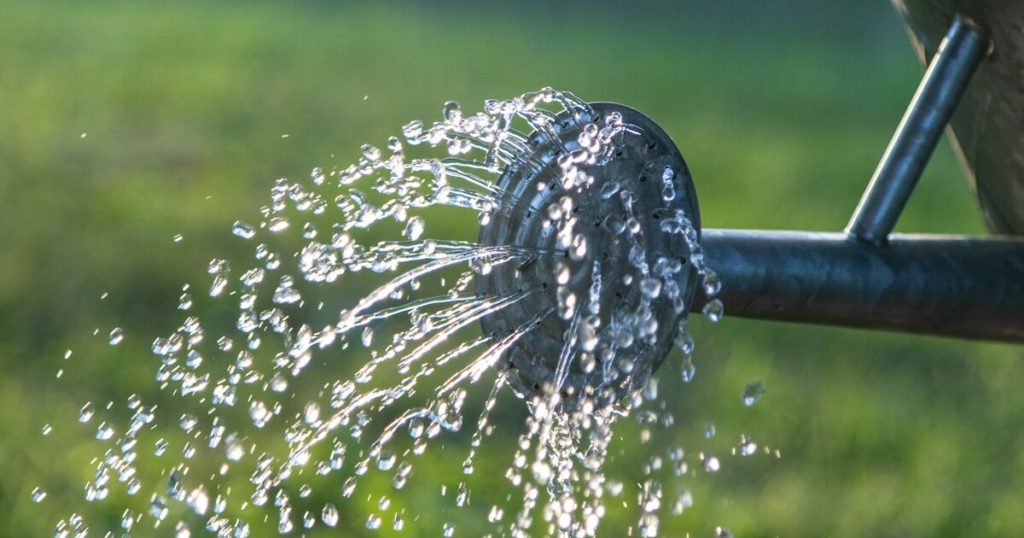
Instead of daily light sprinklings, water beds thoroughly once or twice a week so moisture penetrates six inches deep. Then allow the topsoil to dry slightly before the next soak, encouraging roots to reach deeper in search of water and promoting stronger plants.
Dry surface soil also provides prime real estate for ground-nesting bees and wasps. These beneficial insects appreciate firm, undisturbed soil between waterings for digging brood tunnels.
Install Reflective Mulches or Light-Colored Stones
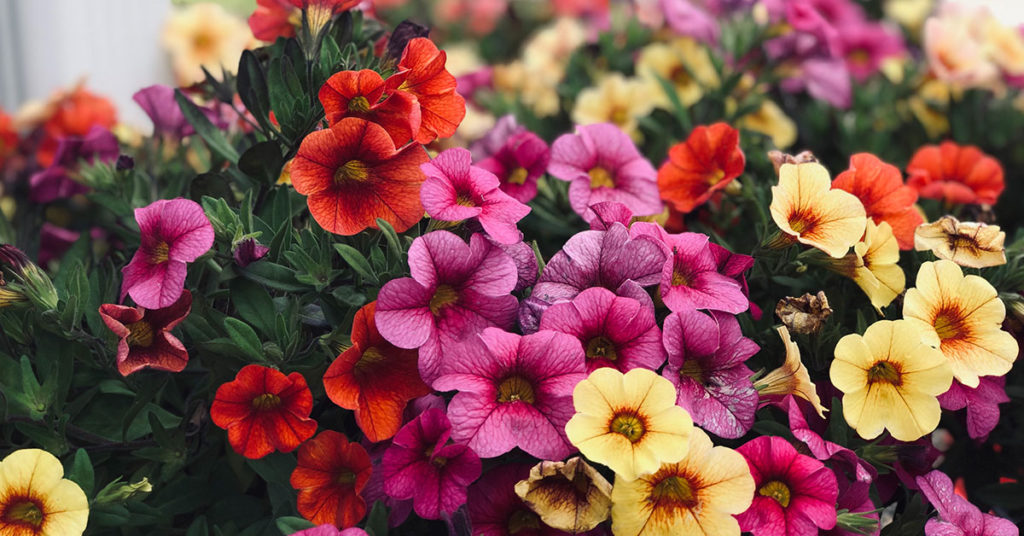
Laying white gravel or reflective plastic beneath low-growing flowers like petunias or marigolds bounces extra sunlight onto lower buds, helping them open more fully. I experimented with this around my sedum and noticed an uptick in basal blooms within days!
The bright surface also warms the soil slightly during cool evenings, extending the bloom window. Plus, the reflective backdrop highlights blossoms, making your late-summer display even more dazzling.
Attract Beneficial Insects with Flowering Herbs
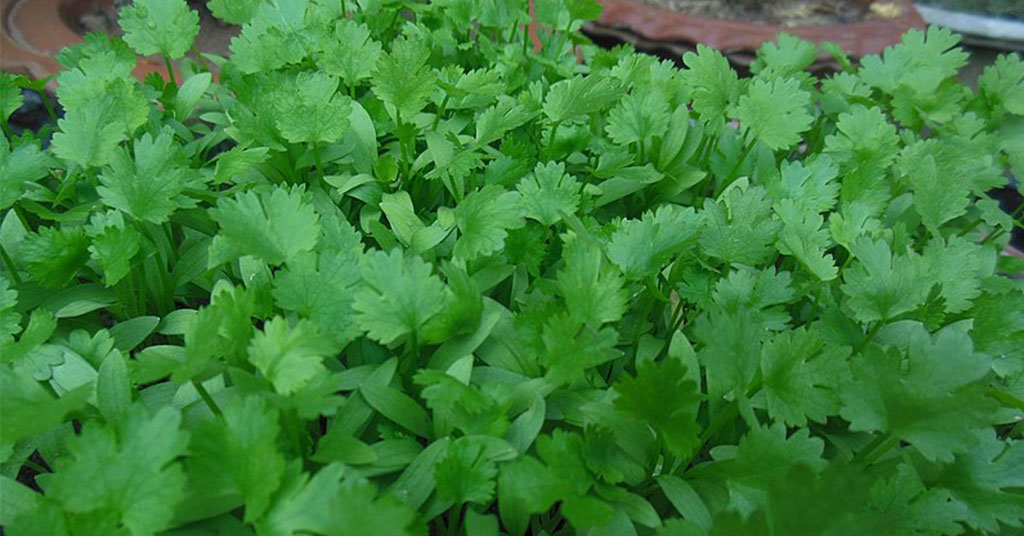
Interplanting dill (native to Southwest Asia), fennel (from the Mediterranean), or cilantro (from Southern Europe) brings umbrella-shaped blooms that host parasitic wasps and lacewings, natural predators of aphids and caterpillars. These herbs aren’t invasive, though dill may self-seed if you allow seedheads to mature.
As those pest-eaters establish nests under leaf litter or in bark crevices, your main flower displays stay healthier, reducing damage and ensuring more blooms for you to admire!
Provide Nesting Habitat for Solitary Bees
Leave small patches of bare, firm soil—about a square foot—for ground-nesting bees like Andrena and Halictus species. You can also install a simple bee block (an untreated wood block drilled with various hole sizes) near your blooms.
These bees are voracious late-season pollinators. Watching them burrow into soil or bee block tubes is one of my favorite end-of-summer sights—it means your garden ecosystem is thriving!