

Late summer is such an exhilarating time in the garden—those long days have coaxed vibrant blooms and succulent vegetables from your soil, and the promise of a bountiful fall harvest looms large. Yet it’s also when many gardeners let care slip, thinking the hard work is behind them. I know how frustrating it is to look out and see wilted roots, powdery mildew creeping in, or empty beds when you thought you were on top of things! Let’s nip those issues in the bud before autumn arrives.
Gardens are dynamic ecosystems, with plants native to diverse regions—from the Mediterranean herbs craving sun to Eastern woodland perennials that love shade—each bringing unique needs and interactions. Skipping a crucial task can invite opportunistic weeds, thwart pollinators nesting in the soil, or even let invasive species sneak in. Below are the twelve most common late‑summer missteps and how to avoid them, so your garden stays healthy, productive, and buzzing with beneficial insects!
Skipping Soil Testing and Amendment

Neglecting a simple soil test can leave you guessing about pH imbalances or nutrient deficiencies. Many vegetables and flowers originate from regions with neutral to slightly acidic soils—tomatoes prefer pH 6.0–6.8, while blueberries thrive around 4.5–5.5—so if your bed is off, plants struggle to access what they need!
By testing now, you can add lime or sulfur to correct pH and incorporate compost or specific amendments (like bone meal for phosphorous) before cooler weather arrives. Healthy soil also fosters native microbial communities, which aid root growth and create nesting pockets for beneficial earthworms and ground‑dwelling beetles!
Overwatering in the Heat
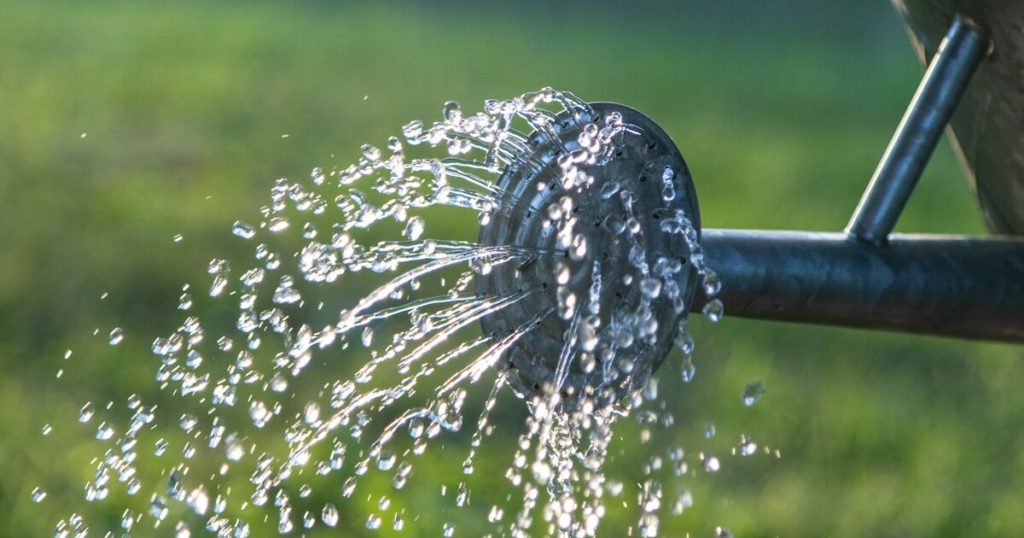
It’s tempting to drench thirsty plants under scorching skies, but overwatering can suffocate roots and promote root rot—particularly for sun‑loving Mediterranean natives like lavender and rosemary, which prefer well‑drained soil. Waterlogged beds also encourage fungal pathogens to take hold!
Instead, aim for deep, infrequent watering early in the morning. This encourages roots to burrow downward into cooler soil layers, accessing moisture reserves. You’ll see sturdier stems and healthier blooms—and you’ll spare splashy surfaces that can dislodge ground‑nesting bees from their burrows!
Ignoring Pollinator and Beneficial Insect Needs
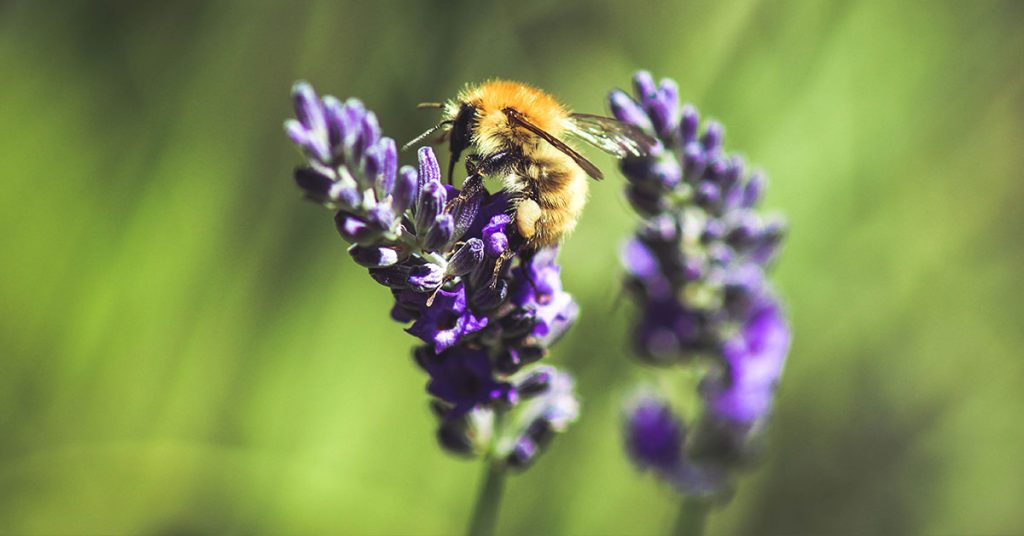
Late summer is prime nesting season for solitary bees, hoverflies, and parasitic wasps. Removing every spent bloom or leaving bare soil unmulched can rob these helpers of forage and shelter! I’ve watched mason bees emerge from hollow stems only to find no early‑fall flowers to feed on—it breaks my heart.
Keep some late‑blooming perennials like asters or goldenrod in rotation, and leave patches of undisturbed ground or hollow stalks for nesting. Not only will your garden buzz with pollinators, but you’ll also see fewer pest outbreaks thanks to predatory insects raising their young nearby!
Neglecting Mulch Renewal
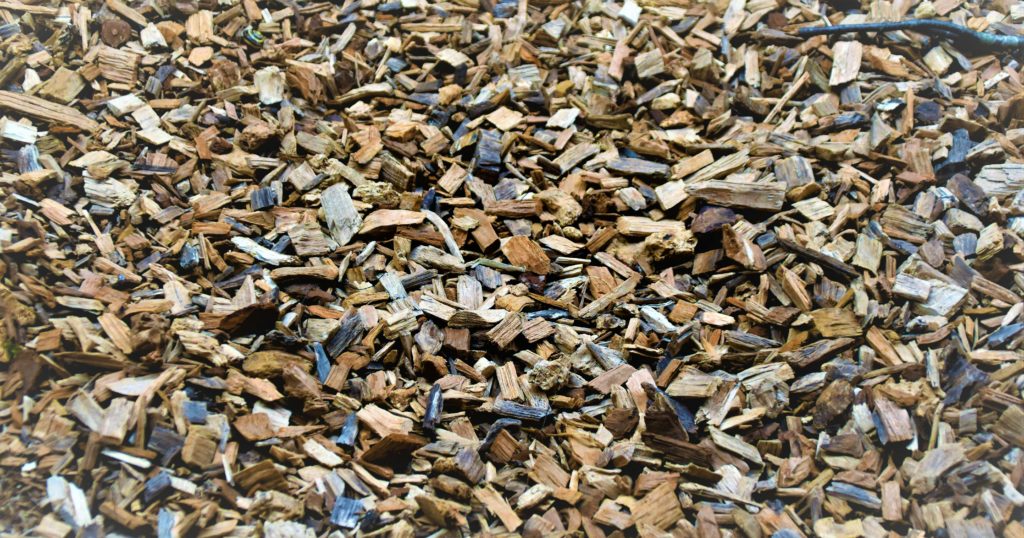
Mulch isn’t a one‑and‑done deal. By late summer, organic layers—whether bark, straw, or leaf‑litter—have decomposed, exposing soil to erosion and weeds. Without that protective blanket, moisture evaporates quickly, and ground‑dwelling insects lose shelter!
Refresh mulch to 2–3 inches around perennials and vegetables, keeping it a few inches from stems and trunks. You’ll suppress weeds, conserve water, and provide cozy nesting material for ground beetles and spiders that patrol against slugs and caterpillars.
Forgetting Succession Planting

If you pull out tired spring greens without replanting, beds lie fallow—and that’s a missed opportunity for quick‑maturing crops like radishes (native to Southeast Asia), spinach (from Persia), or arugula (Mediterranean origins). Empty soil also invites weeds to colonize!
Sow seeds or transplant seedlings in August, aiming for harvests 30–60 days later. Not only will you enjoy fresh veggies into frost, but the living roots keep soil biology active, supporting earthworms and root‑loving insects over winter.
Delaying Pest Checks and Controls

Late summer pests—squash bugs, aphids, and spider mites—can build up fast and wreak havoc on both annuals and woody shrubs. Ignoring early signs lets populations explode, leading to stunted growth and increased disease susceptibility. I know how demoralizing it is to find your cucurbits riddled with holes at harvest!
Inspect foliage and stems weekly, especially the undersides of leaves. Handpick larger pests, use insecticidal soaps, or introduce beneficial predators like ladybugs. Keeping populations in check ensures your fall crops and perennials get off to a strong start.
Leaving Spent Blooms In Place

While deadheading spring and early‑summer flowers is wise, leaving all late‑season blooms can be beneficial. Some perennials—like native coneflowers—provide seed for goldfinches, and their seed heads also shelter pollinators. Removing every bloom can starve wildlife and reduce aesthetic interest!
Instead, selectively deadhead only those plants prone to reseeding invasively (e.g., certain foxgloves), and let others finish their cycle. The result? A balanced garden alive with birds, insects, and beautiful seed head textures through autumn and beyond.
Not Pruning or Dividing Perennials
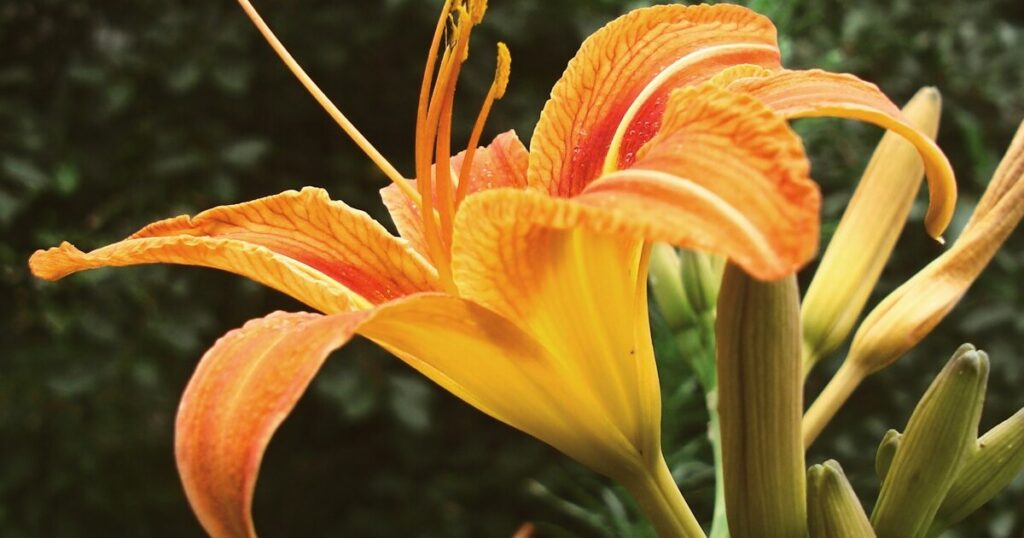
Perennials such as daylilies (native to Asia) and bearded irises (Mediterranean origins) benefit from division every 3–4 years. Ignoring this leads to overcrowded clumps, reduced flowering, and increased disease risk. Overgrown beds also offer fewer nesting sites for soil‑dwelling insects!
Late summer division gives plants time to establish before frost. Replant divided sections with fresh compost, and you’ll enjoy fuller displays next spring and maintain open soils for beneficial fauna.
Watering at the Wrong Time of Day
Even well‑timed watering can become a problem if done at midday, when fast evaporation burns foliage and wastes water. Evening watering, on the other hand, can leave leaves wet overnight, creating a nursery for fungal spores—especially problematic for wet‑sensitive natives like ferns!
Stick to early morning irrigations. Plants use moisture throughout the day, and surfaces dry quickly in the rising sun—helping prevent powdery mildew and other diseases that would otherwise force you to cut back beloved foliage.
Planting Potentially Invasive Species
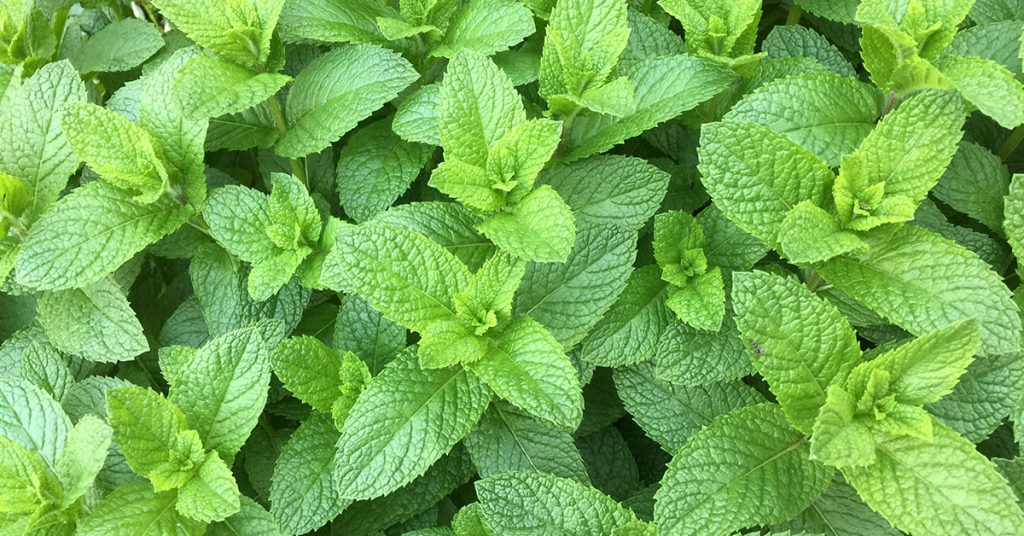
It’s exciting to add a new exotic beauty, but some ornamentals—like certain invasive mints or bamboo—can outrun beds, choking out natives and disrupting the balance. In containers, you may avoid this, but planting directly in the ground can lead to unexpected takeovers!
Research a plant’s invasiveness before purchase and choose sterile cultivars when available. Sticking to well‑behaved natives ensures you’re supporting local ecosystems instead of battling rampant spreaders.
Using Too Much Synthetic Fertilizer

A heavy hand with high‑nitrogen fertilizers late in the season fuels lush foliage at the expense of root hardening and flower bud set. Many plants, from tomatoes (native to the Andes) to perennials like lavender, need a tapering off of nitrogen to prepare for cooler weather!
Switch to a balanced or low‑nitrogen formula in late summer, or use slow‑release organic options. This encourages deeper root growth, better cold tolerance, and more balanced nutrition—plus it helps maintain healthy soil microbiota.
Neglecting Garden Tool Sanitation
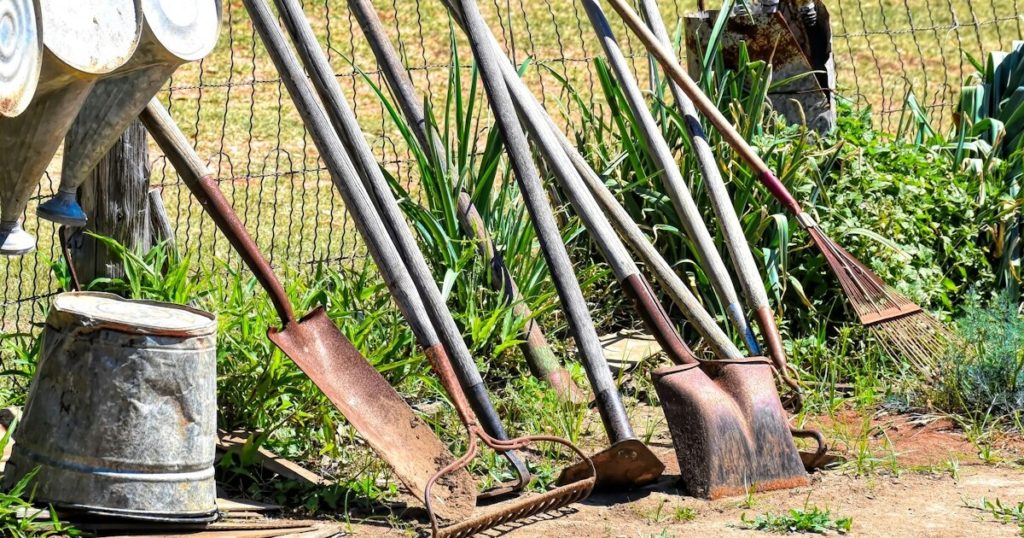
Dirty pruners, trowels, and gloves carry spores and pathogens from plant to plant. Late summer is rife with diseases like rusts, mildews, and cankers, and a quick wipe of blades with alcohol can save you a season’s worth of headaches!
Regularly cleaning tools also protects the beneficial microbes living on your roses’ bark or tomatoes’ stems—those same microbes that deter pests and support plant health. A five‑minute tool scrub now can prevent significant losses later!