

I’m so excited you’re planning to keep your kitchen garden going well past the warm days of summer! There’s something truly comforting about stepping outside on a crisp autumn morning to snip fresh herbs for your soup or tea. I know how frustrating it can be when frost arrives and all that greenery fades—but with the right selection of hardy herbs in containers, you’ll enjoy homegrown flavor even when snow flurries start to fly.
Many of these herbs hail from temperate regions across Europe, Asia, and the Mediterranean, where they evolved to withstand cooler temperatures and sporadic frosts. They generally aren’t invasive in confined pots and can even provide habitat for beneficial insects: think tiny mason bees nesting in bare spots among chive clumps or ladybugs sheltering in evergreen rosemary foliage. Let’s explore ten resilient herbs that’ll keep your windowsill or patio pot bursting with life from autumn through winter!
Parsley (Petroselinum crispum)
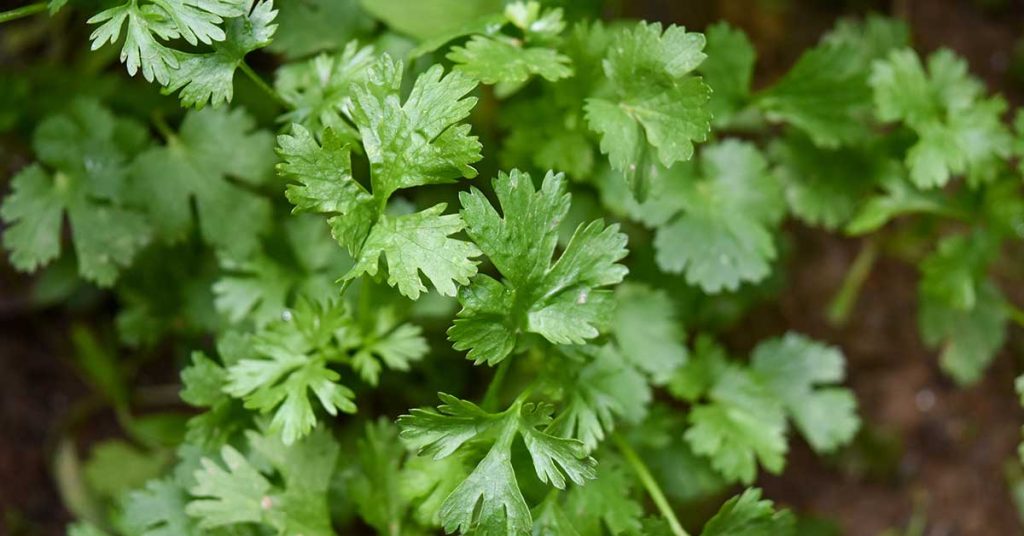
Parsley is native to the central Mediterranean and has graced herb gardens since ancient Greek times. Though it can self-seed if allowed to flower, in containers it stays neatly contained. Its flat or curly leaves provide year-round interest, and snipping them early in the season encourages new, tender growth that’s perfect for garnishes and pestos!
Even in cooler weather, parsley’s umbrella-like flowers (if you let them form late-season) attract hoverflies and small solitary bees that often nest in ground crevices. I love tucking parsley pots near doorways—it not only scents the air when you brush past but also gives you fresh sprigs for soups on chilly nights.
Rosemary (Salvia rosmarinus)

Rosemary hails from the sun-baked hills of the Mediterranean, yet many cultivars are surprisingly tolerant of light frosts. In a well-draining pot with winter protection—like a sheltered porch—it maintains its fragrant, needle-like foliage. It’s not invasive in containers, and its woody stems lend structure when annuals fade.
Its tubular blue flowers are magnets for mason and honeybees, some of which nest in hollow twigs or soil pockets by your patio. Whenever I water my winter rosemary, I’m greeted by that signature piney aroma—and a few lingering bees seeking nectar before cold truly sets in!
Winter Savory (Satureja montana)

Despite its peppery flavor, winter savory is a tough little herb from the mountainous regions of Southern Europe. It stays compact in pots, rarely outgrowing its confines, and handles frost better than its summer-savory cousin. The tiny white blooms can grace your winter garden, offering subtle color when most containers look bare.
Those flowers may be small, but they’re adored by hoverflies and predatory wasps that nest in sheltered bark crevices or leaf litter. I often tuck winter savory in mixed containers—its upright habit and gentle fragrance make it a natural partner for thyme or lavender!
Lavender (Lavandula angustifolia)

True lavender comes from the dry hills of Provence, where it thrives in well-drained soil and cool winter nights. In a deep container with adequate drainage, it resists root rot and maintains evergreen, silvery foliage. It’s well-behaved in pots and not prone to wandering!
In summer you’ll see bumblebees buzzing the purple spikes; by fall, the leaf litter around the pot offers nesting material for ground-nesting bees. I love drying fresh sprigs to tuck into homemade sachets—those soothing lavender scents are even more welcome when winter winds howl outside.
Chives (Allium schoenoprasum)
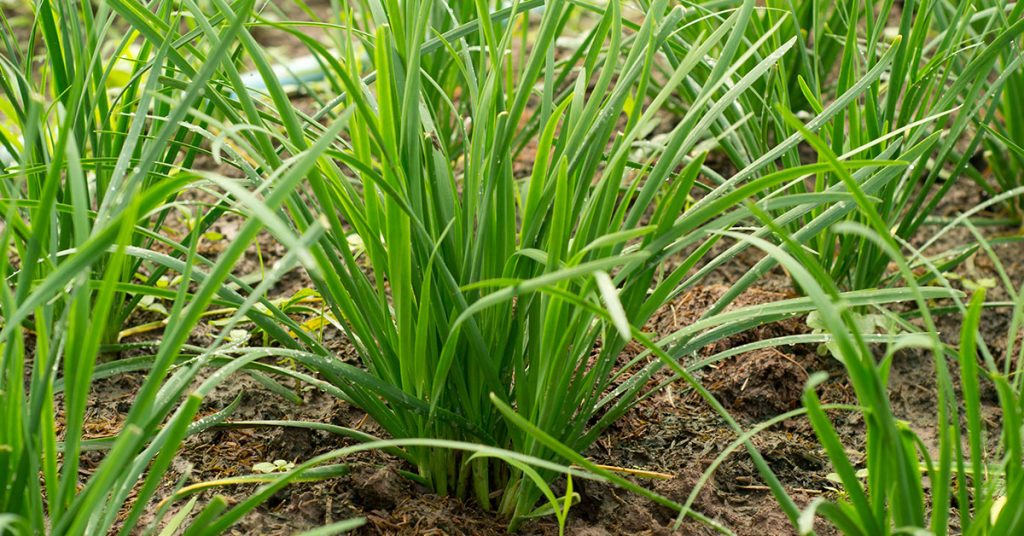
Chives originate from temperate Europe and Asia, reliably returning each spring from hardy root clumps. In containers, they rarely escape and stay tidy if you harvest regularly. Their hollow, grass-like leaves add a mild onion flavor to dishes, and cutting them back actually encourages denser growth!
When chives bloom in late summer or fall, they produce lavender-pink umbels that attract solitary mason bees seeking hollow stems for nests. I recommend leaving a few flower stalks; watching those busy bees nest is one of my favorite autumn garden spectacles.
Mint (Mentha spp.)
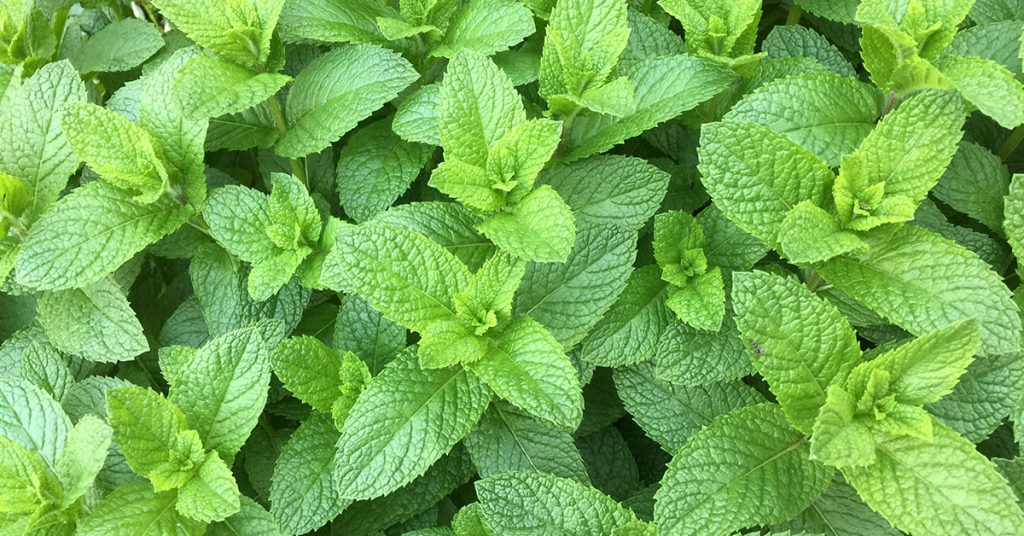
Most mints hail from temperate Europe and Western Asia and are infamous for aggressive spread—so containers are ideal! Potted mint won’t choke out neighbors, yet you’ll still enjoy its aromatic leaves. Varieties like spearmint or chocolate mint handle cool temperatures down to the high 20s°F in sheltered spots.
Mint flowers are tiny but nectar-rich, drawing hoverflies and tiny bees that nest in crevices or grass tussocks. I keep a mint pot near my kitchen door; even in winter, the faint scent on my gloves puts a spring in my step!
Sage (Salvia officinalis)
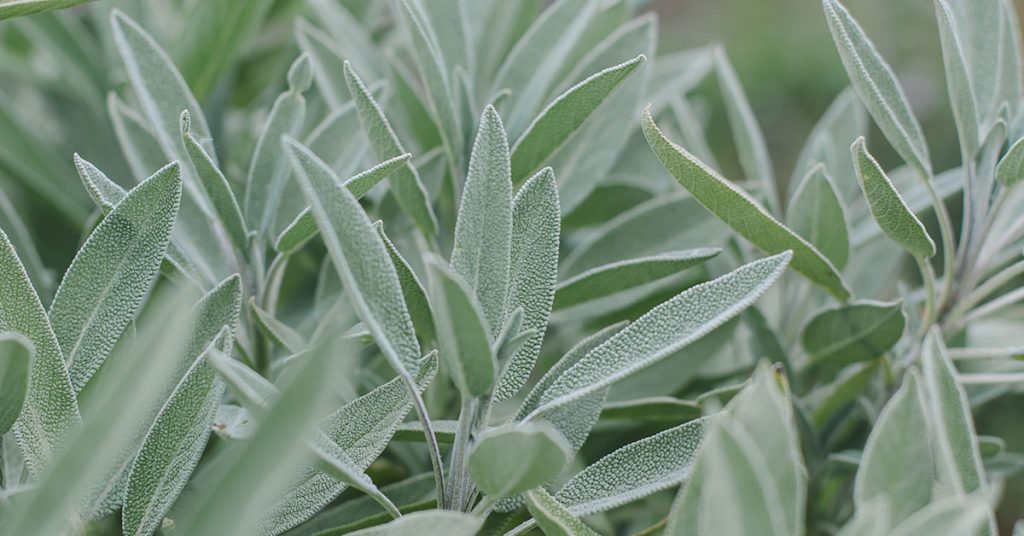
Garden sage is native to the Mediterranean and tolerates light frost when grown in pots with excellent drainage. Its fuzzy, gray-green leaves remain evergreen or semi-evergreen in milder climates. It’s well-contained in containers and not known to escape into flower beds.
Sage’s purple blooms in late summer and autumn lure bumblebees—many of which nest underground at the edge of your containers. I find these visits a delight to watch as I snip fresh leaves for winter roasts and herbal teas.
Bay Laurel (Laurus nobilis)
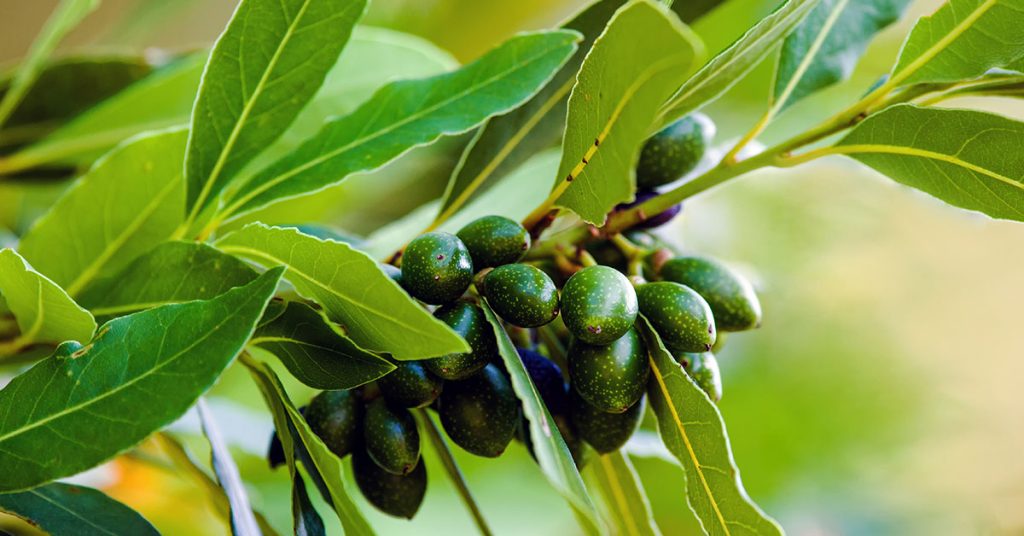
Bay laurel, native to the eastern Mediterranean, can overwinter in containers indoors or in sheltered spots outdoors where temperatures stay above 20°F. It grows slowly and stays neat in a pot, offering glossy, aromatic leaves for cooking throughout winter.
The inconspicuous flowers attract small pollinators, and in spring you might even see bees exploring its evergreen canopy. Growing bay in a large pot lets me harvest sprigs year-round—nothing beats simmering a stew with fresh bay leaves when it’s snowing!
Thyme (Thymus vulgaris)
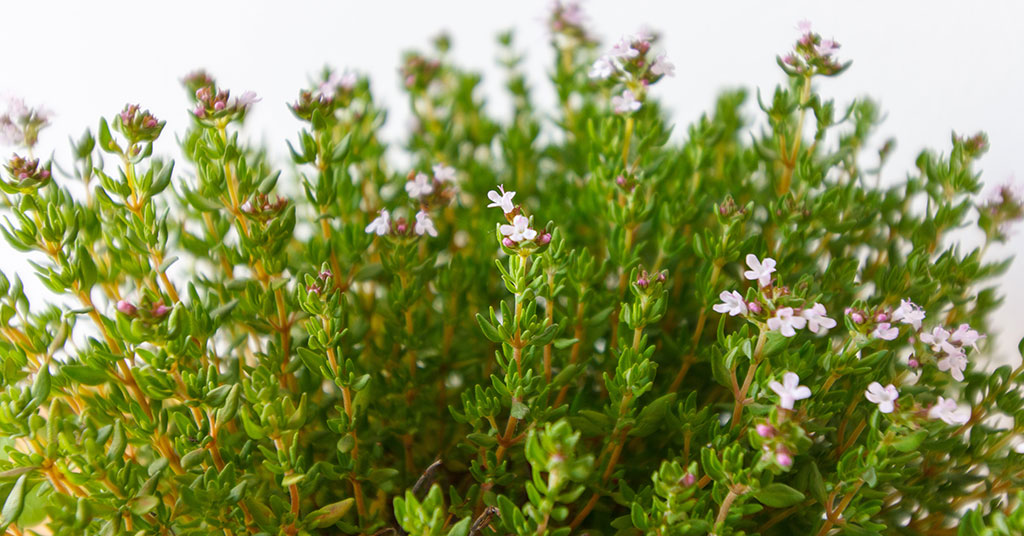
Thyme hails from southern Europe’s rocky soils and is exceedingly tough in containers. It tolerates frost and drought, maintaining low, mat-forming foliage that smells heavenly when brushed. It’s not invasive in pots and thrives with minimal care.
Its tiny pink and white blooms are a nectar source for honeybees and native solitary bees, which nest in cracks between pavers or pot edges. I scatter thyme among larger pots—stepping on a sprig releases that warm, herby scent every time!
Oregano (Origanum vulgare)
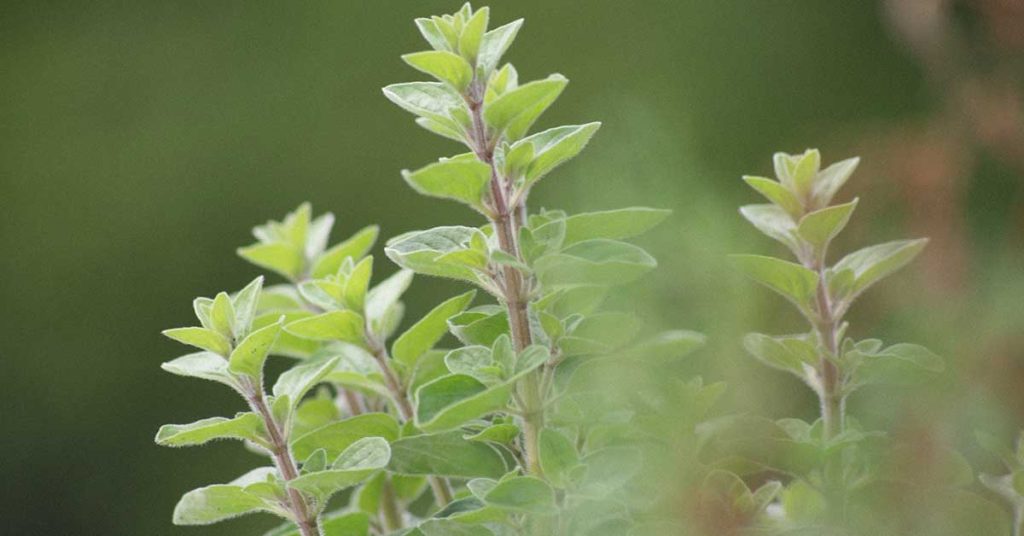
Oregano, another Mediterranean native, stays compact in containers and endures light frost when snugged against a wall. Its aromatic leaves flavor winter soups and pizzas, and pulling back flowering stems encourages fresh leafy growth. It’s well-behaved in pots and seldom escapes!
In late summer, oregano’s clusters of purple blooms are abuzz with hoverflies and small bees that nest in the soil’s surface. I love the contrast of those silvery-green leaves with dark flower clusters—and the hum of insect life even as days grow shorter!