
I’m thrilled you’re joining me on this journey to pamper those finicky green beauties! There’s nothing more disheartening than rushing home to find browning edges or droopy leaves on a plant you’ve been doting on. I know how frustrating it is—especially when you’ve adjusted light levels, watered just right, and still watch new growth falter. These ten sensitive houseplants demand a little extra TLC, but reward your devotion with lush foliage and, in some cases, stunning blooms.
Most of these species hail from tropical and subtropical forests in Asia, Africa, and the Americas. In their native habitats, they thrive under stable humidity, filtered light, and warm temperatures—conditions that indoor environments often struggle to replicate. None tend to run rampant indoors, but they do depend on consistent care and the right microclimates. Let’s dive into these plants and how to keep them thriving under your watchful eye!
Fiddle‑Leaf Fig (Ficus lyrata)

Native to West Africa’s rainforests, the fiddle‑leaf fig is celebrated for its dramatic, violin‑shaped leaves. In the wild, it grows beneath tall canopy trees, receiving bright, indirect light and high humidity. Indoors, it can sulk if moved too frequently, exposed to drafts, or placed in low light—resulting in brown spots or leaf drop!
I find that keeping mine in a consistent spot near an east‑ or north‑facing window, with weekly misting and monthly cleaning of its broad leaves, makes all the difference. It’s such a bummer to lose those glossy leaves to dust build‑up or sudden temperature swings, but with a steady environment, Ficus lyrata rewards you with striking vertical presence.
Maidenhair Fern (Adiantum spp.)

Originating from shaded, moist habitats worldwide, maidenhair ferns captivate with their delicate, fan‑shaped fronds. They’re infamous for sensitivity to dry air and erratic watering—too little moisture causes fronds to crisp, while soggy soil leads to root rot. I’ve learned the hard way that letting the top inch of soil dry out even once can spell disaster!
To mimic its native forest floor, I keep mine on a pebble tray with distilled water and maintain high humidity around 70–80%. A consistent watering schedule—checking soil moisture daily—is key. I know how frustrating it is to watch those elegant fronds wilt, but once you find the right balance, maidenhair ferns become graceful statement pieces.
Calathea (Calathea spp.)
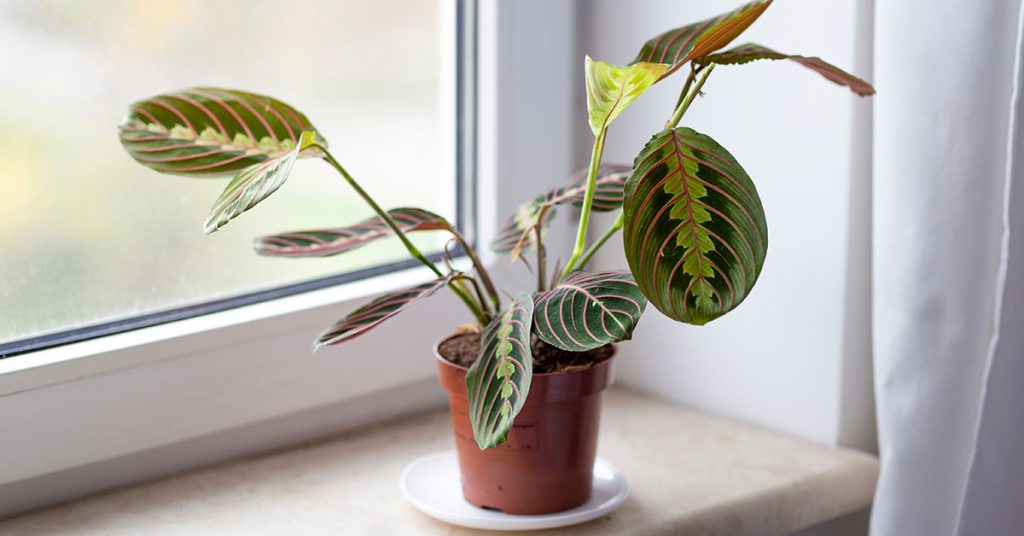
Calatheas, hailing from Brazil’s understory, are prized for their dramatic leaf patterns and “prayer” movements at dusk. They’re super‑sensitive to water quality—chlorinated or hard water can cause brown edges—and fluctuate in humidity, leading to curling leaves. One of my favorite plants, I’ve watched its foliage recoil at the slightest draft!
Using filtered or rainwater and maintaining consistent humidity (around 60%) with a humidifier keeps Calathea happy. I also rotate my plant weekly to ensure even light exposure on both sides of its variegated leaves. When treated right, its foliage perks up beautifully, dancing in the evening light!
Alocasia (Alocasia spp.)

Alocasias—like the striking “Elephant Ear”—are tropical natives from Asia and Eastern Australia. They demand bright, indirect light, high humidity, and warm temperatures above 65°F. Too little light yields leggy growth; low humidity or cool drafts cause leaves to brown or droop dramatically. It’s such a bummer when those architectural leaves wilt overnight!
I place mine in a bathroom or kitchen where steam and filtered light converge, and I mist daily. Ensuring well‑draining soil prevents crown rot. With these measures, Alocasia’s bold foliage remains erect and vibrant—truly a showstopper in any indoor jungle.
Anthurium (Anthurium andraeanum)
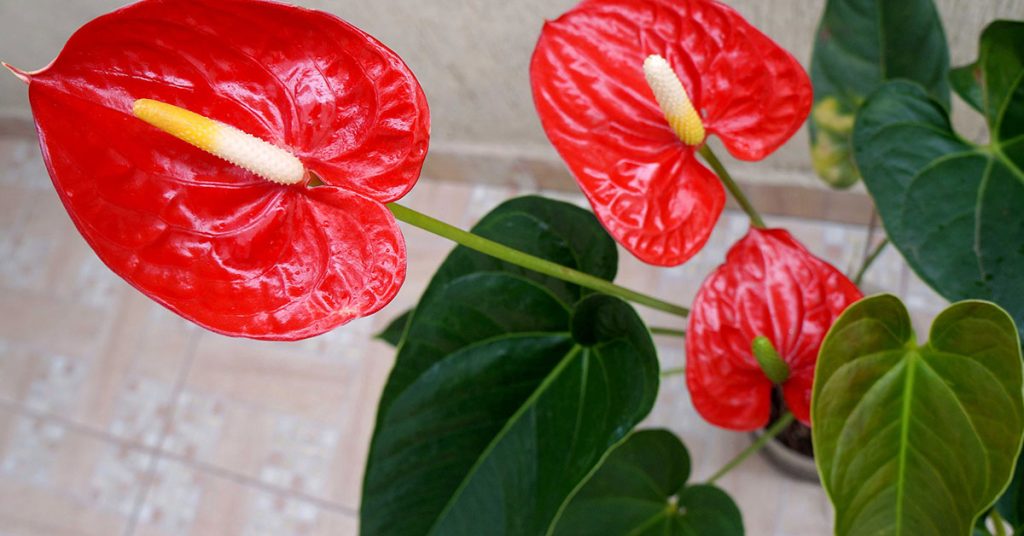
From Colombia’s rainforests, the flamingo flower thrives in filtered light and high humidity. Its glossy leaves and long‑lasting spathes can suffer brown tips if air is too dry or fertilizer is overdone. I remember the first time my Anthurium’s flower faded prematurely—it was fertilizer burn from an enthusiastic feeding!
I corrected course by using a diluted, balanced fertilizer biweekly during growth, and I keep humidity above 60% with a nearby humidifier. The result? Those heart‑shaped blooms last for weeks, and the foliage stays lush—well worth the careful routine.
Phalaenopsis Orchid
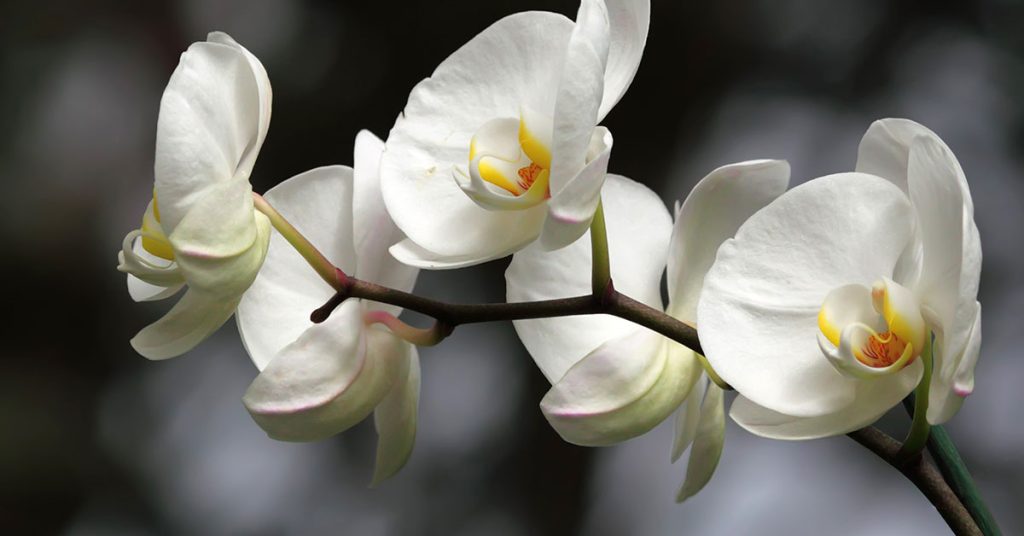
Phalaenopsis orchids originate from tropical Asia and demand bright, indirect light, as well as humidity around 50–70%. Overwatering or planting in ordinary potting mix suffocates their roots, while under‑watering leads to shriveled pseudobulbs. I’ve rescued mine by switching to bark‑based orchid mix and watering only when roots turn silvery!
Potting in a transparent container helps monitor root health and moisture. Pair that with morning misting, and you’ll see those elegant moth‑like blooms reappear season after season. It’s such a thrill to coax new spikes when conditions are just right!
Peace Lily (Spathiphyllum spp.)
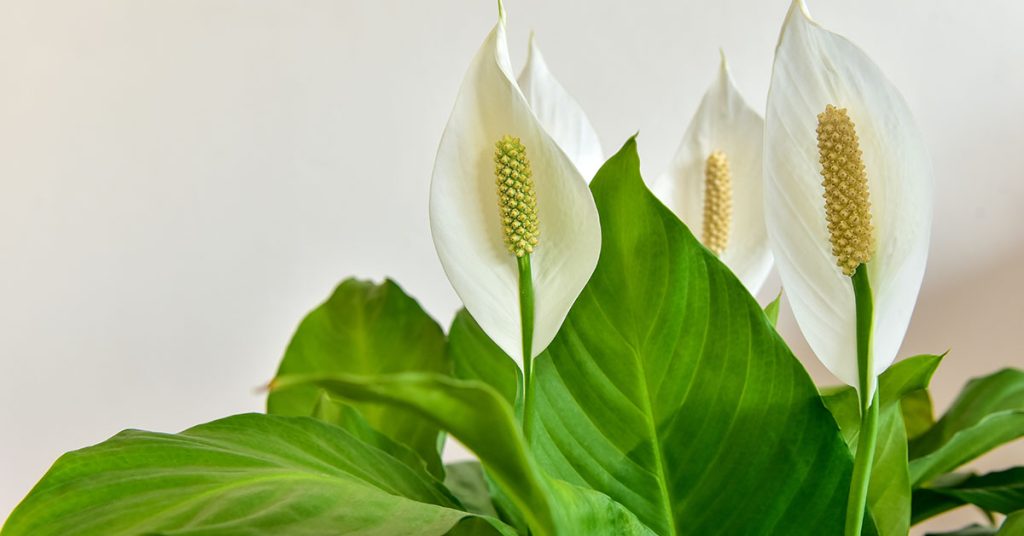
Native to tropical Americas, peace lilies thrive in low to medium light and high humidity. However, they’re infamous for sudden drooping at the first sign of underwatering or temperature stress. I recall rushing home to rescue mine from a cramped corner under a heater vent—its leaves perked right up after a drink!
Keeping the soil evenly moist—but never soggy—and maintaining temperatures above 65°F keeps peace lilies content. Their white spathes not only brighten shady rooms but also signal when they need water, giving you a charming, living reminder to care for them.
Boston Fern (Nephrolepis exaltata)
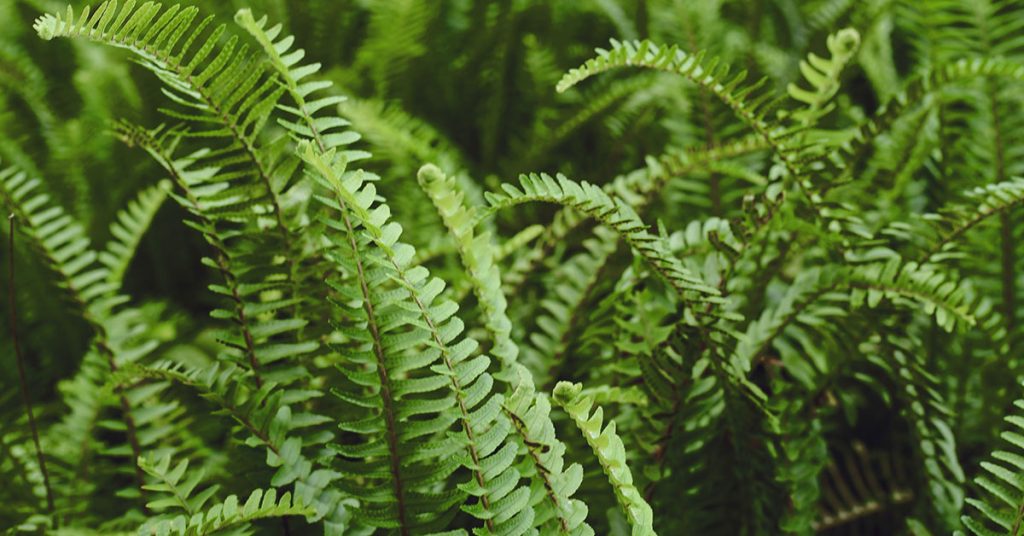
Boston ferns, originally from tropical regions worldwide, adore consistent moisture and humidity above 60%. Even a single dry cycle can brown fronds permanently. I learned to check mine daily, especially in winter when indoor heating dries the air quickly!
Placing it near a humidifier or on a pebble tray and misting twice daily keeps those lush, arching fronds green and full. When cared for, Boston ferns become feathery clouds of green, adding softness to any corner.
Rubber Plant (Ficus elastica)
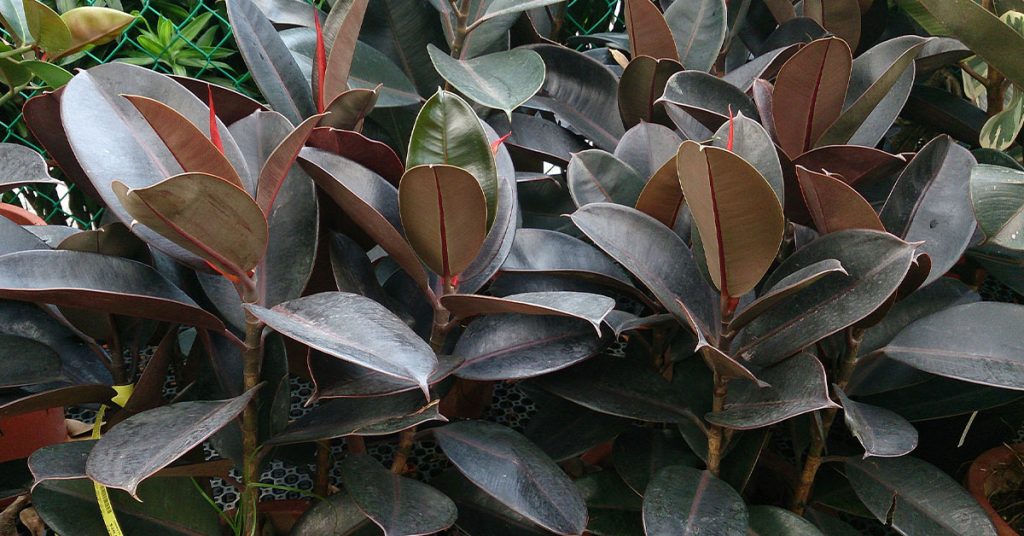
Ficus elastica, native to India and Malaysia, features thick, glossy leaves but reacts poorly to inconsistent watering and light. Low light stalls growth, while direct sun scorches leaves. I once scorched mine by moving it too close to a south‑facing window!
I keep mine in bright, filtered light and water only when the top two inches of soil are dry. Wiping the leaves weekly removes dust and allows for maximum photosynthesis. When content, the rubber plant’s bold leaves become a striking focal point.
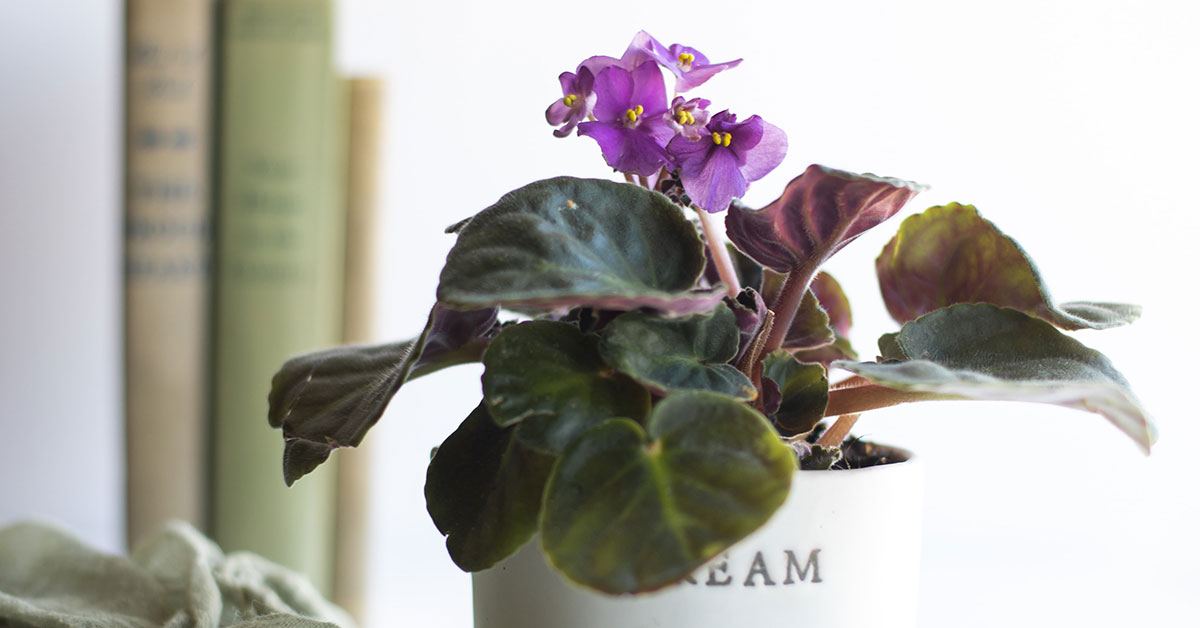
African Violet (Saintpaulia ionantha)
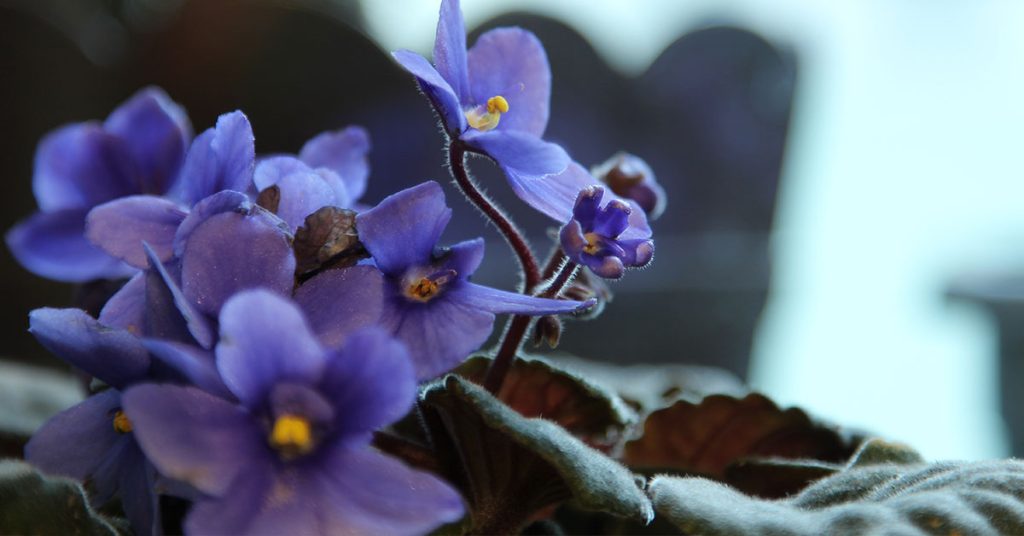
Originating from Tanzanian cloud forests, African violets bloom best in bright, indirect light and consistent humidity around 50–60%. Overhead watering splashes onto leaves, causing spots, while cold drafts stunt growth. I always water mine from below to avoid ugly blemishes!
Using shallow pots with well‑draining mix and placing them on humidity trays keeps their fuzzy leaves healthy. With a stable environment, you’ll be rewarded with clusters of purple, pink, or white blooms—tiny gems that brighten any room!