
I’m so excited you’re ready to cultivate your own living pharmacy right in your garden! There’s nothing quite like stepping outside, snipping fresh leaves or flowers, and knowing you have natural remedies at your fingertips. I know how frustrating it can be to run out of an over‑the‑counter tincture or to second‑guess store‑bought supplements—there’s comfort in growing what you consume. With these twelve medicinal powerhouses, you’ll have teas, salves, and infusions ready whenever you need them!
Each of these plants hails from distinct corners of the globe, from the Mediterranean hillsides to North American prairies, and though some spread eagerly, none are truly invasive when given proper care. They also attract a host of beneficial insects—bumblebees nesting in loose soil, hoverflies patrolling for aphids, and solitary bees seeking out blooms. Let’s dive into these botanical remedies and get your medicine cabinet growing!
Aloe Vera
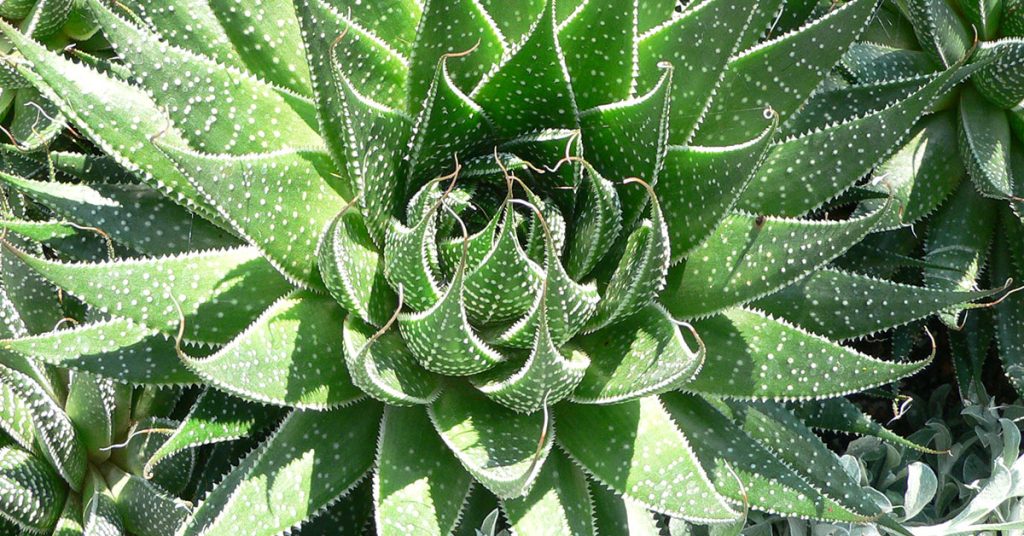
Aloe vera is native to the Arabian Peninsula, where it thrived in arid regions as a succulent offering moisture and healing. It’s not considered invasive in most gardens, though it can produce pups around the parent plant. Its thick, lance‑shaped leaves store gel that soothes burns, moisturizes skin, and can even help calm digestive upset when used properly!
In the garden, aloe vera attracts beneficial predatory insects like lacewings that lay eggs in its crevices, helping keep pests in check. I love how easy it is to tuck a pot of aloe near a sunny window or patio, ensuring you always have fresh gel at hand for minor cuts or sunburns—no trip to the pharmacy required!
Chamomile

Chamomile (Matricaria chamomilla) hails from Europe and Western Asia and adapts well to sunny garden spots. It’s well‑behaved, rarely self‑seedling beyond its allotted bed. The daisy‑like blooms are magnets for hoverflies and small solitary bees that nest in bare ground patches nearby, offering natural pest control!
Harvest chamomile flowers for a calming tea that eases anxiety and aids digestion. I know how frustrating it is when store‑bought teas lack that fresh‑picked aroma—nothing beats steeping blooms you gathered just this morning under the warm sun!
Echinacea

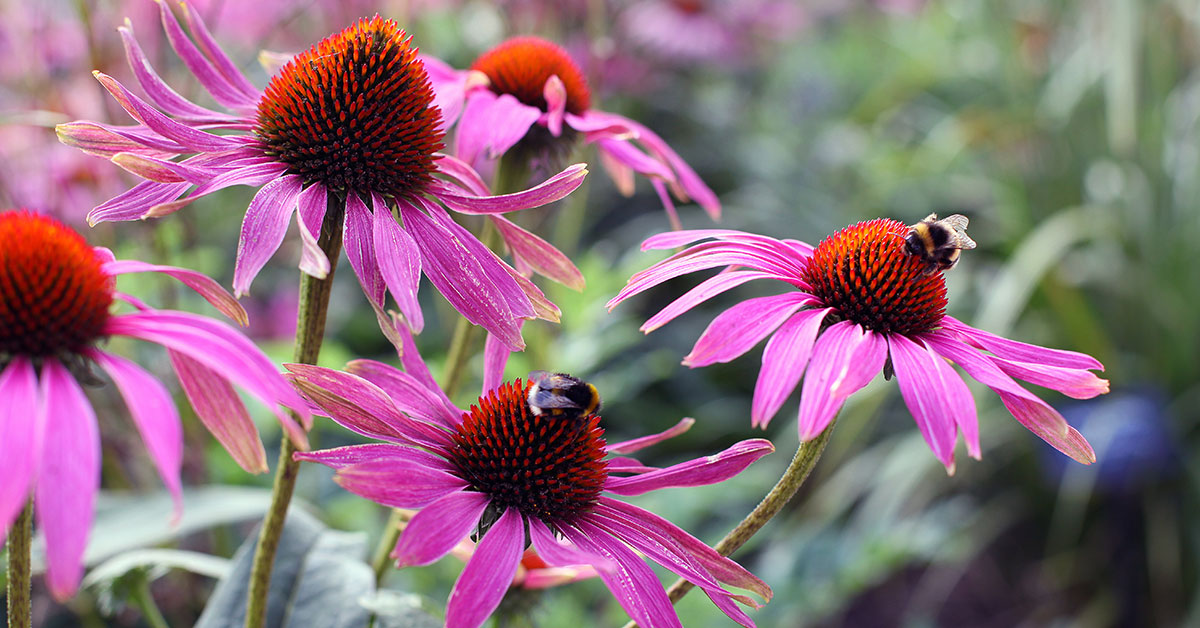
Echinacea purpurea, native to North America’s prairies, was treasured by indigenous peoples for immune support. Though it can self‑sow if its cones aren’t deadheaded, it seldom invades other beds. The tall, purple‑cone flowers attract bumblebees and goldfinches, which often nest in nearby brush piles and feed on spent seed heads!
I love cutting Echinacea petals for tinctures that help shorten colds. Watching those sturdy stems sway in the breeze reminds me how resilient this plant—and our own defenses—can be when properly nourished with homegrown remedies.
Lemon Balm
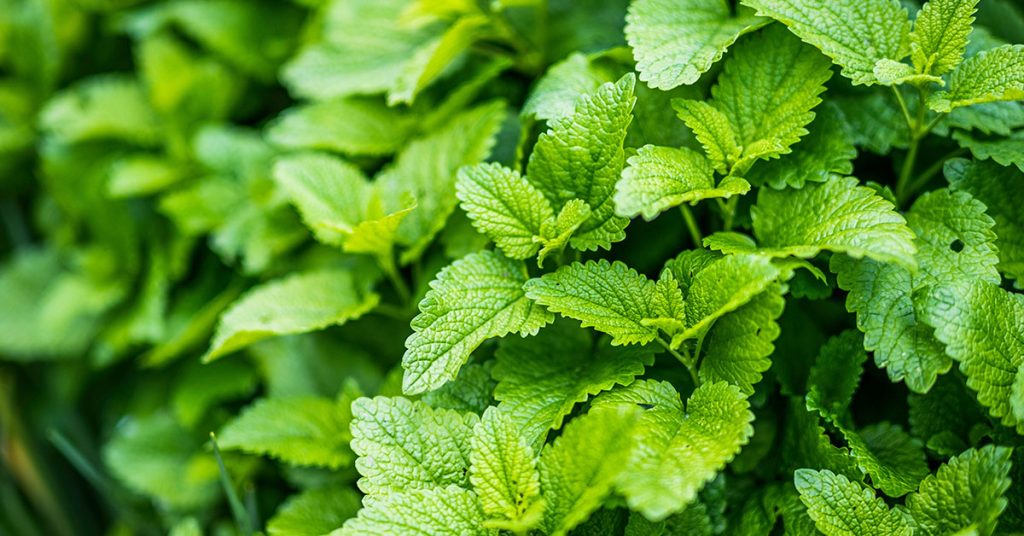
Lemon balm (Melissa officinalis) originated in Southern Europe and Western Asia, thriving in well‑drained soils. While it spreads by rhizomes, it’s easily contained with root barriers. Its fragrant leaves attract hoverflies and honeybees, both of which nest in hollow stems and ground burrows—benefitting the entire garden!
Steep lemon balm leaves for a lemony tea that calms nerves and settles stomachs. I know how jarring stress can feel, so breathing in that fresh citrus scent from your own garden is like a mini‑retreat every time you cup a warm mug in your hands!
Yarrow

Yarrow (Achillea millefolium) is native across Europe and North America, tolerating poor soils and drought. It spreads via rhizomes but rarely becomes invasive when given space. Its flat clusters of white or pastel flowers attract solitary bees and parasitic wasps nesting in nearby debris, providing natural pest suppression!
Harvest yarrow for wound‑healing salves and teas that support circulation. One of my favorite things is crushing the feathery leaves between my fingers and feeling that herbal aroma—pure, fresh, and potent, just like Nature intended.
Plantain

Plantain (Plantago major) grows natively worldwide in meadows and lawns, and while it’s common, it’s not invasive in cultivated beds. The broad, green leaves attract ground‑nesting bees that seek shelter in damp soil and lay eggs near the roots!
Crush fresh plantain leaves to soothe insect bites and minor skin irritations—its anti‑inflammatory properties are a lifesaver in summer. I know how maddening those itchy welts can be, so having plantain on hand is like carrying a first‑aid kit in your garden.
St. John’s Wort
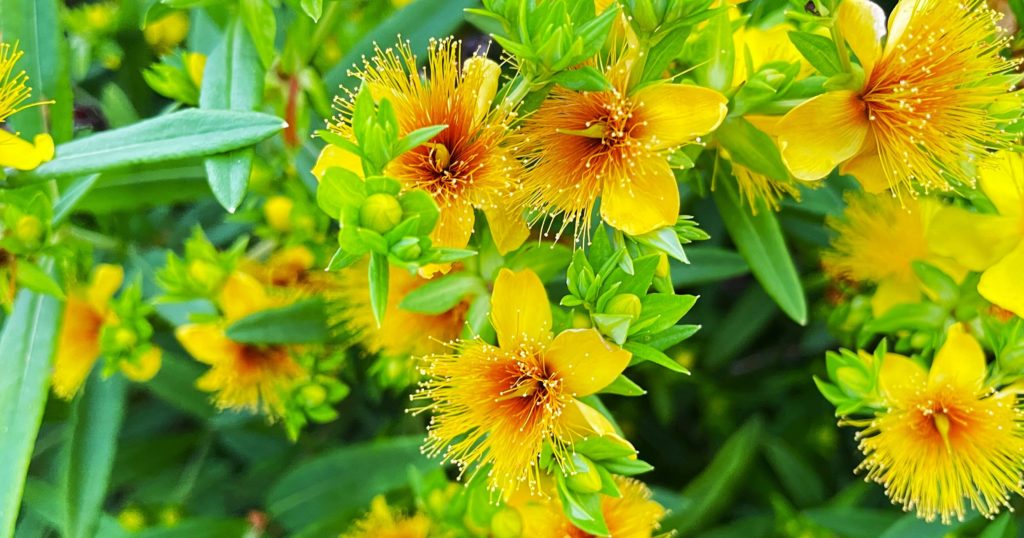
St. John’s Wort (Hypericum perforatum) comes from Europe and Western Asia, and though it can naturalize via seeds, it rarely overruns well‑maintained gardens. Its bright yellow flowers attract native solitary bees, many of which nest in hollow stems or compact soils nearby!
Infuse the petals in oil for a topical remedy that eases bruises and mild burns. I love harvesting those cheerful blooms—it feels like gathering little suns to brighten your medicine cabinet through the darker months.
Lavender

Lavender (Lavandula angustifolia) is native to the Mediterranean and flourishes in sunny, well‑drained soils. It’s not invasive but can self‑seed if spent flowers remain. Its fragrant spikes draw honeybees and bumblebees, which often nest in abandoned rodent burrows—boosting pollination across the garden!
Dry lavender buds for calming sachets, sleep‑aid teas, and headache‑soothing oils. There’s something magical about inhaling that fresh, floral scent you grew yourself—it’s like a gentle lullaby for your senses every time you breathe it in!
Peppermint
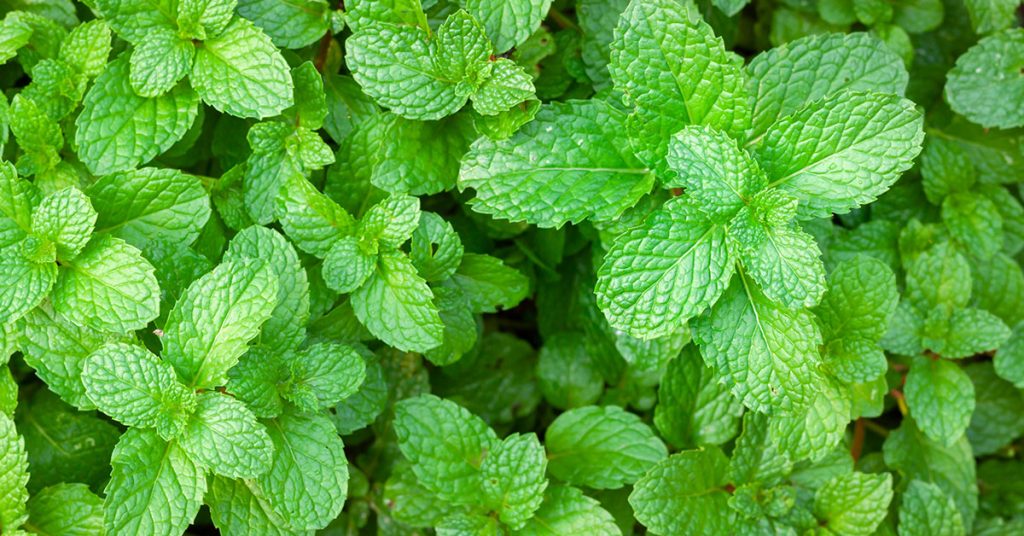
Peppermint (Mentha × piperita) is a hybrid mint from Europe and the Middle East, spreading vigorously via runners. I keep it in a pot to prevent it overtaking nearby beds. Its lilac flowers attract hoverflies and small bees that nest in ground cavities, helping control pests like aphids and mites!
Brew peppermint tea for digestive comfort and a refreshing pick‑me‑up. I know how comforting that cool, minty warmth can feel after a heavy meal—plus, nothing beats the zing of freshly plucked leaves straight from your own windowsill!
Rosemary
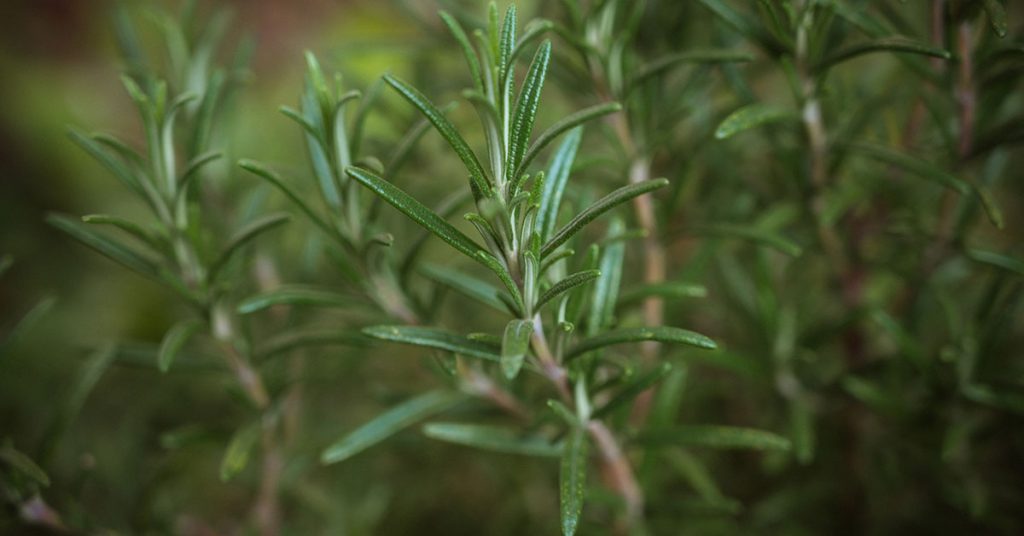
Rosemary (Salvia rosmarinus) hails from the Mediterranean coast, thriving in sunny, rocky soils. It’s well‑mannered in most gardens and rarely spreads beyond its footprint. Its blue‑purple flowers attract mason bees that nest in hollow stems, providing valuable pollination services!
Infusing rosemary in oil or vinegar creates tonics that support circulation and mental clarity. I love how a gentle brush against its fragrant needles releases that crisp, resinous aroma—instant focus and uplift from your very own herb patch!
Calendula

Calendula (Calendula officinalis) is native to Southern Europe and North Africa, and self‑sows harmlessly when blooms are left to seed. Its bright orange petals attract butterflies and solitary bees that nest in bare soil or hollow stems—boosting late‑season pollination!
Use calendula petals in soothing salves and anti‑inflammatory teas. One of my favorite gardening joys is snipping those vivid blooms at sunrise, their color glowing like embers as they dry—pure, botanical medicine in every petal!