
I’m so excited you’re gearing up for a late‑season planting blitz! It’s such a bummer when the summer rush leaves you thinking it’s too late to sow anything new—but with the right quick‑maturing veggies, you can still fill your autumn table with fresh homegrown goodness. I know how frustrating it is to see empty beds when you crave crisp salads or tender greens. Trust me, I’ve been there—and these sixteen selections will have you harvesting before the first frosts arrive!
Many of these vegetables hail from temperate regions across Europe, Asia, and the Americas, and while none tend to become invasive in home gardens, they do appreciate a little extra TLC. Planting by August 15th gives them enough warm days to germinate and grow, then enough cool weeks to develop flavor. Let’s dive in and get your beds buzzing with potential!
Turnips
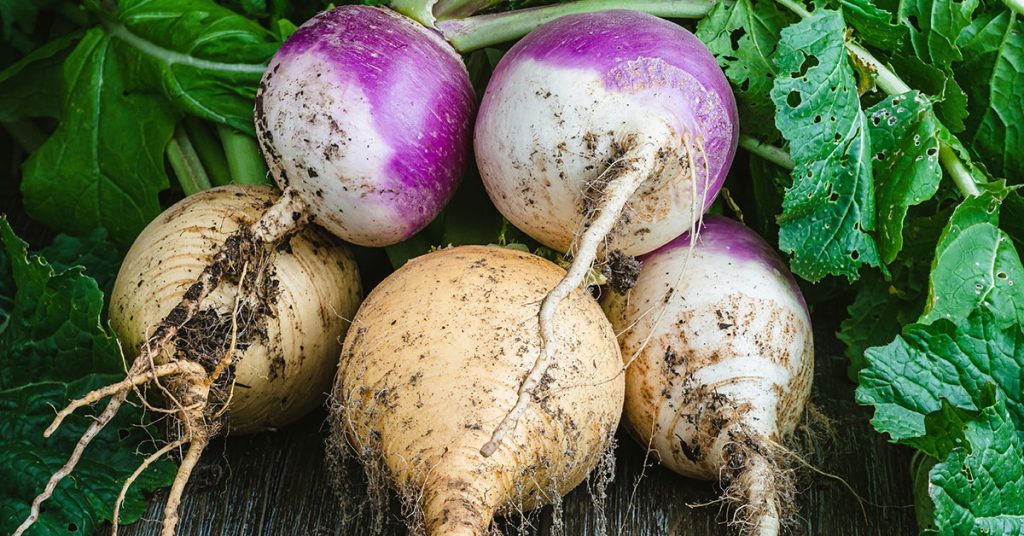
Turnips (Brassica rapa) originated in Europe and Asia and have been cultivated for thousands of years. Their quick 30–40‑day growth cycle makes them perfect for late plantings! Tender roots and peppery greens are delicious sautéed or roasted, and the foliage often attracts beneficial hoverflies—whose larvae feast on aphids—nesting in the lower leaves.
I love turning over the soil lightly before sowing turnip seeds, ensuring good seed‑to‑soil contact. They hate dry conditions, so a consistently moist bed helps them swell evenly. It can be such a relief to dig up sweet, crisp turnips in early October, knowing you salvaged a harvest when others thought the season was done!
Swiss Chard
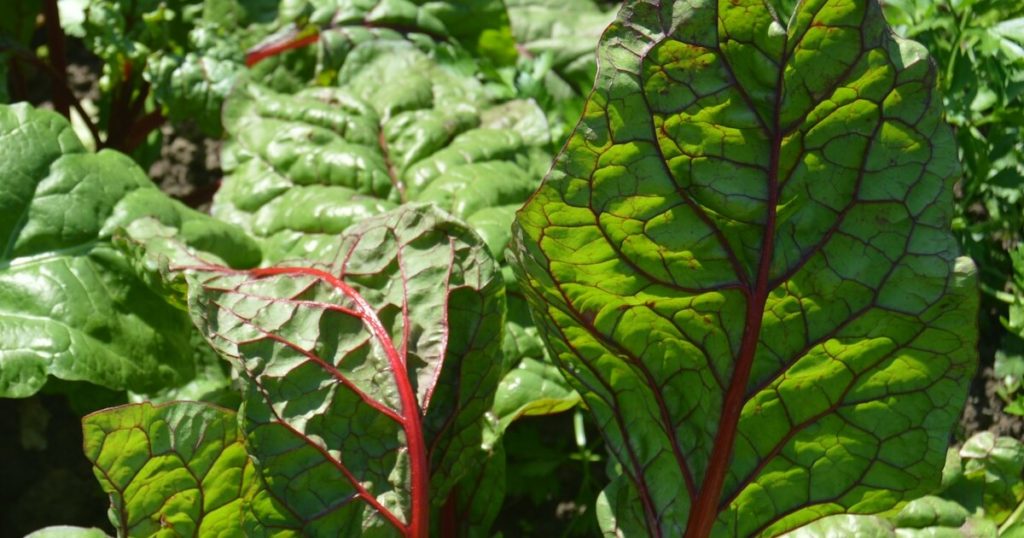
Swiss chard (Beta vulgaris subsp. cicla) hails from the Mediterranean coastal regions and truly shines in cooler weather, taking about 50–55 days to maturity. Though not invasive, volunteer seedlings may pop up and provide bonus greens! Its glossy leaves attract predatory wasps that nest in garden nooks, helping keep leaf‑mining pests at bay.
Sowing chard in mid‑August allows the plants to establish roots before cooler nights arrive. I like to mulch around each row to retain moisture and suppress weeds—nothing’s more frustrating than tiny chard seedlings competing with crabgrass. When temperatures dip, chard’s flavor sweetens, rewarding your efforts with vibrant bunches for sautéing or salads!
Radishes

Radishes (Raphanus sativus) are one of my fastest favorites, going from seed to tabletop in as little as 25 days. Native to Southeast Asia, they’ve spread worldwide without becoming invasive—likely because they mature so quickly! Their flowers, if allowed to bolt, attract mason bees that nest in soil crevices, boosting overall pollination.
Scatter seeds thinly in a sunny spot and keep the soil evenly moist for consistent root development. I know it’s tempting to forget them, but check daily—overgrown radishes get woody fast! Pulling up crisp, peppery roots under the golden afternoon sun is a sweet reminder that it’s never too late to plant.
Bok Choy
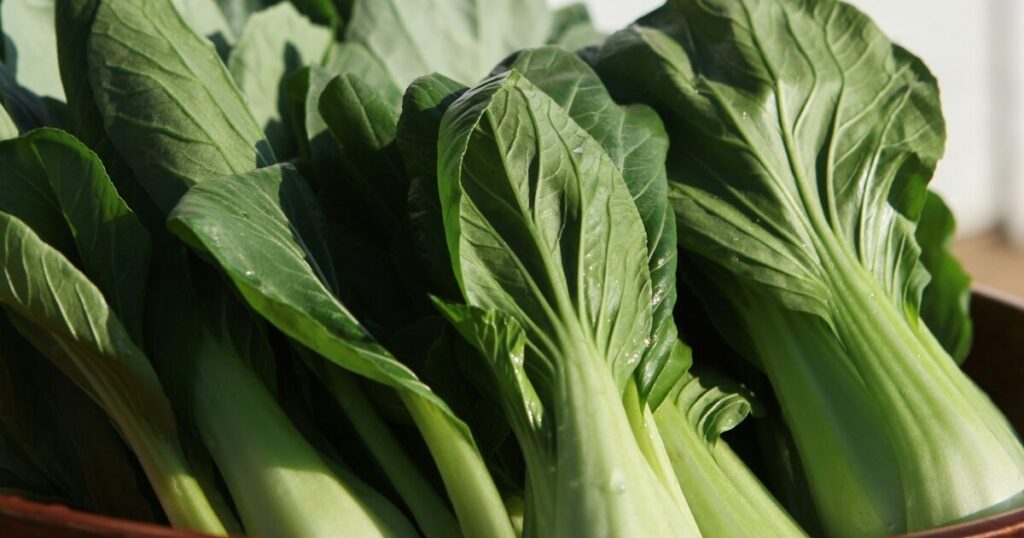
Bok choy (Brassica rapa subsp. chinensis) comes from China and is prized for its succulent stems and mild flavor. Many cultivars mature in just 45 days, fitting nicely into a fall window. While it doesn’t tend to escape gardens, you might find cabbage white butterflies fluttering around—invite some lacewings to nest nearby to keep caterpillars in check!
This veggie thrives in rich, moisture‑retentive soils. I like to add compost and a dash of lime before planting, which mimics the neutral soils of its native Sichuan region. Watching those spoon‑shaped leaves balloon and thicken is one of my favorite late‑season garden moments!
Bush Beans
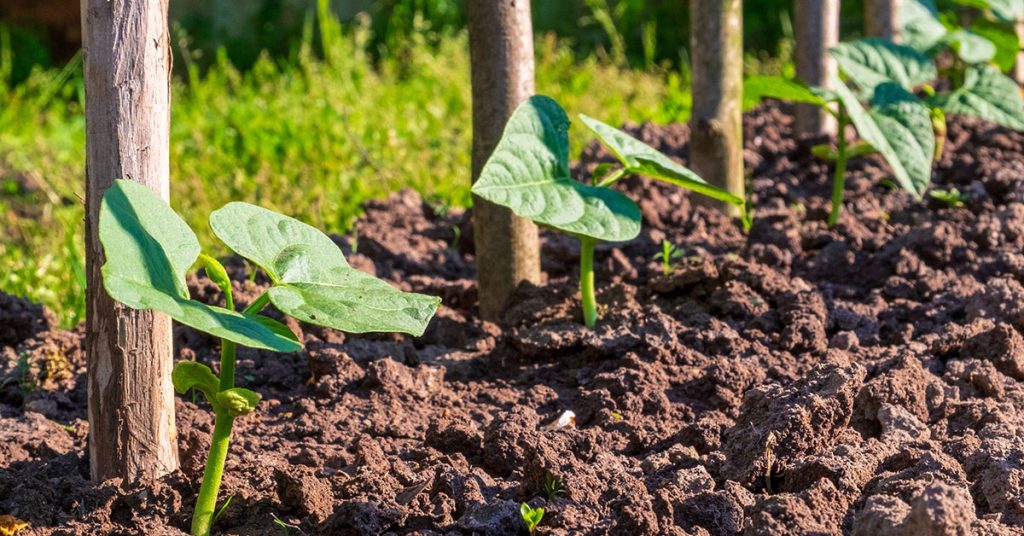
Bush beans (Phaseolus vulgaris) trace back to Central and South America and typically mature in 50–55 days. They’re not invasive, but volunteer plants can surprise you with extra pods! Their small white and purple flowers attract numerous pollinators, including ground‑nesting bees that often make their homes at the edge of bean rows.
Plant seeds 1–2 inches deep in fertile, well‑drained soil and keep them evenly watered. Warm days followed by cooler nights signal the beans to set pods rapidly. I love popping open a bean pod to reveal perfectly lined seeds—proof that even late plantings can yield delicious results!
Mustard Greens
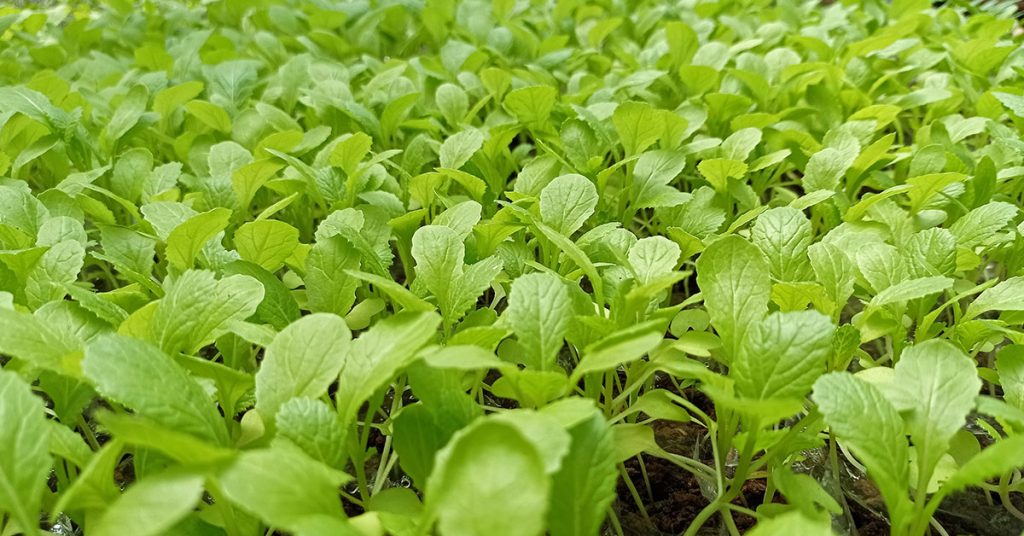
Mustard greens (Brassica juncea) have origins in Asia and Europe and develop tender leaves in about 30–40 days. They’re rarely invasive but may self‑seed if left to flower. Their bright yellow blossoms are irresistible to hoverflies and bees, which often nest in nearby hedgerows.
I recommend sowing a dense block of mustard seeds and thinning to encourage upright growth. Their spicy flavor mellows with cool nights, turning those greens into a delightful fall side dish. It’s so rewarding to harvest a bowlful of mustard leaves when summer beds are otherwise winding down!
Snow Peas

Snow peas (Pisum sativum var. saccharatum) originated in East Asia and mature in about 60 days—just in time for a fall crunch! While they can self‑sow in some climates, they’re not generally invasive. Their fragrant pea blossoms draw bumblebees, many of which nest underground and love the soil structure that vegetable beds provide.
Sow peas at the base of a trellis or teepee for space‑saving growth. Even in cooler fall temperatures, peas can set sweet pods that you harvest whole. I know how frustrating it is to miss the soup pea season—these late plantings rescue that craving beautifully!
Collard Greens
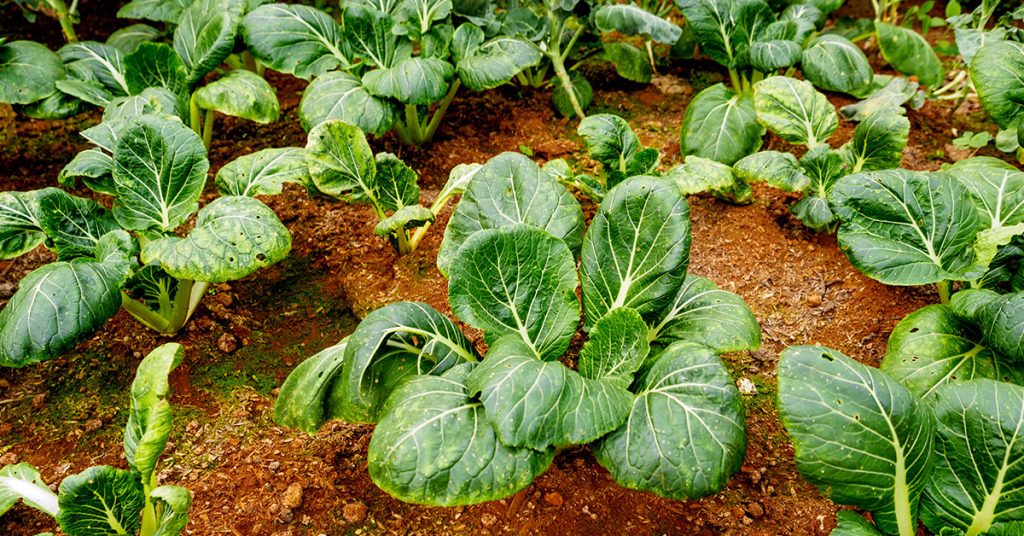
Collards (Brassica oleracea var. viridis) come from the coastal regions of the Mediterranean and take about 60 days to provide harvestable leaves. They rarely escape cultivation, but their sturdy leaves attract beneficial predatory insects—ladybugs and lacewings nest among the foliage, keeping aphids away.
Plant collards in deeply amended soil and keep them well‑watered, especially while they establish roots. I love that cool weather enhances their flavor, making leaves sweeter and more tender. There’s something deeply comforting about a warm collard stew on a crisp fall evening!
Arugula
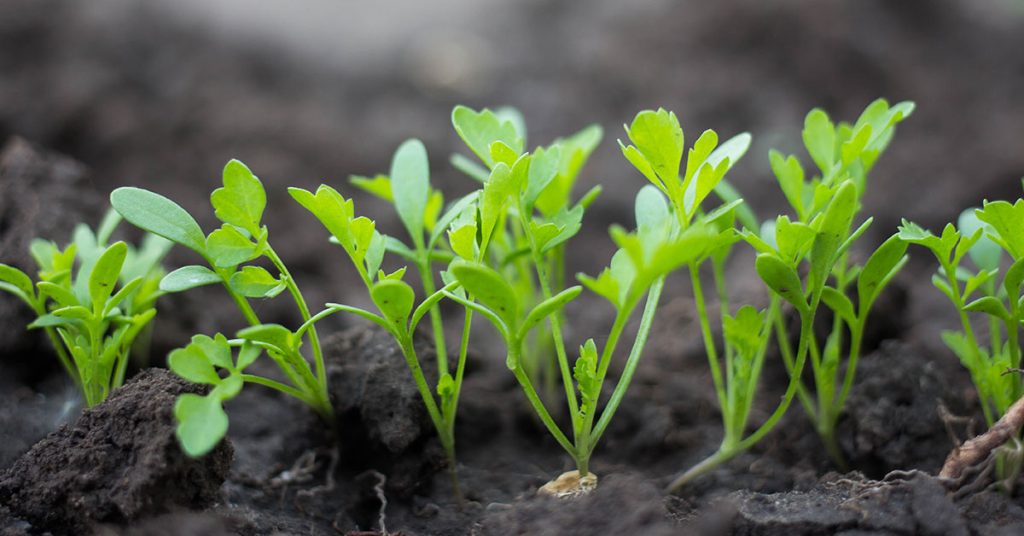
Arugula (Eruca sativa) is native to the Mediterranean and matures in a speedy 25–35 days. It doesn’t become invasive but can pepper your garden with volunteer seedlings if you let it bolt. Its delicate white flowers attract solitary bees that nest in bare ground patches nearby!
Broadcast arugula seeds over well‑drained soil and keep them lightly covered. A steady supply of peppery leaves for salads or pesto is a late‑season delight. Whenever I taste that fresh bite, I’m reminded why I always reserve space for arugula, even in August!
Baby Carrots
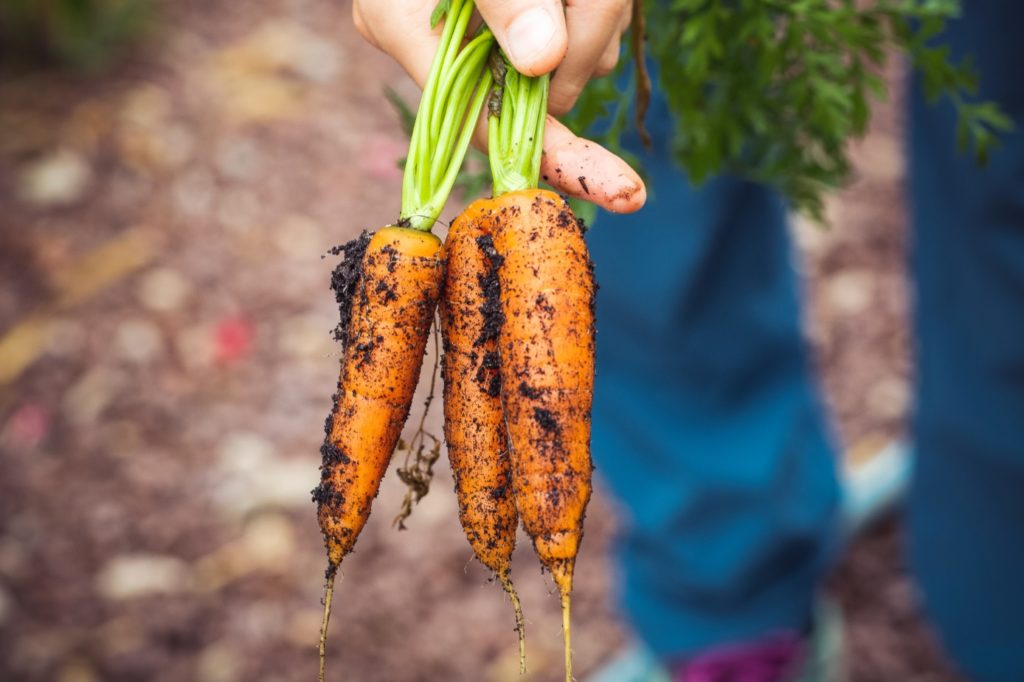
Baby carrots (Daucus carota subsp. sativus) trace to Afghanistan’s mountains and often mature in as few as 50 days when sown at the right spacing. They’re not invasive, but volunteer wild carrots can pop up in pathways. Their tiny umbels, if allowed to flower, attract predatory wasps that nest in soil burrows!
Sow seeds in finely prepared, loose soil to prevent misshapen roots, and keep the bed consistently moist. I love gently thinning seedlings to 2‑inch spacing—each pull makes room for those adorable mini roots to expand. Pulling sweet, crunchy baby carrots in October is one of my favorite gardening victories!
Kale
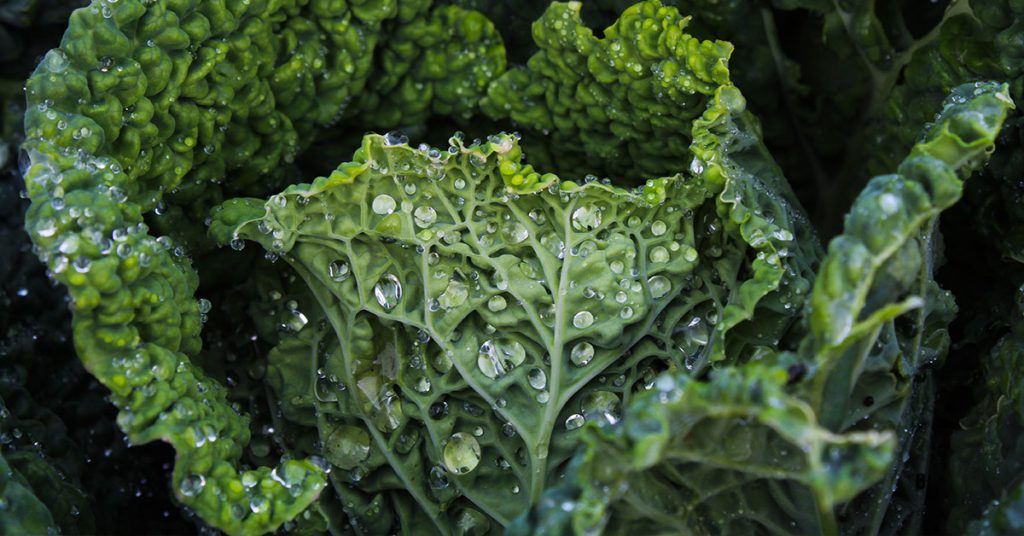
Kale (Brassica oleracea var. sabellica) originates from the eastern Mediterranean and matures in about 50–60 days for baby greens. It’s generally well‑behaved, but its attractive flowers can lure pollinators like bumblebees that nest in nearby hollow stems or rodent burrows.
I plant kale in fertile, well‑drained beds and mulch heavily to keep roots cool and moist. One of my favorite pleasures is harvesting tender inner leaves after a light frost—those chilly nights transform kale into a sweeter, more tender green that’s perfect for salads or sautés!
Beets
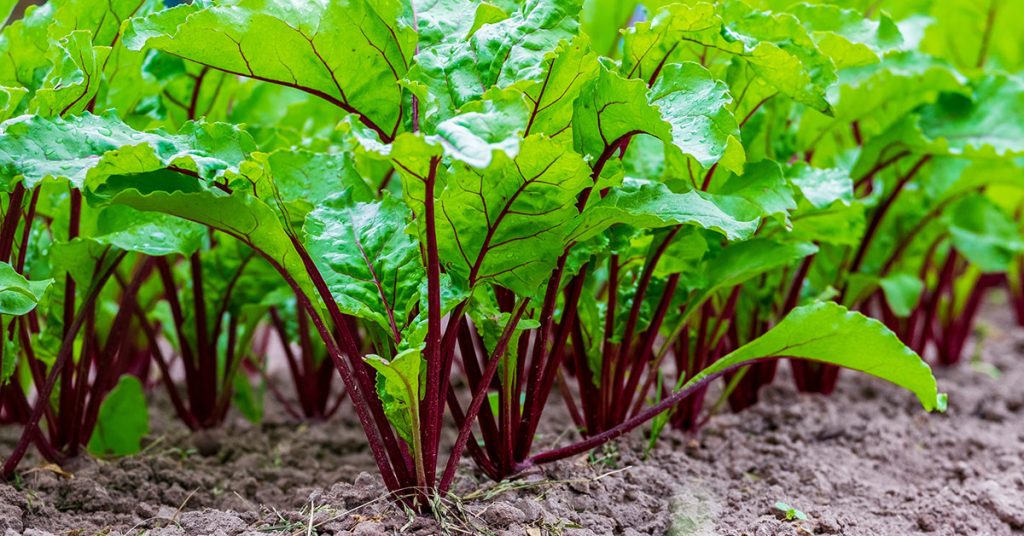
Beets (Beta vulgaris) have their roots in the Mediterranean and Eastern Europe, with many varieties maturing in 50–60 days. They rarely become invasive but may send up striking pink‑tinged flowers if left too long! Those blooms attract pollinators and bees that nest in soil crevices.
Plant beets in deeply loosened soil to allow the roots to expand evenly. Thinning is key—crowded beets produce small roots. I know it’s tough to pull out seedlings, but those thinned rows give you space to harvest beautifully round beets that are tender and sweet when roasted or pickled!
Lettuce (Leaf Varieties)
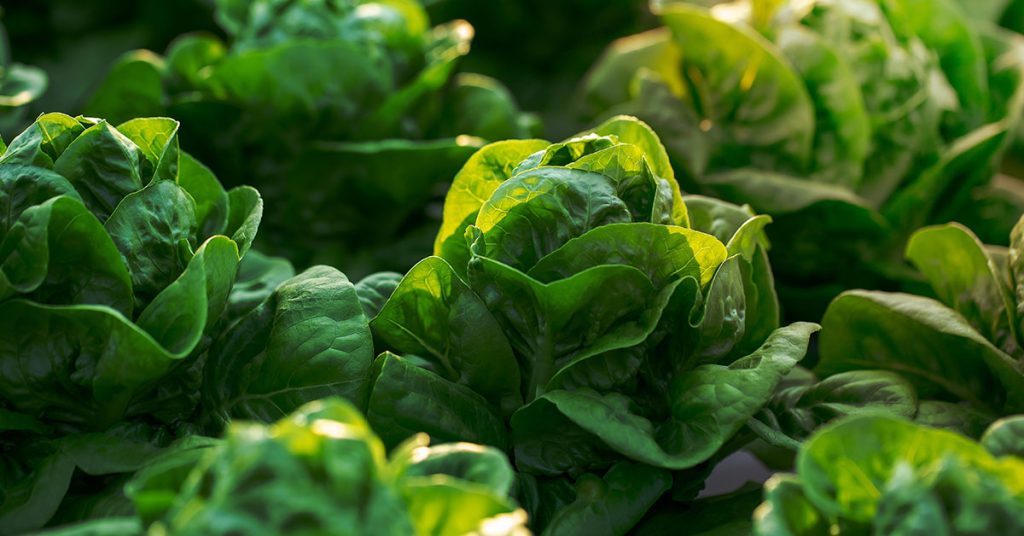
Leaf lettuce (Lactuca sativa) was first cultivated in ancient Egypt and now comes in quick 30–45‑day varieties. It’s not invasive, but it self‑sows if you let flowers form—and that’s when hoverflies and small solitary bees come to nest among the stalks!
Sow in shallow drills and keep the soil damp, especially during germination. I often sow in succession every week until mid‑August to stretch out the harvest. There’s nothing more refreshing than clipping crisp, colorful leaves for a salad when summer heat saps your appetite!
Spinach
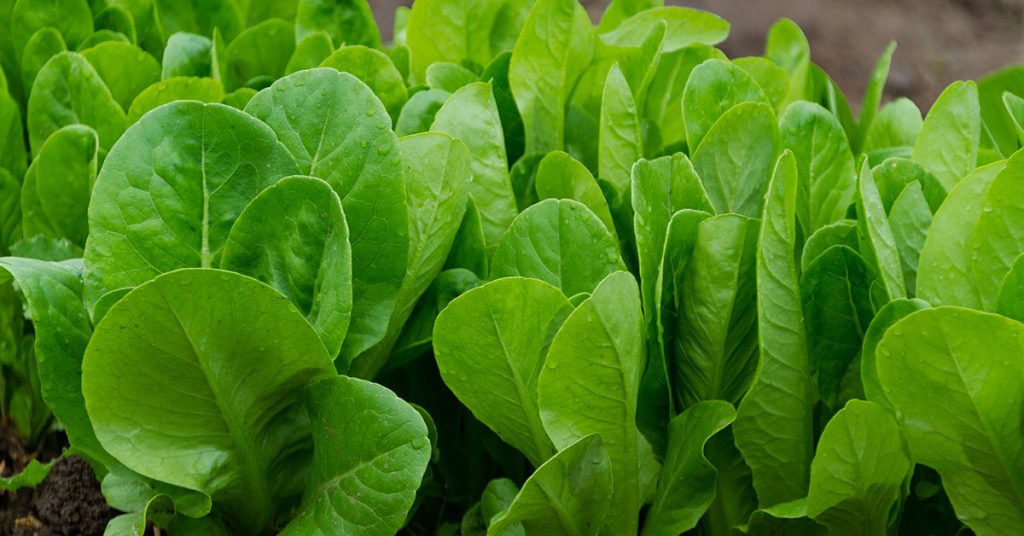
Spinach (Spinacia oleracea) hails from Persia (modern‑day Iran) and matures in about 40–50 days. It doesn’t tend to naturalize, but its delicate flowers can bring in pollinator visits if allowed to bolt. Those little blooms attract leaf‑cutter bees nesting in nearby wood crevices!
Plant spinach in rich, well‑draining soil and protect seedlings from heat with light shade. I empathize with the frustration of bolting—once those flower stalks shoot up, leaves get bitter. That’s why I always sow by August 15th, so I can enjoy sweet, tender spinach before cooler weather really sets in!
Cilantro
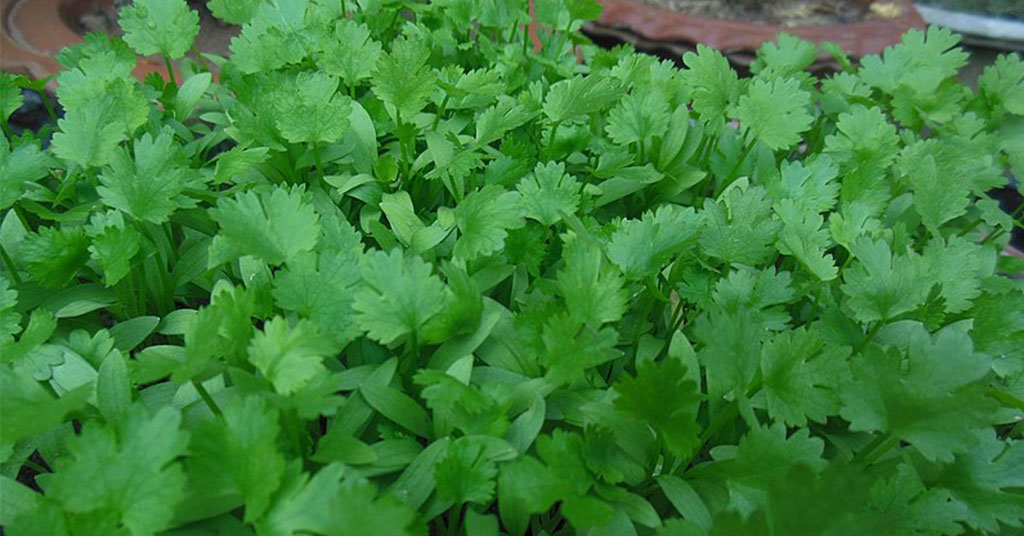
Cilantro (Coriandrum sativum) is native to the Mediterranean and western Asia, and its leaves mature in just 40 days. While cilantro can reseed itself, it rarely invades other beds. Its lacy flowers are magnets for lacewings and parasitic wasps that nest in hollow stems, helping control aphids!
I sow cilantro in partial shade and keep the soil evenly moist to delay bolting. There’s nothing like the freshness of homegrown cilantro in late summer salsa. I know it’s frustrating when store‑bought bunches wilt—growing your own guarantees crisp, citrusy leaves right at your fingertips!