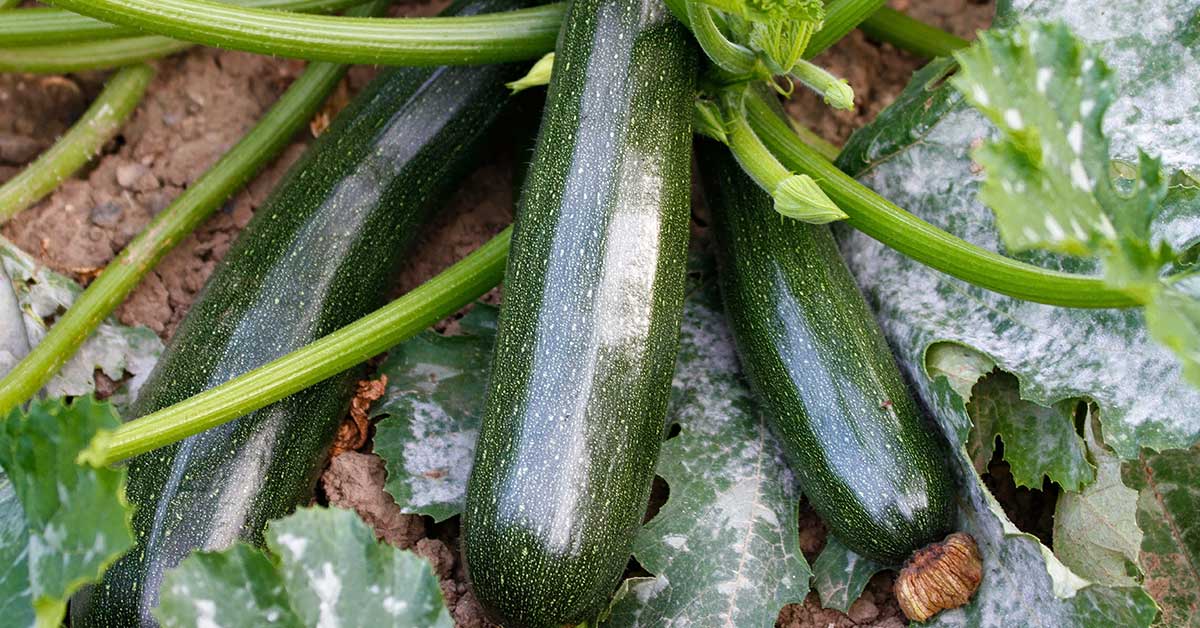

I can’t wait to help you squeeze every last ounce of zucchini goodness from your garden before cooler nights win! As the days shorten and temperatures dip, your vines might feel like they’re winding down—but a few strategic tweaks can spark one final, spectacular harvest. I know how frustrating it is to watch small, stubborn fruits refuse to swell when you’ve nurtured them all season. Hang in there: these tips come from my own late‑summer trials, and they really work!
Zucchini (Cucurbita pepo) hails from the highlands of Mesoamerica and has become a beloved staple in gardens worldwide. Though generally well‑behaved and noninvasive, it does need a bit of extra care as fall approaches. With a combination of nourishing feeds, pollination tactics, and mindful pruning, you’ll be guiding those vines to produce plump, juicy fruits—just in time for one more round of zucchini fritters!
Offer Pollinator-Friendly Blooms to Attract Bees
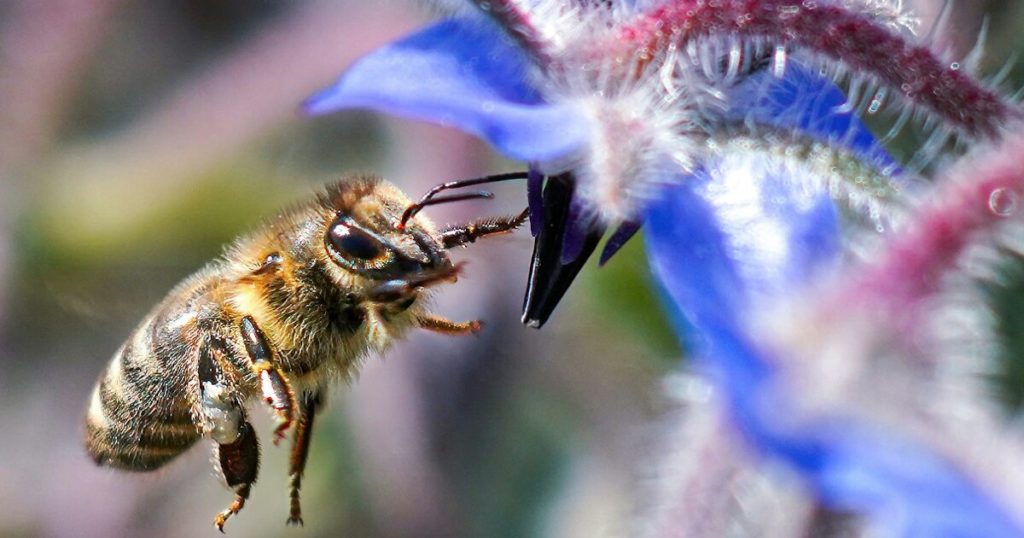
Surround your zucchini patch with quick‑blooming companions like borage, calendula, or nasturtium. These annuals provide a late‑season banquet of nectar and pollen, drawing in honeybees, sweat bees, and native mason bees—many of which nest in bare ground or in hollow stems nearby!
By offering these irresistible floral lures, you’re essentially hosting a pollinator party right in your backyard. I’ve watched countless bees discover the zucchini blooms after sampling calendula, and their visits translate directly into better fruit set and size. Plus, the extra color brightens the garden and keeps beneficial insects busy!
Prune Foliage to Direct Energy to Zucchini
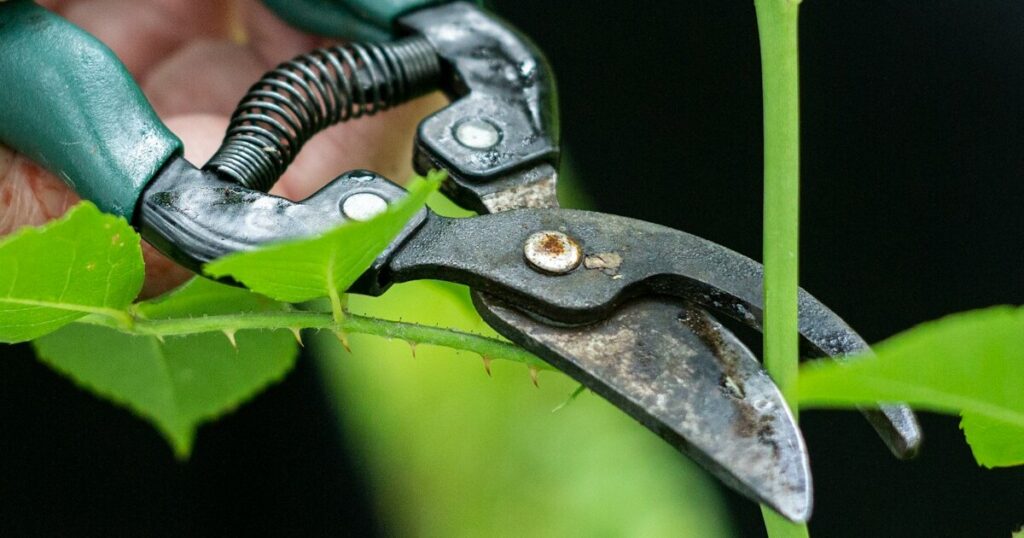
As vines mature, older leaves can sap resources that could go into fruit development. Carefully trim away a few of the largest, yellowing leaves around the crown and lower vines to focus the plant’s energy on swelling those promising zucchini!
This selective pruning mimics natural leaf drop and also improves airflow, reducing humidity pockets where powdery mildew and other fungi like to nest. One of my favorite garden moments is seeing new fruits start to puff up right after a light pruning session—like giving your plants a fresh runway to shine!
Hand-Pollinate Flowers for Guaranteed Fruit
When bee activity slumps in late summer, female blossoms may open without a single bee visit—so take a small paintbrush or cotton swab and transfer pollen from male flowers to female stigmas yourself. Morning is best, when flowers are fresh and receptive!
I love this hands‑on approach; not only does it ensure each blossom can become a zucchini, but it also teaches you about native squash bees (Peponapis pruinosa). These solitary bees often nest in the soil right under your plant beds, so by understanding them, you can make your garden an even better home for future seasons.
Provide a Late-Season Nutrient Kick with Potassium-Rich Fertilizer

Zucchini needs that final burst of potassium to drive cell expansion and fruit swelling. Switch to a fertilizer high in potash—look for ratios like 5-10-10—or side‑dress with wood ash if you have it. You’ll see those last blossoms turn into hefty fruits instead of shriveling away!
This boost also invigorates the soil’s microbial community (hailing from zucchini’s native Central American habitats), helping roots access water and nutrients more efficiently. When those microbes thrive, your plants return the favor with larger, more succulent zucchini.
Harvest in the Cool of the Morning for Maximum Size
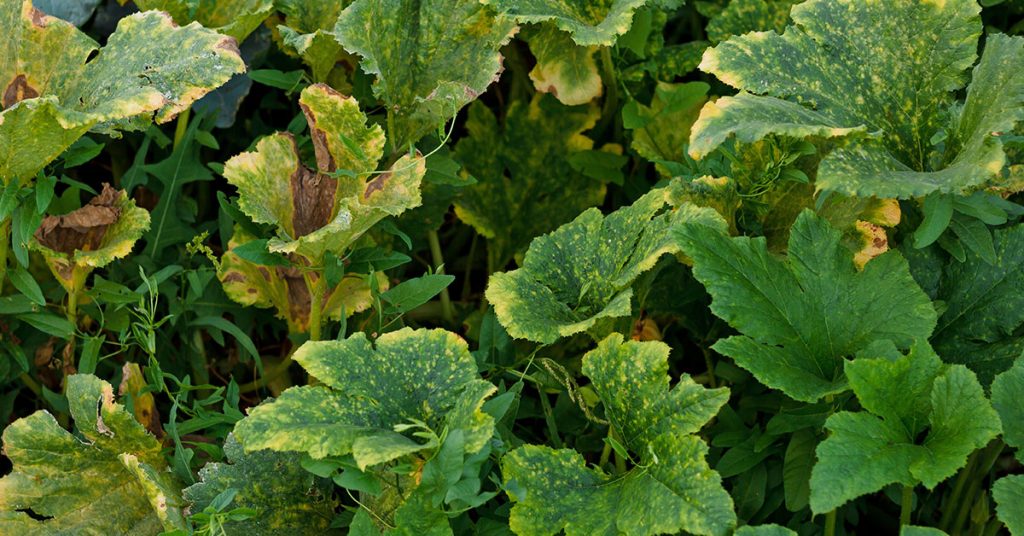
Believe it or not, most zucchini growth happens overnight. By harvesting at dawn—just as flowers close—you catch fruits at their peak plumpness before midday heat causes moisture loss. Keep a sharp knife handy and wander your patch with your first cup of coffee!
Morning harvesting also gives you a chance to inspect for pests like squash bugs or vine borers before they hitch a ride deeper into the vine. I know how gutting it is to lose a fruit to critters, so this little routine keeps your yield high and stress levels low.
Water Consistently and Deeply in the Cool Morning
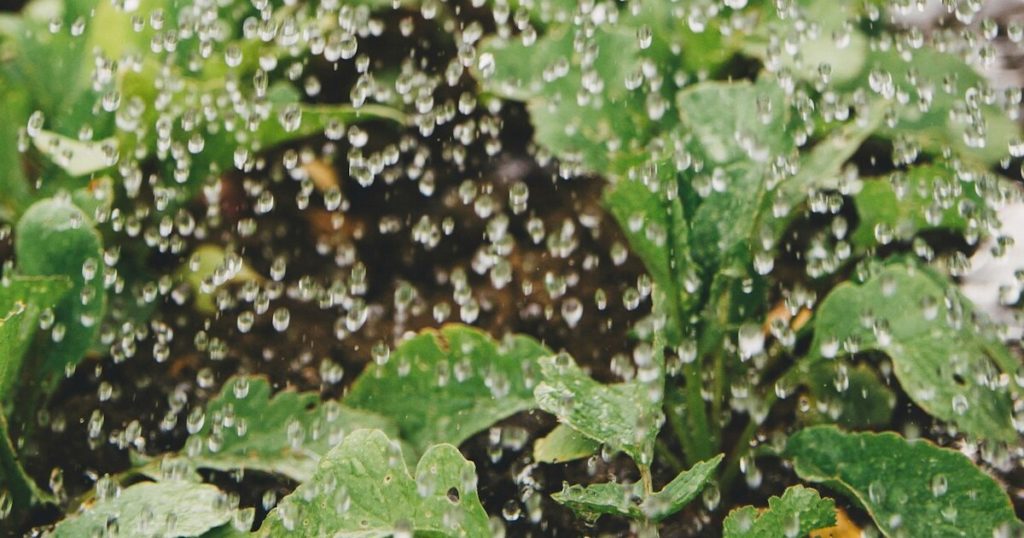
Irregular moisture can lead to stunted fruits or blossom end rot. Aim for about an inch of water per week, applied deeply and early in the day to minimize evaporation. By watering at the soil level, you encourage roots to dive down into cooler, moister subsoil!
In my garden, I’ve noticed that consistent irrigation—especially for plants descended from the temperate highlands of Mesoamerica—yields sturdier vines and more uniform fruit development. Happy roots mean happy zucchinis!
Succession Sow Fast-Maturing Varieties for a Quick Turnaround
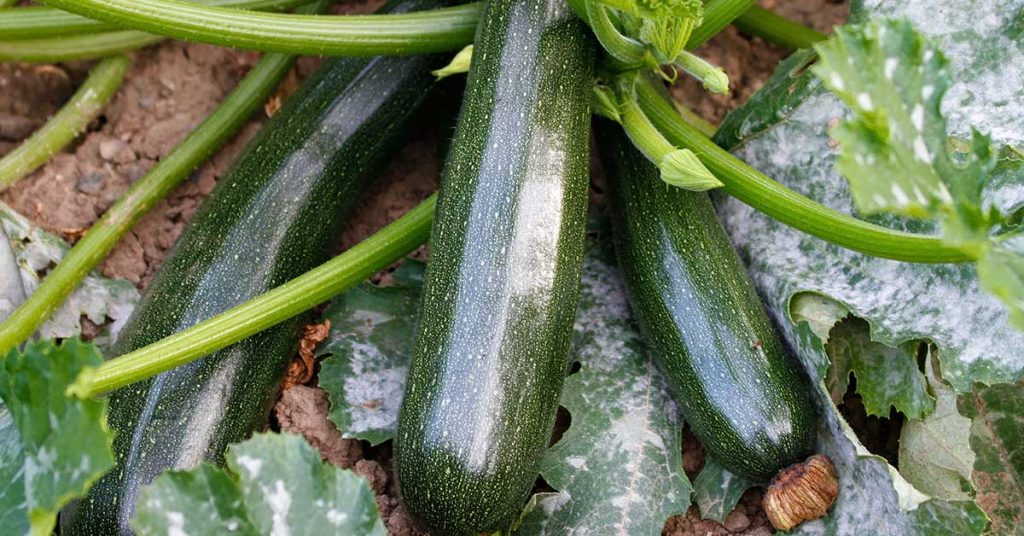
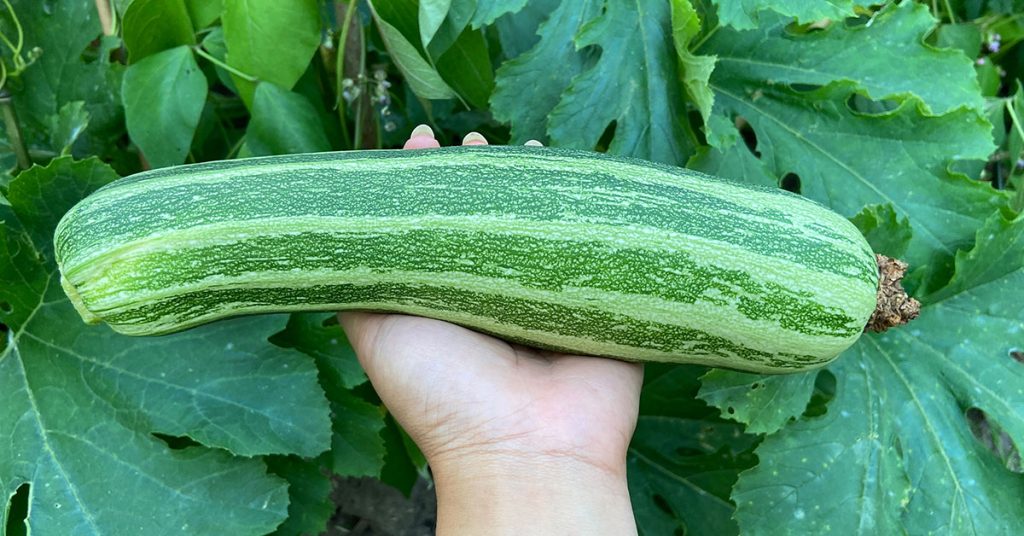
It might surprise you, but some zucchini cultivars mature in as few as 40 days! Choose “baby” or pattypan types, plant them in a small, well‑drained container or a warm micro‑bed, and keep the soil evenly moist. You’ll be amazed at how quickly those tiny fruits pop up—just in time before frost!
These varieties trace back to 19th‑century European selections and aren’t known to run wild, but watch for volunteer seedlings. They can pop up in unexpected spots, giving you bonus fruits when you least expect them!