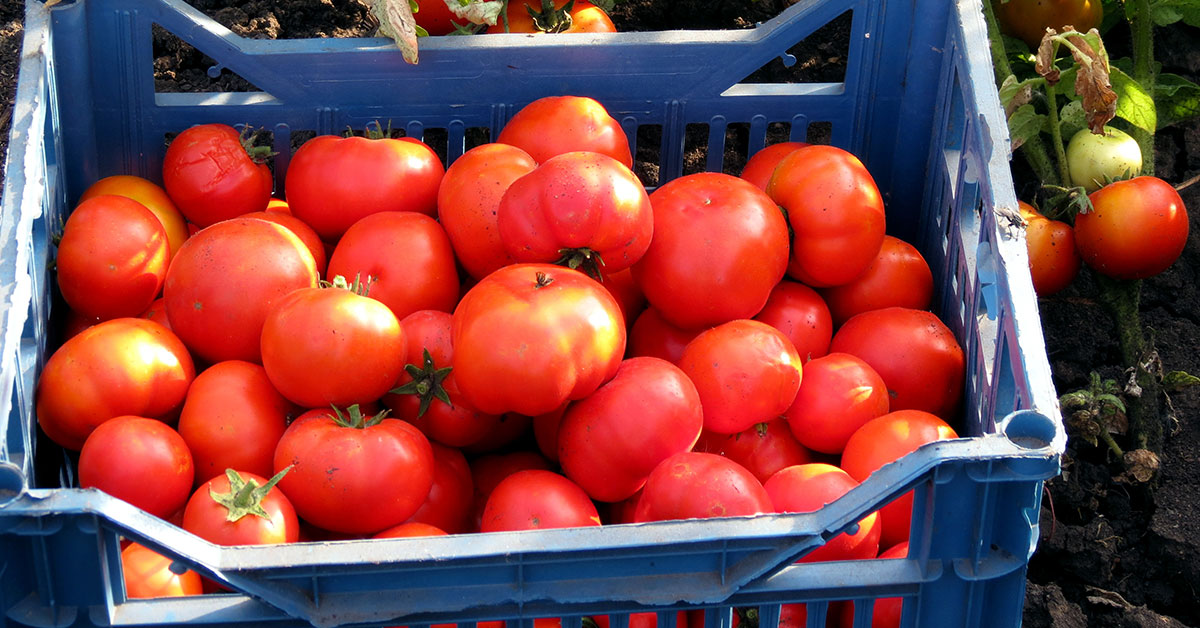

August is a pivotal month in the garden—not just for harvesting, but for planning ahead. If you’re aiming to squeeze every last drop of productivity from your growing space, the secret often lies beneath your feet: the soil. I know it’s tempting to focus on picking tomatoes and battling bugs, but taking time now to rejuvenate and prepare your soil can mean the difference between a garden that fades out in early fall and one that keeps producing right up to the first frost.
I’ve learned over the years that soil care in late summer sets the tone for everything that follows. It’s such a bummer when your fall crops start strong and then stall out because the soil’s tired or dry. But with the right amendments, moisture strategies, and biological boosters, you can keep your plants happy, resilient, and ready to grow. Whether you’re planting greens, roots, or winter keepers, these tips will get your soil in shape for the months ahead.
Add a Layer of Compost to Recharge Nutrients

August is the perfect time to add a fresh layer of compost to your beds. After a summer of heavy growth, soil nutrients are often depleted, and compost replenishes them without the need for synthetic fertilizers. Spread a half-inch to one-inch layer over the soil surface, and either lightly rake it in or let the next watering carry it down. This gives your fall crops the fuel they need without shocking their roots.
Good compost is alive—it attracts worms, fungi, and microbes that help break down organic matter and make nutrients available to plants. I’ve seen birds like robins poke around a freshly composted bed, hunting for insects stirred up by the activity. It’s a great sign that the ecosystem is working! Compost itself isn’t invasive, but be cautious about using unfinished compost that might contain weed seeds or disease.
Test Soil pH and Adjust if Needed

By August, your soil may be more acidic or alkaline than when you started the season—especially if you’ve been applying fertilizers or dealing with irregular watering. Testing your soil pH gives you a snapshot of what’s going on chemically. A simple home test kit or digital probe can help you figure out if you need to add lime (to raise pH) or sulfur (to lower it) for optimal plant health.
Some fall crops, like broccoli and kale, prefer slightly alkaline soil, while others like potatoes prefer a bit more acidity. Getting this balance right can improve nutrient uptake and reduce disease pressure. I’ve noticed that pollinator-friendly herbs like borage (Borago officinalis, native to the Mediterranean and not invasive) tend to bloom better when the pH is balanced, which in turn keeps the bees and butterflies coming to the garden even late into the season.
Loosen Compacted Soil Without Tilling

If your soil feels like cement after a long summer of heat and watering, it’s time to break things up—but that doesn’t mean you need to till. Using a garden fork or broadfork, you can gently aerate the soil by loosening it without turning it over completely. This maintains the soil structure and preserves the microbial life that supports healthy plants.
I’ve seen earthworms, spiders, and ground beetles take advantage of these loosened spaces, using the crevices to move and nest more freely. If you’ve got mulch on top, you’ll likely notice more fungal threads too—a good sign! Avoid disturbing the soil too much in areas where native ground-nesting bees may have settled; they often stay in undisturbed soil edges near flowers like yarrow (Achillea millefolium, native to the Northern Hemisphere).
Apply a Light Layer of Organic Mulch

Reapplying mulch in August helps conserve soil moisture, regulate temperature, and suppress weeds that compete with your fall crops. Choose straw, shredded leaves, pine needles, or untreated grass clippings to cover your beds with a two- to three-inch layer. This will slowly break down over time and feed the soil.
Mulch also creates a cozy habitat for frogs, toads, and beneficial beetles that help control pests naturally. I love seeing a little toad tucked under the mulch near my chard—it always feels like a good luck charm! Just be sure not to crowd the mulch up against the stems of your plants, which can invite rot or pests like slugs.
Top-Dress with Aged Manure for a Boost
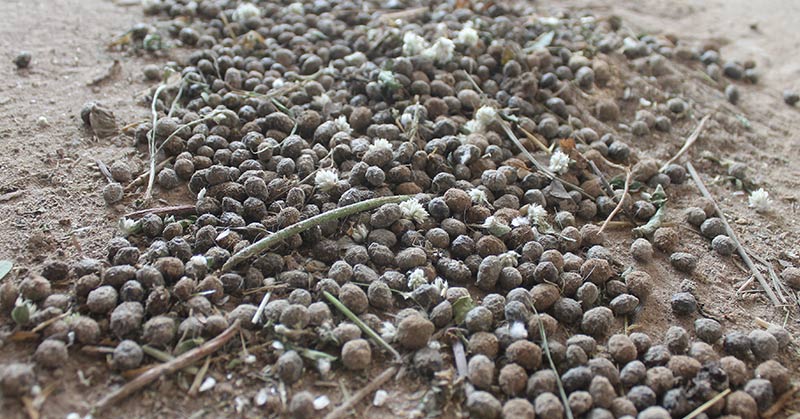
Aged manure is a powerhouse of slow-release nutrients, especially for heavy feeders like brassicas, root crops, and leafy greens. It adds nitrogen, phosphorus, and potassium in a form plants can absorb over time. In August, apply a light layer—about half an inch—and water it in or let a rainstorm do the work.
Be sure to use only composted or aged manure to avoid burning your plants. I prefer rabbit or chicken manure that’s been broken down for several months, but cow or horse manure also works great when cured. Manure isn’t invasive, but it can introduce weed seeds if it hasn’t been hot-composted, so it’s worth sourcing from a trusted supplier.
Inoculate with Mycorrhizal Fungi
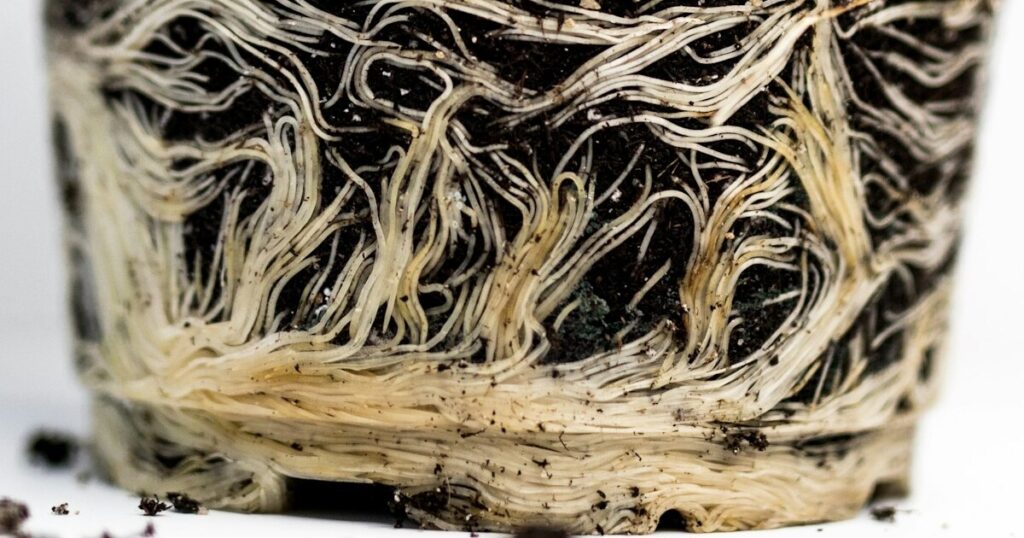
This one’s a bit geeky but so worth it: mycorrhizal fungi form a symbiotic relationship with plant roots, extending their ability to draw water and nutrients from the soil. You can apply a commercial inoculant directly to the root zone when planting or water it in with a drench. August is a great time to do this, especially if your soil has been disturbed or depleted.
These fungi increase plant resilience during temperature swings and drought—something fall gardens often face. I’ve seen kale grow larger, lusher leaves after inoculating the soil, and root crops like carrots and beets respond with thicker roots. The fungi themselves won’t attract pests, but they make your garden more attractive to healthy root-building biology, which supports everything from worm tunnels to microbial nesting zones.
Rotate Your Planting Zones

Crop rotation isn’t just a spring chore—it’s just as important in fall. If you grew tomatoes or cucumbers in one bed during the summer, don’t follow them up with another heavy feeder or something in the same family. Instead, switch to root vegetables, legumes, or leafy greens to reduce disease pressure and keep the soil balanced.
This helps prevent issues like early blight and downy mildew, which can linger in the soil. I’ve found that planting beans after a tomato crop helps reintroduce nitrogen and supports pollinators, since bean flowers are highly attractive to bees. Beans (Phaseolus vulgaris, native to the Americas and not considered invasive) also create a sheltering effect where spiders and beetles can take up residence in the cool shade beneath the foliage.
Keep Beds Moist—but Not Soaked
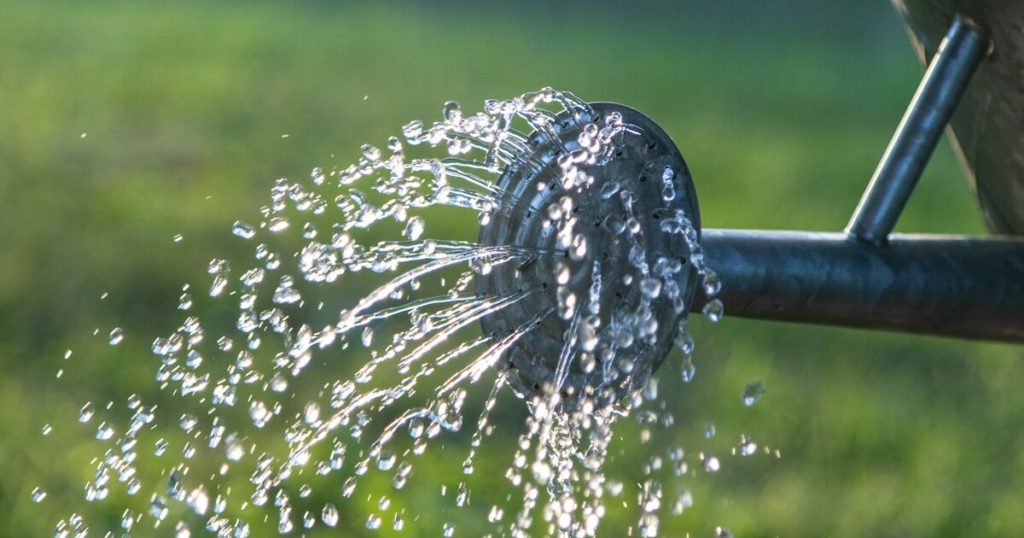
August often brings heat and drought, and dry soil becomes hydrophobic—it repels water instead of absorbing it. Water deeply and slowly to make sure your soil retains moisture, and use a long, steady soak rather than quick sprinkles. This makes it easier for new roots to establish and for microbes to stay active.
I always set out shallow trays of water nearby during late summer to help bees, butterflies, and even wasps rehydrate. You’ll notice more insect activity near consistently moist soil, especially around newly seeded carrots or spinach. It’s a quiet reminder that moisture isn’t just for plants—it nourishes the whole garden community.
Plant a Quick Cover Crop
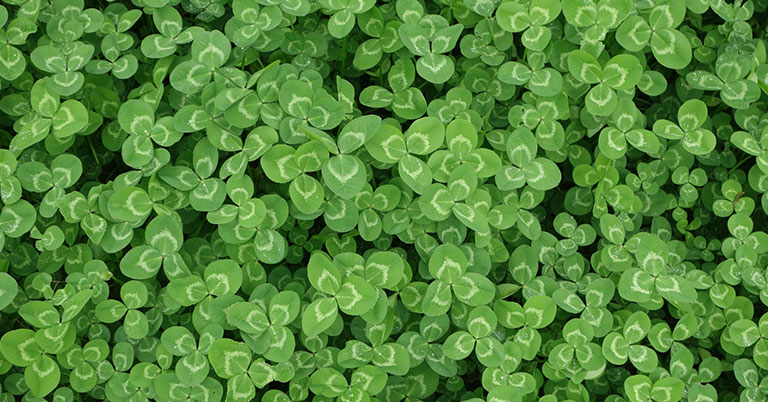
If you’re not planning to fill a bed with fall veggies, consider planting a quick cover crop like buckwheat or crimson clover. These plants grow fast, suppress weeds, and return organic matter to the soil when cut and dropped. Buckwheat, in particular, can flower in just a few weeks and draw in pollinators by the dozens!
Buckwheat (Fagopyrum esculentum, native to Asia) is not considered invasive and is easy to terminate by cutting before seed set. Its flowers attract hoverflies, bees, and even small butterflies, while the foliage acts as a living mulch. When turned back into the soil, it feeds the microbes that keep your soil fertile for next spring and beyond.
Remove Spent Plants and Roots
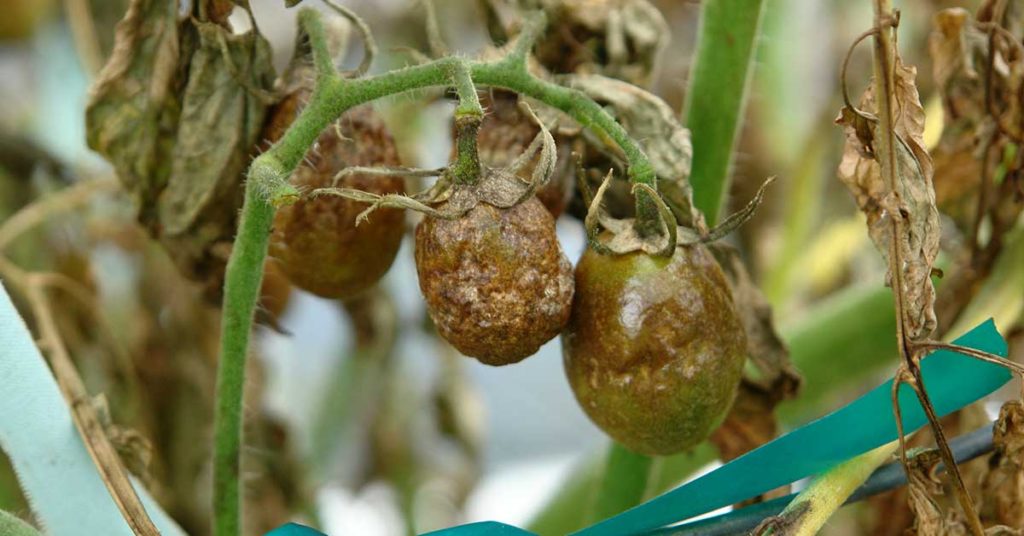
As summer crops wind down, now’s the time to clean up what’s done. Pull out diseased or exhausted plants, but leave healthy roots behind if you can—they’ll break down naturally and improve soil structure. For plants like peas or beans, cut them at the base and leave the roots in the ground to keep their nitrogen-fixing nodules working a little longer.
I often find tunnels from earthworms and beetles weaving through old root zones, so removing the top and leaving the bottom helps maintain these helpful passageways. If you’re pulling tomatoes or peppers (both native to the Americas and not invasive), compost what’s healthy and dispose of anything diseased to avoid overwintering pathogens.