

Just because summer is winding down doesn’t mean your garden has to! August might feel like the tail end of the growing season, but it’s actually a fantastic time to plant another round of vegetables that will carry you into fall—and in some cases, even into early winter. Whether your spring crops have finished or you’re just now carving out time to get things growing, August gives you one last golden window to fill your garden beds with productive, quick-maturing plants.
I know how disheartening it can be to see bare patches in your garden this late in the year. You wonder if it’s worth replanting or if you’ve missed the boat. But believe me, there’s still so much potential in the soil! With the right crops, careful watering, and a little shade when necessary, you can enjoy another harvest of tender greens, sweet roots, and crisp veggies before the frost sets in. Let’s dig into the options you still have time to plant!
Turnips
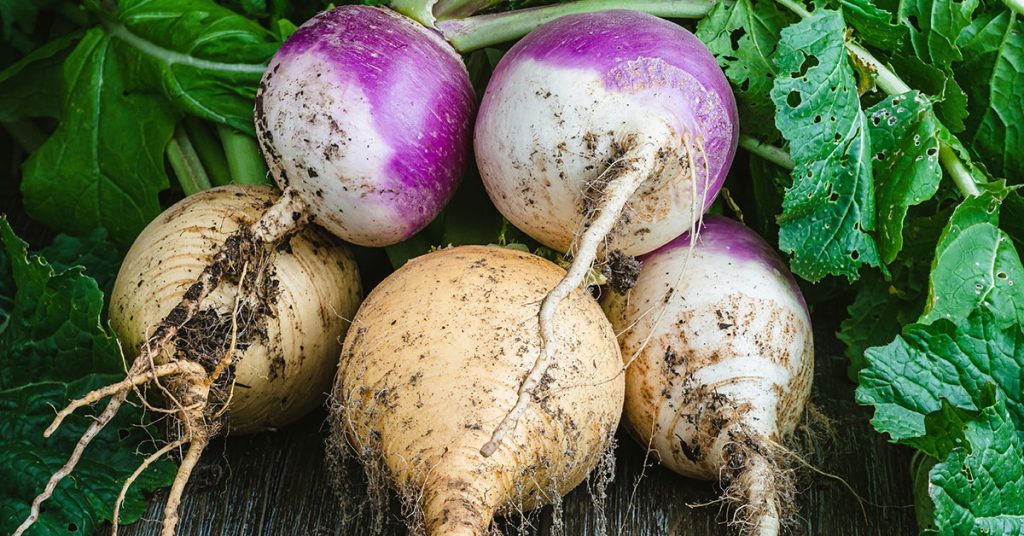
Turnips are one of the most satisfying vegetables to plant in August. They mature quickly—often within 40 to 60 days—and offer a two-for-one harvest: tasty roots and leafy greens. The greens can be harvested first, then the roots left to develop as the days cool down. Both are full of nutrients and do well in cooler late-season conditions.
Turnips hail from Europe and Asia and are not invasive. Their fast growth makes them great for succession planting, and their leafy tops attract caterpillars and butterflies when left to bloom in the second year. I’ve even spotted toads nesting in the shady undergrowth of a late-season turnip bed—it becomes its own tiny ecosystem if left a little wild!
Lettuce
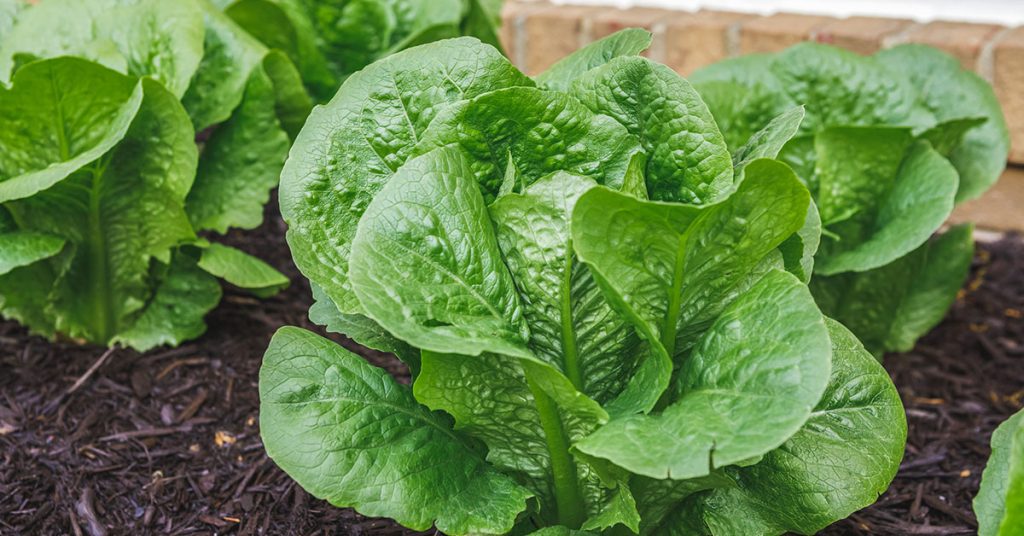
Lettuce is a classic fall crop that thrives in the cooler nights of late summer. August sowing gives you enough time for several harvests if you pick the leaves young or choose quick-maturing varieties. Look for heat-tolerant types early in the month, then switch to cold-hardy ones as the season progresses. Succession sow every couple of weeks to keep salads coming.
Native to the Mediterranean and not considered invasive, lettuce doesn’t require pollinators for leaf production, but when it bolts, the tiny flowers draw in hoverflies and small native bees. Its dense canopy also creates moist, shady soil where ground beetles and ladybugs can shelter. I like to plant lettuce in the spaces between slower fall crops—it makes the most of every inch!
Bush Beans
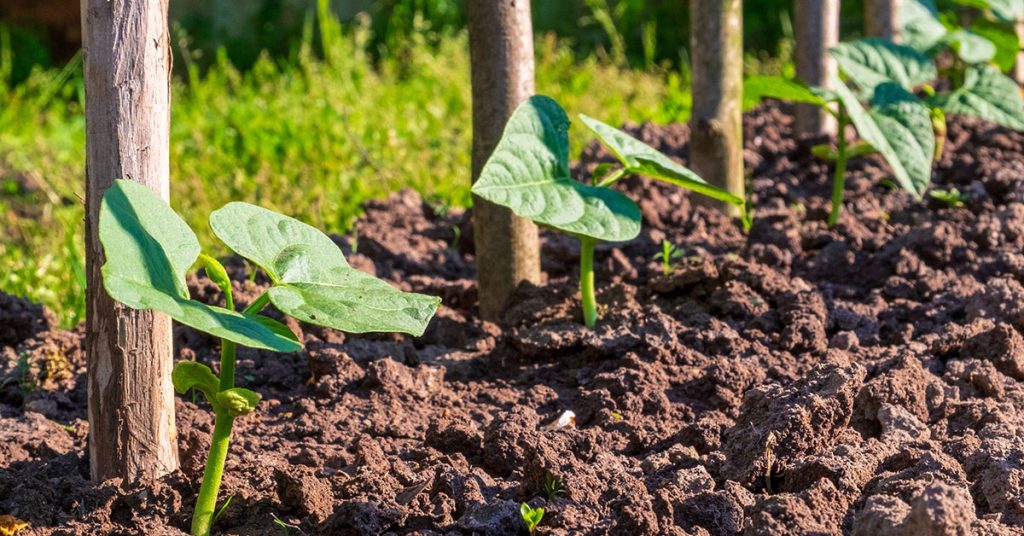
If you’ve got 50 to 60 frost-free days ahead, you can still get in a quick crop of bush beans. These little workhorses germinate quickly in the warm soil and start producing in just over a month. Plant them in full sun and keep the water consistent—beans don’t love to dry out once they start setting pods.
Beans originated in Central and South America and are not considered invasive. Their blossoms are a favorite for bumblebees, and the dense foliage makes great cover for frogs and other beneficial insects. I’ve even had goldfinches perch on the stalks to nibble on insect eggs. It’s wonderful to see life buzzing and hopping through a late-summer bean patch!
Beets
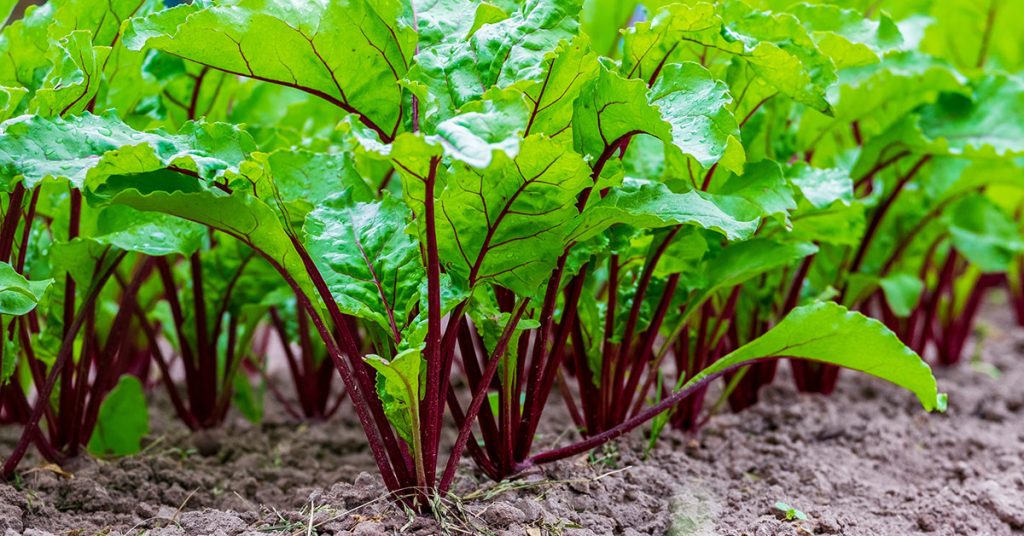
Beets are another dual-purpose crop, offering nutritious roots and greens in one tidy plant. In August, sow them thickly and harvest some young for tender greens while letting others grow to full size for fall storage. They’re frost-tolerant and even sweeter after a touch of cold, making them an ideal late-season crop.
Native to the Mediterranean and not invasive, beets can attract hoverflies and bees if allowed to flower, but you’re likely to harvest before that point. I’ve often seen birds pecking around beet beds, foraging for insects in the cool, mulched soil. Their broad leaves provide a nice umbrella effect, which helps keep weeds down and the soil moist.
Arugula
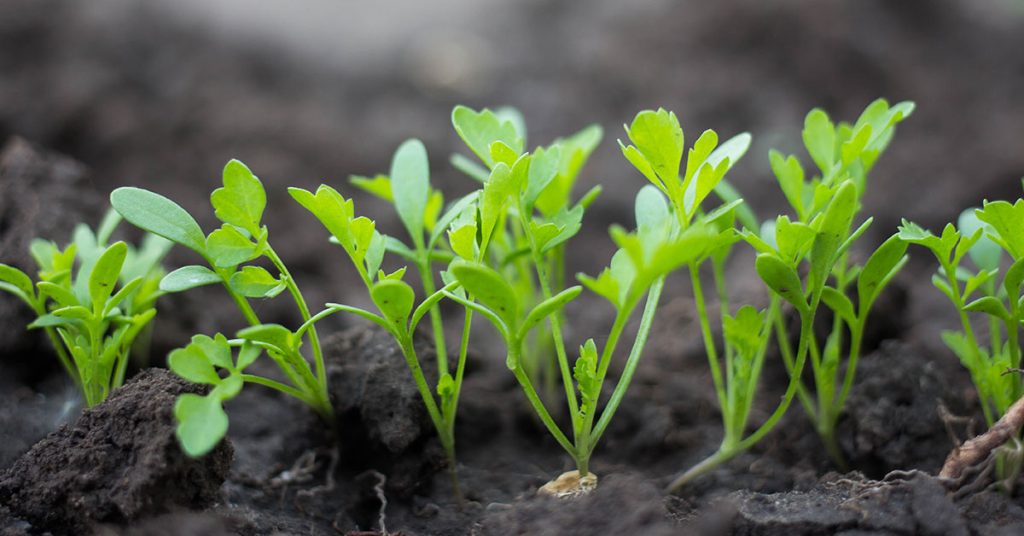
If you’re looking for a spicy green that grows fast and doesn’t mind the waning daylight, arugula is your friend. It can go from seed to harvest in as little as three weeks! August planting gives you multiple harvests if you sow it in stages. Plus, it’s delicious in salads and on sandwiches and pizzas, bringing bold flavor with little effort.
Arugula is native to the Mediterranean region and isn’t invasive, but it can reseed easily if left to flower. Those little blooms are beloved by pollinators, especially small bees and wasps. I’ve had butterflies flutter around my bolting arugula in late September like it’s a five-star buffet! It’s a wonderful plant for bridging the gap between summer and fall.
Radishes

Radishes are one of the speediest crops you can grow in August. Some varieties mature in as little as 25 days, which means you can still get multiple rounds in before frost hits. Plant them anywhere you have space—along the borders of beds, between slower-growing crops, or in containers.
They’re originally from Southeast Asia and are not invasive, though they can reseed if you let them flower. When that happens, those delicate blooms draw hoverflies and bees in droves. I once left a forgotten row of radishes to bolt, and it became the most active insect zone in my garden! Their tiny white or pink flowers are subtle, but pollinators sure notice.
Swiss Chard
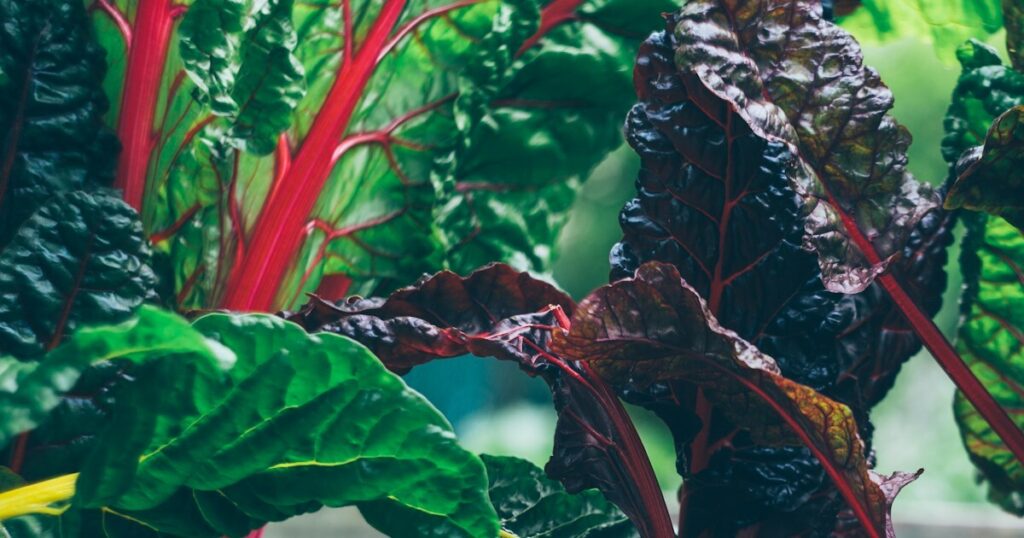
Swiss chard is incredibly resilient and continues growing into late fall with little fuss. It tolerates heat better than spinach and cold better than lettuce, making it a reliable anchor for late-season gardens. You can harvest outer leaves as needed while the plant keeps producing right through light frosts.
Native to the Mediterranean and not considered invasive, chard produces tall stalks and broad leaves that attract aphids—so keep an eye out. But that also means you’re likely to see ladybugs and parasitic wasps showing up to handle the problem! Its thick foliage also provides shade for soil creatures, making it an excellent companion in a mixed bed.
Cilantro
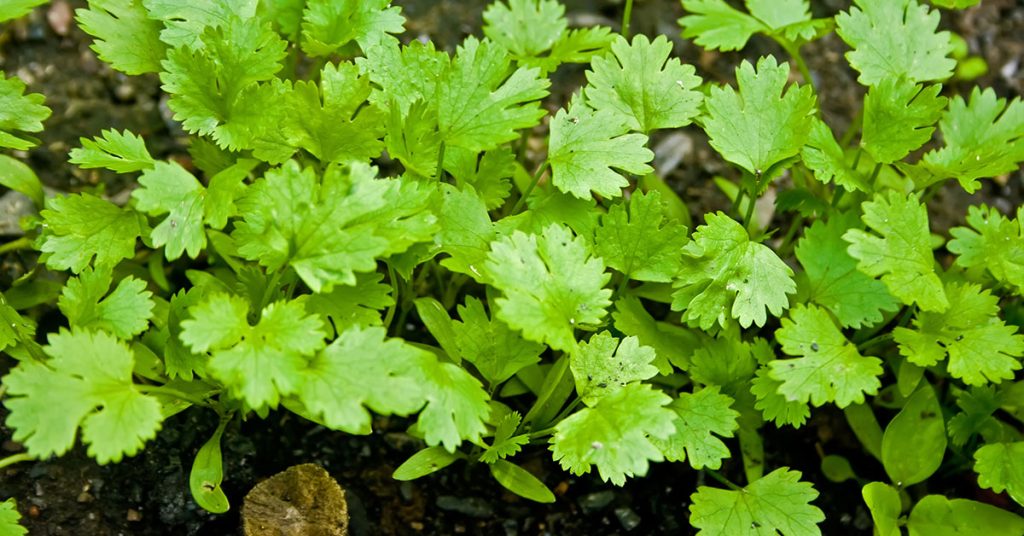
Cilantro is notoriously quick to bolt in summer, but August is the perfect time to plant it again for fall harvest. Cooler temperatures help it stay leafy longer, and you can enjoy both the foliage and eventually the coriander seeds if you let it bloom later in the season.
This herb originated in southern Europe and North Africa and isn’t considered invasive, though it does reseed freely. Its umbrella-shaped flowers attract tiny beneficial wasps and flies that help manage garden pests. I’ve had lacewings and ladybugs congregate on blooming cilantro like it’s a spa day—the more of these helpers, the better!
Spinach
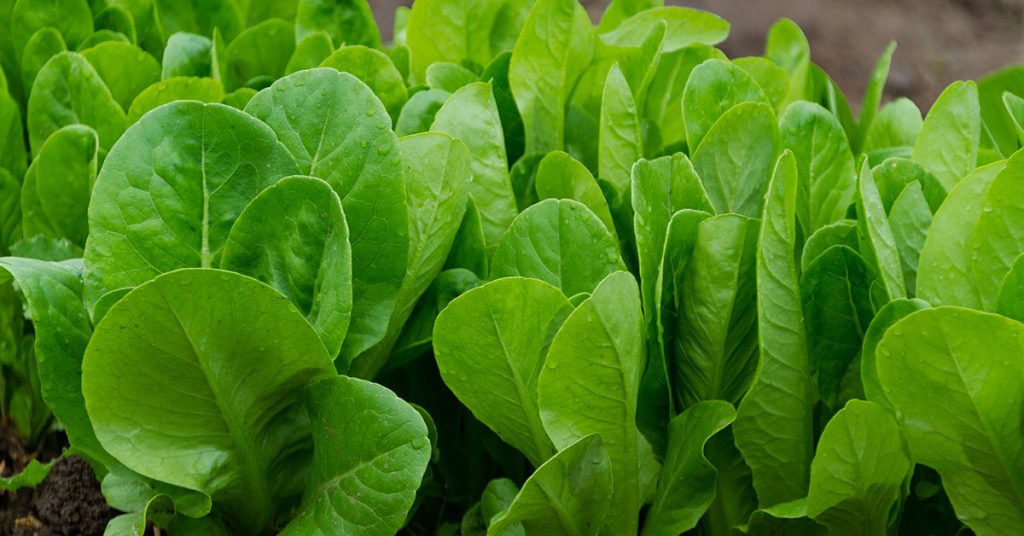
Spinach thrives in cool weather and becomes sweeter as the days shorten. Sow it in August, and you’ll enjoy fresh leaves in as little as 30 days. It can withstand light frosts and is perfect for fall salads or quick sautés. Baby leaves can be harvested earlier for a continuous crop.
Native to Persia and not invasive, spinach doesn’t need pollinators for production but does offer shelter for insects and amphibians. I often find little frogs tucked under the leaves of my fall spinach, enjoying the cool shade. It’s a quiet crop, but one that plays an important role in a well-balanced garden.
Mustard Greens
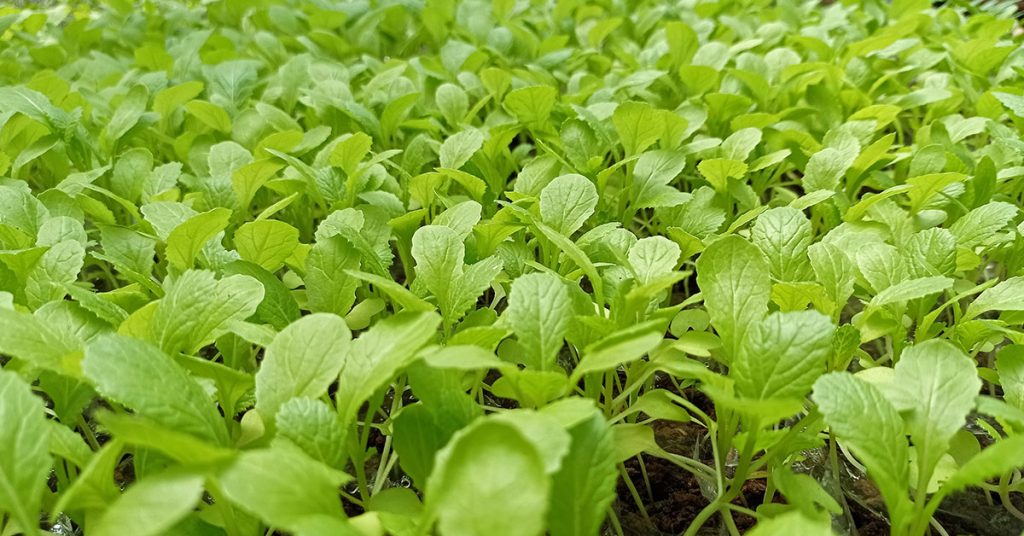
Mustard greens love the cool weather of fall and grow rapidly after an August planting. Their peppery leaves can be harvested young for salads or left to mature for cooking. They’re cold-hardy and flavorful and often deter pests from nearby crops with their strong scent.
Originating from Asia and the Mediterranean, mustard greens are not invasive but can self-seed if allowed to flower. Their yellow blossoms are a late-season buffet for bees and butterflies when little else is blooming. I’ve watched monarchs land on mustard flowers in October, sipping nectar while heading south—it’s a lovely surprise in a fading garden.
Broccoli Raab
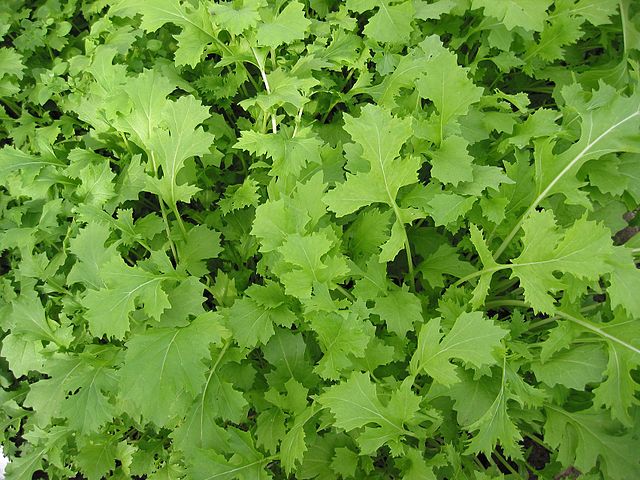
Also known as rapini, broccoli raab grows quickly and is perfect for planting in early to mid-August. You can start harvesting small florets and leaves within 40 to 50 days. It likes cool nights and grows best with consistent moisture, so mulch well to keep it happy.
A member of the brassica family, it shares ancestry with turnips and mustard and is not considered invasive. As it starts to flower, it becomes a magnet for bees and hoverflies. I’ve found that growing broccoli raab also invites ladybugs to take up residence, especially if aphids try to move in—nature always knows how to bring balance.
Bok Choy
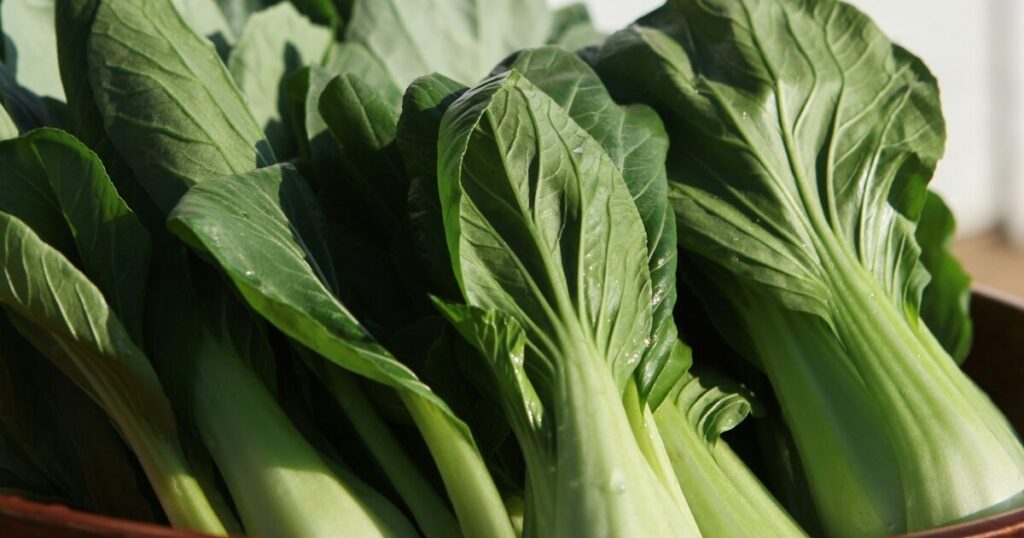
This fast-growing leafy green matures in as little as 30 days and does wonderfully in the waning heat of August. It prefers rich, moist soil and benefits from light shade in hotter zones. Harvest young for tender stir-fry greens or let it mature for full-size heads by late September or October.
Native to China and not invasive, bok choy is often visited by flea beetles, so you may want to use row covers or companion plant with dill or nasturtiums. If left to bolt, the small yellow flowers are a late-season gift to pollinators, and I’ve often seen bees flocking to them when other food sources are scarce.