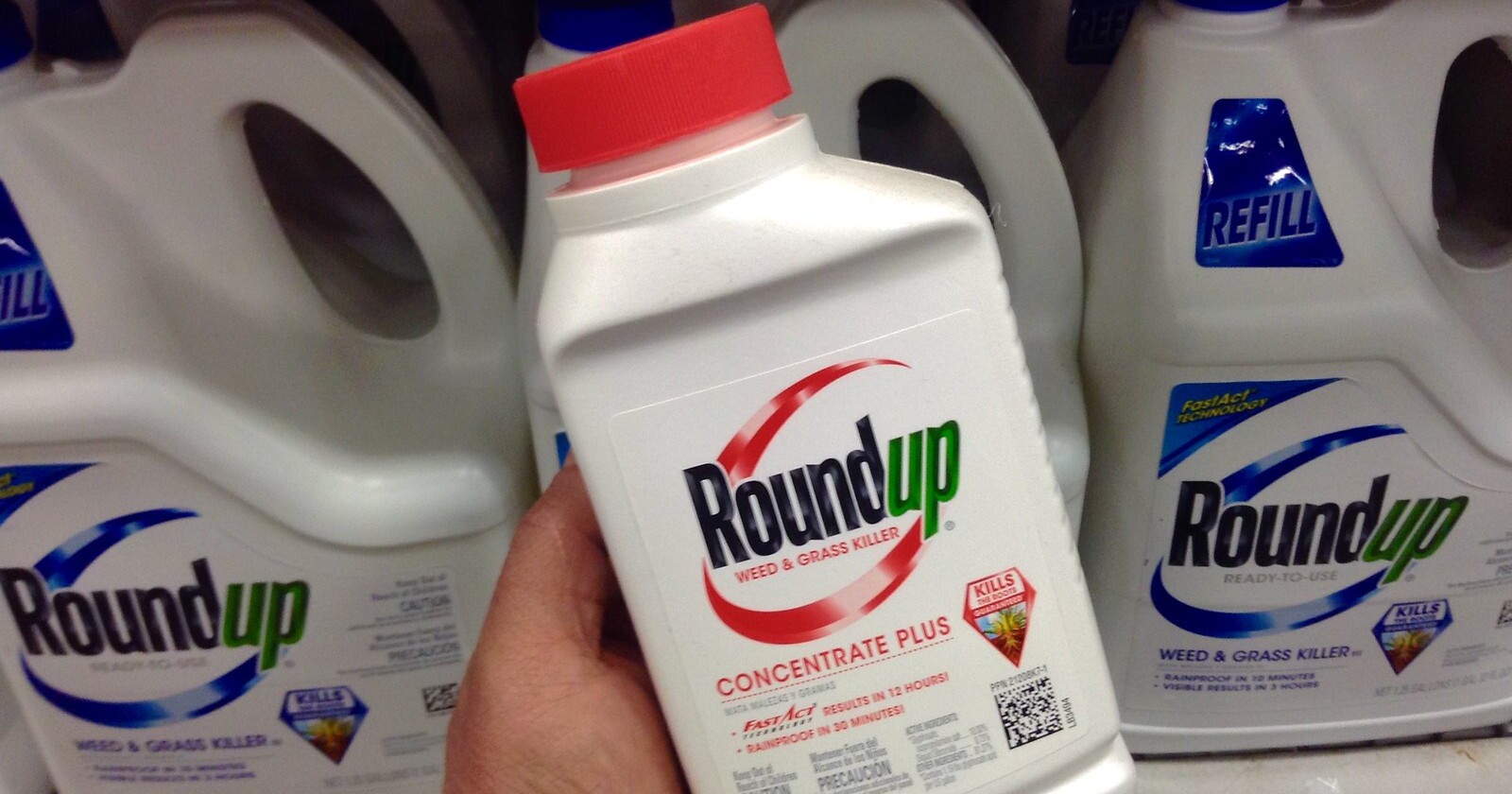

I completely understand the temptation—you’re staring down a patch of relentless weeds, and the chemical weed killer on the shelf promises an easy, fast solution. But if those weeds are anywhere near your lettuce, tomatoes, strawberries, or herbs, you really need to think twice. While these products can seem like miracle workers, they often carry risks that just aren’t worth it, especially in a garden where you’re growing food for yourself and your loved ones.
It’s such a bummer when you put all that care into nurturing your vegetables, only to unknowingly introduce something that could compromise their safety or flavor. I’ve made mistakes like that early on, before I understood the long-term effects these substances can have on the entire garden ecosystem. Whether you’re trying to feed your family clean produce or support pollinators and beneficial wildlife, steering clear of chemical weed killers around edible plants is one of the smartest gardening moves you can make.
Residues Can Be Absorbed by Your Vegetables

Even if a product claims it doesn’t affect nearby plants, chemical herbicide particles can drift or leach into the soil and be absorbed through roots. That means your kale, carrots, or parsley might end up carrying traces of those toxins. It’s unsettling to imagine harvesting food that could be laced with synthetic chemicals, especially when you’re growing your own produce for health and freshness.
Some plants—like leafy greens—are particularly susceptible to absorbing residues because of their large surface area and shallow roots. Spinach, for example, which originates from Persia and is not invasive, has delicate leaves that readily absorb whatever’s in the soil or sprayed nearby. Once those chemicals are inside your crops, there’s no washing them out.
Chemical Runoff Disrupts Soil Health
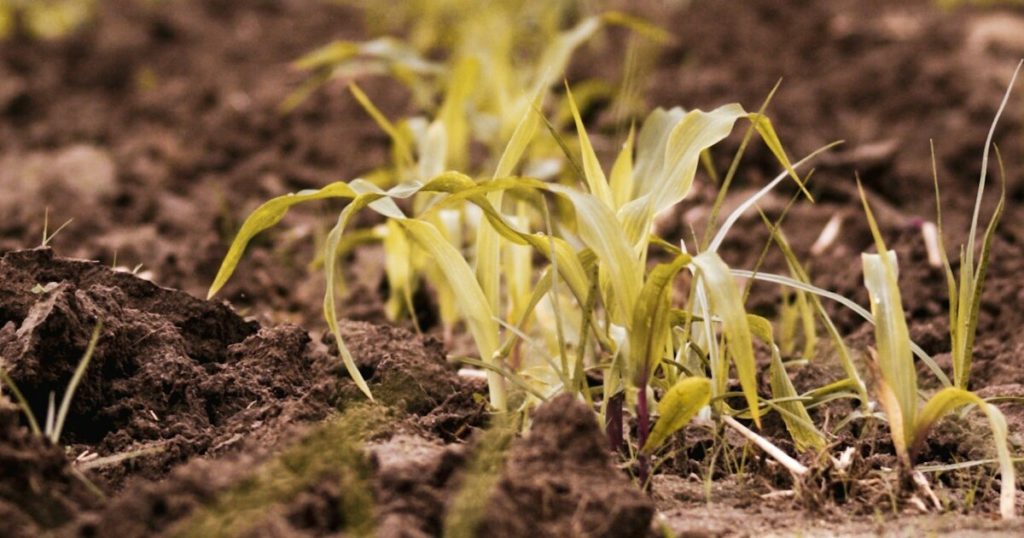
Chemical weed killers don’t just stop with the plant they touch. They can alter the microbiome of the soil, wiping out beneficial fungi and bacteria that help break down organic matter and release nutrients to your veggies. This creates a less fertile, less resilient environment for your garden to thrive in.
One of my favorite plants to grow is basil, native to tropical Asia and not considered invasive. But I noticed a serious drop in its vigor one season after applying weed killer several feet away on the path. That’s when I learned how interconnected everything is in the soil. It’s not just about one weed or one plant—it’s the whole underground community you’re affecting.
Pollinators Can Be Harmed
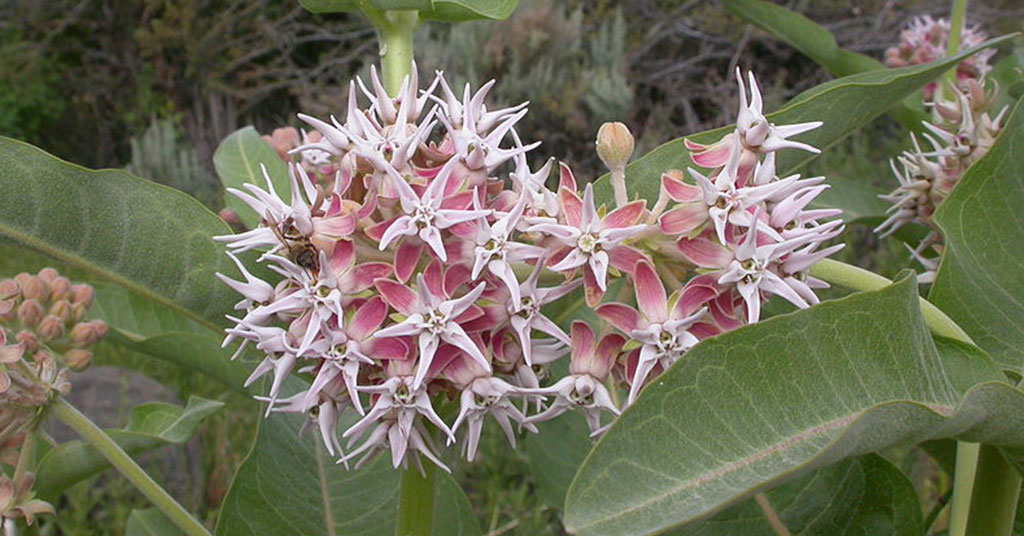
Bees, butterflies, and even hummingbirds can come into contact with residues of weed killers when they visit flowers, or worse, when chemicals settle on nearby blooming plants. These pollinators are essential for fruiting crops like tomatoes, squash, and cucumbers—without them, your harvest may suffer more than you realize.
Even if your weed killer isn’t applied directly to flowering plants, drift and overspray are hard to control. Native flowers like milkweed (Asclepias spp.), essential for monarchs and not invasive in their native range, are often the unintended victims. I’ve seen fewer butterflies in gardens treated with herbicides, even when those chemicals were used “responsibly.”
Wildlife Is Put at Risk
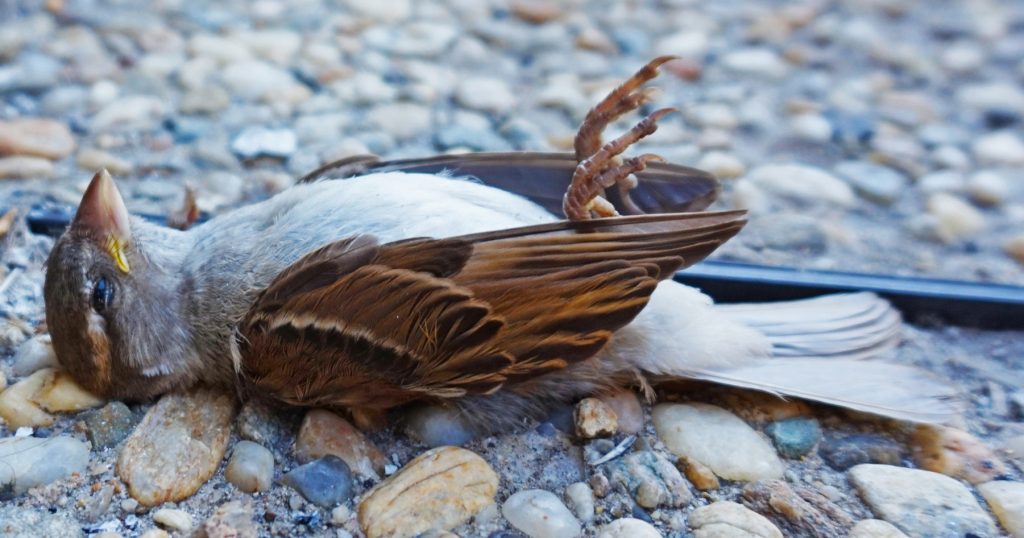
From earthworms to birds, your garden is home to more than just the plants you grow. Birds often feed in vegetable beds, pulling up insects or nibbling on leaves. When chemical herbicides are used nearby, these animals may ingest contaminated plants, seeds, or soil particles, leading to potential health issues or reproductive problems.
Many birds—including robins and wrens—nest close to the ground and feed their young grubs and insects from the soil. If that soil has been treated with chemical weed killer, it’s not just your tomatoes at risk. You may be unknowingly disrupting an entire mini-ecosystem that brings your garden to life with song, movement, and pest control.
Contamination Can Spread Through Wind and Rain
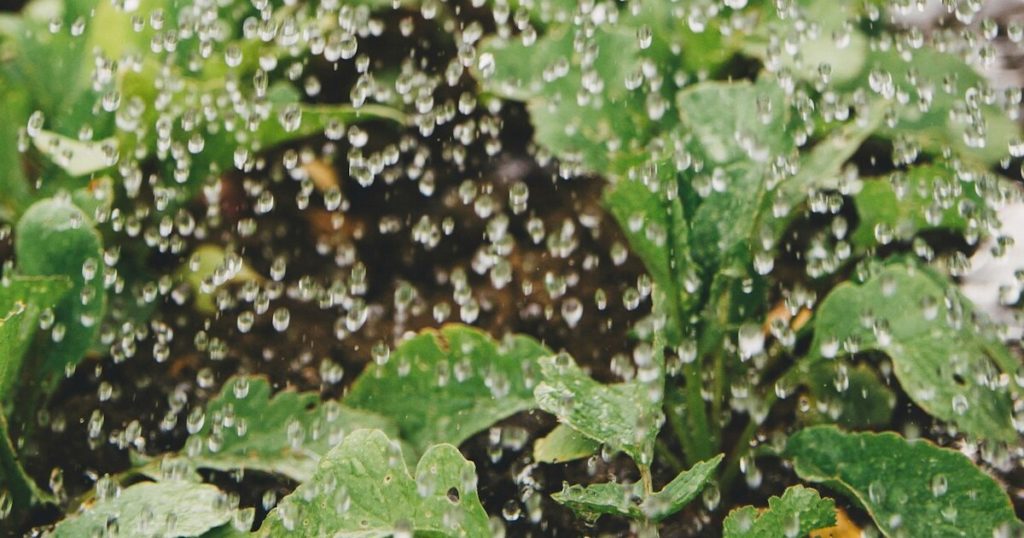
Even if you apply a weed killer with precision, nature has her own ideas. Wind can carry tiny droplets onto your lettuce or herbs, and rain can wash chemicals down into beds that weren’t originally targeted. You might think a buffer zone will protect your edibles—but runoff and drift are sneaky and unpredictable.
This is especially concerning with herbs like cilantro or thyme, which you harvest frequently and use fresh. Cilantro, native to parts of southern Europe and North Africa, isn’t invasive but grows quickly and close to the ground—right where chemical splash or drift is most likely to settle. You don’t want to chop it into your salsa only to wonder what else you’re eating.
Herbicides Can Damage Nearby Plants
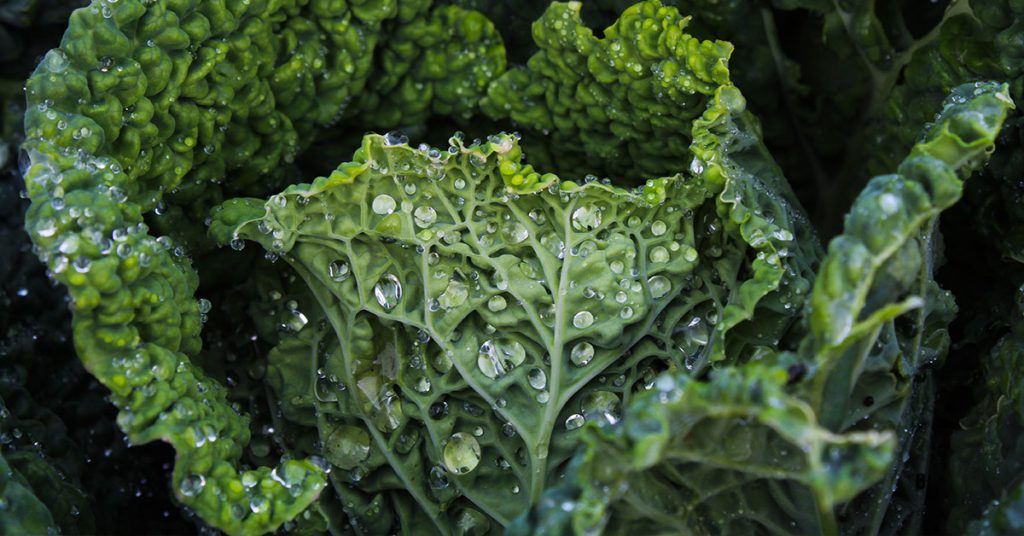
Some weed killers are “non-selective,” meaning they don’t care whether they’re hitting a weed or your kale. Even “selective” herbicides can damage broadleaf vegetables if misapplied or used in windy conditions. If your tomatoes or peppers start showing curled leaves or slowed growth, herbicide damage could be to blame.
I’ve seen entire beds of cucumbers—native to South Asia and not considered invasive—show signs of leaf distortion and stunted vines just from herbicide applied a few feet away. It’s heartbreaking to watch all that effort go to waste because of one application. With such sensitive crops, it’s best not to take the risk at all.
Long-Term Soil Contamination Is a Real Concern

Some chemical weed killers break down quickly, but others persist in the soil for months—or even years. This means that even next season’s garden could be affected, particularly if you rotate crops or plant deeper-rooted vegetables like carrots or beets. The residual presence of herbicides can continue to impact plant health well after the initial application.
I’ve learned this the hard way when planting beans—native to Central and South America and not invasive—which failed to germinate properly in a bed treated the prior season. Only later did I realize that the weed killer I used near the edge had a longer half-life than I expected. Now, I opt for mulching and hand-weeding instead.
It Discourages Soil-Building Practices

Using chemical herbicides can become a crutch, making it easy to skip the slower, but more sustainable, weed management methods like mulching, composting, or crop rotation. Over time, this can lead to compacted soil, lower fertility, and greater weed pressure, ironically making the problem worse in the long run.
One of my favorite ways to build soil is by planting cover crops like clover, which help fix nitrogen and suppress weeds naturally. Clover (Trifolium spp.), native to many regions and not generally invasive in managed spaces, also supports pollinators. When you rely on herbicides, you miss the opportunity to develop systems that actually improve your soil while controlling weeds more effectively.
Kids and Pets May Be Exposed

If you grow edibles in a space where children or pets play or explore, chemical weed killers can pose serious health risks. Residues can remain on surfaces, in the soil, or on low-growing edible plants, where little hands and paws can come into contact with them—and possibly even ingest them accidentally.
I’ve got a curious dog who loves sniffing through the vegetable beds, and it gives me peace of mind knowing there’s nothing synthetic out there for him to ingest. A simple lick of a leaf or a paw that walks through damp herbicide-treated soil can cause issues you never anticipated. It’s just not worth the gamble.
The Natural Alternatives Are Better for the Long Haul
At the end of the day, chemical weed killers promise a quick fix, but they rarely offer sustainable success. With time, weeds develop resistance, and the need for repeated applications increases. Meanwhile, natural methods like deep mulching, cover cropping, hoeing, and flame weeding give you long-term results without compromising the health of your garden or your food.
One of the most beautiful shifts I made in my garden was moving from reactive weed-killing to proactive weed-prevention. With enough compost, healthy soil, and thick planting strategies, I now see fewer weeds—and more butterflies, more worms, and better-tasting produce. It’s a joy to know my edible garden is safe for everyone who visits, whether they’re walking, crawling, or buzzing!