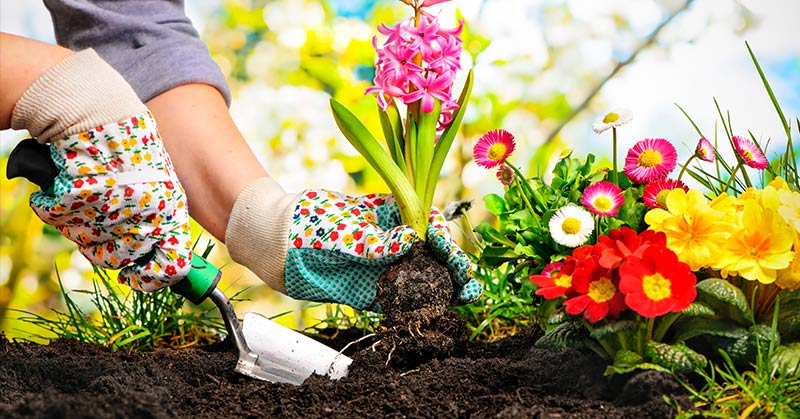

I love the idea of companion planting—it’s romantic, clever, and filled with possibility. The notion that certain plants can protect, nurture, or boost each other’s growth feels almost magical. But here’s the hard truth I’ve learned over the years: companion planting isn’t a silver bullet. While it absolutely has its place in the garden, relying on it too heavily can backfire. Sometimes it causes more problems than it solves, especially if you don’t consider the bigger picture like soil conditions, spacing needs, or pest cycles.
I know how frustrating it is to see a promising pairing fail—watching your tomatoes droop next to stunted basil, or finding your marigold border crawling with aphids despite its reputation as a deterrent. It’s a bummer when expectations don’t match reality! So let’s talk through the downsides. If you’ve been banking on companion planting to fix everything in your veggie patch, this article is for you.
Not All Plants Get Along in Practice
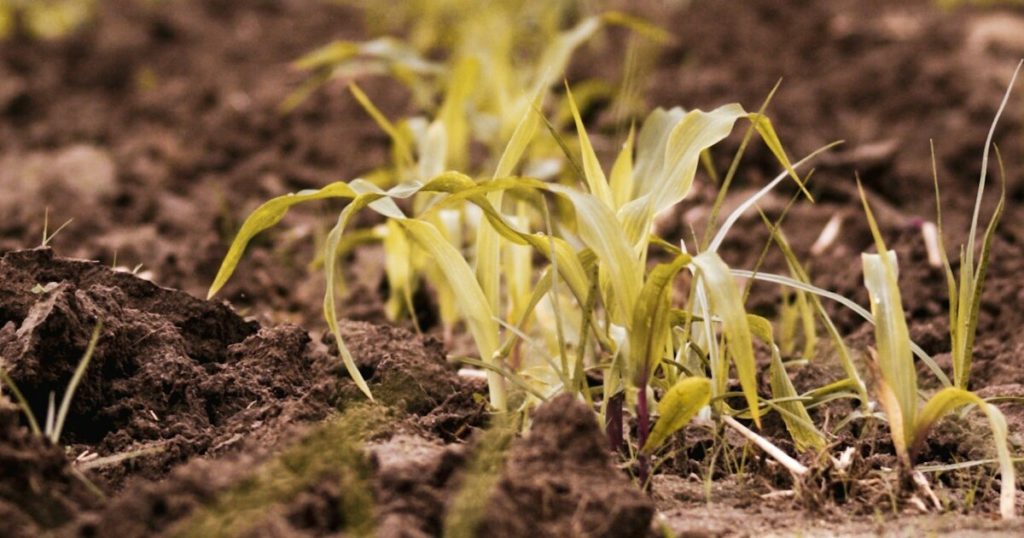
While charts and guides often pair plants together, real-world conditions can tell a very different story. Some plants that are “recommended companions” may actually compete for the same nutrients or root space, especially in smaller beds or containers. For instance, pairing root-heavy crops like carrots and onions might sound good on paper, but in compact soil, they can end up fighting underground.
Even aerial competition matters—some plants, like tall sunflowers (native to North America and not considered invasive), can unintentionally shade out sun-loving companions like tomatoes. I’ve seen peppers stall out when planted too close to vigorous herbs or vines, even though they were supposed to help. What looks balanced in a diagram can feel crowded and suffocating in your raised bed!
Pest Attraction Can Backfire

A classic companion planting strategy is to lure pests away from your main crops with “sacrificial” plants like nasturtiums or radishes. But this can sometimes work a little too well. If the pest population grows unchecked on those decoy plants, it can easily spill over into the rest of your garden before you even notice. Suddenly, that trap crop feels like a Trojan horse.
Take nasturtiums, for example—they’re beautiful and attract pollinators, but they’re also magnets for aphids. If you’re not checking them daily, you might end up with a full-blown infestation. Nasturtiums are native to South and Central America and not invasive, but their sprawling habit and bug-magnet behavior can make them tricky companions. I’ve had years where they invited in more trouble than they deterred.
Conflicting Soil and Water Needs

Not every plant likes the same soil texture, moisture, or pH levels. Companion planting guides often overlook this, leading to combinations that just don’t thrive together. Pairing rosemary (a Mediterranean native that needs sandy, well-drained soil) with basil (native to tropical regions and favoring richer, more consistently moist soil) may sound good—but one of them will likely suffer.
When you try to make two plants happy in the same spot, you often end up making neither of them happy. I once planted thyme with strawberries thinking I was being clever, only to find the thyme shriveled from too much water and the strawberries struggling to get light. It’s such a bummer when you realize your good intentions created a patch of sad plants instead of a dynamic duo.
Timing Mismatches Can Disrupt Growth
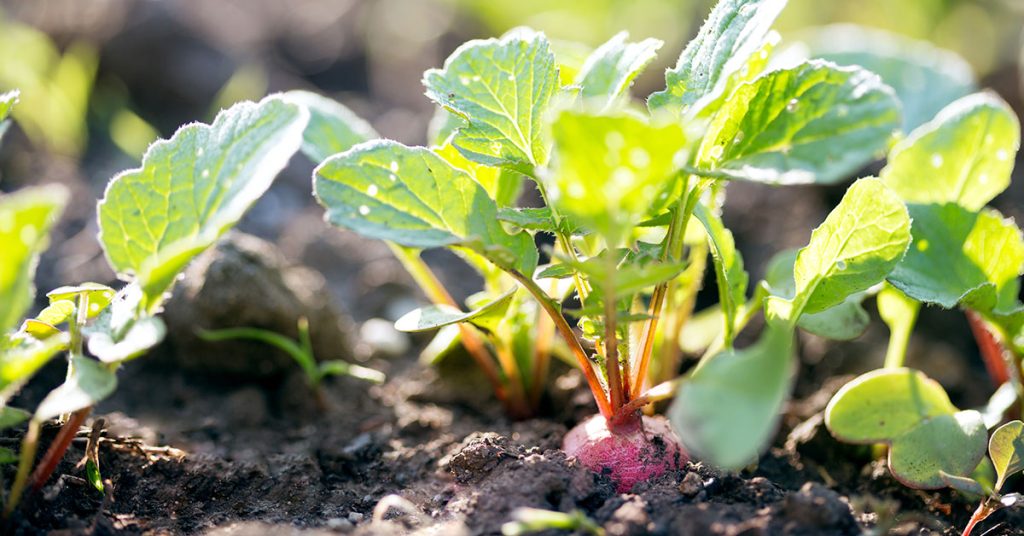
Companion planting assumes all plants involved will follow similar growth timelines, but in reality, some mature much faster than others. For example, radishes might be ready in 25 days while their leafy partners like kale or collards are just getting started. By the time you pull one crop, you risk damaging or disturbing the roots of the slower-maturing companion.
I’ve had this happen when interplanting fast lettuces around slower-growing Brussels sprouts. The lettuces shaded and crowded the young sprouts for too long, and by the time I pulled them, the sprouts were stunted. Lettuce, native to the Mediterranean and not considered invasive, thrives in those conditions—but its success can sometimes come at the expense of its slower friends.
Spacing Issues Reduce Airflow and Increase Disease

One of the biggest risks I’ve seen with companion planting is when too many different plants get crammed into one space. Dense plantings can restrict airflow, especially when combining sprawling and upright plants, and that often leads to powdery mildew, blight, or rot. It’s such a bummer to watch beautiful zucchini flowers droop under the weight of disease just because their neighboring beans got a little too cozy.
This is especially true with herbs like oregano and mint, which spread vigorously. Oregano, native to Europe, isn’t considered invasive everywhere, but it can dominate a space fast. I’ve tried pairing it with bush beans only to regret the jungle it created a few weeks later. The beans, stifled for space and sun, never recovered—and the mildew set in hard.
Too Much Shade from Taller Companions

Taller companion plants can inadvertently shade out those that crave full sun. Corn, for example, is often planted with squash and beans in the classic “Three Sisters” method. While this can work well in large open fields, in a small backyard bed it can lead to problems. I’ve seen the beans struggle to find light while the squash vines trailed into shaded areas and failed to produce.
Corn, native to Mesoamerica, isn’t invasive, but its height and density make it a dominant presence. If the light angles aren’t perfect, the companion plants pay the price. That’s why it’s important to consider sun patterns in your specific garden rather than relying on traditional groupings alone.
Some Combinations Compete for Pollinators
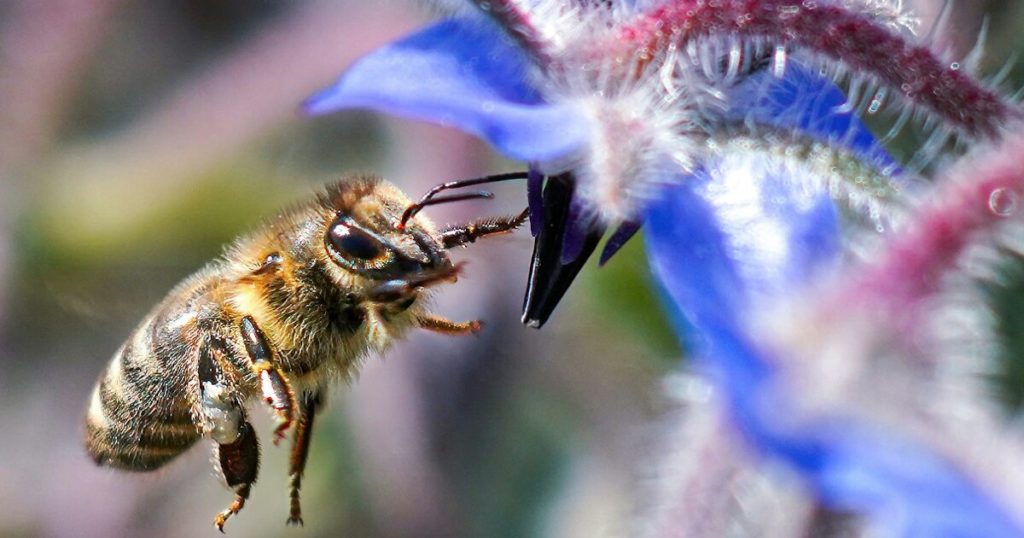
It’s easy to assume that more flowers mean more bees, but that’s not always the case. Certain flowering herbs and vegetables can dominate pollinator attention, pulling visits away from others. When I planted borage and tomatoes together hoping the borage would increase bee activity, I noticed that almost every bee went to the borage and skipped the tomatoes entirely.
Borage, native to the Mediterranean, is not invasive but can self-seed prolifically. It’s stunning in bloom and bees adore it—but it may actually reduce cross-pollination of nearby crops if the floral competition is too strong. I had fewer tomato fruits than usual that year, which was a surprise! Sometimes too much of a good thing throws off the balance.
Beneficial Insects May Be Distracted
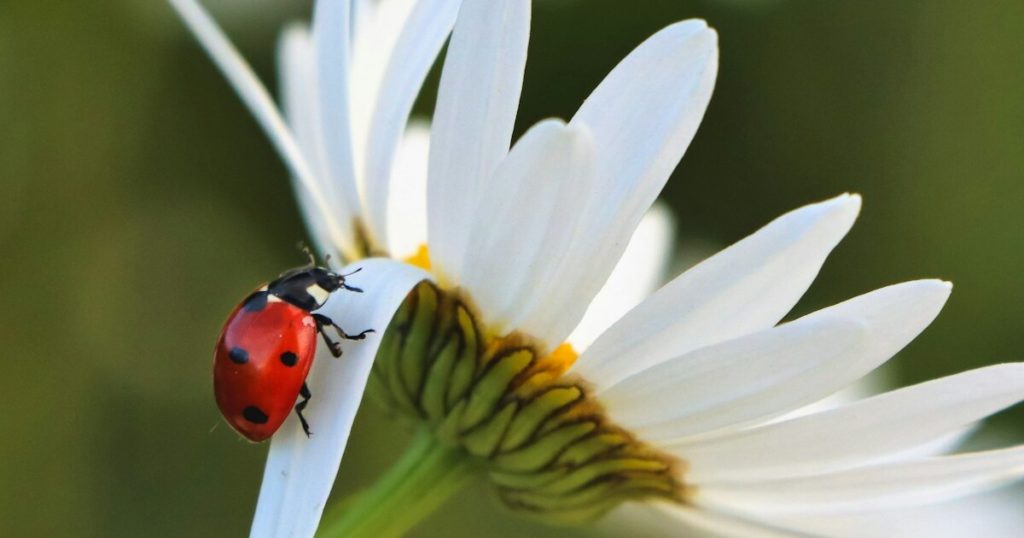
We often plant companions to attract beneficial insects like ladybugs, lacewings, or parasitic wasps. But just like with pollinators, sometimes these good bugs get a little too focused on one area. If you’re trying to draw them into your tomato patch with dill or fennel nearby, they may camp out in the dill and ignore the actual pests on your tomatoes.
Fennel, for example, is native to southern Europe and can be invasive in some regions of the U.S. It’s also famously difficult to pair with other plants because it exudes compounds that inhibit nearby growth. While it’s fantastic for drawing in pollinators and beneficial insects, it often doesn’t play nice in the sandbox—and may distract your garden allies from where you need them most.
Inconsistent Scientific Support

Here’s the thing most guides don’t mention—much of the information we use about companion planting is anecdotal. While some combinations are supported by research (like marigolds repelling nematodes), many are just passed down through gardening lore without consistent scientific testing. That doesn’t mean they don’t work—it just means results can vary wildly.
I’ve tried many combinations over the years that were supposedly guaranteed to boost yields or deter pests, and some did absolutely nothing. Companion planting can sometimes lead to a false sense of security, which means you’re not taking other preventative measures like proper spacing, crop rotation, or timely pest control. It’s always worth testing things yourself instead of assuming a chart will do the trick.
Garden Design Can Become Overly Complicated

Trying to accommodate every suggested companion combination can quickly turn your garden into a confusing maze of mismatched plants. I’ve seen new gardeners get overwhelmed trying to place carrots next to leeks while keeping onions away from peas and cabbage next to dill but not near rosemary—it’s exhausting! Instead of simplifying gardening, it can add unnecessary complexity.
The truth is, focusing on healthy soil, consistent watering, and good garden hygiene often has a bigger impact than perfectly pairing every plant. Sometimes you need to step back, choose the crops you love, and give them space to thrive on their own. Companion planting can be a helpful tool, but it’s not always the answer—and when used poorly, it can make gardening harder, not easier.