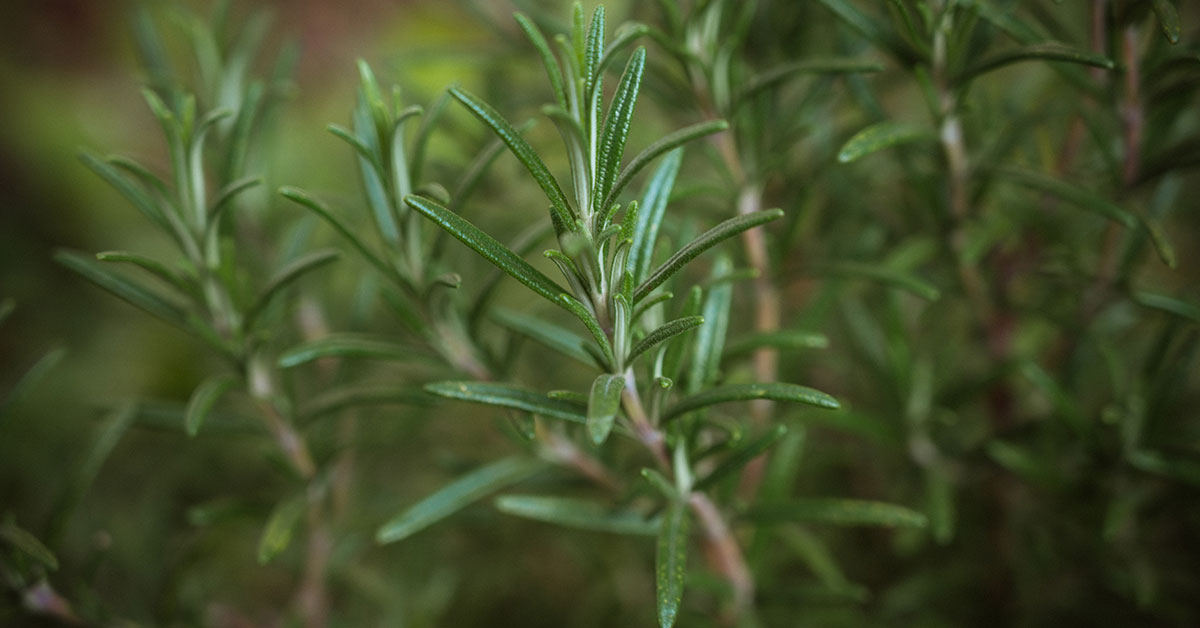

There’s nothing quite like brushing your hand over a bed of herbs and catching that fresh, fragrant aroma—especially in late summer when your senses are already tuned to the richness of the season. But if you want your herbs to keep thriving and deliver a strong yield in September, August is your golden window! This is the moment when things either surge with growth or begin to fizzle, and the right kind of care can tip the balance in your favor. I’ve had years when I coasted through August only to find leggy basil and tired thyme by September—and others where just a little extra effort gave me armfuls of flavorful herbs deep into fall.
So if you’re feeling unsure of what your herb garden needs right now, I’m thrilled to guide you through it. I know how discouraging it can be when your rosemary starts to dry out or your cilantro bolts before you’ve had a chance to enjoy it. Let’s take care of your herbs so they keep giving through September and beyond. Whether you’re growing basil in pots, rosemary in raised beds, or mint that’s determined to take over your yard, there’s something here to help every herb lover!
Deadhead and Prune to Promote New Growth
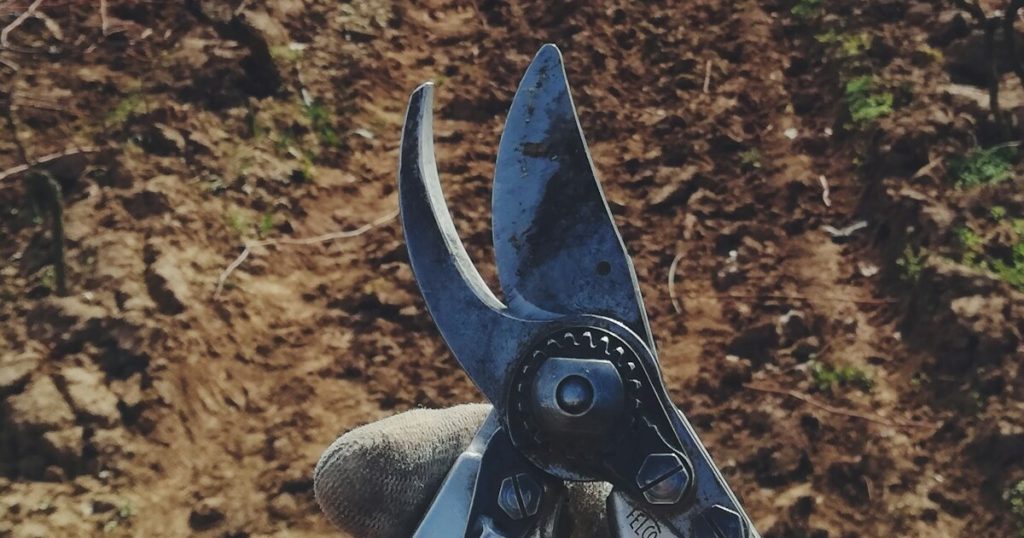
Many herbs like basil, thyme, and oregano respond brilliantly to pruning in August. Removing spent blooms and cutting back leggy stems not only keeps the plants looking tidy—it tells them to kick into growth mode. Basil especially benefits from regular pinching just above a leaf node, which encourages branching and fuller plants. You’ll get more leaves and delay flowering, which often signals the end of vigorous production.
These herbs aren’t just flavorful—they’re also inviting to pollinators. Bees and butterflies adore basil and oregano flowers, and if you let a few bloom, you might see hummingbirds flitting in too. Most culinary herbs aren’t considered invasive, though mint and oregano (both Mediterranean natives) can spread aggressively if left unchecked. Pruning helps contain them, keeps your garden healthier, and ensures you have lots of usable foliage going into September.
Water Deeply but Less Frequently
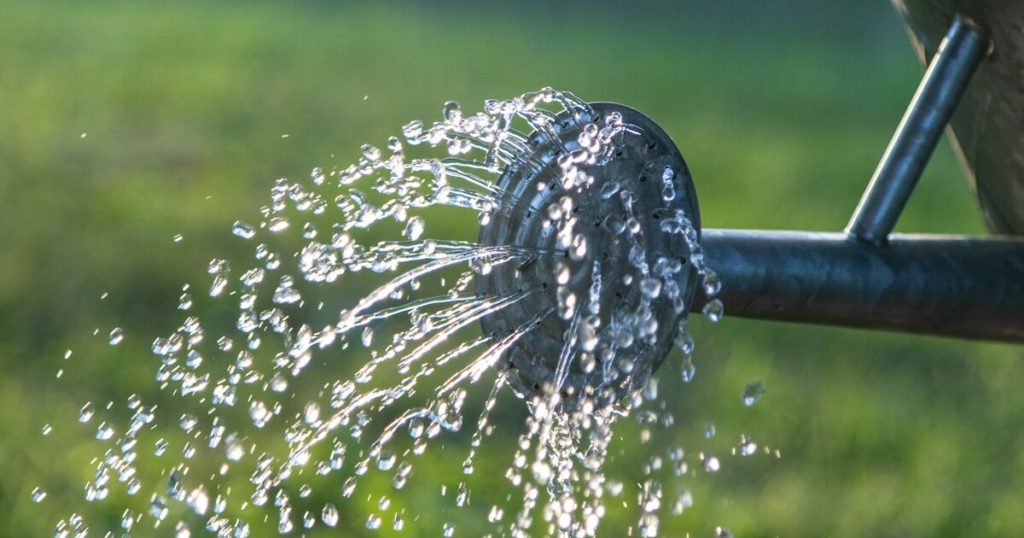
It’s easy to fall into the trap of shallow, frequent watering during August’s heat, but herbs actually thrive on deeper, less frequent soaking. This approach encourages roots to grow down into the soil, making your plants more resilient in both heat and wind. I like to give my herbs a good soak every three to five days, depending on your rainfall and humidity.
Mediterranean herbs like rosemary, lavender, and thyme evolved in dry climates with well-drained soils, so they really don’t like soggy feet. Overwatering can lead to root rot, especially in containers. Deep watering keeps the topsoil from crusting while helping support beneficial insect life like ground beetles and spiders that patrol for pests. You might even notice butterflies resting on damp soil patches—another little benefit of this habit!
Give Them One Last Feeding

If your herbs have been working hard all summer, August is a good time to refresh their nutrient supply with a light dose of fertilizer. Choose a balanced organic blend or something slightly higher in nitrogen to support leafy growth. Just be careful not to overdo it—too much fertilizer can make your herbs taste bitter or cause them to grow too fast and become weak.
Parsley, basil, and cilantro especially benefit from this late-season feeding. Most of these herbs originated in Europe and the Mediterranean, and they aren’t invasive, but they do need help in nutrient-depleted soil. I like to feed just after a good watering so it soaks in evenly. Bonus: healthy herbs are less appealing to pests and less likely to succumb to mildew or leaf spot, which can be common in humid August weather.
Propagate by Taking Cuttings

If your herb plants are healthy and thriving, August is the perfect time to take cuttings for propagation. Rosemary, sage, thyme, and basil root well from softwood stems. Just snip a few non-flowering stems, strip off the lower leaves, and stick them in a moist potting mix or even a glass of water. Within a couple of weeks, you’ll have new baby plants ready to pot up!
This method not only helps you multiply your stock, but it’s also a great way to manage the plant’s shape and stimulate fresh growth. Herbs like sage and rosemary, which are native to the Mediterranean and not considered invasive, can get woody over time, and cuttings help rejuvenate your patch. Plus, they make lovely gifts! I’ve handed off cuttings to neighbors more than once—it’s a simple joy to share.
Watch for Bolting and Remove Flower Stalks
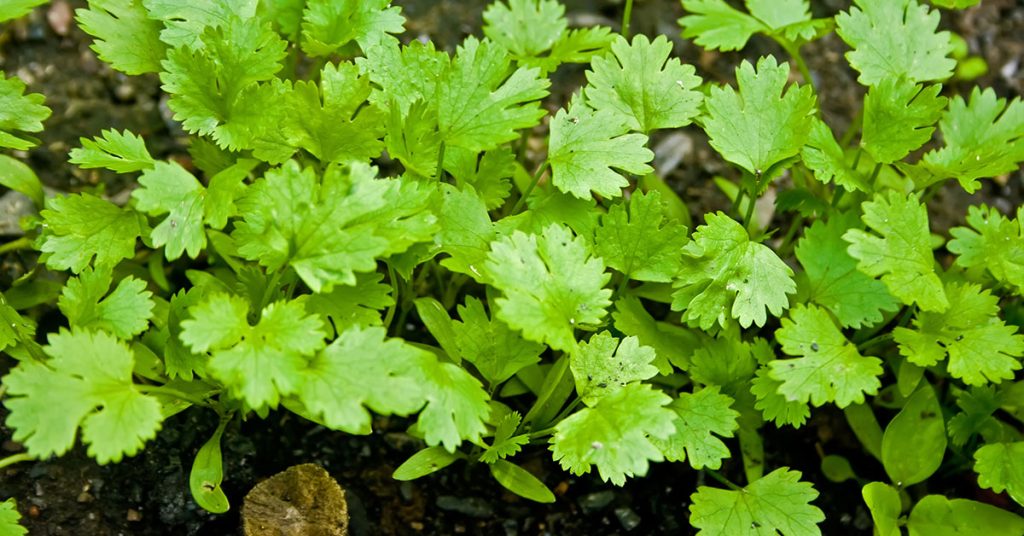
Some herbs, especially annuals like cilantro, dill, and parsley, are notorious for bolting in hot weather. Once they send up a flower stalk, the leaves can become sparse and bitter. In August, you’ve got to keep a close eye and snip off those stalks the moment they appear to extend the leaf harvest. Timing is everything here!
Bolting can be so frustrating—I know it feels like your plants betrayed you just when they were looking good! Cilantro, originally from regions of southern Europe and North Africa, is particularly quick to bolt in high heat. But if you allow a few to flower, the tiny blossoms will attract hoverflies, lacewings, and even ladybugs. Just don’t let the whole bed go to seed unless you’re ready for a forest of volunteers in the spring.
Re-pot Herbs That Are Rootbound

If your herbs are in containers and you’ve noticed stunted growth, wilting despite watering, or roots poking out of drainage holes, they may be rootbound. August is a great time to gently re-pot them into larger containers or divide the root mass and refresh the soil. A roomy pot with fresh, nutrient-rich soil will help your plants bounce back fast.
Mint is especially notorious for filling every inch of a pot with roots—it’s native to Europe and Asia and is considered invasive if planted directly in garden beds. Re-potting it gives you a chance to control its growth and revive its vigor. Don’t forget to water deeply afterward and give it a little shade for a few days to reduce transplant shock. You’ll likely see a flush of new leaves by early September!
Pinch Back Basil Before It Flowers
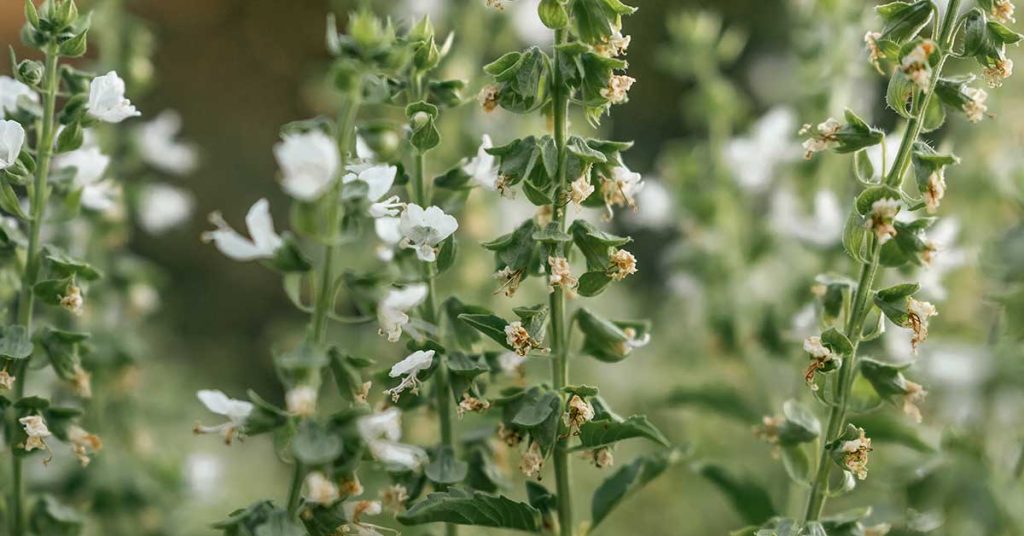
Basil is a star in the summer herb garden, but it’s quick to bolt once temperatures spike or when it feels its lifecycle is wrapping up. Pinching it back frequently through August helps keep it leafy and productive. You want to remove the top two sets of leaves just above a node—this encourages bushier growth and delays flowering.
Basil, native to tropical regions of Asia and Africa, isn’t invasive, but it can grow aggressively in the right conditions. When you pinch it back, you’re not just preserving flavor—you’re also giving pollinators like bees more time to visit the blossoms when you finally do let it flower. And if you ever see tiny birds like finches pecking around, they may be picking off pests hiding under the leaves. Basil supports more life than we give it credit for!
Refresh Mulch to Retain Moisture
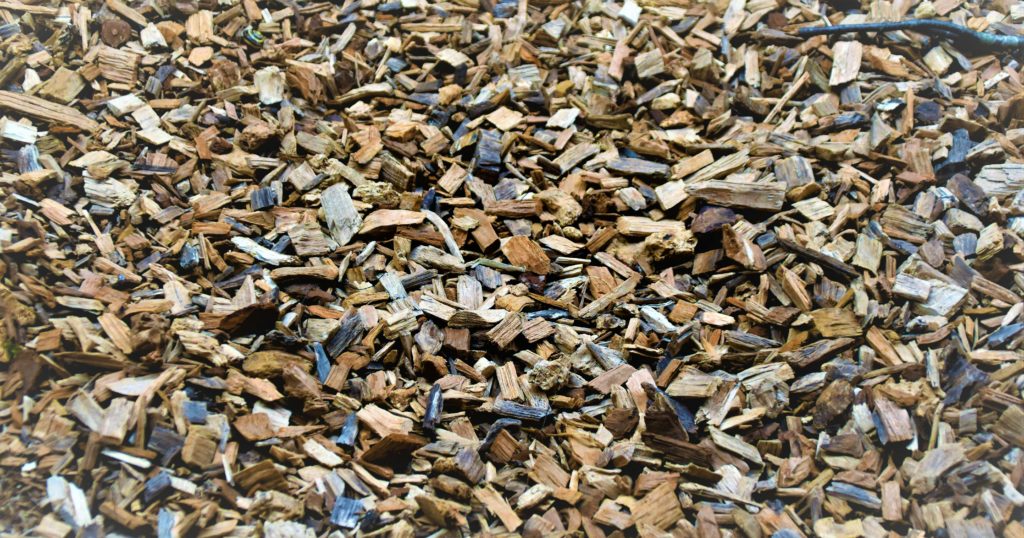
August’s sun can be relentless, especially if you’re growing herbs in raised beds or containers where soil dries out quickly. Reapplying or fluffing up your mulch layer can make a big difference in retaining moisture, regulating soil temperature, and reducing weed pressure. I like to use shredded leaves, straw, or even pine needles for this task.
A good mulch layer also creates a mini-ecosystem. It invites beneficial insects, helps ground beetles patrol for caterpillars, and can even give frogs or toads a damp, cool hideout. None of the mulch materials mentioned are invasive if properly sourced. Just avoid dyed or chemically treated mulches near edibles—they can do more harm than good to your herbs and your soil!
Thin Out Dense Plantings
Herbs that were direct sown or have self-seeded may end up too crowded in late summer. Crowding reduces airflow, leading to mildew and stunted growth. August is your last call to thin them out! Carefully remove the smaller or weaker plants to give the stronger ones more space and nutrients. The thinnings can often be used just like microgreens.
Cilantro and dill, for example, tend to reseed easily, and while they’re not invasive in most climates, they can certainly get unruly if left unchecked. Thinning helps you manage the chaos while improving overall plant health. I’ve even seen birds like goldfinches poking around in dense herb patches, hunting for bugs and seeds, so thinning can help them navigate the space too.
Harvest and Dry for Later Use
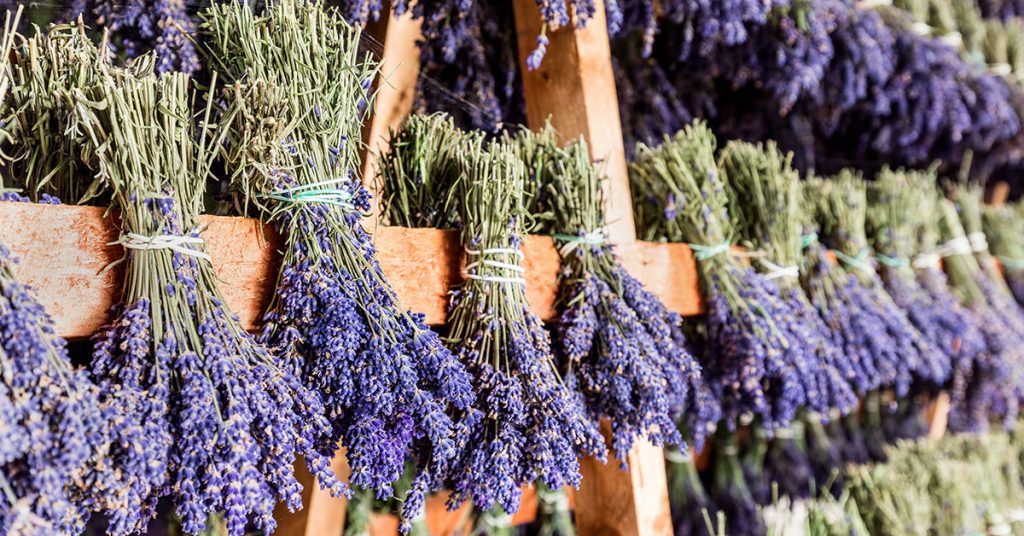
One of the best things you can do in August is a thorough harvest of mature herb foliage. This stimulates new growth and also gives you a stockpile for fall and winter. Air-drying works well for sage, thyme, oregano, and rosemary, while tender herbs like basil and parsley freeze beautifully in olive oil or water in ice cube trays.
Harvesting at this time also lets you clean up the plants and reduce pest hiding spots. Bees and butterflies are often active on herb flowers, so harvest early in the day when pollinators are less busy. And don’t be surprised if you stir up a toad or two nestled beneath your sage—they love the shady shelter! Herbs like oregano and mint, while not invasive when harvested regularly, can dominate a space if left untouched.
Divide Perennials Like Chives and Lemon Balm
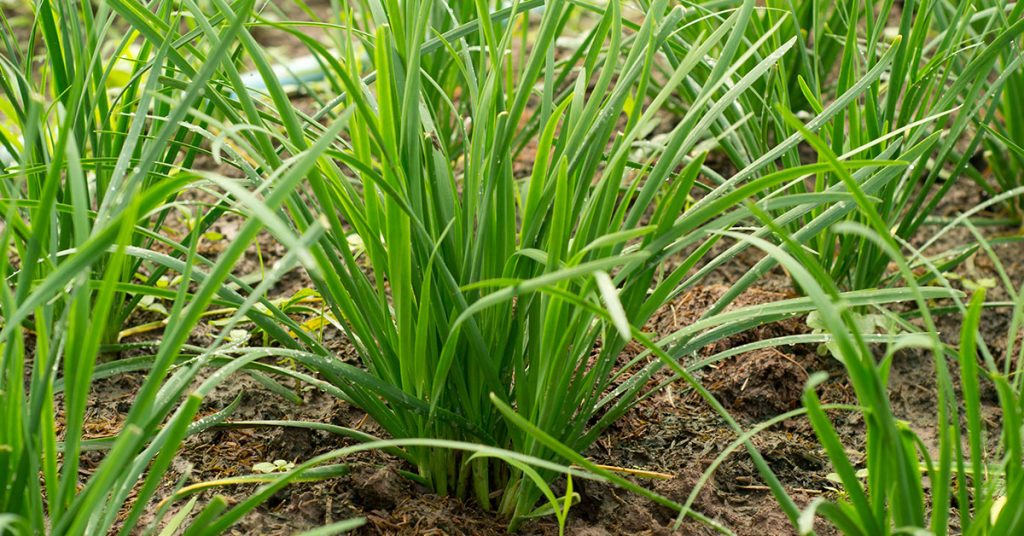
Late summer is a great time to divide clumping perennials like chives and lemon balm. If the center of your herb clump is thinning or woody, it’s time to dig it up and split it. Dividing not only rejuvenates the plants, but it also gives you more starts for other garden areas or to share with friends.
Chives, native to Europe and Asia, are well-behaved and not invasive, though lemon balm (also from Europe) can self-seed enthusiastically. After division, keep the new transplants well-watered for a couple of weeks and watch for signs of regrowth. You may even spot pollinators like bumblebees returning once the new shoots perk up—herbs have a way of bouncing back strong when given just a bit of love!